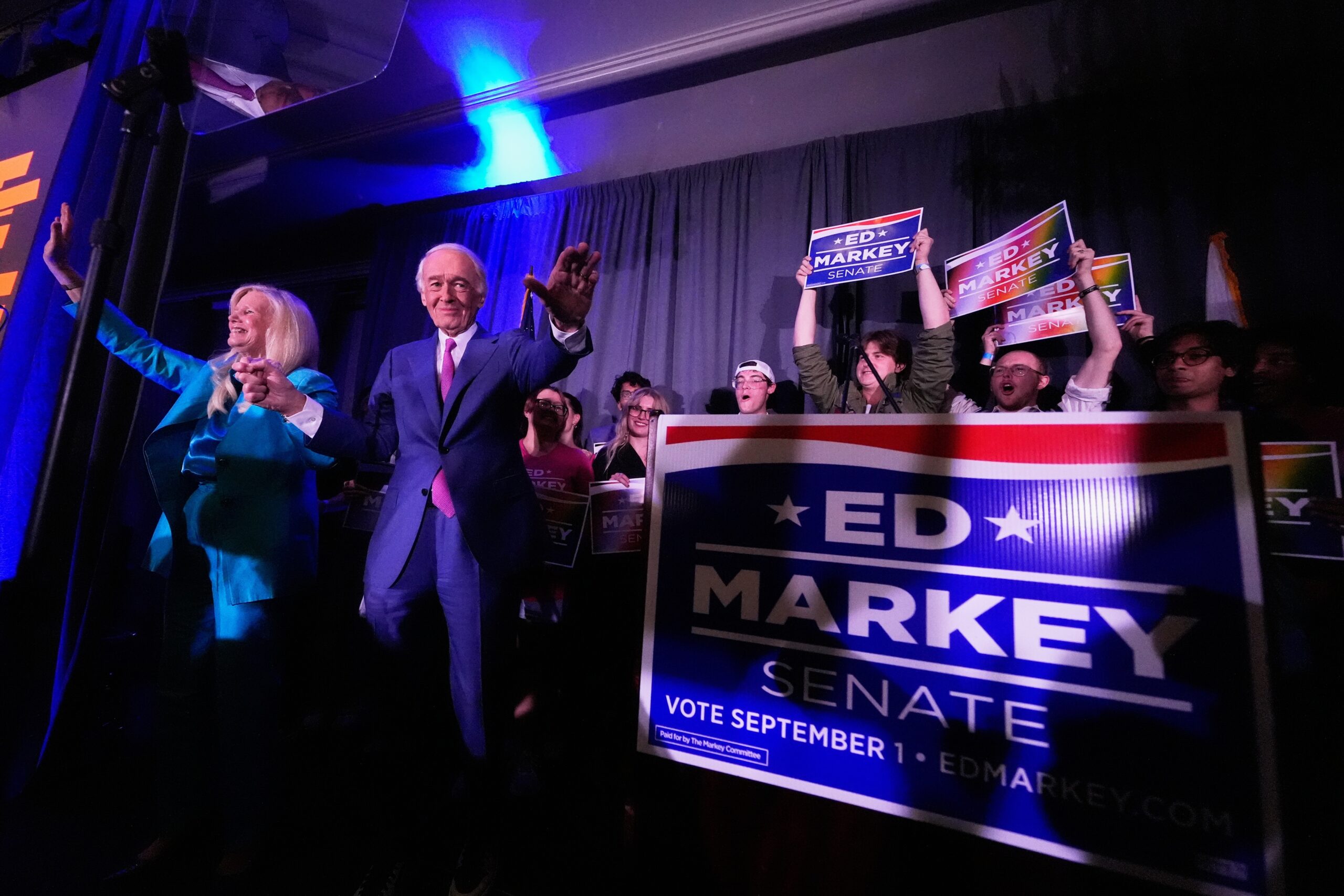
With the primary season winding down, the anti-incumbent wave spared older Democrats including Sen. Edward Markey, 80, who held off younger challengers.
Read more Using legal loopholes and executive power, Trump is remaking Washington
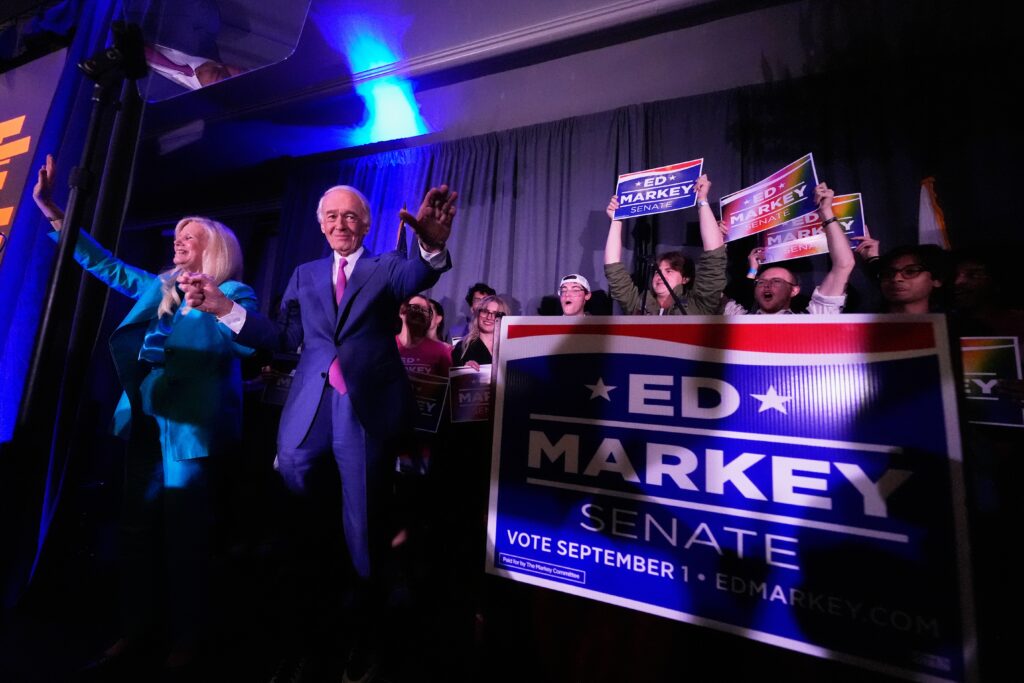
The anti-incumbent mood that has ousted veteran Democrats across the country spared them in deep-blue Massachusetts on Tuesday night.
Rep. Stephen F. Lynch (D), a 71-year-old former ironworker and senior member of the House Oversight Committee, fended off a younger, progressive challenger.
He beat lawyer and voting rights advocate Patrick Roath, 39, who ran to Lynch’s left and outraised him, while urging voters to embrace generational change.
Incumbents hold a profound advantage, but an unusual number of challengers have succeeded in ousting other Democrats this year. They have mostly been more progressive or, like Roath, younger and more progressive than the veterans they took on.
Across both parties, 11 House incumbents have lost reelection bids this year, the second-highest number since 2012, and an unusually high tally for an election that did not follow nationwide redistricting.
But deep-blue Massachusetts tangled the narrative that voters were ready to reject older incumbents: Sen. Ed Markey, 80, similarly defeated a younger challenger, moderate Rep. Seth Moulton, 47, in a race in which voters prioritized left-leaning values over the candidates’ ages.
With the primary season winding down, there are no more generational nominating battles for Democrats this year. The three remaining House members with primary challengers were elected within the past four years.
Here are four key takeaways from the primaries in Massachusetts, where Democratic winners typically hold an overwhelming advantage in the general election.
Roath and Markey were markedly more progressive than their opponents, and each ran campaigns that focused on affordability and issues that resonated with younger voters and the party’s more liberal wing.
Roath campaigned on making health care more affordable, attacking Lynch for being one of the few remaining Democrats in Congress who voted against the Affordable Care Act in 2010. But ultimately voters stuck with the veteran against Roath, who had not held public office before.
Markey, the oldest member of Massachusetts’s congressional delegation, relied on a strong following he built championing progressive causes. He was endorsed by younger leaders in progressive circles, including Rep. Alexandria Ocasio-Cortez (D-New York).
In other states where younger challengers ousted Democratic veterans — Colorado, Connecticut and Michigan, among them — the candidates paired their youth with a more progressive message.
Read more Poll shows nearly 90% of Americans believe government corruption is widespread
Moulton, however, cast Markey as too old in a year when voters were looking for change but also minimized discussing how they differed on policy.
Among the biggest policy differences between Moulton and Markey: whether trans athletes should compete in sports.
Moulton faced intense backlash after the 2024 election, when he said he didn’t want his two daughters “getting run over on a playing field by a male or formerly male athlete. But as a Democrat, I’m supposed to be afraid to say that.” He has since apologized.
Markey, by contrast, has become one of the Democrats’ most vocal defenders of transgender rights, saying Massachusetts voters expect him to always stand up for human rights.
He stands apart, even in the Democratic Party, as many lawmakers have retreated from overtly supportive statements, especially on the issue of sports participation, which polls poorly.
As Democrats continue to trade blame over losing the 2024 presidential election to Donald Trump, former president Joe Biden has not been invoked much on the 2026 campaign trail. But he mattered in Massachusetts.
His endorsed candidate won a highly competitive House race to represent Massachusetts’ North Shore.
Dan Koh, a former Biden White House staffer who also served as a top aide in Boston city government, won the six-way Democratic primary race to succeed Moulton.
In May, Biden endorsed Koh. Koh was also endorsed by former vice president Kamala Harris and Pete Buttigieg, who served as transportation secretary in the Biden administration. Koh featured Biden and Harris in his advertising.
With polls closed in Massachusetts, only three states still have primary elections pending before the crucial midterm elections to determine which party controls Congress during the last two years of President Donald Trump’s term.
New Hampshire and Rhode Island hold elections next week, and the final primary of the season will be in Delaware on Sept. 15. Both of New Hampshire’s contested House races feature ideological battles.
Read more For Morales and Simpson, Nationals debuts are twice as nice