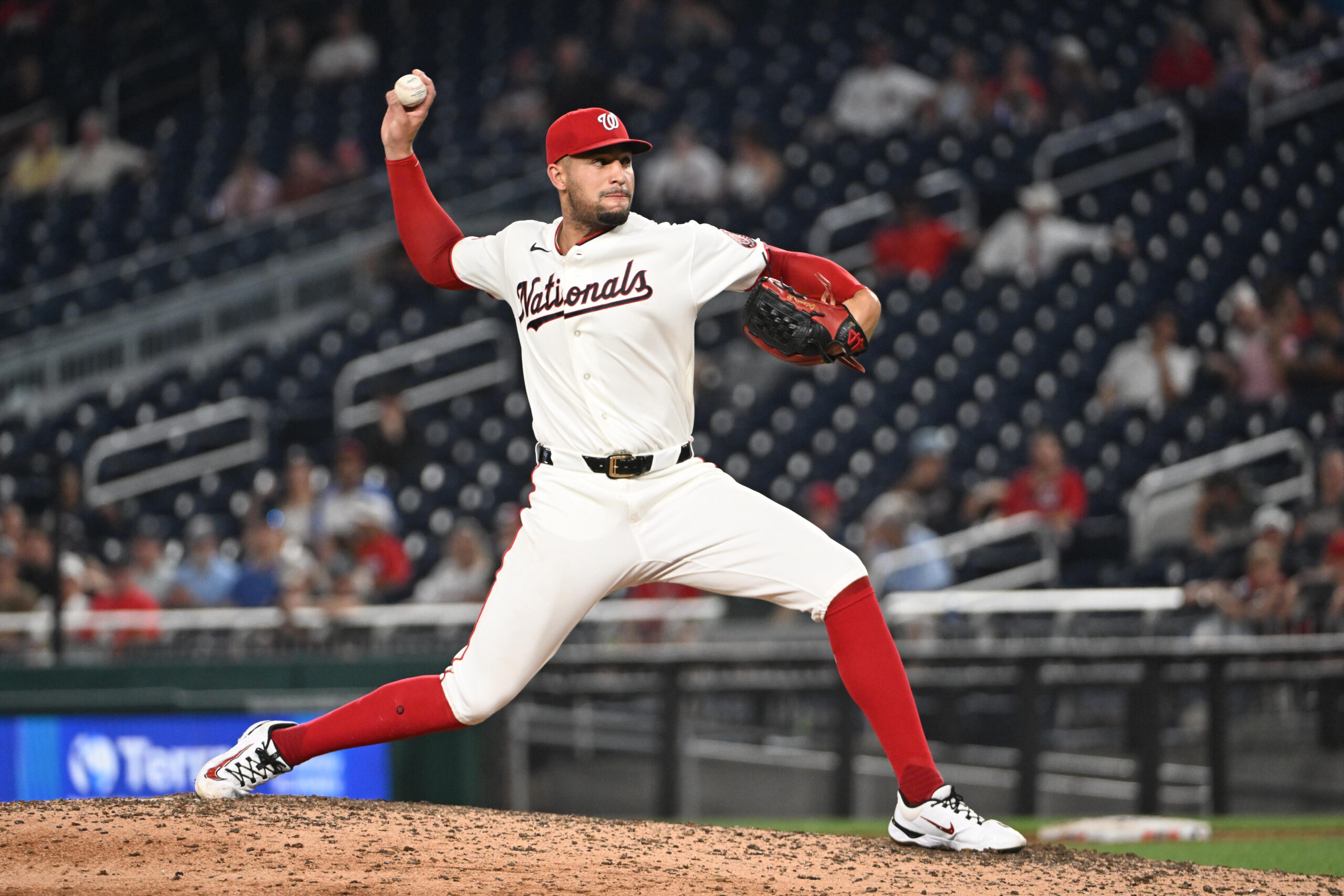
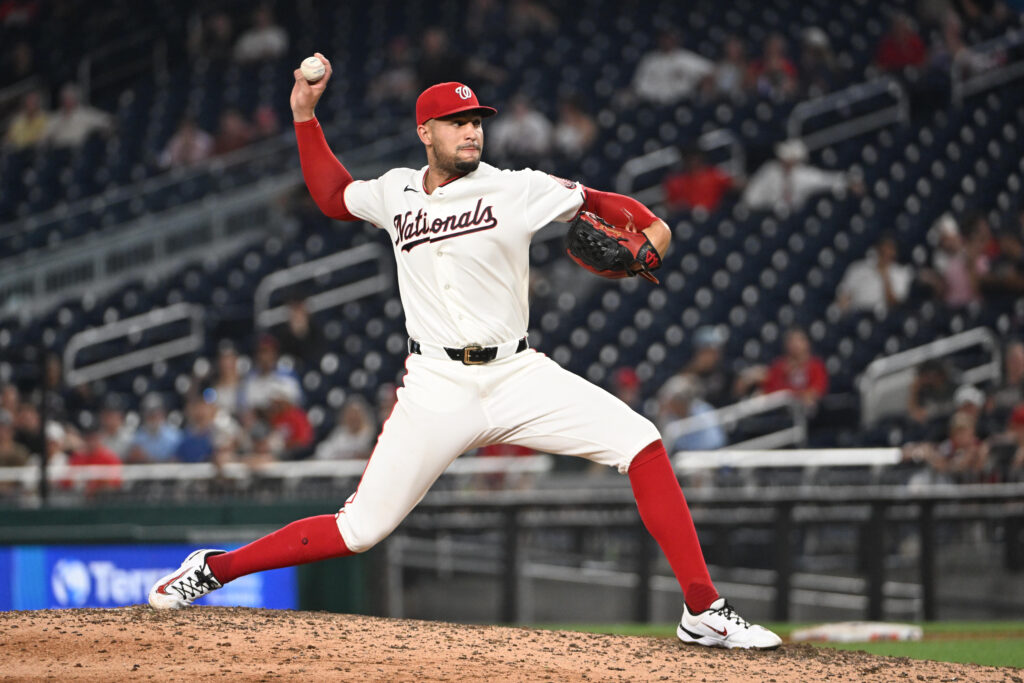
The Washington Nationals have offered plenty of hope that they are on the right track this season, but one area has stuck out like a sore thumb: the bullpen.
Read more In boost to GOP, Supreme Court says parties should get lower TV ad rates
With 20 games left in the season, before a three-game series away against the Los Angeles Dodgers starts Friday night, the Nationals have blown 35 saves. That’s two away from tying the MLB record set by the 121-loss Chicago White Sox in 2024.
They set themselves up for this, knowingly, by not investing in the bullpen in the winter. Instead, they poured money into technology, bringing the organization up to the same level as the rest of the league, and into their coaching and player development staff. Both of those things have paid off as the Nationals have already surpassed their 2025 win total.
They did so, in part, because they did not expect the Nationals to be as competitive as they were this season. The bullpen is typically the last thing a team invests in before truly starting to go for it.
But by not making any additions, the Nationals entered the season without a closer. The one signing, Cionel Pérez, was a minor league deal and gone by the first week of May.
There have been so many devastating losses at the hands of the bullpen. There was the disaster in San Francisco, when Gus Varland, Paxton Schultz, Orlando Ribalta and Mitchell Parker combined to give up 10 runs in two innings to erase an eight-run lead. The Giants won on a walk-off grand slam.
There was also the three-game stretch at home against the Philadelphia Phillies, when Manager Blake Butera stuck with traditional matchups one day, went against analytics another and then tried not using the bullpen at all. All three tactics failed — without the talent, there is only so much that strategy can overcome.
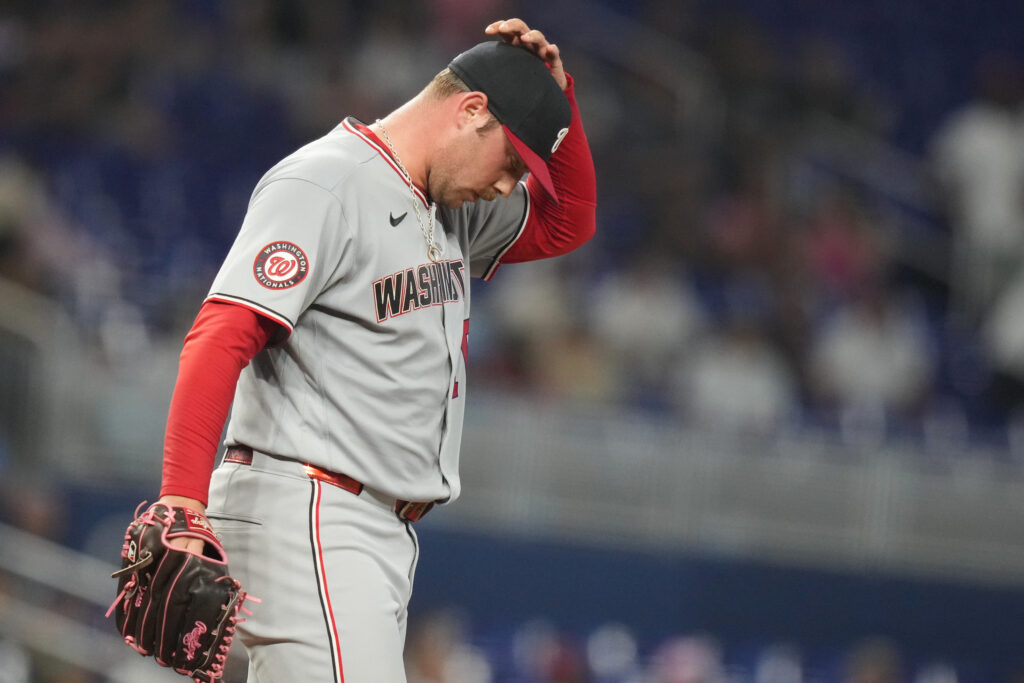
That’s how the Nationals got to this moment. The bigger question is how they solve it.
Read more Texas Senate hopeful Talarico ramps up Black outreach efforts
The easiest answer: signing top free agents this winter or acquiring relievers via trades. President of baseball operations Paul Toboni would not comment on the financial flexibility he’ll have this offseason. It could (key word there) help that, while the Nationals still have deferred payments to Stephen Strasburg due until 2029, the majority of his seven-year, $245 million contract will be off the books after this season.
When it comes to position players, the Nationals should be set. That should allow them to focus their money on starting pitching and the bullpen this winter, but spending hasn’t been a given for ownership as of late. Case in point: Washington started this season with the fourth-lowest payroll in MLB.
One of Toboni’s biggest takeaways from the bullpen’s failures this year is the value of having homegrown relievers. Those players are more affordable, and they can stay in the system for years.
“We’ve taken a lot of chances in turning over the bullpen, right?” Toboni said. “One can argue how effective that’s been. I think just the general takeaway of doing that is a good thing. Whether it’s calling players up from Class AAA or claiming players on waivers, I think it just gives us more shots to uncover a guy who can help us in future years.”
Aiding their internal options by adding controllable arms was the goal of the trade deadline, and some of the new bullpen additions have fared well. Will Dion, acquired from the Cleveland Guardians in the Foster Griffin trade, has a 2.04 ERA in 17⅔ innings with the Nationals. Ben Grable, acquired from the New York Yankees in exchange for Luis García Jr., has allowed just one run in 10⅓ innings pitched in the Nationals organization. He was moved up to Class AAA last week.
The Nationals have also had success, in small sample sizes, from arms they already had in their system. Erik Tolman has yet to allow a run in 6⅔ innings, earning his first save Monday against the Miami Marlins. Eddy Yean has also shown glimpses in his 10 innings, allowing just two earned runs before he was optioned back to Class AAA in early August.
Clayton Beeter and Ribalta have set themselves up to be key parts of the bullpen next season. So has Brad Lord in a multi-inning role. The rest is up for grabs. The past few weeks of the season will help the team narrow down who else they want to stick around. Beyond that, it’ll be up to the front office to fill in the pieces if they don’t want a repeat of this season.
Read more Trump moves to allow ranchers and hunters to kill gray wolves