At a time when college sports are unrecognizable, no one is rewriting the playbook more than Cody Campbell, one of the most influential megadonors and most prominent disrupters in the industry.
Read more CJ Abrams saves the day as Nationals walk off Angels
FORT WORTH — A Miller Lite and a jockstrap were all Cody Campbell needed to prove he was the better man.
It was a Friday night in late May, and Campbell, one of the richest oilmen in Texas and the largest booster for Texas Tech University, was at home in Fort Worth when he saw an X post from rival fan calling Campbell a “billionaire loser [acting] tough on the internet.”
He wouldn’t let it go. He couldn’t let it go.
“I was just picturing this guy behind a keyboard,” Campbell recalls, guffawing. “He doesn’t want any part of me.”
It all started when The University of Texas’s coach suggested his backups could whoop the starters at Tech. Campbell, a former Tech lineman and the chairman of the school’s Board of Regents, had then offered to buy out Texas’s first two games of the season to set up a battle between the two schools.
Some fans gushed, loving how Campbell had turned Tech from plucky underdogs to confident contenders. Others complained he was again trying to use his oil fortune to get what he wanted.
Then came the dare.
“I officially challenge you to an Oklahoma Drill. Name the time and place,” @LTHDiesel wrote, referring to the infamous tackling drill.
“My back yard,” Campbell responded “Tonight. Better tape your ankles.”
The Texas fan urged him to bring a mouthpiece, so Campbell wouldn’t spit up teeth after the drill.
“All I need is a Miller Lite and a jock strap,” Campbell wrote. “Bring it!!”
The showdown never happened, but T-shirts were made, and the public exchange between billionaire and troll also shed light on who Campbell is at this moment: Brash. Pugnacious. A Texas character for the social media age. A chronically online kingmaker in the worlds of oil, politics and, increasingly, college sports.
“I do think at some point you have to get out there and take people on, and not be afraid to get in a Twitter fight every now and then,” he says months later at the office for Double Eagle Energy Holdings, the Fort Worth-based oil and gas company he co-founded. “I’m just fine with that.”
At a time when college sports are unrecognizable, billionaires are calling the plays. And no one is rewriting the playbook more than Campbell, 44, one of the most influential megadonors and most prominent disrupters in the industry.
For starters, he’s fundraised and personally dumped hundreds of millions of dollars into Texas Tech, whose athletes last year earned roughly $55 million in name, image and likeness (NIL) deals negotiated by the Matador Club collective, which he co-founded with John Sellers, a fellow alum and co-founder of Double Eagle. The result: the football program’s first top-10 finish, a conference championship and an appearance in the College Football Playoff.
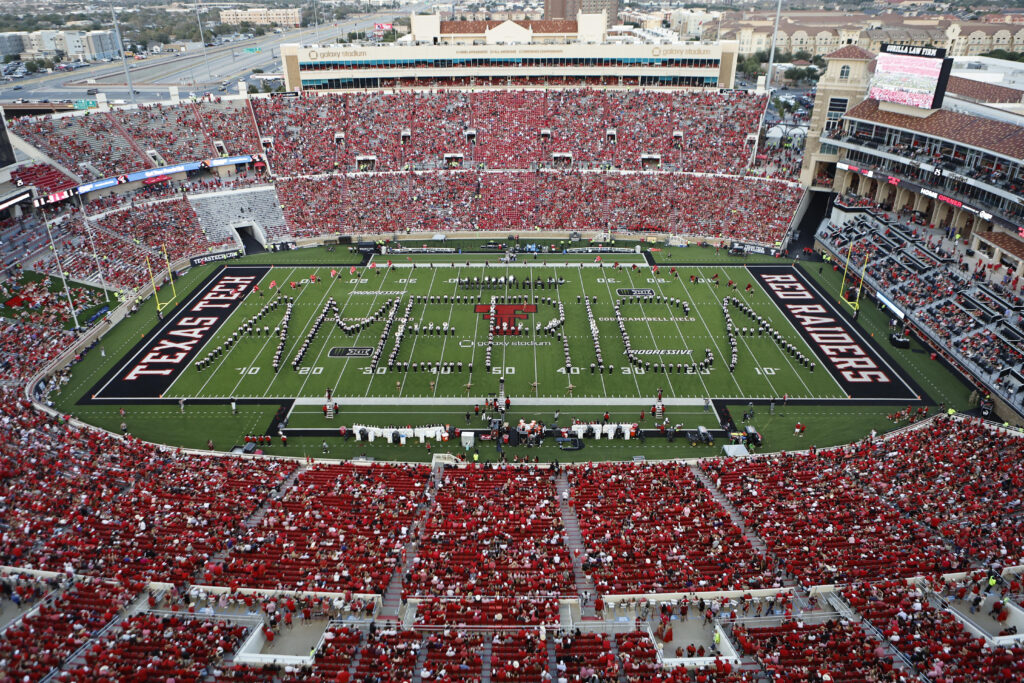
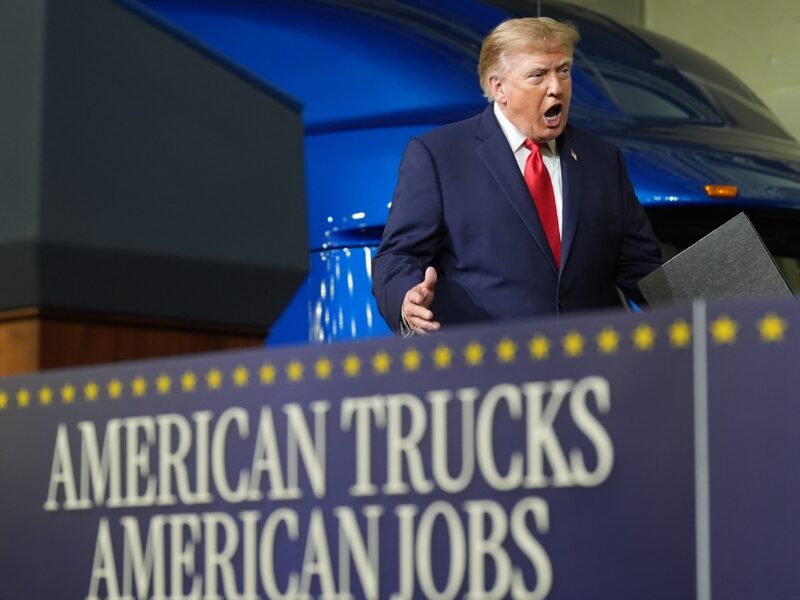
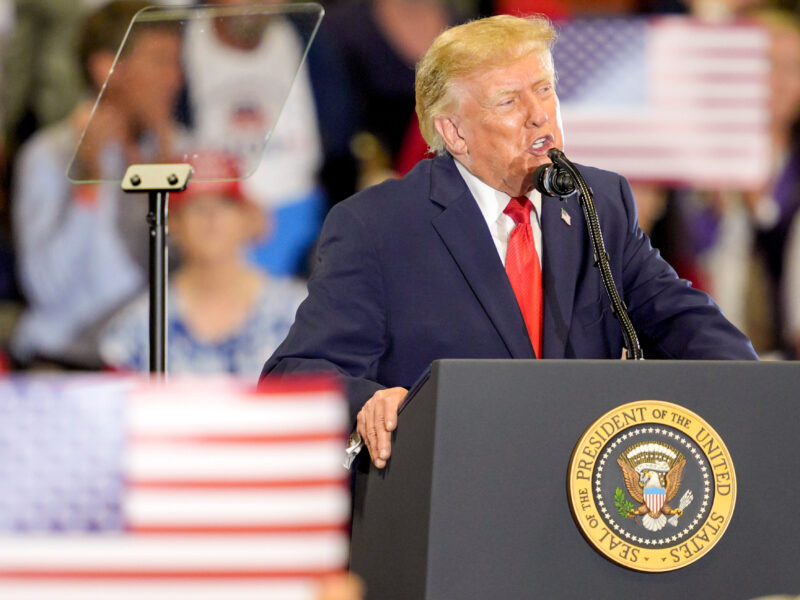
Now, after leveraging his political connections in Washington, including his relationship with President Donald Trump, Campbell is also a key player in the effort to push Congress to reshape college sports. As a catalyst of the Protect College Sports Act, the bipartisan bill co-sponsored by Sens. Ted Cruz (R-Texas) and Maria Cantwell (D-Washington), Campbell is pushing for federal legislation that would create a national framework for name, image and likeness money and revenue sharing; provide additional financial safety to preserve women’s and Olympics sports; and offer a potential path for the Power 4 conferences to pool their TV rights, in hope of landing additional billions of dollars annually. The bill is expected to be brought to a vote in the Senate this month.
“His secret sauce is that he’s a bulldog. Cody doesn’t do anything halfway,” says Cruz, adding that the goal is for Trump to sign the bill into law on ESPN’s “College GameDay” this season. “He’s devoted more hours to saving college sports, more money to it and more energy to it than frankly anyone else in the country.”
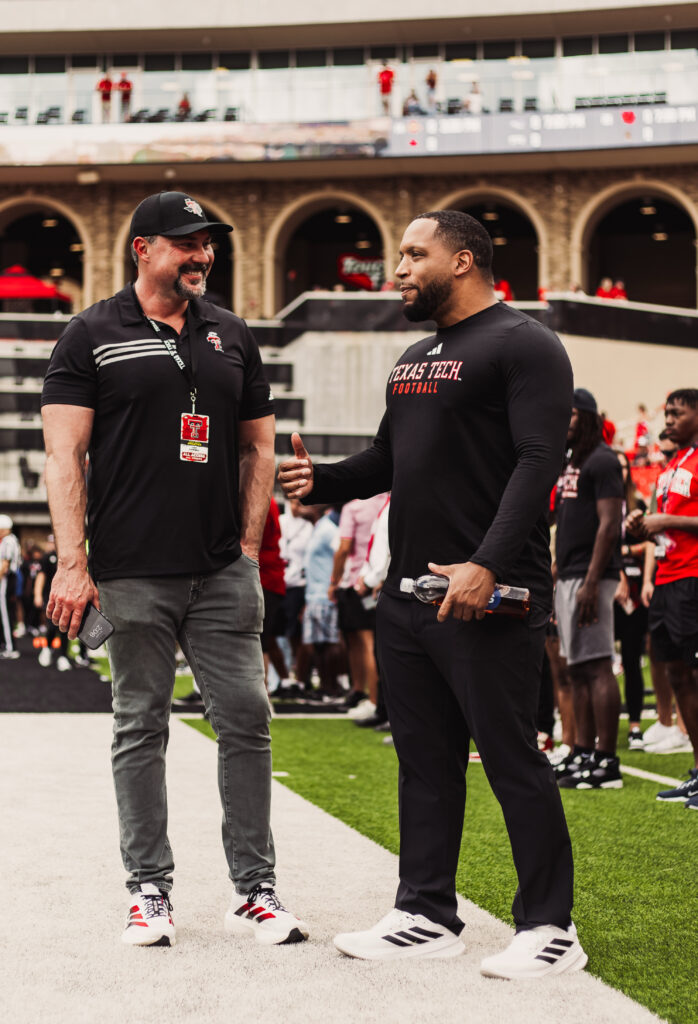
It’s all come at a price. The messy legal fallout from a gambling scandal involving the program’s prized transfer quarterback briefly upended college football — and made Campbell and No. 13 Texas Tech into the sport’s newest villain. Many of the same people who were once intrigued by Campbell barging onto the national stage are now offended by the billionaire whom they believe bought his way into influence.
“Cody Campbell went from a speck on a dusty road in West Texas to being everywhere that anyone turned to in college football,” says Paul Finebaum, the college football commentator for ESPN and SEC Network. “He has forced people to pay attention to a place that no one really cared about.”
And raised tense questions in the process, including whether it is possible for a billionaire to be part of college sports’ problem and part of the cure.
Campbell isn’t totally sure where it’s all going. The one thing he knows is he’s not the bad guy here.
“We’ve just done everything the right way, and we’ve just done it better,” he says of the new heights at Tech, “and if you want to be mad about that, let’s just be honest with each other.”
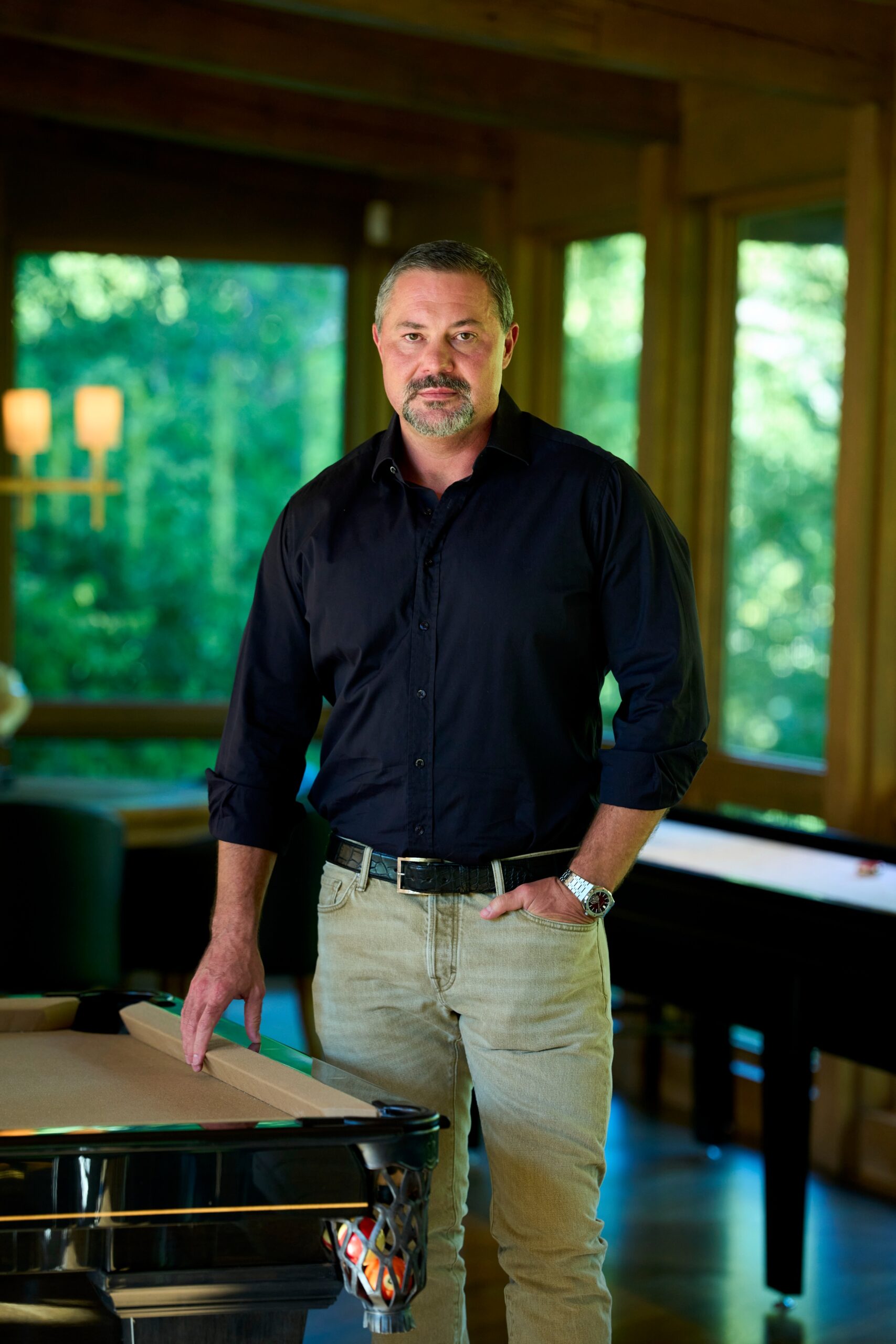
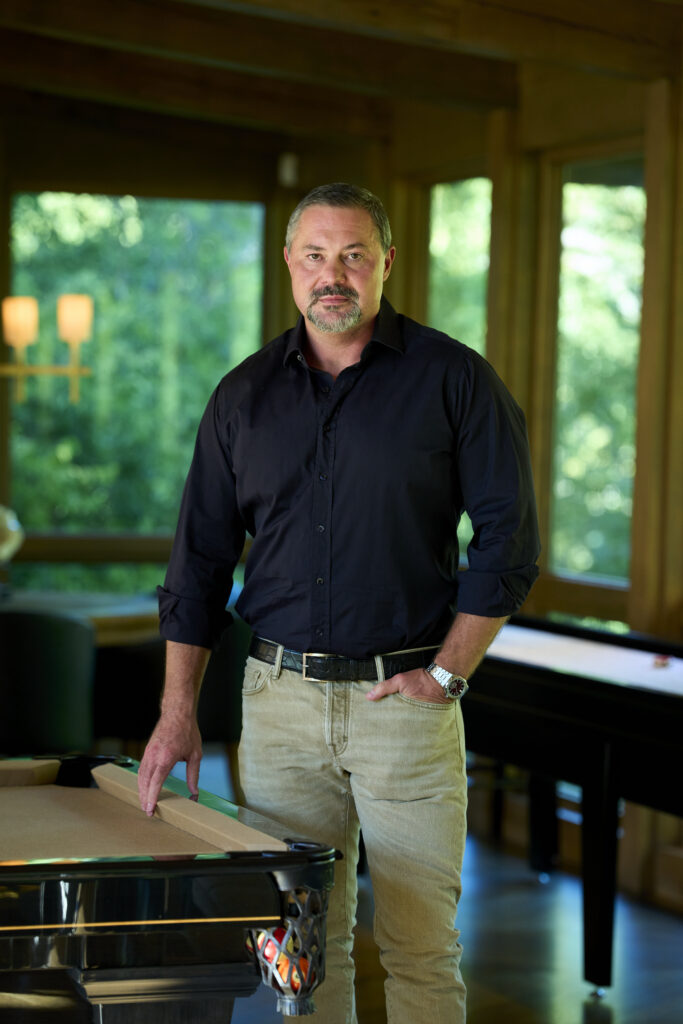
IT’S LATE SUMMER, Texas’s sweat-slicked two-a-days season, and Campbell, 6-foot-4 with his salt-and-pepper goatee, is in between meetings at the Double Eagle office to talk about his side hustles in Lubbock, Texas, and Washington. He’s quieter in person than he is online, speaking so softly that, in contrast to his light-beer-and-athletic-supporter crack, it’s almost disarming.
Campbell came by his twin obsessions, sports and moneymaking, honestly. His grandmother bought him his first shares of a sports trading-card company in grade school, he says, and showed him how to track the stock market.
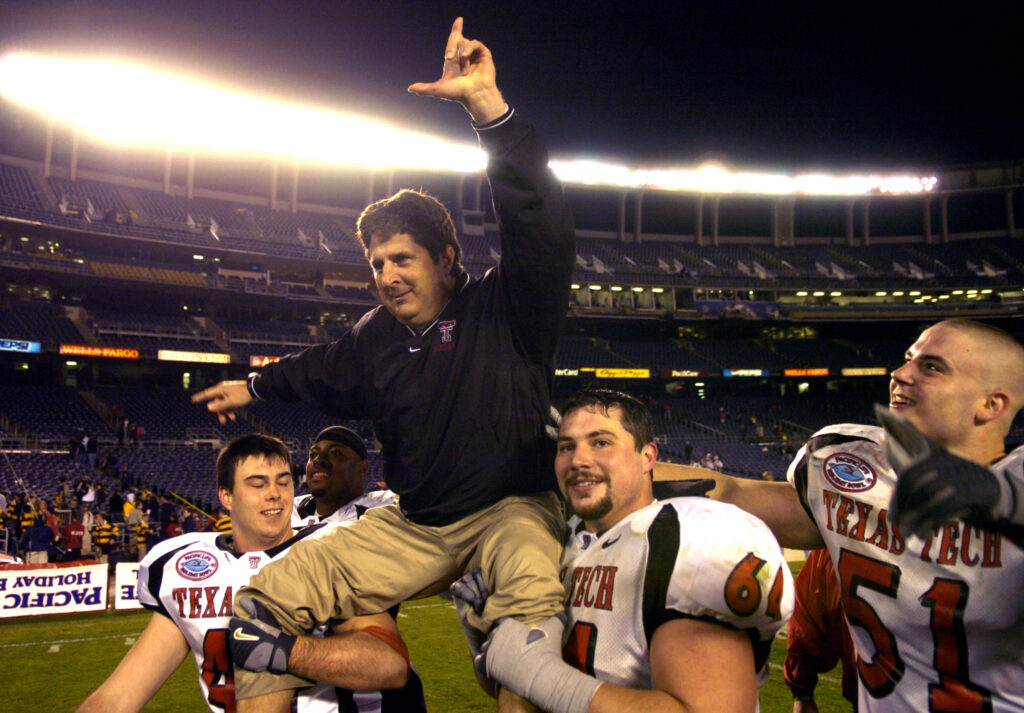
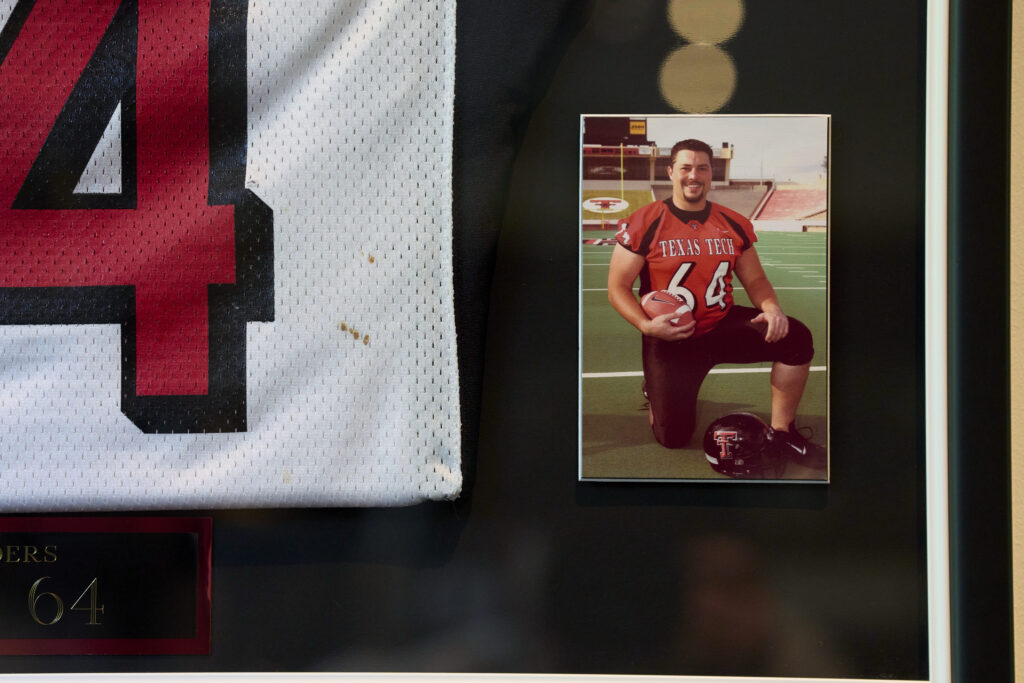
He played at Tech for quirky coaching legend Mike Leach, who kept a stool at a Key West bar, was famously obsessed with pirates and masterminded the pass-happy Air Raid offense that revolutionized college football. When his name comes up, Campbell points to the picture above his desk. In it, Campbell is helping carry Leach, who recruited him as part of the coach’s first class at Tech, off the field after upsetting Aaron Rodgers and No. 4 Cal in the 2004 Holiday Bowl.
“His dogged obsession with execution has certainly stuck with me,” Campbell says of his old coach, who died in 2022.
He played briefly in the NFL before turning to energy speculation with Sellers, his Double Eagle co-CEO. They were the lowest form of oil guys when they started in 2008, surviving lease to lease until they found their niche: buying up small leases across the Permian Basin and building contiguous blocks of leases they could sell together. To date, he has helped bill and sell $15 billion in businesses, most of it related to oil, and become one of the Texas oil patch’s most prolific dealmakers.
“We nearly killed ourselves doing it,” Campbell says.
Campbell is as open and consistent for his love for scarlet-and-black football as he is for ruby-red politics, and he will be the first to say he has not been shy about sharing his opinions. On X, he has ripped Biden-era energy policies, reposted tweets questioning the legitimacy of climate change and posted photos of him golfing with Trump. He has given more than $3 million in federal contributions to Republican candidates and campaign committees since 2011, according to Federal Election Commission records.
But Tech football was his true love, and it wrecked him to watch the program slip into irrelevance after Leach was fired, in 2009, over allegations that he mistreated a player with a concussion. In 2021, when the football program was spiraling under then-coach Matt Wells, Campbell, who had been appointed to the Board of Regents by Texas Gov. Greg Abbott (R) that year, railed against the coach on RedRaiderSports.com. Later, he reportedly told the coach during a contentious midweek visit how he didn’t like the direction of the program. Wells was fired not long after. (Wells did not respond to a message seeking comment.)
That a booster had influence was hardly novel. Before NIL turned college football on its head, it was an open secret for decades how football and men’s basketball boosters would pay star players under the table to maintain the facade of “amateurism.”
But when California’s Fair Pay to Play Act in 2019 allowed student‑athletes to profit from NIL rights, and the Supreme Court unanimously ruled against NCAA limits on education‑related benefits in 2021, the floodgates were open for billionaires familiar (Nike co-founder Phil Knight at Oregon) and fresh (Oracle co-founder Larry Ellison at Michigan) to storm the field.
Few stormed harder than Campbell and his donor group, who invested hundreds of millions to upgrade the facilities, awakening the sleeping giant that is the deep-pocketed oilman class of the Permian Basin. Campbell and Sellers methodically managed the Matador Club not unlike how they managed Double Eagle’s multimillion-dollar builds, landing high-end talent in the transfer portal with front-loaded NIL deals. The players were enamored.
“When you see him walk in the room, he has the presence of an alpha male,” says center Sheridan Wilson, a co-captain. “When he’s got something to say, it’s usually going to be something really good, so we all shut up and listen.”
Read more D.C. United plays down to Atlanta in a scoreless draw
Texas Tech Coach Joey McGuire listened, too.
“When Cody Campbell says something, then he’s going to follow through with it,” McGuire says from his office at Galaxy Stadium, where the field is named after Campbell. “So, you better follow through and better be ready to go.”
BY THE 2025 SEASON, the Red Raiders thought they were ready. Then, Oregon, fueled by Nike’s Knight, dominated them, 23-0, in the quarterfinals of the College Football Playoff at the Orange Bowl. Campbell, who heard and read the gloating from critics about how he wasted all that money just to get shut out, vowed to “double down.”
Which meant he needed a quarterback.
Luring an elite one to Lubbock wouldn’t be easy. Top-end signal callers are at the center of the NIL bonanza, getting paid anywhere between $2 million to $6 million annually. But Campbell found his in Brendan Sorsby, the Cincinnati quarterback and ESPN’s top-rated player in the transfer portal. It cost around $4 million for the 2026 season, Campbell says, one of the highest annual salaries in college football.
But everything turned sideways in May, when Sorsby was ruled ineligible after admitting he’d placed more than $90,000 in bets, including 40 wagers on his own team at Indiana, where he’d played before Cincinnati. Campbell, the guy who peers say is typically the most prepared in any room he’s in, was on his back foot.
“He needed help. It was that bad,” Campbell recalls of when he met with Sorsby after he exited rehab. “Everyone has told us there’s no way to have …”
He cuts himself off, still seemingly baffled.
“We’ve questioned ourselves extensively: ‘How could we not know about this?’ Because the problem was so big.”
The next move seemed obvious to many: Find a new quarterback. But Tech, with Campbell’s blessing, appealed to the NCAA for Sorsby to be reinstated. The NCAA denied the appeal, but Campbell kept at it, repeating in interview after interview that Tech did nothing wrong, defending Sorsby and denouncing the NCAA. When a Lubbock County judge granted the quarterback an injunction, making him eligible again, the summer of Sorsby was in full swing, with disgusted coaches and athletics directors vowing to boycott.
The NCAA appealed the judge’s decision in early June. Texas Attorney General Ken Paxton, the Republican nominee for the Senate, warned the Big 12 that sanctioning Tech for playing Sorsby was “unlawful” and could result in $200 million in damages. His letter came one day after Campbell had donated more than $274,000 to a fundraising committee supporting Paxton’s Senate bid, campaign finance records show.
Paxton’s office did not respond to requests for comment. Campbell denies that he had paid Paxton to intervene. “If I wanted to make a nefarious deal,” he told the Fort Worth Star-Telegram at the time, “there are plenty of places and ways to do so.”
Sorsby, who declined to be interviewed, ultimately gave up his eligibility and is planning to enter the 2027 NFL Draft. The remainder of his contract was voided, Campbell says.
The saga perfectly captured the chaos of college sports at a time when betting is banned but advertisements for sportsbooks fill college stadiums and the airwaves for ESPN and Fox, the sport’s two biggest TV partners. College players are getting paid like NFL players, and NFL players want to come back to play in college. Players are suing conferences, and conferences are suing their own members. While Athletic Director Kirby Hocutt maintains that Tech “did the best that we could in standing behind a young man who had made some mistakes,” the damage had already been done to Campbell and the Red Raiders, the new villains with long memories.
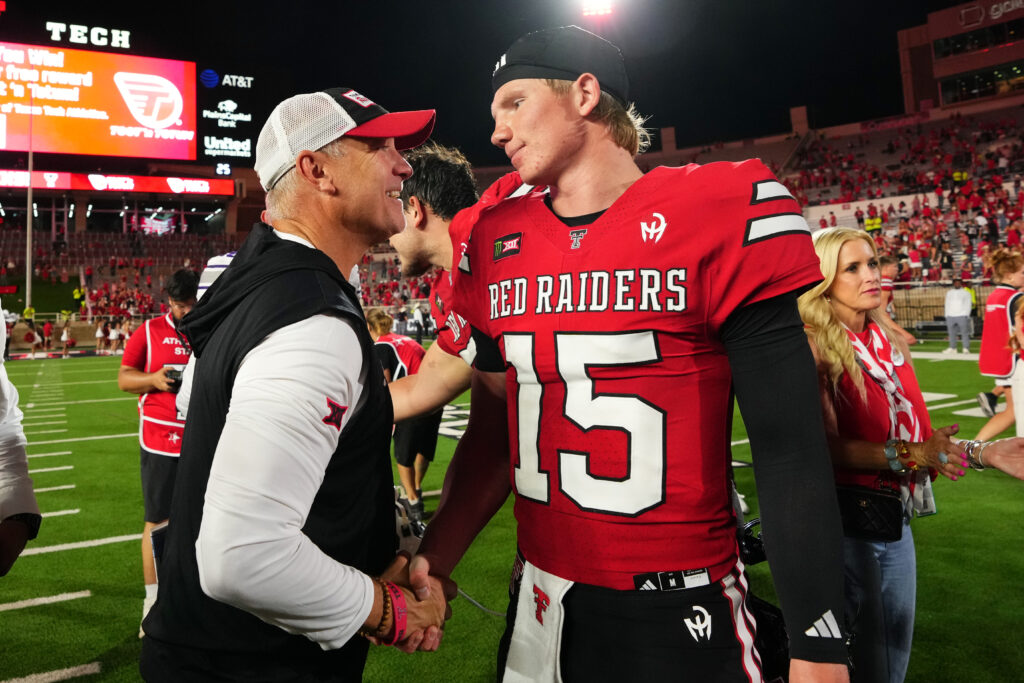
“We’ve moved past it, but we’re not going to forget,” Campbell promises, suggesting that pettiness is on the menu. “There may be some coaches that are upset with us when we’re up by 50 and still throwing the ball in the fourth quarter.”
Amid this chaos, Campbell has mostly thrived. In Lubbock one afternoon, as Lil Durk’s “Should’ve Ducked” blares across the practice fields, the student managers set up the snow-cone pushcart in the 95-degree weather. The players retrieve their red and blue treats before walking through a facility that has gone through $242 million worth of upgrades, creating the largest continuous football facility in the country. Meanwhile, a Paramount+ crew wraps up filming for the four-episode docuseries about the offseason.
In other words, it’s a regular Thursday in the Cody Campbell era of Texas Tech football.
“He’s gonna change the game for everybody,” linebacker Ben Roberts says after practice. “It’s super cool that you have a guy in your corner who has those connections.”
Especially when those connections include the president.
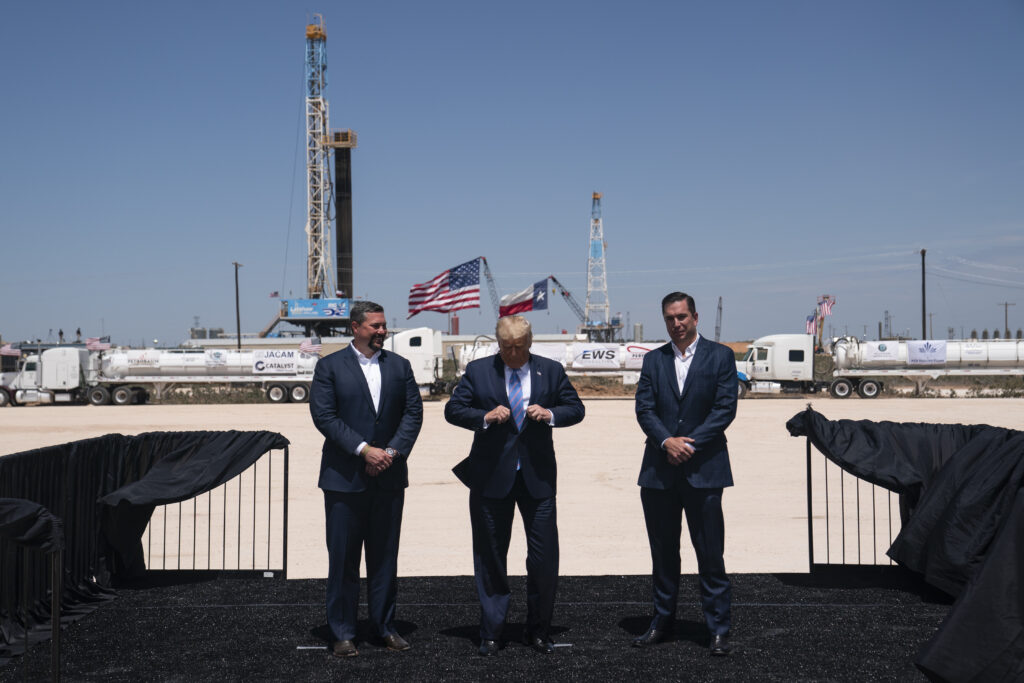
AS LEE GREENWOOD’S “God Bless the USA” faded out at Double Eagle’s site in Midland, Texas, in July 2020, a grinning Trump thanked Campbell for lauding him as an invaluable ally of the oil-and-gas industry. Before rolling into his stump speech, Trump acknowledged Campbell’s financial influence — and his resilience.
“He was wealthier four months ago, but he’ll be up there very soon,” Trump said of Campbell, referring to the economic toll of the pandemic. “He’s doing good.”
Six years ago, as Texas and Oklahoma were about to bolt the Big 12 Conference for the SEC, the latest seismic shift in college football, Tech’s Board of Regents tasked Campbell with figuring out what was going on with college sports. Campbell has been adamant that he and lawmakers believe they don’t think it’s the government’s job to fix college sports. But in his deep dive on all things NCAA, he says, he also concluded that the governing body would never make the changes needed to sustain college athletics. Government intervention, he believes, is the only option.
“There was no real way to fix the problem outside of legislation, and I started thinking about what needed to be done there,” Campbell remembers. “And then, President Trump got elected.”
Trump soon named Campbell to the President’s Council on Sports, Fitness, and Nutrition. Then, Campbell says, he made the case to administration officials that college sports reform offered a rare and buzzworthy bipartisan initiative that Trump could actually push through Congress. White House officials now consider Campbell one of the three most important players on college sports reform, alongside Nick Saban, the legendary former Alabama coach, and Randy Levine, the president of the New York Yankees.
Campbell recognizes he is trying to fix a spending problem he has helped exacerbate, but he finds comfort in what Levine told him about why the megadonor should have a say: “If you want to stop bank robbers, you call the guy who’s been robbing the bank.”
“[Campbell] could go another path and be focused on the school he cares for the most, but that’s not what he’s doing,” says Sen. Eric Schmitt (R-Missouri), a vocal supporter of the bill. “He’s interested in a good outcome. That gives him credibility.”
SEC Commissioner Greg Sankey said that the landman has “a fundamental misunderstanding of the realities of college athletics.” Sankey, Big Ten Commissioner Tony Petitti and ACC Commissioner Jim Phillips declined interview requests. Big 12 Commissioner Brett Yormark is supportive of Campbell’s efforts with the bill, even if the two found themselves in a public spat over scheduling a Tech home game on a Friday night in a state where high school football is sacred.
“We’re not always going to agree,” Yormark says, stressing the mutual respect between them. “We’re very similar from the standpoint that we have great conviction in what we believe in, and we both want to win. But there are going to be moments where we agree to disagree. That’s life.”
He adds, “Cody Campbell has a seat at the table.”
INSIDE A DOUBLE EAGLE OFFICE largely covered in Texas Tech-related mementos, Campbell is eager to get to work. He has tweeted less than usual lately, other than asking Sen. Chris Murphy (D-Connecticut), an opponent of the bill, on X, if he’s “ever even worn a jock strap.”
But he still reads whatever unflattering things are said about him and his intentions for Tech and college sports.
“Coach Leach used to say mean things to me, and I learned to just kind of move on,” he says. “I think that people should not try to assume I am one thing or another unless they’ve actually had a chance to talk to me about what my motivations are.”
He makes his case again: “I have nothing but good intentions here.”
The next morning, after his private plane touches down in Lubbock, about 75 people await on Campbell to begin the Board of Regents meeting. It is another world he oversees — a more mundane existence with less tweets and sound bites and more charts and financial statements. But Campbell loves it. He strikes his gavel twice.
“It’s a great day to be a Red Raider,” he says, and all the eyes in the room are fixed squarely on him.
Read more Nationals finish sweep of Angels in Jake Irvin’s first relief appearance