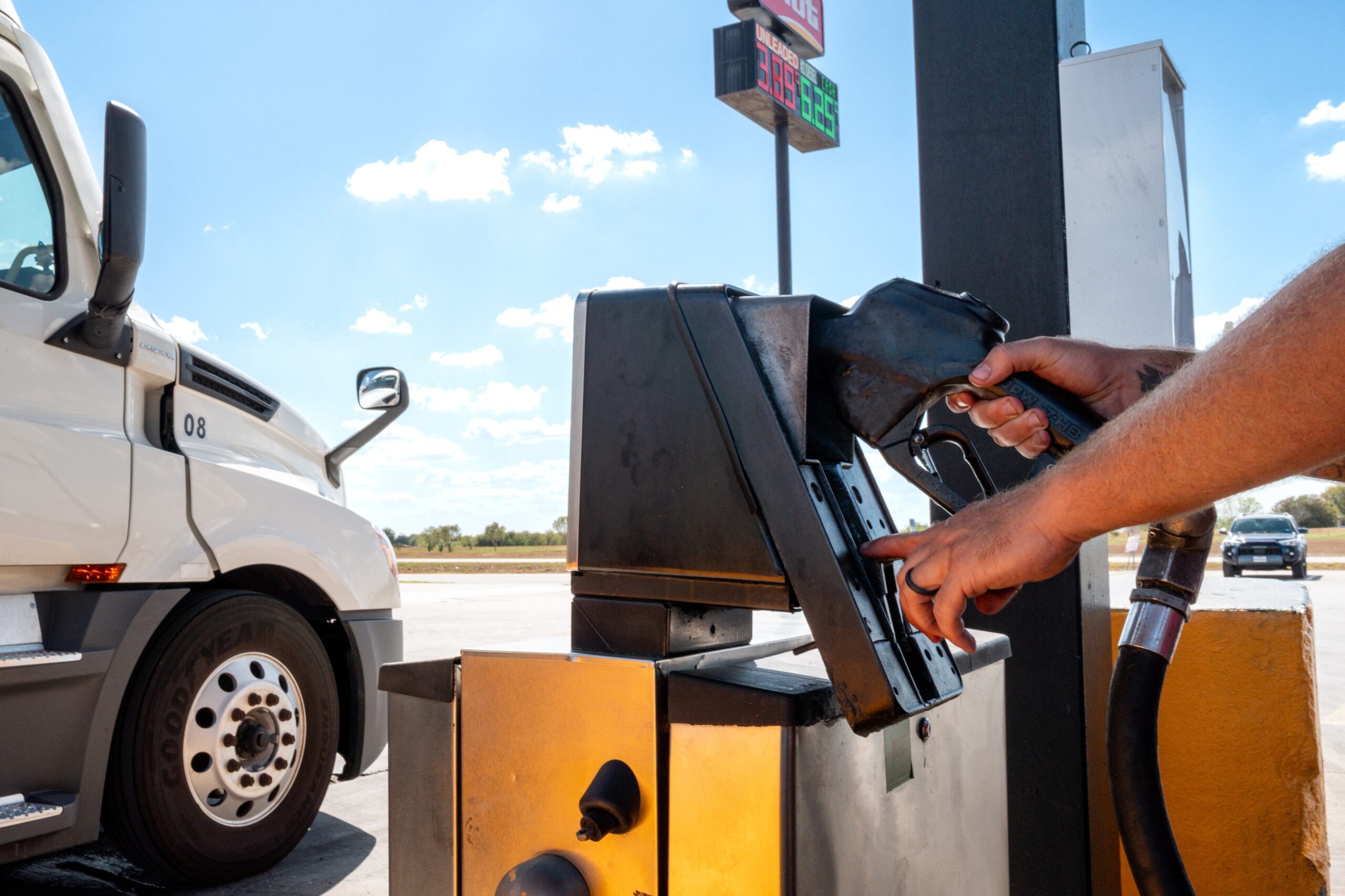
Pain at the pump for rural Republicans is shifting the political map.
Diesel prices soaring to record highs this past week have caused Republican candidates in solid-red parts of the country to call for an end to President Donald Trump’s war with Iran and for a ban on diesel exports, as the issue rattles the party’s MAGA base in a way that few have in this midterm election year.
Read more Athletes are taking GLP-1s. Anti-doping regulators are watching.
“Michigan families are struggling with the price of everyday life,” Mike Rogers, the state’s GOP nominee for U.S. Senate, said in an ad this week. “The war with Iran needs to end, and quickly,” he said, before making a detailed case for how rising diesel prices ripple through the economy to boost consumer costs.
In Iowa, Rep. Ashley Hinson, the GOP nominee for Senate, who voted four times against a resolution to end the Iran war, lashed out at the financial pain the conflict is causing her state in a social media post that called for a temporary diesel export ban. The Cook Political Report last month shifted that race from “Lean Republican” to “Toss Up,” though Iowans haven’t elected a Democrat to the Senate in 18 years.
Though their regions are deep-red MAGA country, their positions put them at odds with Trump, who recently in North Carolina dismissed rising gasoline prices as a “very inexpensive price to pay for what we’ve done” by waging a war that he says is needed to stop Iran’s nuclear program.
Democrats have long hammered affordability as the theme of elections this year that will determine the balance of power in Congress, blaming Trump for tariffs, the Iran war and other policies that they say have made life more expensive.
But while poll after poll has shown voters concerned about the cost of gasoline, it’s the price of diesel — a far less obvious consumer product — that has riled up the industrial and agricultural interests that have been among the most faithful Republican supporters.
“They have to be seeing some troubling polling numbers to finally make these breaks,” said John Sellek, a longtime Michigan political consultant who has worked primarily with Republicans and business groups.
The price shock has thrust GOP candidates nationwide into political peril. Many of the incumbents running voted against congressional resolutions to end the war in Iran, which is the main driver of the diesel shortage. They assured voters over the past several months that the high prices were a momentary blip that would quickly be forgotten.
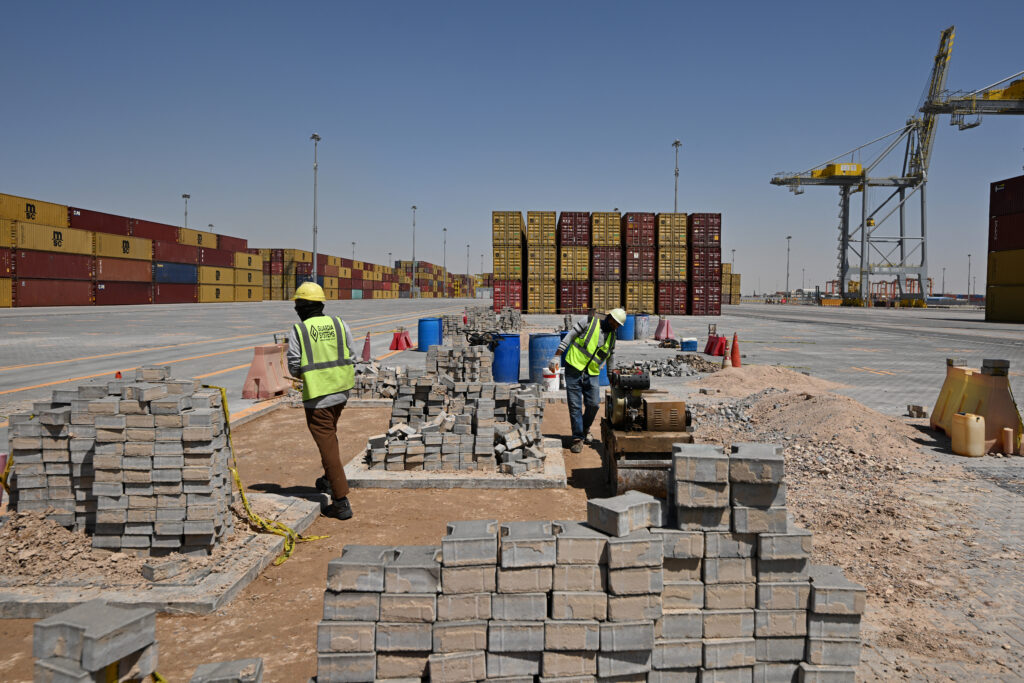
Now, they are facing voter rage. Staunch conservative Iowa radio host Steve Deace shared Wednesday on X that a GOP pollster has warned House candidates there that if they are in a district Republicans previously won by 15 points, they are now within the margin of error. If Republicans won by 10 points, the pollster warned the GOP House candidates, they may already be behind. The Washington Post has independently confirmed Deace’s account.
Deace’s advice to candidates: “Articulate specifically what the mission/victory is in Iran/Hormuz, because out here in the cheap seats it feels like another Middle East War quagmire regular folks are paying for on both ends all over again.”
The administration has long since exhausted the tools available for mitigating the damage to consumers. It paused the century-old Jones Act that limits what vessels can ship fuel between U.S. ports. It has spent heavily on a military operation to protect ships seeking to traverse the Strait of Hormuz from attack, which has helped restart the flow of some fuel through the waterway. It has urged Ukraine to stop the attacks on Russian refineries that are exacerbating the shortage.
But short of an abrupt end to the war in Iran and rapid repair of the refineries around the world that have been damaged in fighting, there is little relief in sight.
The political fallout is landing in deep-red voting districts the hardest. Federal data shows these tend to be the places where diesel makes up the largest proportion of the overall fuel mix. This is especially the case in farming communities, where diesel powers the fuel-thirsty tractors and other machinery that the agriculture industry relies on.
That has led lawmakers to demand what was unthinkable in the GOP only a couple of months ago: a ban on diesel exports from the United States. The proposal seems to make sense on its face: restrict the flow of the fuel out of the U.S. to boost the supply domestically, quickly lowering prices.
The problem is that almost nobody who understands oil markets — including Energy Secretary Chris Wright — believes it would work out that way. Analysts who have been modeling the impact of a diesel export ban are consistently warning it would create chaos and hurt consumers.
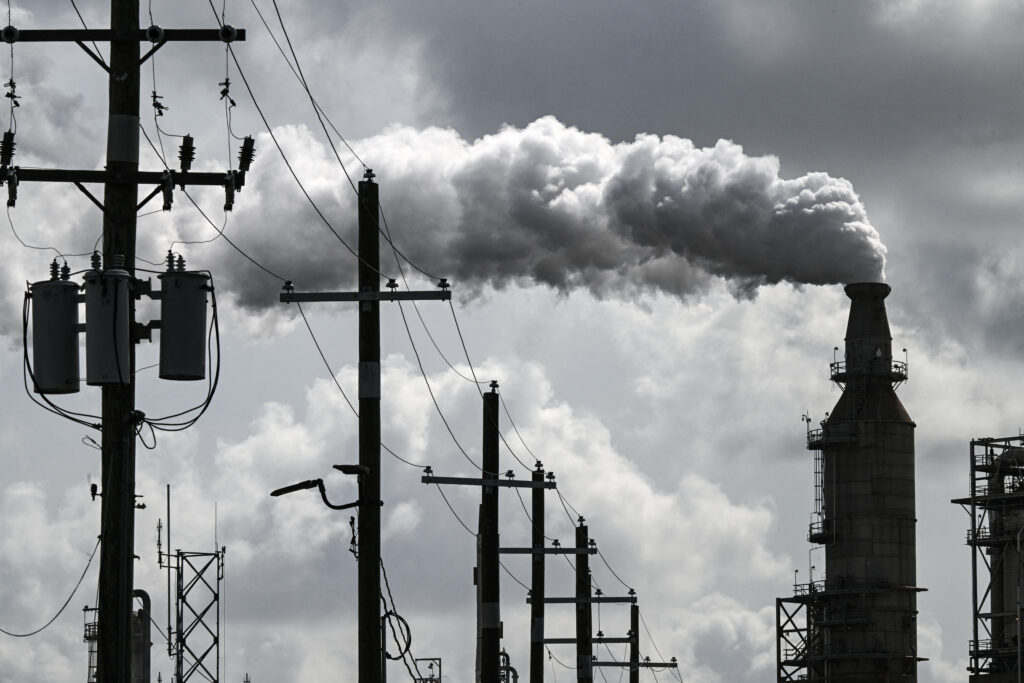
The Gulf Coast refineries that typically export diesel abroad would get overloaded with a glut of crude that would have to be diverted to storage. The diesel they make would mostly be stranded in their region, because there are no pipelines to get it across the country.
Parts of the country that rely on imports of diesel could then see prices soar even higher than they are now. “It is not at all clear that the national price of diesel would fall,” the Energy Policy Research Foundation said Thursday in a report.
Read more Spirit’s home woes continue with rain-soaked loss to Angel City
“The proposed US diesel export ban will not play out as the US administration expects,” Susan Bell, senior vice president for commodity markets at the research firm Rystad Energy, wrote in a market update Thursday. Such a ban would unleash a cascading series of events at refineries that could “drive gasoline prices to extreme heights across the U.S.”
But as the political toll of crushing diesel costs mounts in conservative-voting districts, lawmakers desperate to quell constituent anger are grasping for any potential lifeline that might help them make it through the election.
“American fuel should stay home with Americans,” Sen. Dan Sullivan (Alaska), a Republican who finds himself in an unexpectedly tight race for reelection, pronounced in a news release Tuesday. He wants an export ban that would remain in place “until the conflict in Iran comes to an end and energy exports are flowing unimpeded through the Strait of Hormuz.”
In Iowa, where farmer anger over the price of diesel has reached a boiling point and endangered the GOP’s hold over a Senate seat in a state Trump won by 13 percentage points in 2024, conservative lawmakers are rushing to embrace an export ban.
Sen. Chuck Grassley (Iowa), a 93-year-old who is the longest-serving Republican in the history of Congress, joined Hinson in calling for an export ban, saying in a floor speech Tuesday that an “embargo” on diesel exports would help farmers.
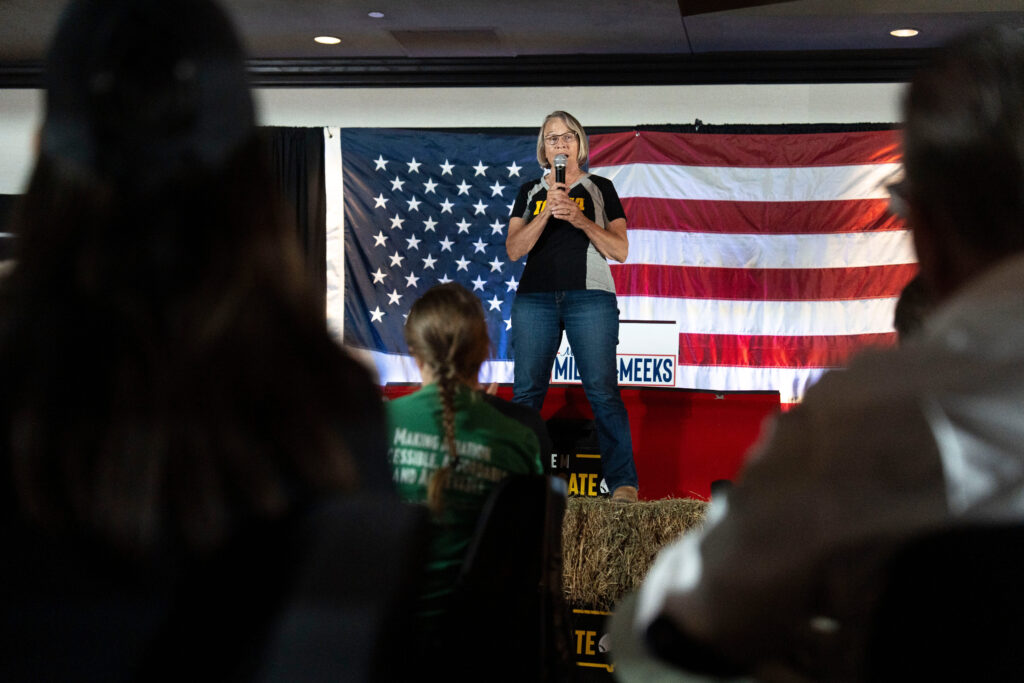
Rep. Mariannette Miller-Meeks (R-Iowa), who is locked in a tight race herself, has also joined the call, as have House Republicans in Georgia and Tennessee.
Sellek, the political consultant, said he was stunned to see the ad from Rogers in Michigan linking grocery prices explicitly to the president’s policies — something Democratic Senate nominee Abdul El-Sayed has done routinely.
But Sellek noted that the three staples of Michigan’s economy — agriculture, manufacturing and tourism — are all hit hard by rising diesel costs. And consumers who don’t use diesel see that eye-popping price every time they go to fill their tanks with gasoline.
“You pull in to the gas station, and you see on the sign ‘$7 for diesel,’ and you say, ‘Holy [cow]!’ It sinks in as, like, that’s impossible, how could fuel cost that much?” Sellek said.
The Iowa Corn Growers Association, which has endorsed all Republicans in this year’s Iowa congressional races, wrote to the state’s delegation in Washington this week pleading for action to lower diesel prices.
The record highs are especially ill-timed because they hit right at harvest, the association noted. “This time of year should be positive for Iowa farmers, but the concern of affordability looms large as diesel prices go above $6 per gallon,” the letter said. “This is accelerating the economic and mental stress farmers are feeling.”
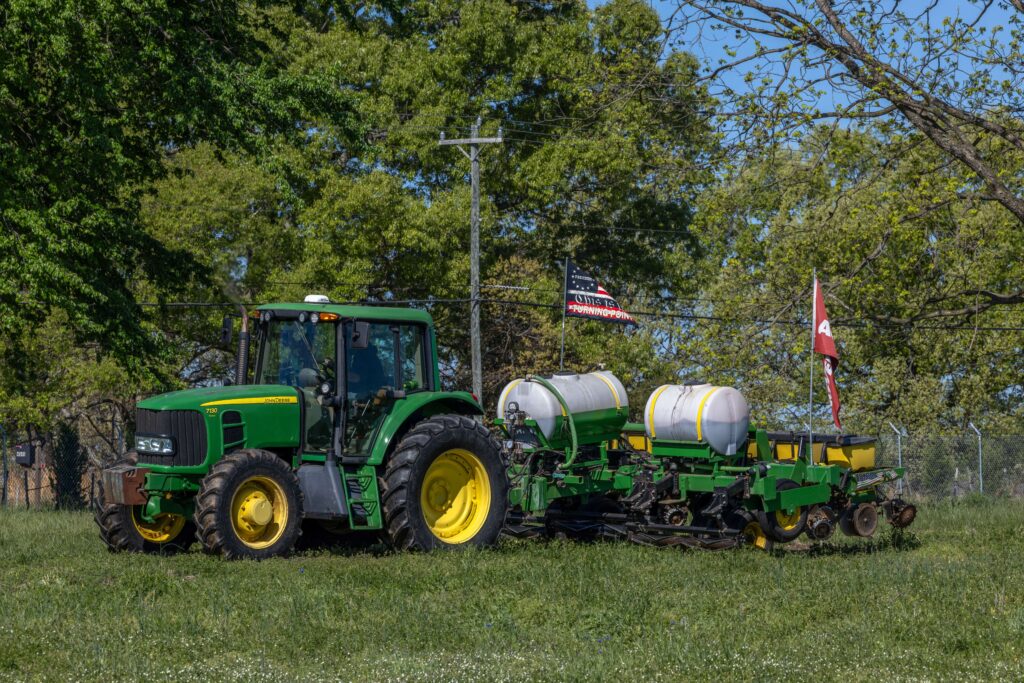
Steve Kuiper, a farmer and head of the association, said that diesel is indispensable to his work. As the harvest gets in gear, the tractor-trailers that deliver equipment to farms and haul away harvested crops, as well as the tractors and combines and harvesters that do the work, all run on diesel, Kuiper said.
His own operation uses some 500 gallons of diesel per day, he said. Fuel he contracted for last year is running at about half the cost of fuel purchased now; topping off one truck Thursday cost $500, Kuiper said.
“Farming is not a huge-margin business. This quickly cuts into it,” he said.
The price of fertilizer is going up at the same time, he said, and all of those costs will be passed on to consumers.
Kuiper does not specifically blame Trump or other Republicans for the situation, which he said has been building for years and could be mitigated by steps such as an embargo on diesel exports or allowing more ethanol to be mixed in with petroleum products.
But the situation puts all politicians in a negative light. “All our elected officials in D.C. need to do their job and get things taken care of,” Kuiper said.
Read more Connelly Early impresses, Jake Irvin struggles as Nationals fall to Mets
Isaac Arnsdorf contributed to this report.