The 85-year-old doctor, once the face of the government’s covid response, now faces mounting congressional threats and legal risks.
Read more A democratic socialist in the White House? Activists are thinking big.
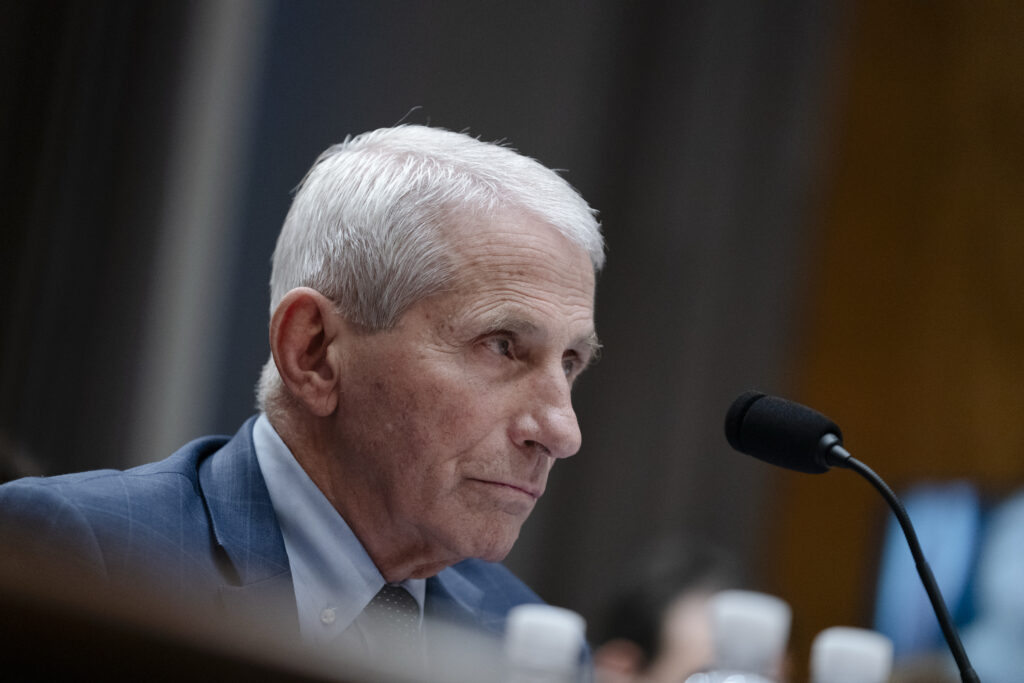
Anthony Fauci didn’t know Rand Paul had his diary, let alone that the GOP senator was going to release it, his friends said.
So last Saturday — after the Kentucky lawmaker had publicly shared years of Fauci’s private reflections, on everything from fighting covid-19 to attending “A-List” events — Fauci went to another party.
There, at a birthday celebration for former White House chief of staff Ron Klain, Fauci mingled with friends and former Biden administration colleagues. They cheered and toasted him, apparently unaware that his critics were combing through documents that would kick off one of the most fraught weeks of his decades-long career.
For a few hours, Fauci was back inside a familiar Washington.
Then reality intruded. His longtime critics now control congressional committees, the health agencies where he spent his career and the Justice Department that could ultimately decide whether to prosecute him. After years of promising to hold Fauci accountable for the government’s pandemic response, they are flexing their power to try.
The past week offered the clearest glimpse yet of what that reckoning could look like.
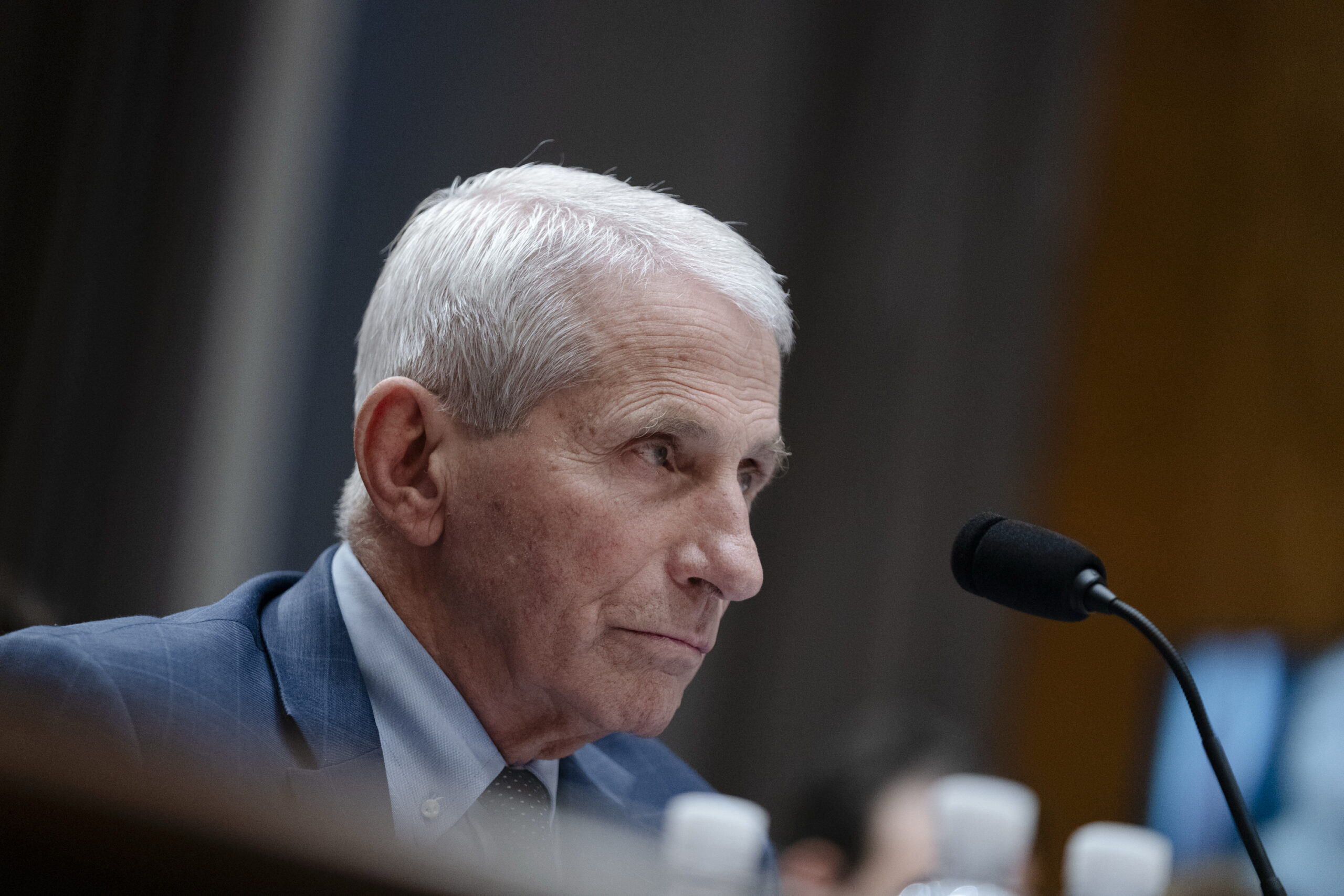
On Monday, Health Secretary Robert F. Kennedy Jr., a longtime Fauci foe, bragged about his department’s months-long efforts to scour 11 government servers to reassemble Fauci’s diary and turn it over to Paul. On Wednesday, Fauci faced hours of questions from Paul and fellow Republican senators at a congressional hearing Fauci and his allies believe was designed to entrap him. He invoked his Fifth Amendment right not to testify more than 100 times.
President Donald Trump, who said he watched the “whole thing,” criticized Fauci after the hearing but sidestepped questions about whether he should be prosecuted.
The effort has exposed the difficulty of settling, six years later, the bitter disputes that made Fauci one of the pandemic’s most polarizing figures. Paul and other Republicans say newly obtained records have raised fresh questions about Fauci’s conduct. Several senators accused him of misleading Americans during the coronavirus pandemic and pressed him on whether he engaged in a cover-up of the virus’s potential origins.
But some of the central allegations have been investigated before, and even some Republicans involved in those inquiries question how much the new material adds. Fauci denies claims of a cover-up, and his allies say he is stuck in a Kafkaesque nightmare. Their fears were accentuated after a former Fauci aide was arrested in April after he privately bragged about concealing emails.
The pressure on Fauci, 85, is intensifying. More lawmakers are preparing to challenge him. Paparazzi lurk outside his door, and death threats persist. Clips of Fauci refusing to answer questions have become memes, sparking jokes on ESPN and mockery in conservative media. The scrutiny recalls the darkest days of the pandemic — except now, rather than the government marshaling its resources to defend Fauci, he is paying for his own security.
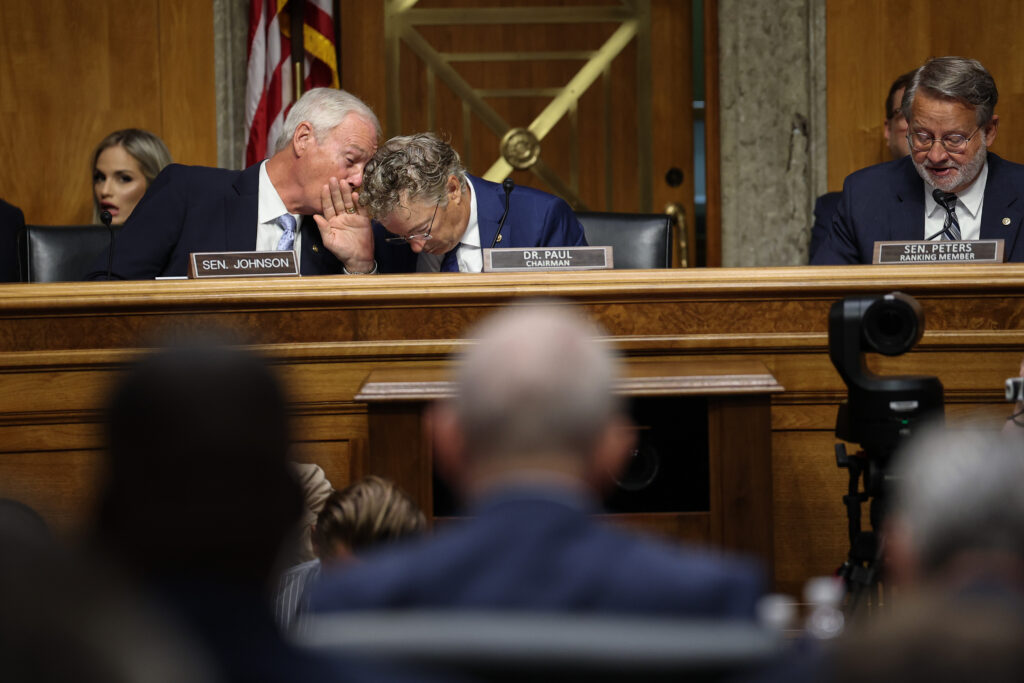
Paul’s committee is set to vote Wednesday on whether to hold Fauci in contempt of Congress, a measure expected to pass with Republican support. Paul has said they will immediately refer the matter to the Justice Department for prosecution.
“I think he’ll be remembered more like a mafia don than a great scientist,” Paul, the chairman of the Senate’s government oversight committee, told podcaster Benny Johnson after last week’s hearing.
Peter Staley, a former adversary turned longtime friend, said Fauci is trying to stick to his routine, taking power walks with his wife and seeing patients at Georgetown University’s hospital.
“He’s not crumbling,” Staley said, invoking “Brooklyn tough,” an expression he said Fauci often uses. “I’m worried for his safety. I’m not worried for his mental state.”
This story is drawn from interviews with 17 friends, critics and former colleagues of Fauci, as well as current administration officials, lawmakers and congressional aides. Through a spokesman, Fauci declined to comment.
Fauci, who led the National Institutes of Health’s infectious-disease work, emerged from the covid-19 pandemic as the face of the government’s response. That perch gave him access to elite social circles, won him accolades and made him a worldwide celebrity — fame that has carried a bitter aftertaste.
He has since been blamed for myriad pandemic-related policies, including decisions that others made but he amplified, such as the CDC’s recommendation to stay six feet apart to minimize virus risks. Activists and lawmakers have said they want to hold Fauci accountable for students’ learning loss, workers’ lost jobs and other harms resulting from covid-related shutdowns.
Some past colleagues have been happy to see Fauci face difficult questions. Several said that his diary shows that Fauci — who details his interactions with reporters and celebrities — was too seduced by his media coverage. They also criticized his efforts to work with NIH grantees to be nominated for prizes, which were detailed in another batch of documents released by Paul.
“This is the Fauci I knew being exposed to the world,” said Chris Meekins, who served as a senior health official in the first Trump administration, and battled with Fauci about vaccine and funding priorities before the pandemic.
Others say Paul and his allies are only seeking to embarrass and damage Fauci after years of battling with him, often in contentious showdowns in the Senate. Paul has contended that last week’s hearing was part of his investigation into the pandemic’s origins, including whether Fauci tried to conceal a possible laboratory leak that may have sparked the outbreak.
“We learned nothing from that hearing,” said Ashish Jha, who led the nation’s covid response under Biden and worked closely with Fauci. “Nothing about the important issues. Nothing about how to prevent the next pandemic. And this kind of vilification will scare people away from public service.”
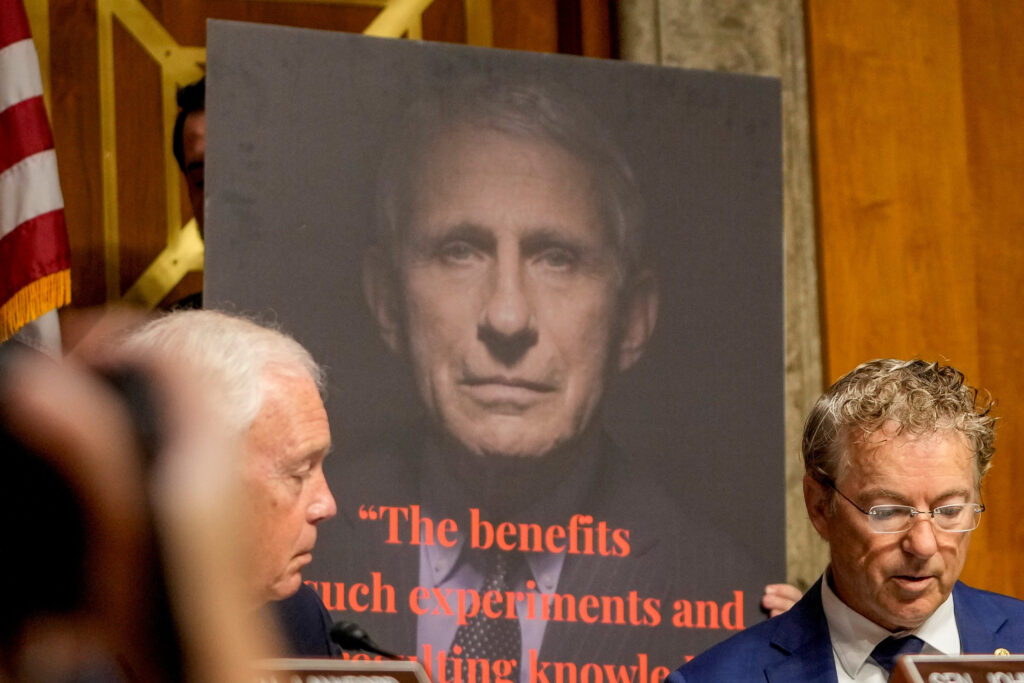
Paul has also said that Fauci’s diary has produced new revelations about his shifting thoughts on the virus’s origins and risks. But the diary generally hews closely to Fauci’s 2024 memoir, “On Call,” and his other past interviews and testimony.
Fauci also sat for 21 hours of interviews with a GOP-led subcommittee in 2024, where he discussed the possible origins of the coronavirus, his private conversations about whether a laboratory leak sparked the outbreak, and other controversial matters. The subcommittee pressed Fauci on whether his agency had inadvertently sparked the pandemic by funding risky coronavirus research in China, a claim he has persistently denied.
Read more Maine’s Democratic Senate candidate touts his rural appeal. His hometown has mixed feelings.
“The journal should have been produced back in 2023 but sitting here in 2026 I am not sure what the entries add to the debate,” Mitch Benzine, who was the GOP subcommittee’s staff director and led the questioning of Fauci, wrote in an email. “Some of the information is new and does add color to Dr. Fauci’s thoughts through the pandemic, but the findings are no different than what we found years ago.”
The subcommittee’s investigation led to one of Fauci’s former aides being arrested earlier this year, an event referenced by Paul and seen as a potential harbinger for Fauci. Justice Department officials say David M. Morens skirted public records laws and hid his communications to thwart inquiries into the origins of the coronavirus pandemic. Fauci has distanced himself from Morens, saying he knew nothing about his actions.
Marc Short, who served as Vice President Mike Pence’s chief of staff, clashed with Fauci over covid restrictions in 2020 and felt the doctor’s advice was frequently wrong. But Short said Fauci’s role in the early coronavirus response is now being distorted, noting that local leaders had significant leeway over how and when to reopen schools and businesses under the Trump administration’s “federalist” approach.
“He’s been made a scapegoat for public health officials who made the wrong decisions,” Short said, recalling a 2020 conversation in which the doctor laid out their different responsibilities.
“‘My job is to tell people how not to get infected. It’s your job to consider all the other factors,’” Short recalled Fauci saying.
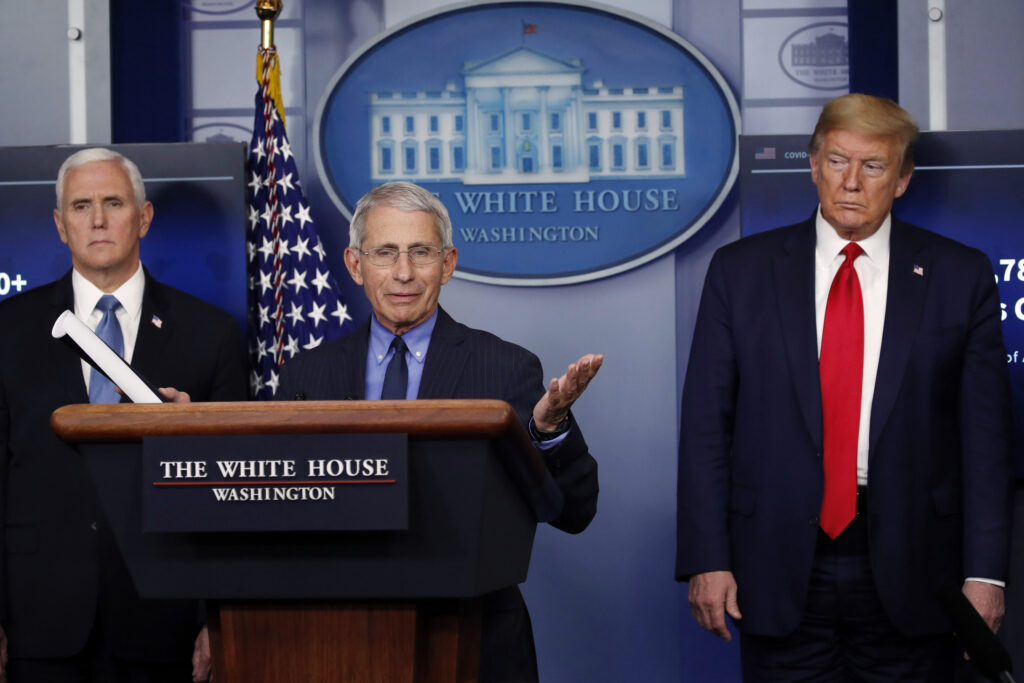
Fauci was a prominent Washington figure, if not a household name, during his nearly four decades leading NIH’s infectious-disease institute. He was repeatedly summoned to the White House to advise presidents about how to handle virus outbreaks and held up as a model for generations of scientists.
Fauci attracted national attention in the 1980s for his work on HIV/AIDS, which initially drew fire from activists such as Staley, who protested outside his office — with mock coffins and an effigy of Fauci — castigating him as a bureaucrat who was doing too little to save lives.
But Fauci won over those critics, convincing them of his sincerity. He also rose in esteem, with scientists and politicians — including many prominent Republicans — touting him as an example of what government could accomplish.
Asked in a 1988 presidential debate to name an inspiring hero, Vice President George H.W. Bush singled out Fauci for his work fighting AIDS. Twenty years later, Bush’s son, President George W. Bush, awarded Fauci the Medal of Freedom for his work as an architect of PEPFAR, a worldwide AIDS relief program credited with saving tens of millions of lives.
Entering 2020, Fauci had kept a diary on his work computer for years — a nightly ritual in which he tracked his day, his dealings and his media appearances as material for a planned memoir, allies said.
Then came the coronavirus, which would kill millions around the world, and transform Fauci’s life. He emerged as the government’s spokesperson across two administrations, initially hailed by Republicans as well as Democrats and seen as a reassuring figure. Trump bestowed one of his highest compliments: Fauci was good on TV.
But as the pandemic stretched on, Fauci’s pessimism and encouragement of strict measures rankled Trump and other administration officials. Parents grew frustrated with school shutdowns. Conservative media increasingly turned on the doctor, and by late 2020, Trump was entertaining chants of “Fire Fauci” at campaign rallies.
“I didn’t mind him, I didn’t find him to be bad personally, as a person,” Trump told “Fox & Friends” last week. “But I didn’t agree with what he was saying or what he was doing.”
Still, Trump awarded Fauci a commendation for his work on Operation Warp Speed, the president’s successful initiative to accelerate development of coronavirus vaccines, before leaving office in January 2021.
The incoming Biden administration, meanwhile, elevated Fauci as President Joe Biden’s chief medical adviser — a political job for the longtime civil servant. Fauci had significant sway over that administration’s coronavirus policies and personnel.
He left government at the end of 2022, wary of looming GOP investigations, and with dwindling popularity.
“It is clear that even with Pro bono considerations that this is going to cost me a lot of money since the GOP has promised that they would make my life miserable and blame me for virtually everything that happened bad to the country during the pandemic,” Fauci wrote in his diary in November 2022.
A few months later, Biden issued Fauci a preemptive pardon on his final day in office. That afternoon, Trump returned to the presidency and swiftly elevated some of Fauci’s critics to key government positions.
Kennedy, who wrote a book about Fauci that the doctor considered slanderous, runs the health department. Jay Bhattacharya, whom Fauci dismissed as a stooge in his diary, now runs NIH. Some of Fauci’s adversaries, such as Trump’s economic adviser Peter Navarro, also rejoined the White House and other agencies.
Trump has said he will not challenge Biden’s pardon of Fauci, but the doctor still faces legal peril. The pardon does not cover events after it was issued on Jan. 20, 2025, and Fauci and his allies worried that if he misspoke at any point to Paul’s panel, he would face perjury charges — a concern that triggered his invocations of the Fifth Amendment. And while Biden’s pardon protects Fauci from federal criminal investigations into his time involved in the nation’s coronavirus response, it did not rule out state prosecution. Florida’s attorney general last week announced a new investigation into Fauci.
Benzine, the former House GOP staffer, said he expects Paul’s committee to find Fauci in contempt this week.
“What comes next is unclear,” Benzine wrote in an email. “What is clear, is that this is not over for Dr. Fauci.”
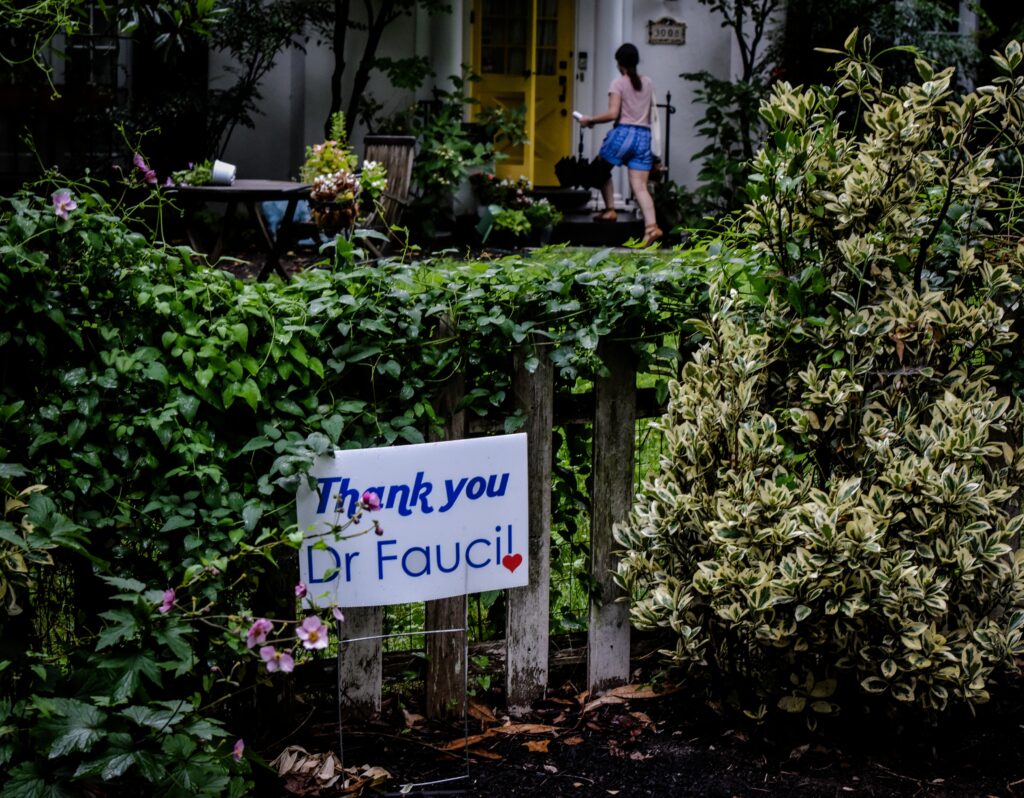
Many Americans have moved on from the depths of the pandemic. Fauci’s neighborhood was once dotted with signs reading, “Thank you Dr. Fauci.” They have long been taken down, and none were newly visible the day after last week’s hearing.
Read more Abdul El-Sayed, accused of sexism, says his contempt is for most everyone