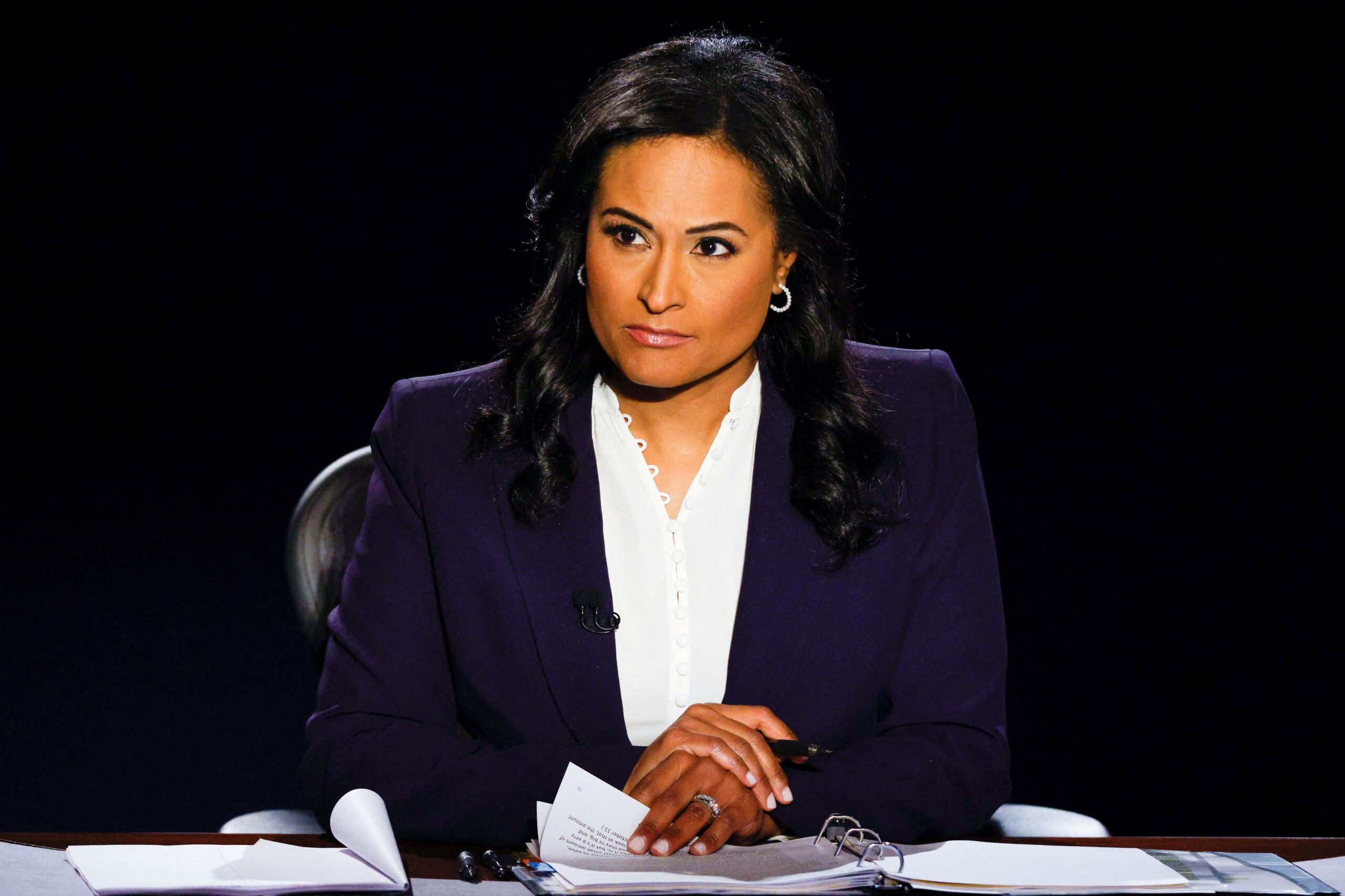
The president’s latest in a string of threats against broadcasters followed a comment by Kristen Welker about “some mixed results” from his midterm endorsements.
Read more Karl Ravech’s last Little call
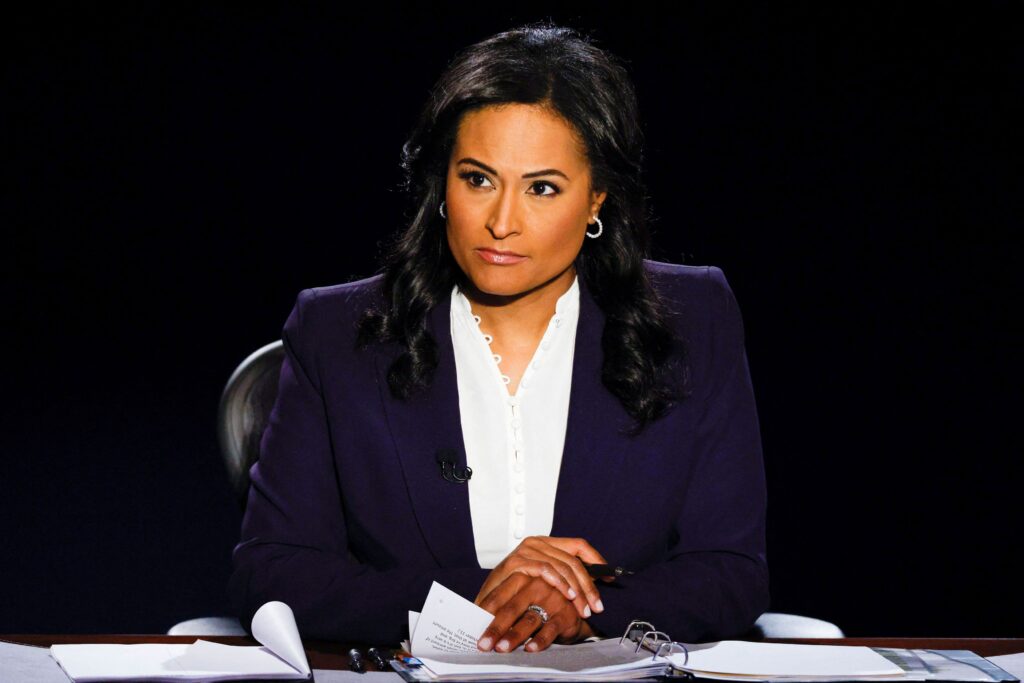
President Donald Trump, angered by a comment that NBC anchor Kristen Welker made about his endorsements in the midterm elections, said Sunday he would report her to the Federal Communications Commission for a “rebuke or punishment” in his latest call for the agency to take action against broadcasters.
Welker, ahead of the airing of her show “Meet the Press,” told NBC D.C. affiliate WRC-TV that Trump is “going to loom large” over the November midterm elections. She noted that he endorsed several candidates in the primaries and said he had “some mixed results.”
Trump took issue with Welker’s characterization, insisting in a Truth Social post that his record of endorsements is, “without question, the strongest Endorsement in the History of Politics.”
“Because of this purposeful inaccuracy, she will be reported to the FCC for rebuke or punishment,” Trump said in a post on Truth Social, saying he hoped its chairman, Brendan Carr, “will take this Threat to our Country very seriously.” In a later post, Trump also complained about polls used by media organizations, without giving details, saying, “FCC TO THE RESCUE!”
Trump’s calls for FCC action are the latest move by his administration to seek investigations and sanctions against journalists and media companies. The FCC did not immediately respond to a request for comment.
In a statement, NBC News said “Kristen is one of the best in the business and we stand by her.”
In the Sunday comments, Welker pointed out that Trump’s most recent pick of Sen. Darline Graham in South Carolina’s GOP Senate primary was successful.
Other major candidates in competitive primaries who won with a Trump endorsement include Texas Attorney General Ken Paxton, who defeated Sen. John Cornyn in the state’s GOP Senate primary, and Julia Letlow, who defeated Sen. Bill Cassidy in the Louisiana GOP primary for the Senate seat.
Read more These Democrats used to be Republicans — and hope that will help them win midterms
Some candidates Trump endorsed lost their primaries. Among them were GOP gubernatorial candidates Burt Jones in Georgia and Randy Feenstra in Iowa, and Rep. Cory Mills (R-Florida), who was seeking reelection.
Carr, who since becoming FCC chairman in Trump’s second term has relished the role of media enforcer, has previously warned that he would deny or revoke government-issued licenses if broadcasters run what the agency deems “fake news.”
Under the Communications Act of 1934, the FCC has the power to issue broadcast licenses, and it has the authority to monitor that licensed stations serve the “public convenience, interest, or necessity.” It can enforce this by enacting broadcast programming restrictions, but it must adhere to First Amendment limitations.
While the FCC has the limited ability to revoke stations’ broadcast licenses, it has not done so in over 40 years, and its powers do not include revoking licenses because of a disagreement over a viewpoint expressed on the station. Experts have said that revoking a license or censuring a news station because the president disagrees with its content would amount to a violation of the First Amendment.
In March, Carr threatened to remove broadcast licenses over news coverage of the U.S.-Israeli war in Iran — a move Trump endorsed.
Last month, the president demanded that ABC and NBC lose their government-issued broadcast licenses because they did not interrupt regularly scheduled programming to air one of his speeches.
The FCC also mounted a separate battle against ABC over the summer after the president criticized the network’s late-night comedy host Jimmy Kimmel.
As the FCC conducted an early review of its eight local broadcast licenses, ABC sued the agency, alleging that the commission’s review is unconstitutional under the First Amendment.
Read more Military leaders warn Hegseth against extending Iran war operations