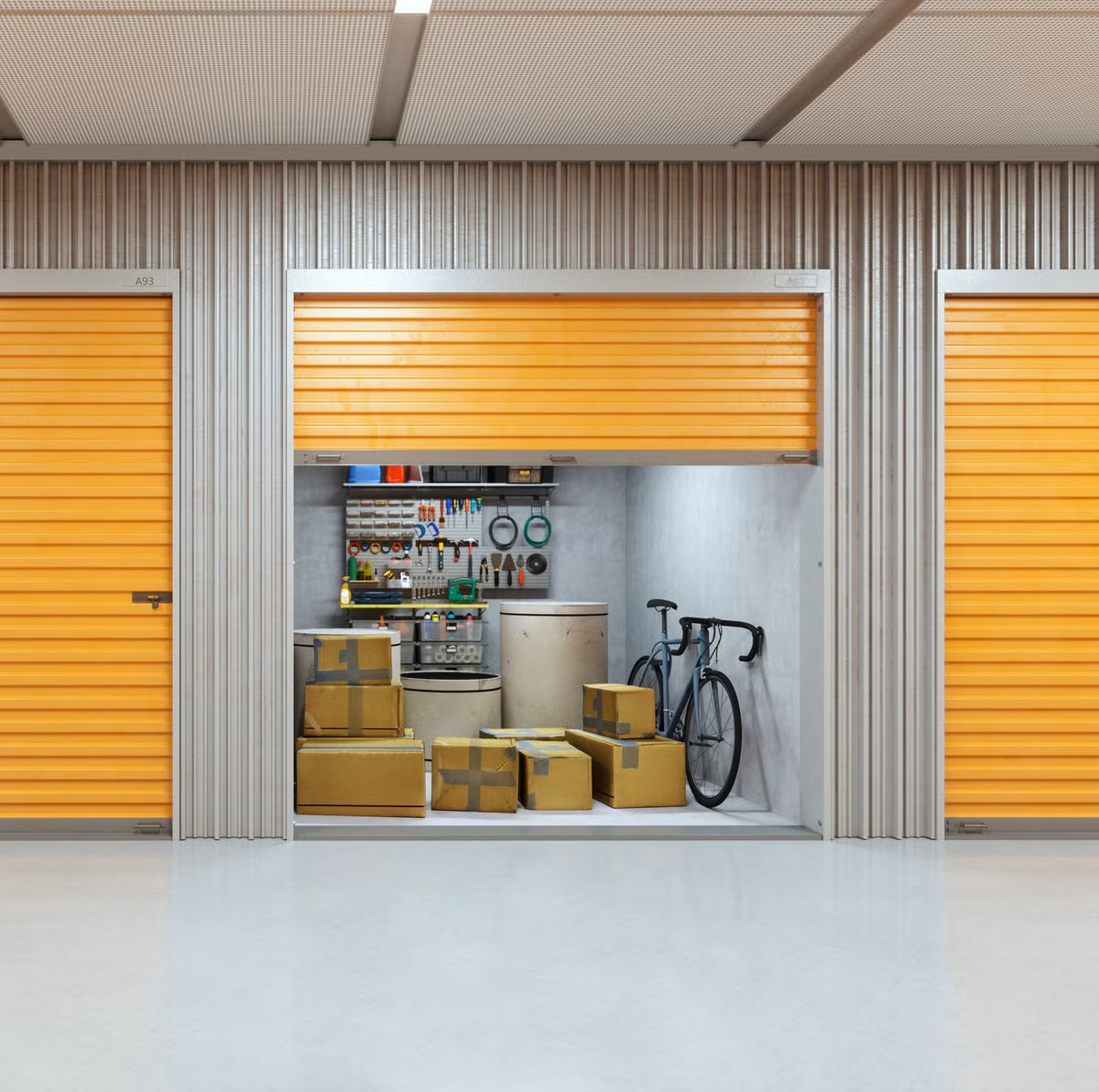
A storage unit can look perfectly organized on the day you fill it. Boxes are stacked, furniture is pushed neatly against the walls, and there seems to be plenty of room.
A few months later, however, finding one particular item can become a completely different experience. A single box may be hidden behind a sofa, seasonal decorations may be buried beneath household goods, and reaching something near the back can require moving half the unit.
Good Storage organization is less about fitting in the maximum number of possessions and more about creating a layout that remains usable.
Decide What Needs the Most Frequent Access
Before moving anything into the unit, make a rough list of the belongings you may need during the storage period.
Seasonal clothing, holiday decorations, documents, business supplies, sports equipment, and household items may have very different access requirements.
Create an Access Hierarchy
Divide possessions into three practical groups:
- Items you may need regularly
- Items you might retrieve occasionally
- Belongings you expect to leave untouched
The first category should receive the easiest locations.
Leave a Walkable Path
One of the most useful decisions you can make is to avoid filling every square foot.
Leave a narrow but practical pathway from the entrance toward the back of the unit. The exact arrangement will depend on the unit’s size and contents, but the principle is simple: you should be able to reach the rear without unloading everything in front of it.
Think Vertically
Use the available height where safe and appropriate.
Stack sturdy, similarly sized boxes carefully rather than allowing random piles to spread across the floor. Keep heavier containers lower and lighter ones higher.
Do not create unstable stacks simply to gain additional space.
Put Large Furniture Around the Perimeter
Furniture can consume valuable floor area while also becoming a barrier.
Where appropriate, place larger pieces along the sides or toward the back of the unit. Sofas, tables, shelving units, and cabinets can create a natural perimeter while leaving central access available.
Protect Furniture Before Stacking Nearby
Use suitable protective materials to reduce exposure to dust and accidental contact.
Do not place heavy boxes directly on delicate furniture surfaces or use valuable pieces as improvised shelving unless the construction is appropriate for that purpose.
Group Boxes by Category
Random placement makes retrieval unnecessarily difficult.
Keep similar possessions together whenever possible. For example, holiday decorations can occupy one section, clothing another, and books or household paperwork another.
This creates zones that are easier to remember.
Use Clear Labels
A label reading “Stuff” is unlikely to help six months later.
Instead, use specific descriptions such as “Winter Clothing,” “Kitchen Appliances,” “Holiday Decorations,” or “Family Photos.”
Write labels on more than one visible side when possible.
Create a Simple Storage Map
A basic diagram can save significant time.
Sketch the unit and mark major zones or large pieces of furniture. You do not need an elaborate floor plan.
Photograph the Finished Layout
Take several pictures immediately after the unit is organized.
A quick visual reference can help you remember where a particular category was placed without opening multiple boxes.
Keep the photographs with your digital household records.
Keep Important Items Away From the Back
Documents, small valuables, frequently used equipment, and other possessions you may need should not disappear behind a wall of furniture.
If an item is important enough that you might need it unexpectedly, give it a location that can be reached without major rearrangement.
Create a Small “Access First” Zone
Place a few high-priority boxes near the entrance.
This makes short visits more efficient and reduces the temptation to move unrelated belongings just to retrieve one container.
Be Careful With Fragile Possessions
Boxes containing glassware, artwork, electronics, collectibles, and other delicate items should be identified clearly.
Avoid placing heavy containers above them.
If a fragile item requires a particular orientation, mark the box accordingly and make sure its position in the unit does not contradict those instructions.
Keep Frequently Used Equipment Convenient
If you are storing bicycles, tools, sports equipment, or other items that may come out periodically, place them where they can be removed without dismantling the rest of the unit.
Storage works best when the layout reflects actual usage patterns.
Don’t Forget the Smallest Items
Small possessions are often the hardest to locate.
Use labeled containers for cables, hardware, household accessories, seasonal decorations, and other loose pieces.
Keep related components together rather than distributing them across unrelated boxes.
Maintain a Retrieval List
For a larger unit, create a simple inventory noting box numbers and contents.
For example, “Box 12 — winter coats” is considerably more useful than “Box 12 — bedroom.”
Keep a Little Empty Space
An entirely packed unit leaves no room for future changes.
If you expect to add belongings later, reserve an area for them. Even if the unit will remain unchanged, some open space makes inspection and retrieval considerably easier.
Revisit the Layout When Your Needs Change
Storage organization should not be considered permanent.
If you repeatedly retrieve items from one category, move that category closer to the entrance. If something has not been touched for a long period, it can potentially be relocated toward the rear.
Avoid Creating a Permanent Maze
Every rearrangement should improve access rather than simply shifting the problem to another corner.
Before moving a heavy item, consider whether its new position will make future retrieval easier or harder.
Make Every Visit Count
A well-organized Storage unit saves more than floor space—it saves time.
Plan the layout before loading, leave a usable pathway, group similar belongings, label boxes precisely, protect furniture, document the arrangement, and keep frequently needed possessions accessible.
Price Movers provides moving and storage solutions for households managing belongings between homes or during periods of transition. More information is available at https://pricemovers.com/.
When the day comes to retrieve one particular box, a thoughtful layout means you can walk in, find it, and walk out without turning the entire unit upside down.