How Texas Republicans abandoned their immigrant-welcoming tradition.
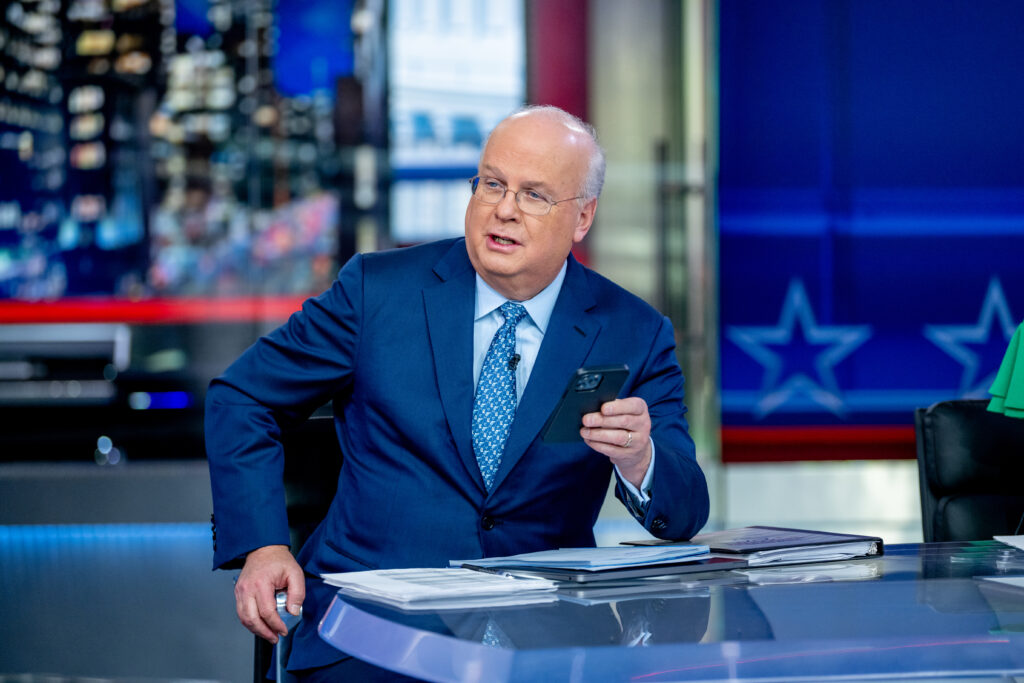
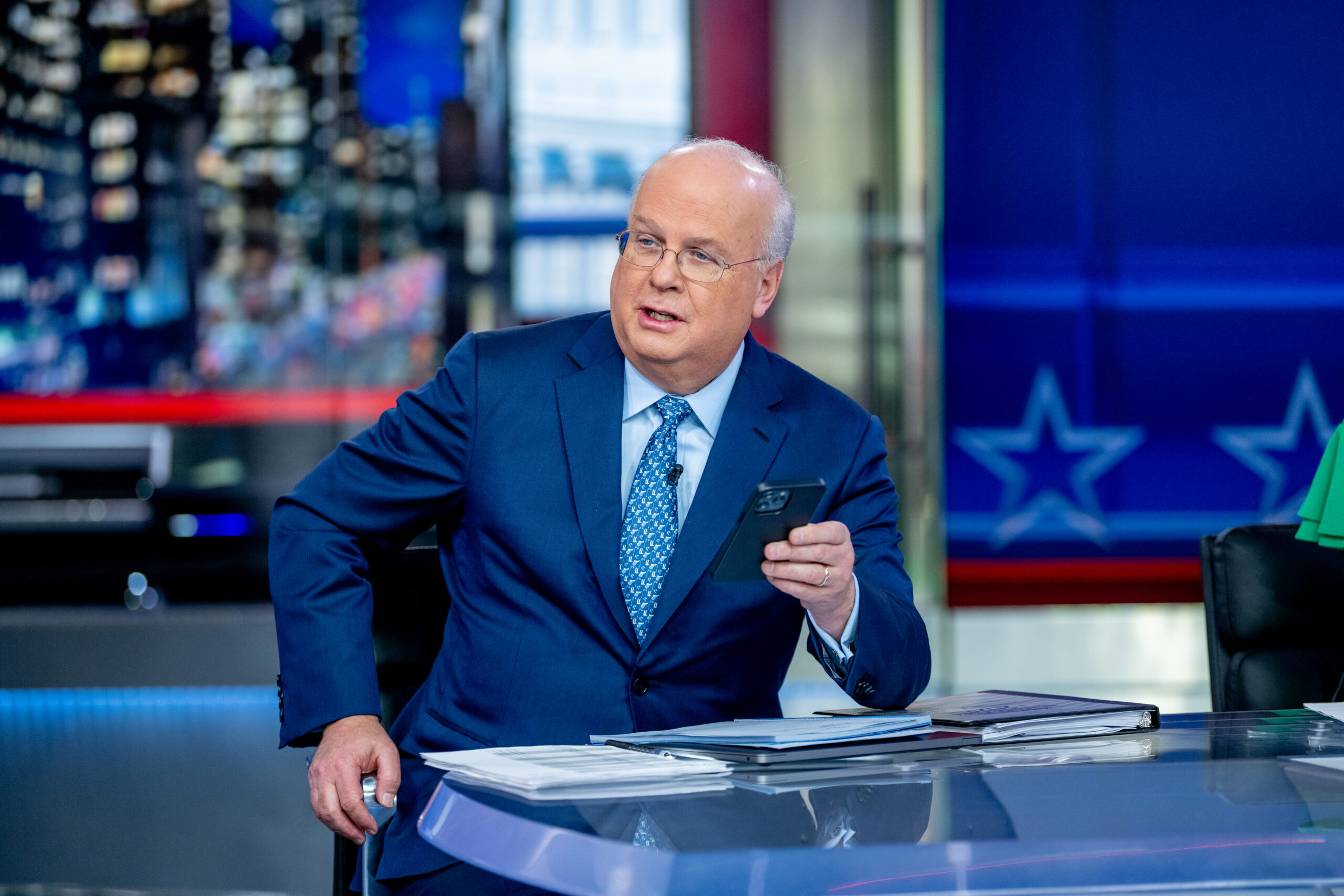
Legendary Republican operative Karl Rove has said that he plans to do something in November that, for him, is radical: For the first time since 1994, he will vote for a Democrat.
Read more Democrats demand to know where Venezuelan oil revenue is going
His reason, as Rove explained in his Wall Street Journal column Wednesday, is the unsubtle racism and nativism regularly expressed by Bo French, the GOP’s nominee for a seat on the powerful Texas Railroad Commission, which regulates the oil and gas industry.
The final straw for Rove was when, after the University of Texas at Austin’s stunning win Saturday night over top-ranked Ohio State, French posted a photo of jubilant brown-skinned students celebrating and wrote: “I heard UT graduation this year looked like this. I didn’t believe it. The problem is now obviously far worse than anyone imagined.”
Rove wrote: “These people are diminishing the Republican Party, not building it. I’ll have no part of it.” So he will vote for Democrat Jon Rosenthal.
French’s comment brought denunciations from many Texas Republicans, including the state’s lame-duck U.S. senator John Cornyn. But two powerful and influential party leaders, both of whom are on the ballot this year, were notable for their refusal to condemn French.
Gov. Greg Abbott, without addressing French’s comment directly, issued a statement saying it was “not my message,” but also boasted that Texas leads the country in having “the toughest immigration laws of any state in America and freezing H1B visas at our universities.”
Attorney General Ken Paxton, who trounced Cornyn in the U.S. Senate primary, responded by accusing his Democratic opponent, state Rep. James Talarico, of racism.
Rove would understand better than most that the modern Republican Party in Texas did not start out this way. Nor did it reach this point overnight.
He is best known as George W. Bush’s bare-knuckled chief political strategist, whom Bush credited in his presidential reelection victory speech as “the architect.” But starting decades before that, Rove was instrumental in making Texas the Republican stronghold it is today.
When Rove arrived in the Lone Star State from Virginia as a direct-mail consultant in late 1970s, the GOP held exactly one statewide office. By the time he left for Washington with Bush in 2001, Republicans were sitting in all 29 of those positions. Most of those officials — including the governor, lieutenant governor and both senators — had at one time or another employed Rove.
But where Bush and Rove espoused “compassionate conservatism” as their brand of politics, the party they left behind in Texas has since taken hard turns to the right — nowhere more drastically than on immigration.
Texas traditionally took a live-and-let-live attitude toward peaceful residents who were living without documentation in their midst. Illegal immigration helped shape the state’s culture and drive its economy.
Read more Poll finds close Michigan Senate race. Here’s how El-Sayed lags his party.
In 2001, for instance, Texas had passed a first-in-the-nation law allowing qualified undocumented residents who had lived and attended high school in Texas to pay lower in-state tuition rates at state colleges. The law’s passage had the support of virtually the entire legislature, including all but two Republicans in the House and three in the Senate.
“We must say to every Texas child learning in a Texas classroom, ‘We don’t care where you come from, but where you are going, and we are going to do everything we can to help you get there.’ And that vision must include the children of undocumented workers,” then-Gov. Rick Perry said several months later.
When Perry was running for the 2012 Republican presidential nomination, he touted the in-state tuition law and said of his opponents, led by eventual nominee Mitt Romney, who criticized it: “I don’t think you have a heart.”
However, that law went by the wayside in 2025, when President Donald Trump’s Justice Department filed a lawsuit against it, which was quickly and enthusiastically joined by the state.
“Today, I entered a joint motion along with the Trump Administration opposing a law that unconstitutionally and unlawfully gave benefits to illegal aliens that were not available to American citizens,” Paxton said in a statement at the time. “Ending this discriminatory and un-American provision is a major victory for Texas.”
Nor was that the only question on which Texas Republicans took a U-turn with regard to immigration. In 2012, for instance, the state party adopted as part of its platform a business-backed “Texas solution” calling for a national guest-worker program. At its convention two years later, the party voted to remove that plank.
Alarm over illegal immigration grew in Texas with the rise of the tea party movement a decade and a half ago, and increased drug-gang violence on the border. It was fanned by Trump and by the Biden administration’s inaction regarding the massive influx of migrants that sparked chaos on the border during its watch.
But as the issue moved to the forefront, so did toleration of what would earlier have been denounced as bigotry and xenophobia. “The GOP has a growing number of Bo Frenches — and not only in Texas,” Rove wrote.
Ironically, the University of Texas at Austin (an institution of which French and I are alumni) has moved toward becoming more of a meritocracy. Under its current policy, students who graduate in the top 5 percent of Texas high school classes are automatically admitted.
So the celebrating Longhorn fans to whom French pointed are among the state’s best and brightest. They are also part of the hope for its future.
Read more As warnings mount, Democrats eyeing the presidency wake up to AI fears