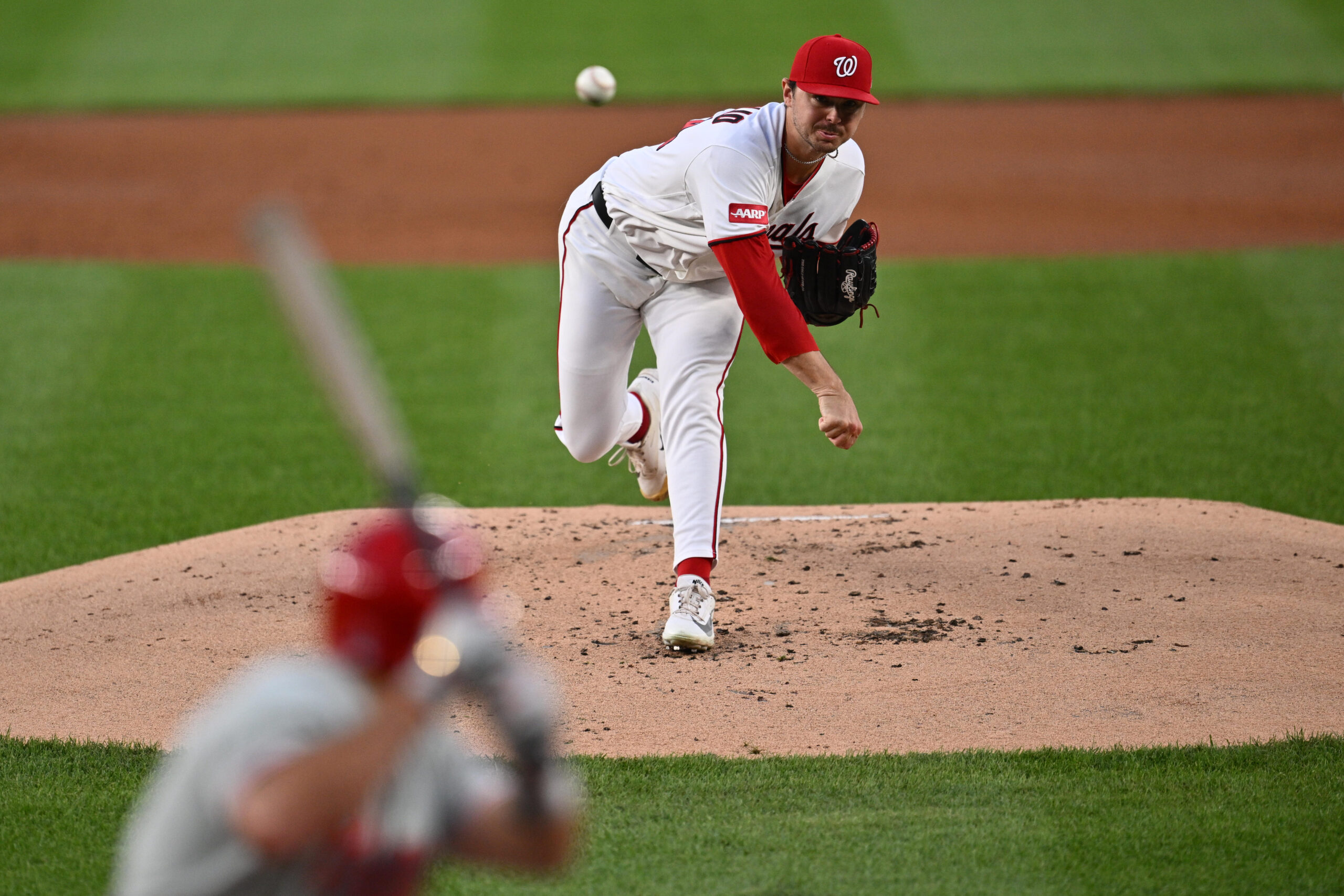
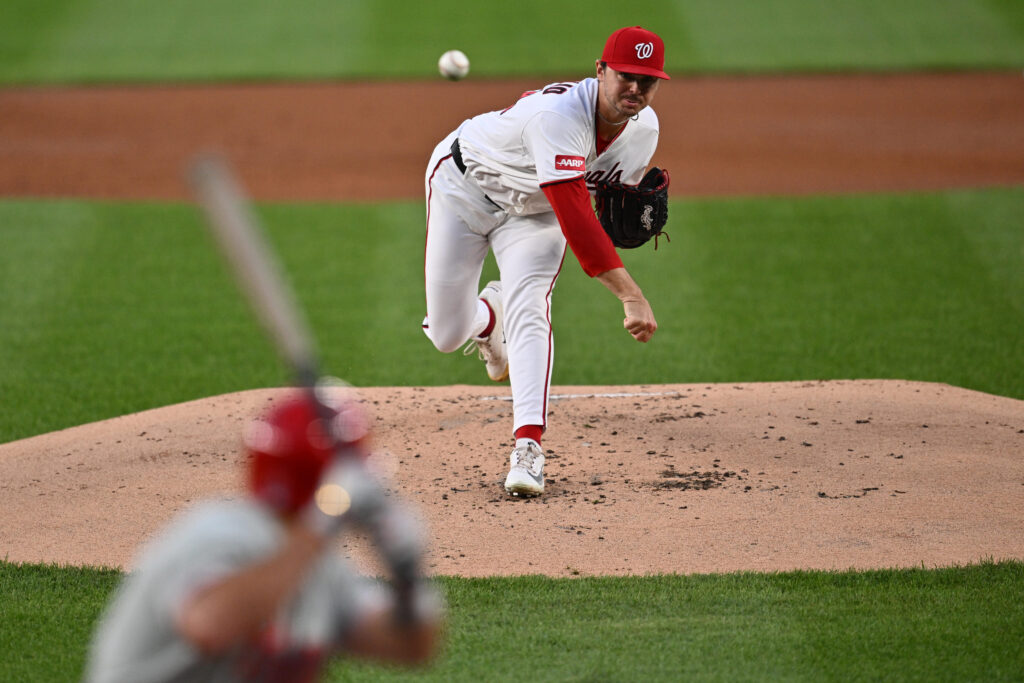
With nine games left, the Washington Nationals have little left to prove. They secured their sixth consecutive losing season with a 3-0 loss to the Philadelphia Phillies on Wednesday and have already been eliminated from the playoffs.
Read more For now, Pentagon plan for testosterone testing will apply to male troops only
The focus is on the future now, with the team hoping to set itself up for a better 2027. Naturally, the Nationals are evaluating the talent in their system to see who will be a part of the team moving forward.
These final nine games are crunch time for those on the fringe. Here’s who can use this last stretch to make a final push and prove they belong.
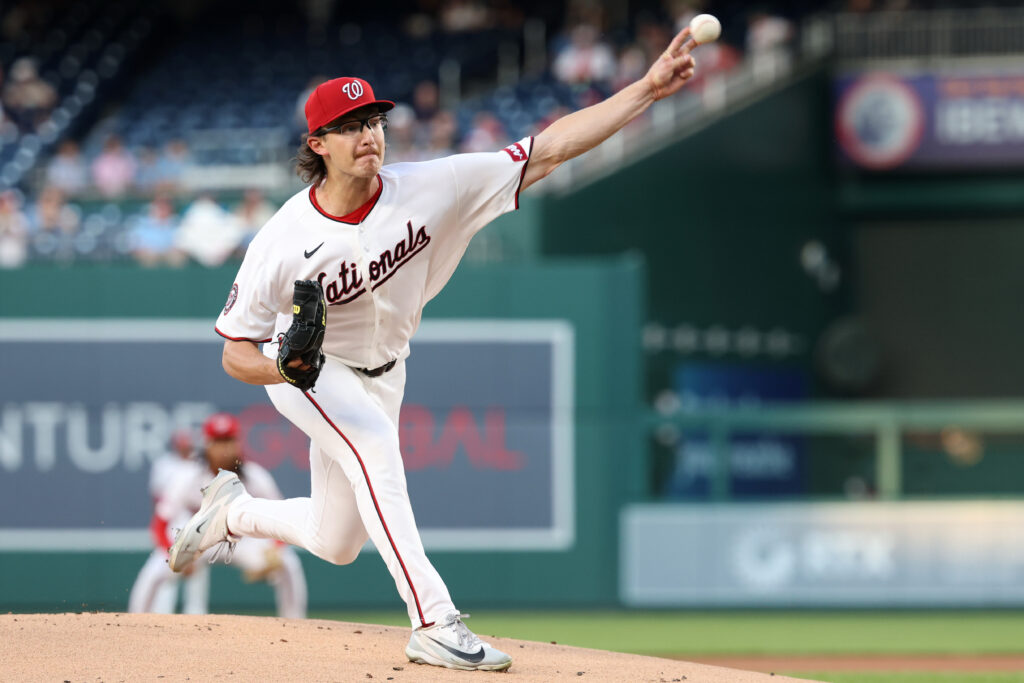
Rookie relievers: Riley Cornelio, Yovanny Cruz, Will Dion, Luis Perales, Jared Simpson, Jack Sinclair and Erik Tolman
Seven out of the nine members of the bullpen are rookies, with four making their major league debuts in the last month.
Realistically, if the Nationals’ front office does its job this winter, there isn’t room for all of them on the roster next year. But they all are in the hunt, and having players with options available is a benefit to major league bullpens.
Of the lot, Dion has the most experience with a whopping 43⅔ major league innings. He’s returned to reality after beginning his Nationals tenure with five scoreless outings but still brings value with his ability to throw up to 60 pitches.
Cornelio falls into a similar category as another minor league starter who transitioned to a bullpen role ahead of his debuts. Cornelio has shown promise since his first game, April 24, which also happened to be his first time pitching in relief (a decision Manager Blake Butera now considers to be a mistake). Cornelio has thrown three consecutive scoreless outings.
The Nationals probably don’t need Cornelio and Dion in their bullpen at the same time, especially if they plan to keep Brad Lord, who can also pitch in bulk. But Lord, too, has options and can be bumped if Cornelio or Dion outpitch him.
Cruz came armed with a 100 mph sinker when he was acquired from the New York Yankees at the deadline. But he wasn’t using it that often, instead opting to focus heavily on his slider. The Nationals optioned Cruz two weeks after acquiring him with the directive to get comfortable adding his sinker into his arsenal. They see him as a high-leverage reliever, and to be one he can’t throw five straight sliders.
They called him back up Sept. 7, and he used the sinker eight times Tuesday in 1⅔ scoreless innings against the Phillies. He should be in contention this spring for a roster spot, if he’s able to continue to evolve that pitch.
Read more His father led Washington to a Super Bowl. Now, he coaches the Commanders’ star QB.
Perales, like Cruz, has high velocity. Perales, though, is still struggling with command — his WHIP is 2.23 — and will need to show real improvement over these next nine games.
Tolman, Simpson and Sinclair round out the group.
Of the trio, Tolman has impressed the most, so much so that Butera has turned to him as his de facto closer. Tolman’s injury-riddled past, which includes two Tommy John surgeries and a near leg amputation after his cleat got caught in the turf in 2023, has taught him to deal with adversity. He’s not afraid of the challenge of the ninth inning; he’s already overcome far bigger feats and has three saves in his first month as a major leaguer.
The Nationals did not name a designated closer this season — that would have required someone being worthy of that title. Clayton Beeter was the closest thing they had, but he’s since been optioned to Class AAA. If Tolman can prove he can handle the ninth inning, Butera will keep giving it to him. Closers cost money on the open market, and if the Nationals have one already in their system, it’s all the better for them.
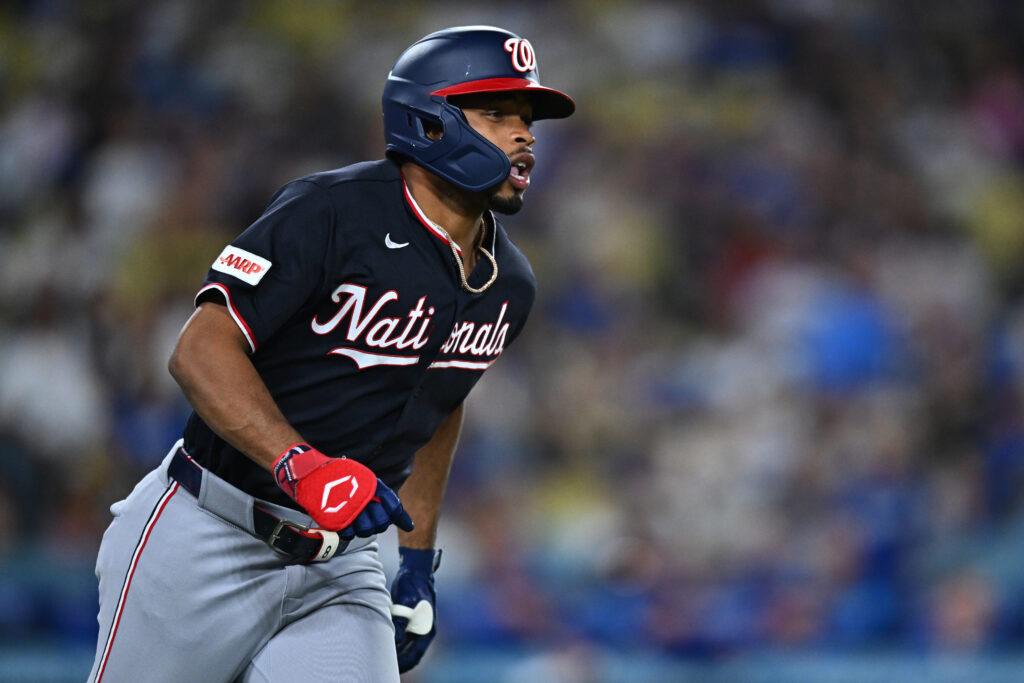
Preparing for position battles: Jorbit Vivas, José Tena and Nasim Nuñez
The Nationals’ outfield is probably set next year with Dylan Crews, James Wood, Jacob Young and Daylen Lile. But the infield? That’s up in the air. And while everyone on the list above has spent the entire season in the majors, their spots still aren’t secure.
Seaver King, the Nationals’ No. 4 prospect, could be ready next season, potentially making the services of Vivas, Tena or Nuñez unneeded. Nuñez is considered one of the best defenders in the organization but holds just a .212 batting average with a .540 OPS. King can also play shortstop or second, and his bat has far more potential than Nuñez’s.
Vivas and Tena provide defensive versatility, with Vivas able to play second and third and Tena suitable at those spots (plus sporadically in the outfield). But if there’s an infield crunch next year, they’ll need to show they can add more value — and Vivas, who is 6 for 20 with 4 RBI in his past seven games, is doing that as of late.
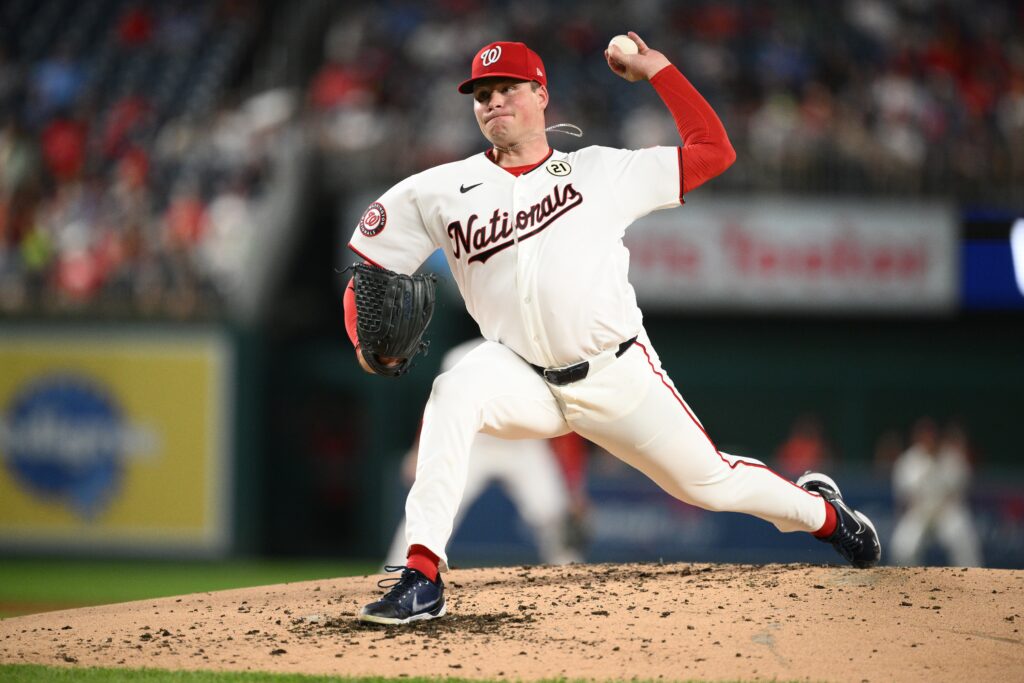
Starting pitchers: Jackson Kent, Josiah Gray, Connelly Early and DJ Herz
Kent has made seven major league starts, pitching to a 6.40 ERA. Putting guys away has been a challenge, and his walk rate per nine innings is more than double what it was in the minors. He needs to show in his final starts that he can lower that.
For Gray, Early and Herz, their goal is straightforward: to finish the season healthy. Gray, a 2023 all-star, was activated Thursday for his season debut. Whether the others make a major league appearance or not, going into the offseason without any injury concerns and setting themselves up for a normal spring training is the priority.
Gray and Herz haven’t pitched in a major league game since 2024 after both underwent Tommy John surgeries and suffered multiple setbacks. Early, acquired from the Boston Red Sox in exchange for Curtis Mead in July, has been out since July 1 with left elbow inflammation.
Read more Congress is getting older, and Americans aren’t happy