The legislation would authorize a huge rise in defense spending but also check the Pentagon’s cuts to its troop levels in Europe.
Read more Coco Gauff involved in ‘mini car accident’ on her way to French Open match, still gets win
The Republican-led House Armed Services Committee introduced the first draft of its marquee defense policy bill Tuesday, authorizing a record $1.14 trillion in military spending for the coming fiscal year.
The bill, which at this stage serves as an outline of committee leadership’s priorities, mostly focuses on measures to grow the U.S. defense industry — a goal that has grown more urgent as the Pentagon seeks to replace the thousands of munitions it has fired during the Iran war.
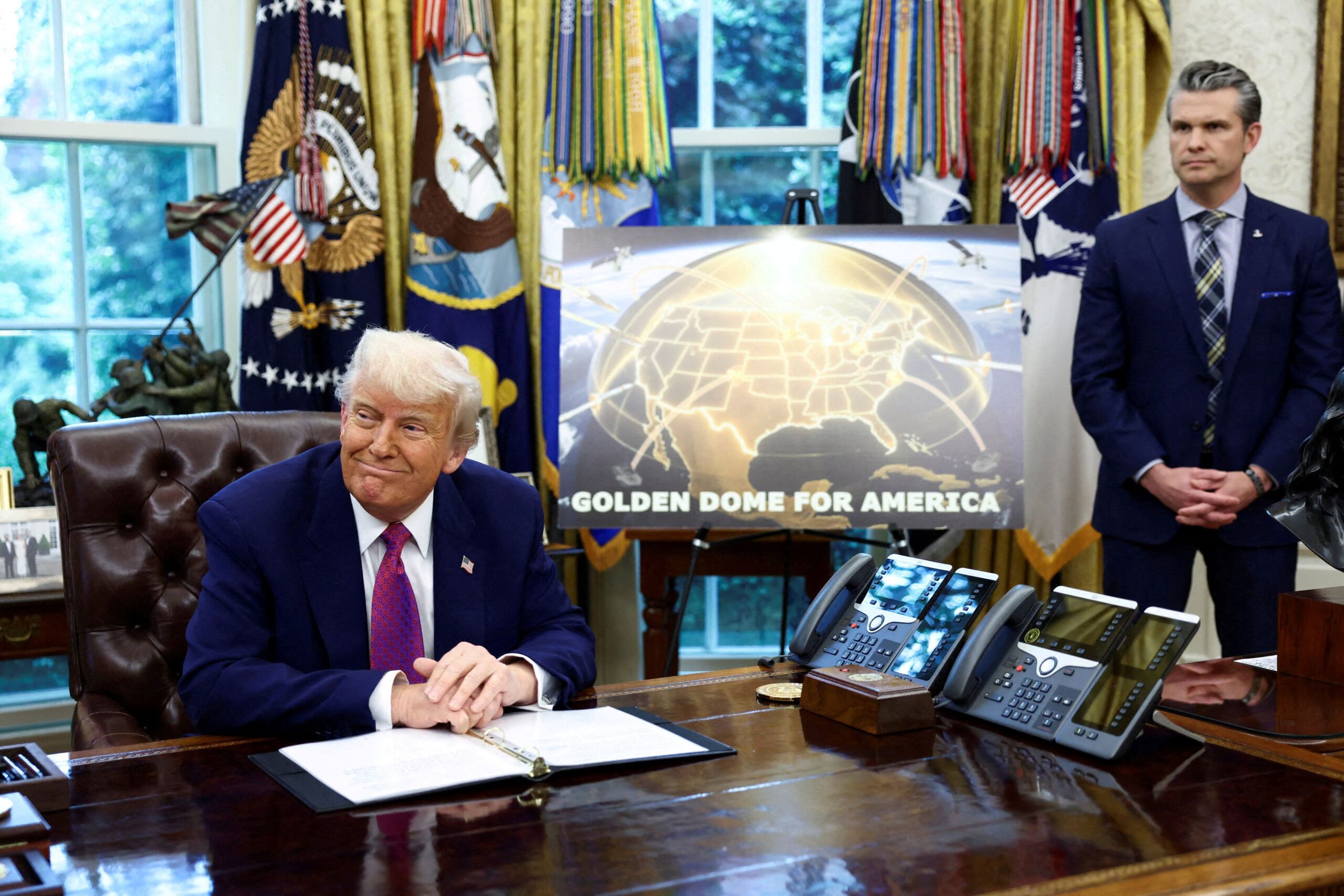
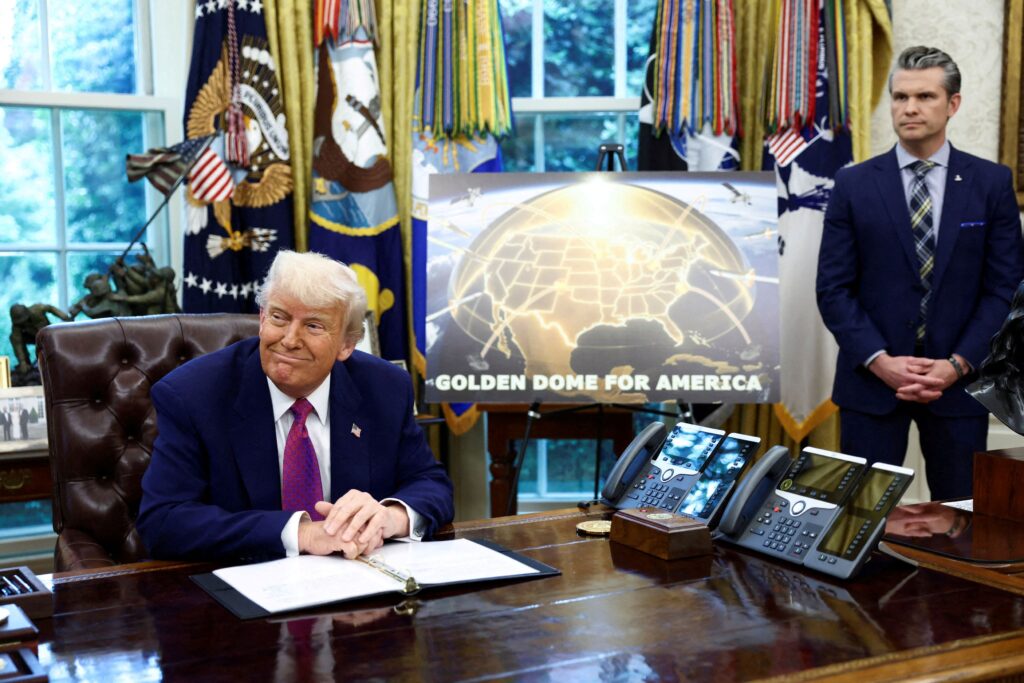
The vast sum of money is consistent with President Donald Trump’s call for $1.5 trillion in defense spending to rapidly expand the Pentagon’s arsenal of precision weapons and fund signature Trump projects, such as the Golden Dome missile defense shield and a fleet of battleships for the Navy.
At the administration’s urging, Republicans in Congress plan to split the annual defense budget into two bills, with another $350 billion in proposed spending — for administration priorities such as shipbuilding and munitions — to be debated and voted on separately through a process called reconciliation. This approach could allow the GOP to pass the $350 billion package without the support of Democrats in the Senate, which otherwise requires a 60-vote threshold for legislation to be approved.
Some Republicans have publicly questioned the administration’s strategy, arguing that a reconciliation package faces a greater chance of failing than the annual Pentagon budget does, potentially jeopardizing important military programs.
Senate lawmakers are expected to introduce their version of the bill later this summer. Each chamber will have to pass its own legislation and then reconcile the two bills into a single piece of legislation to be approved later this year.
The bill arrives at a moment of intense bipartisan frustration with the Trump administration’s efforts to reduce America’s military presence in Europe. Democrats and many Republicans have criticized the Pentagon for cutting its number of troops on the continent as Russia continues its full-scale invasion of Ukraine, now in its fifth year.
Read more RFK Jr. is now handling snakes. What does this mean?
Earlier in May, the Pentagon announced it would withdraw 5,000 troops from Germany after Chancellor Friedrich Merz said Iran had “humiliated” Washington during negotiations to end the war.
The Defense Department later abruptly canceled the deployment of an Army brigade to Poland — prompting outcry from congressional Republicans before Trump said that he would send an additional 5,000 troops to the country.
The House bill introduced Tuesday includes language, first approved by Congress last year, that requires the Defense Department to submit a detailed risk assessment before pulling troop levels in Europe below 76,000.
The House bill would also require the Pentagon to certify that any additional forces to be withdrawn couldn’t instead be shifted to NATO’s eastern flank, where Republican lawmakers have argued they could better deter Russia from attacking NATO territory.
A senior Republican aide, speaking on the condition of anonymity under the committee’s ground rules, said that the Pentagon’s recent moves had not dropped below the 76,000 floor.
But the staffer predicted that the full committee, which will meet next week to vote on amendments to the bill, may add more “teeth” to the provisions introduced Tuesday.
“A lot of members feel very strongly about European force posture,” the aide said.
Read more Morocco’s Hakimi among 9 picked for World Cup returning from historic 2022 squad