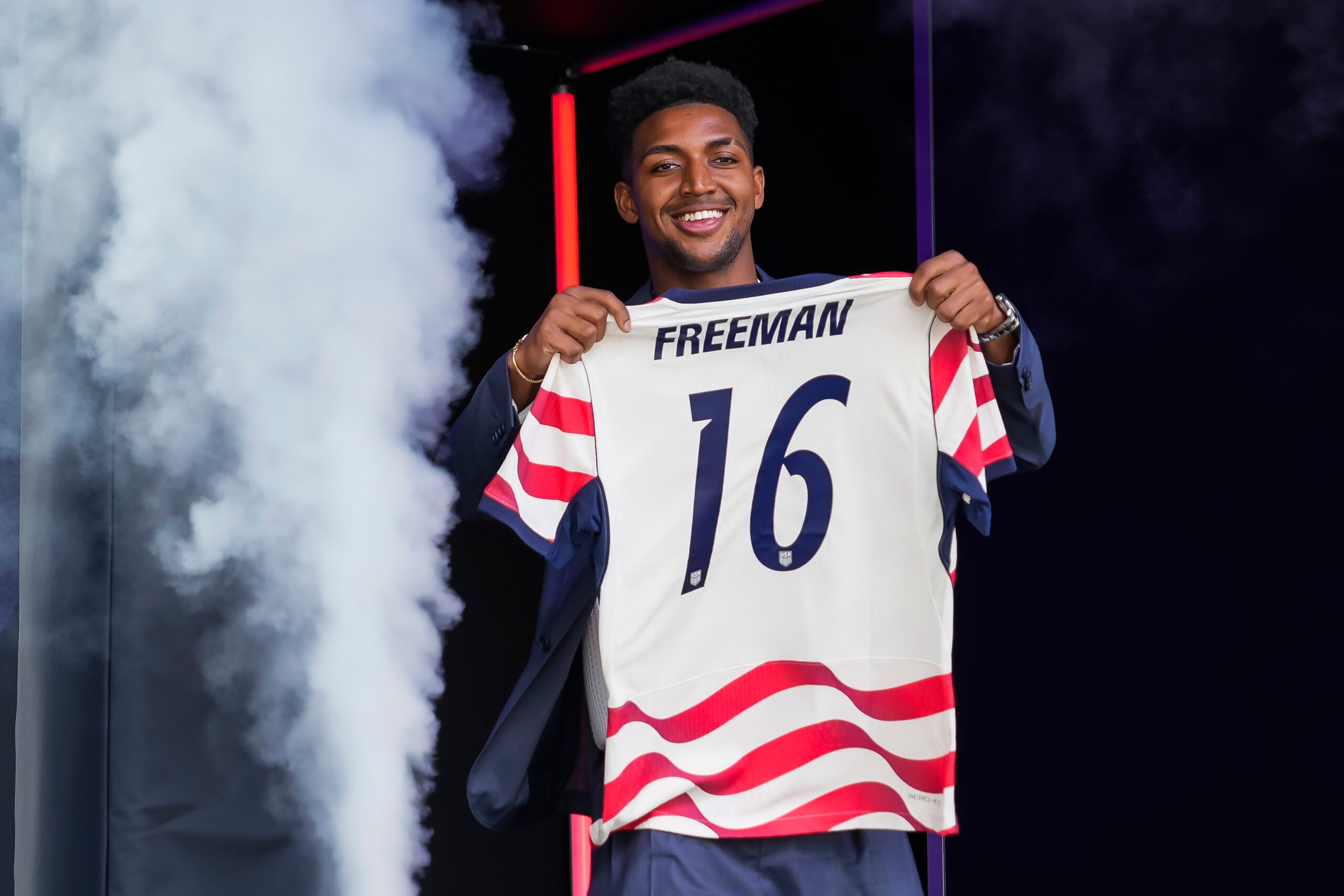
U.S. defender was spared the Junior moniker in an effort to avoid expectations. The attention found him anyway, and now he’s playing in the World Cup.
Read more With depth and some ‘rage baiting,’ U.S. advances to World Cup knockout round
Nearly 30 years before the prodigious young soccer player made his mark on this World Cup, the Freeman name flashed across a Seattle scoreboard after a productive day in another kind of football.
Antonio Freeman caught two touchdown passes for the Green Bay Packers against the Seattle Seahawks in September 1996, an early step in a season that would end with a Super Bowl title. His name was stitched across the back of NFL jerseys, announced in stadiums and splashed across “SportsCenter” highlights — tied to production, promise and the possibility of a championship.
On Friday afternoon, in the same city but a different kind of football, his son put the Freeman name back on scoreboard — and helped push the U.S. men’s national team into the World Cup knockout round.
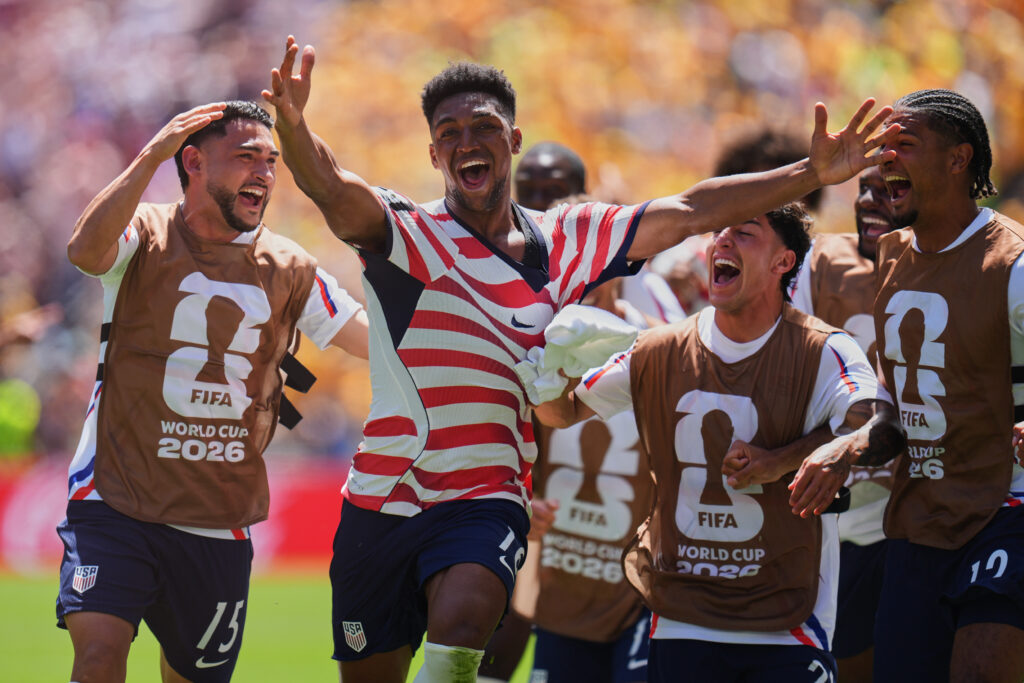
Alex Freeman’s first-half header in a 2-0 win over Australia did more than help the Americans secure a place in the knockout round. It offered a preview. Here was a 21-year-old defender who was nowhere near this stage four years ago, barely in the national team picture a year ago and now looked less like a surprise roster pick than a player the U.S. needs to make a deeper run through this tournament.
The goal was a scrappy, close-range finish, initially waved off for offside, then restored after video review. When it finally counted, the U.S. bench emptied and swarmed the youngest player on the roster.
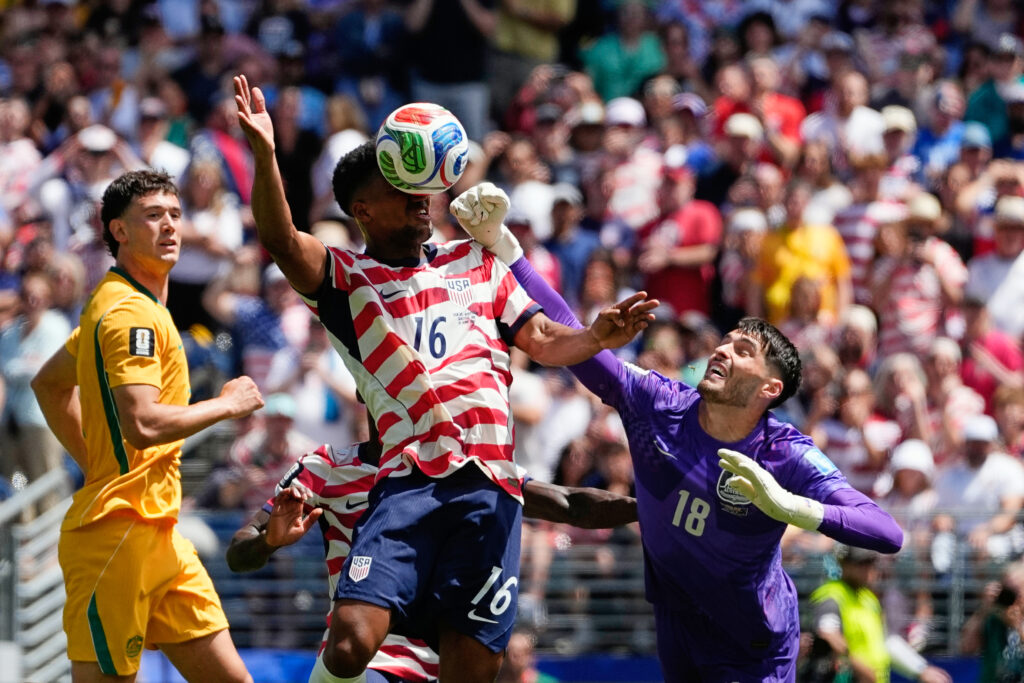
For Freeman, the moment carried more than tournament significance. Asked afterward about scoring in Seattle, where his father once did, he called it a “full-circle family moment.”
“I think, for me, it just shows how great the family tree is,” Freeman said. “He can be great, but I can be great in my own way as well. And I think it just shows how amazing it is to have a dad who’s successful and that can mentor me to be able to be ready for moments like these.”
The family name has always meant something. Antonio Freeman was a nine-year NFL veteran, a member of the Packers Hall of Fame and a Super Bowl champion. He knew what it weighed. So when his son was born, the preferred choice — Antonio Freeman Jr. — was also the most complicated one.
He wanted it. But then thought better of it.
Alex’s parents decided the name carried too much pressure, too much of someone else’s career and story. Their son should not enter the world already being measured against a father who had played on football’s biggest stage.
So they named him Alex.
But the pressure found him anyway. It followed him as the son of a Super Bowl champion who chose a different kind of football, through a rise that took him from Orlando City’s academy to Villarreal to the U.S. World Cup roster in a blur. And on Friday in Seattle, after his header helped send the Americans into the knockout round, it looked less like a burden than something he had learned to carry.
Freeman’s rise has been sudden enough that even those closest to him are still processing it. Antonio has felt the change.
“Before it was, ‘Hey, it’s Antonio Freeman, congratulations on a great career,’” he said in an interview. “And now it’s, ‘Hey, congratulations to your son.’ So that’s a good transition. And it’s healthy, and man, I love it.”
The U.S. will close the group stage Thursday against Turkey in Inglewood, California, already assured of a place in the knockout round. Its first two matches have offered proof of the collective that Coach Mauricio Pochettino has preached since taking over the program, but Freeman has quickly become one of the Americans’ more useful pieces. After entering the tournament as its youngest player and one of its most sudden arrivals, he has already helped define the U.S. start — not just with his goal, but with the versatility and composure that could matter even more as the tournament tightens.
“He’s doing a fantastic job,” Pochettino said after Friday’s win. “The evolution is massive. He’s a humble guy. He’s an amazing profile. He wants to learn, he always listens.”
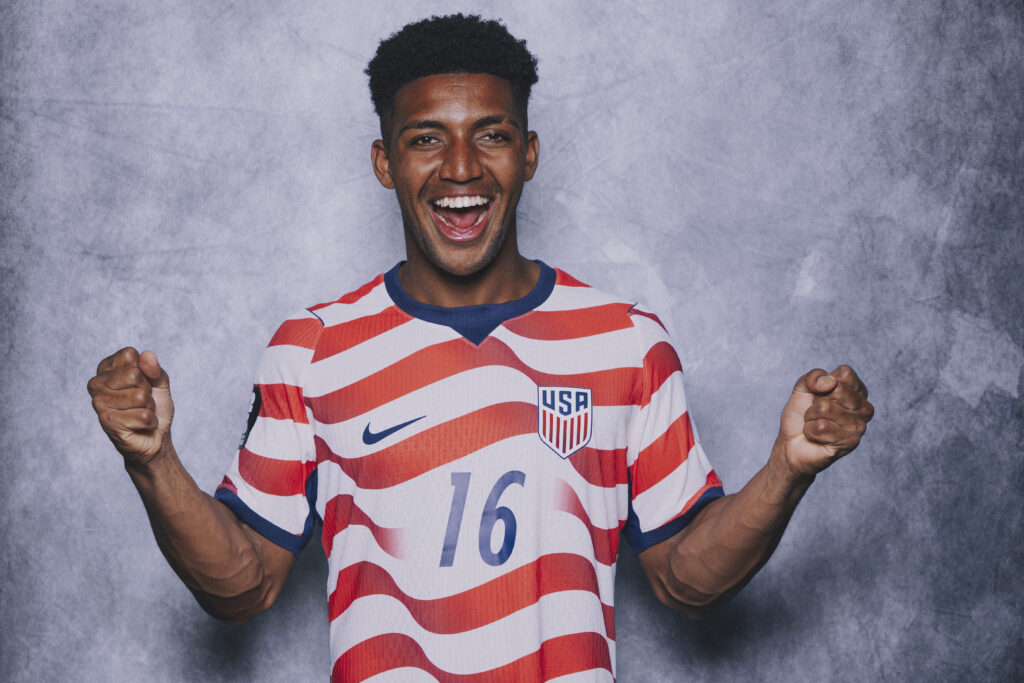
On Friday in Seattle, after Freeman’s header sent the U.S. bench spilling onto the field in delayed celebration, the pressure looked less like a burden than something he had spent a lifetime learning to carry.
Antonio first saw the World Cup stage come into view just a few weeks earlier, in a quieter moment in Spain. He was visiting his son after Freeman’s move to Villarreal, father and son awaiting news of the U.S. summer roster. Alex came home from practice and pulled up his iPad. Then they both saw a familiar name appear: Coach P.
Both men’s eyes widened. Pochettino had sent a message telling Freeman that he had made the squad. Antonio, who once knew what it felt like to be the athlete receiving the congratulations, suddenly found himself in a different role: an overwhelmed parent watching his son step onto his own stage.
“I ran around acting crazy,” Antonio said. “I just really was in a shocked mood. I really didn’t know what to do but to be silly and give him a hug.”
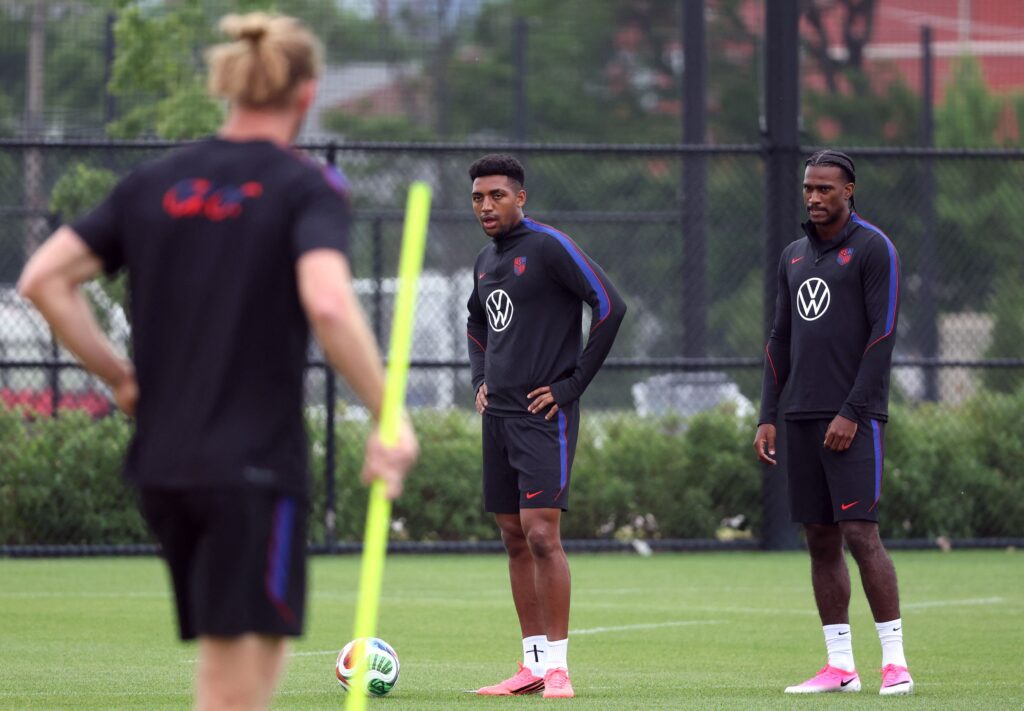
For the U.S., Freeman’s emergence is more than a sweet father-son story. A deep American run will require stars such as Christian Pulisic and Folarin Balogun to shape games. But Freeman has shown why the supporting pieces could matter just as much. He can play right back. He can move more centrally. He could be asked to operate alongside veterans such as Tim Ream and Chris Richards, using his athleticism, composure and versatility to help solve whatever problems the tournament presents.
Pulisic, the face of the national team who missed Friday’s game with a calf injury, had noticed Freeman’s growth even before the tournament.
Read more Afghanistan wins the toss and bats against India in the final one day cricket match
“He’s a beast, man,” Pulisic recently said. “He’s really impressed me — just his overall presence and what he brings. Not even just physicality and athleticism, but he’s made some good forward progression with the ball and played good balls in behind, and I feel like he seems a lot calmer.”
At 21, Freeman’s first World Cup may be less a one-off breakthrough than the start of a longer audition. The goal against Australia made him part of this tournament. His age, versatility and rapid improvement suggest he could become part of the national team’s core for years to come.
“He’s still got so much to learn, and honestly that’s the scariest part for me,” said Ream, the U.S. captain, “is how much he can learn and how much he can improve, and it’s just amazing.”
Long before any of that seemed possible, Alex was simply trying to choose his own game.
“It was kind of good to be able to make my own path, make my own future and kind of my own person,” Alex said.
Antonio imagined the usual father-son scenes at first. Alex was born about seven months after Antonio played his final NFL game, and the former receiver pictured teaching his son how to run a slant, break off a comeback route, get open. Maybe he would coach him. Maybe he would simply pass down the sport he knew best.
But soccer took hold early, and the family adjusted. Alex’s mother, Rochelle, played a major role in his athletic development, introducing him to different sports, including tennis, while supporting the soccer path he seemed to choose on his own. His stepfather, Jake Hinkle, was one of his earliest soccer coaches.
Antonio did not fully understand soccer then. He did not know the rhythms of a game that could consume the calendar. He did not know offside. He knew only that Alex kept coming back to it.
“I learned the game from watching him,” Antonio said.
Alex was all-in. He watched soccer on his tablet, played soccer video games and kicked balls inside the house, off furniture and against walls. He did not need to be pushed toward the sport. In fact, according to his family, he gravitated to it so naturally that he initially kept some of that passion quiet, worried he might disappoint his father by not choosing football.
Soccer offered him a world larger than the one attached to his father’s name. Around 12 or 13, Freeman said, he began to imagine becoming a professional player. Not necessarily a World Cup player — that still seemed too big to grasp — but someone who could carve out his own path.
“When I really, really wanted to kind of push and be able to kind of be that player, a professional player,” Alex said, “obviously, I wasn’t even thinking about World Cup at that age because it was such a big achievement to kind of grasp.”
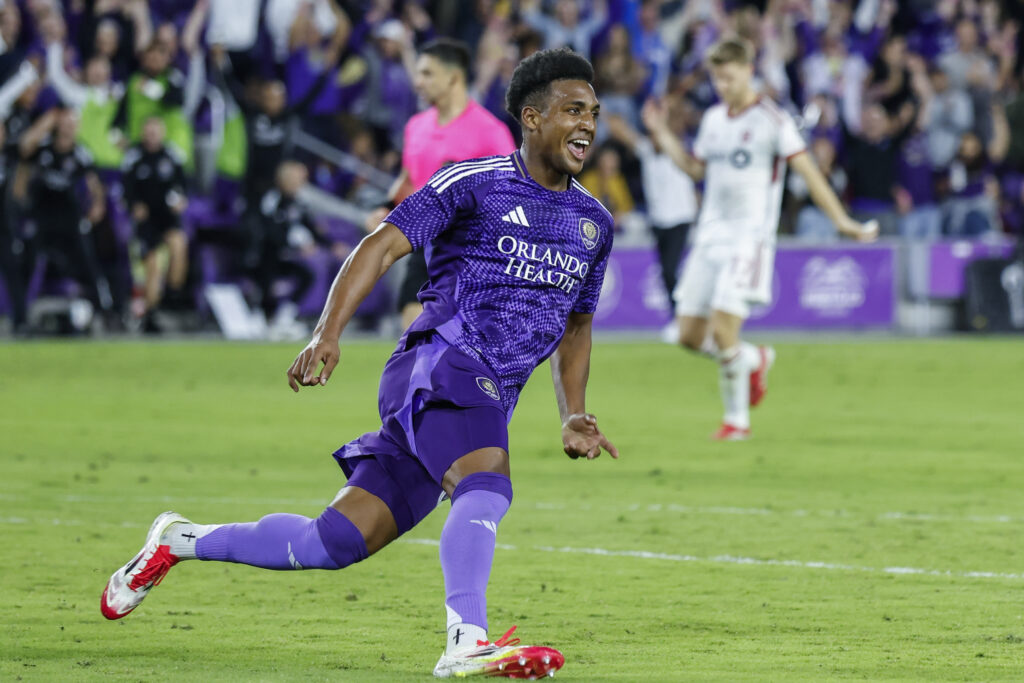
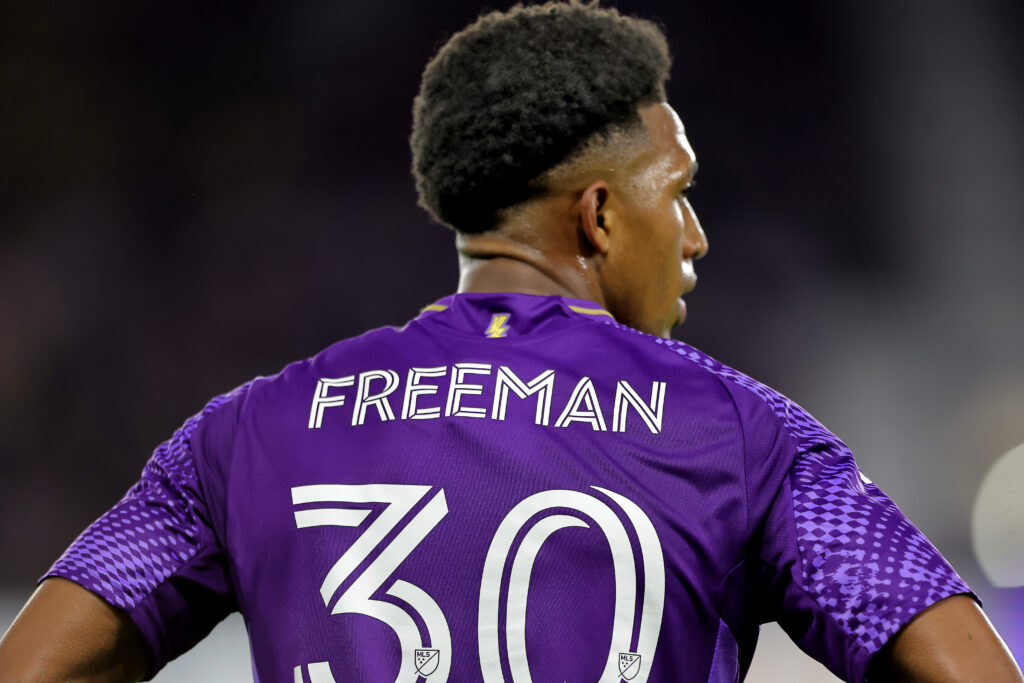
By his teenage years, Antonio said, soccer had become “80 percent” of Alex’s life. The rest was school. Training shaped the family calendar. Practices and games became the routine. At 15, Alex left home to join Orlando City’s setup, a move Rochelle initially weighed carefully because of the distance and the added concerns of the pandemic. Eventually, the family supported the leap.
As a father, Antonio said, his instinct was to believe his son would figure it out. He would toughen up. He would adapt. But he also watched the village form around him — coaches, trainers, teammates, friends, a host family.
“When mom and dad wasn’t around and wasn’t looking, he put his craft in,” Antonio said.
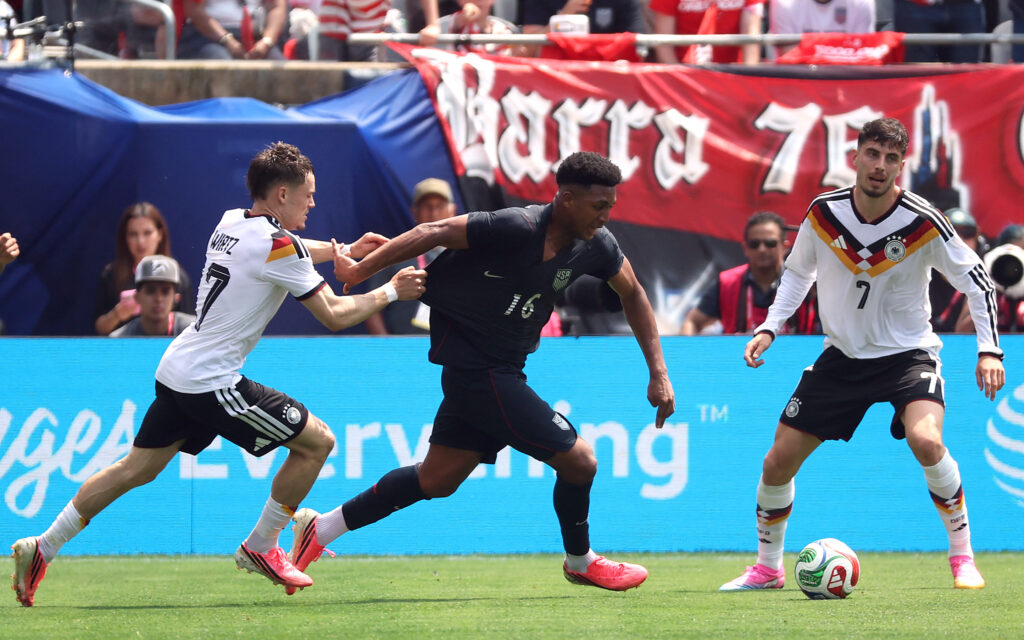
From the outside, Freeman’s rise can look like a blur: Orlando academy, Orlando City B, first team, national team, Villarreal, World Cup. The mileposts came fast. He made his USMNT debut on June 7, 2025, against Turkey, becoming the youngest player to earn a first cap under Pochettino. He started all six matches at that summer’s Gold Cup, and last November, he scored twice against Uruguay.
By the end of 2025, Freeman had 13 international appearances and a nomination for U.S. Soccer Male Player of the Year. He entered this World Cup with 16 appearances and a chance not only to help the U.S. team in this tournament but to make himself a part of the national team’s future.
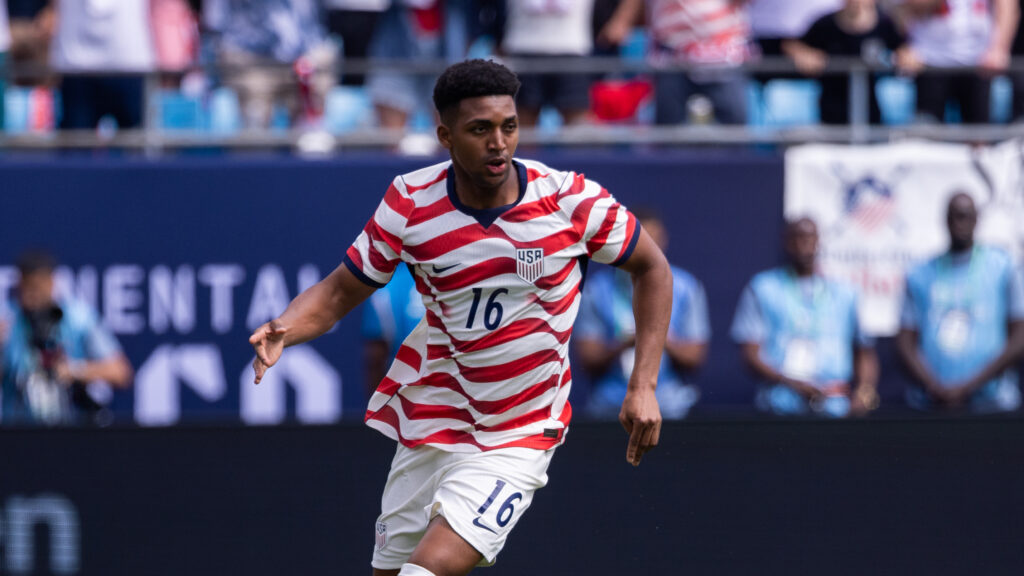
For Freeman, this tournament isn’t a coronation as much as it is an opportunity. He spent the past year proving he could get here; now he is showing what he can do here.
“How can I show the world that I deserve that spot?” he said in a recent interview.
Alex was not named Junior because his parents wanted to spare him unnecessary attention and expectations. The attention found him anyway, and now soccer has taken him to the sport’s biggest stage.
Years ago, when Antonio explained why they had chosen Alex instead of Antonio Freeman Jr., his son had smiled at the idea that he had been spared anything.
Read more With World Cup in Guadalajara, families of Mexico’s disappeared turn loved ones into soccer stickers
“Nah,” Alex told him. “I got the pressure now.”
Thomas Floyd contributed to this report.