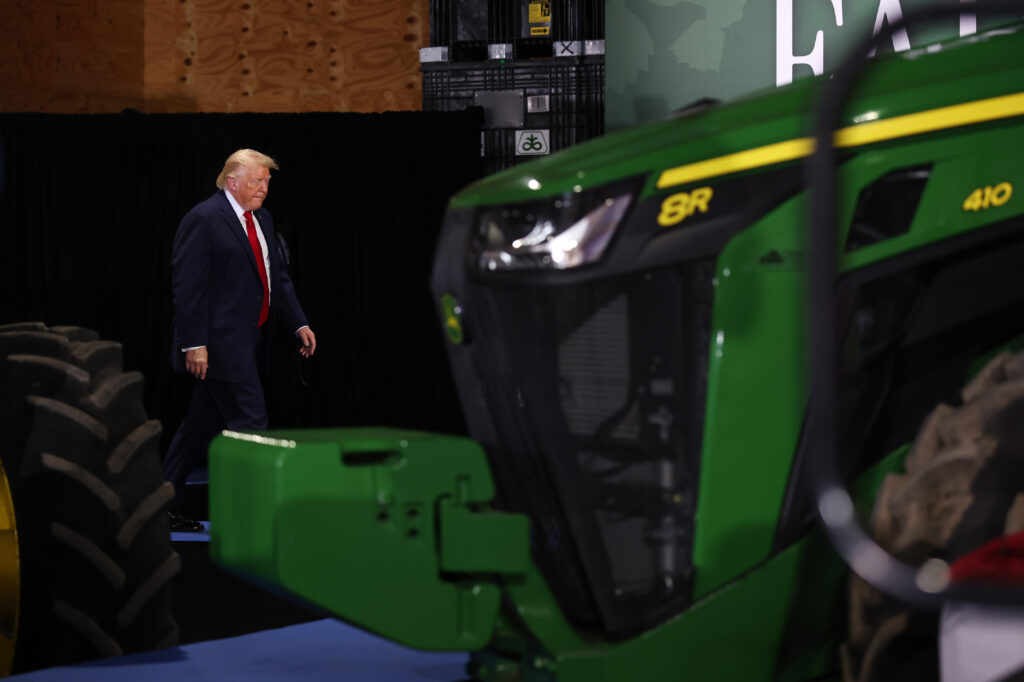
Some of the president’s strongest supporters are hurting as midterm elections approach.
Read more A ‘nasty’ new front in Tennessee, and Jeffery Simmons is ready to live in the backfield
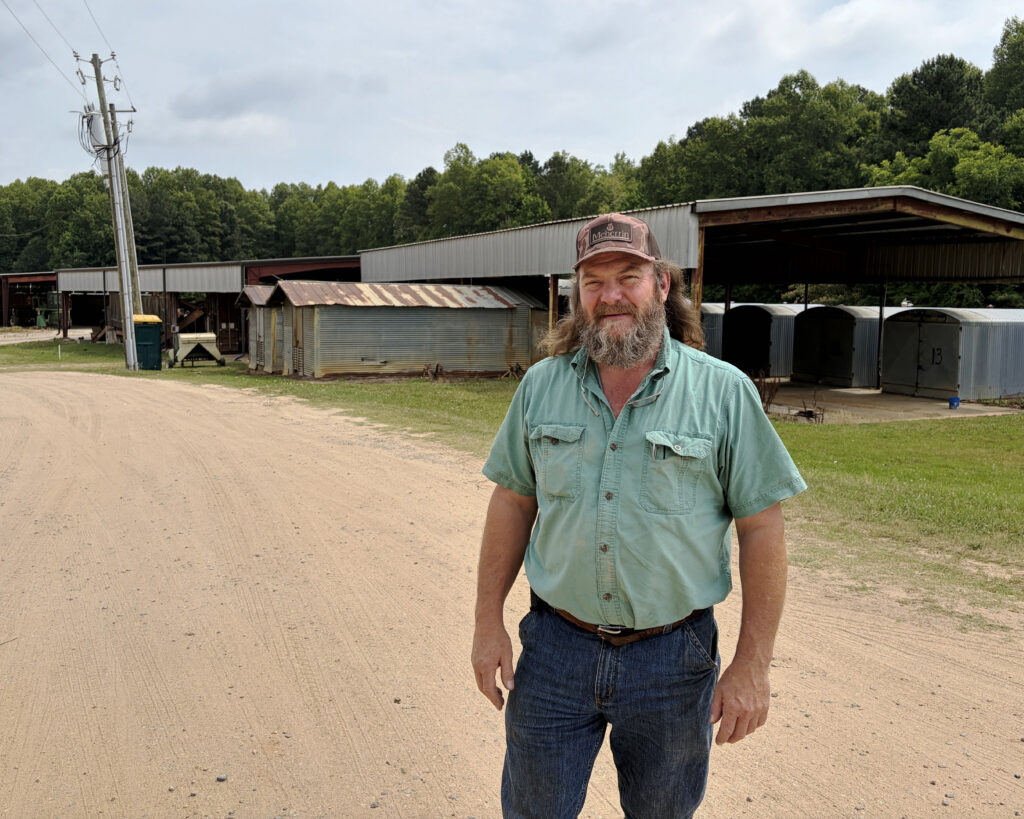
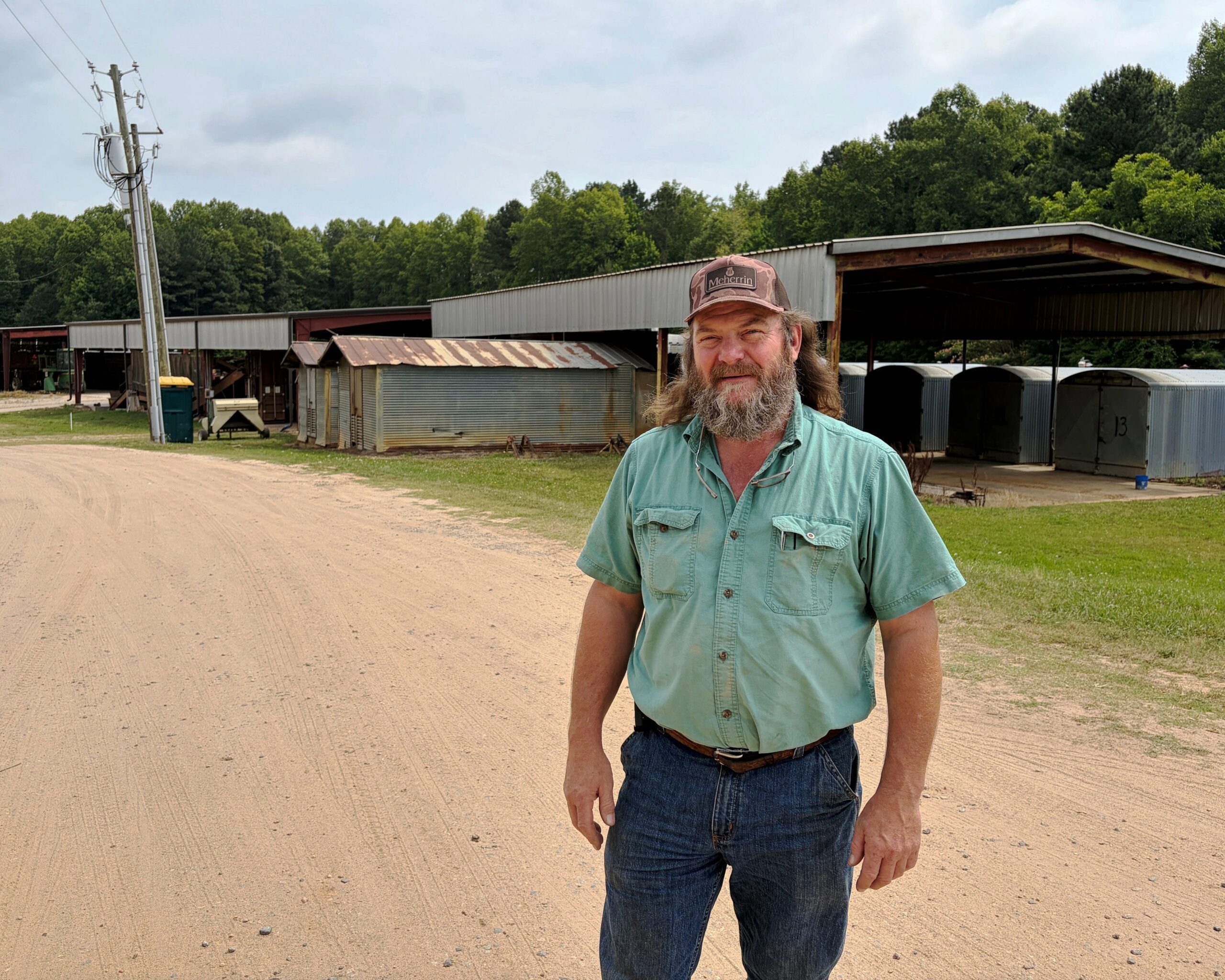
NASHVILLE, N.C. — The possible end of the Iran war will not cure the drought that has stunted the wheat crop. It won’t secure soybean export orders caught in the U.S.-China trade war. And it will do nothing to promote competition in agriculture, which would help farmers like Jeff Tyson earn a living.
Like other growers, Tyson, 55, has seen costs outrun sales this year as the rain grew scarce and government policies added to his burdens.
Now, the U.S.-Iran agreement to reopen the vital Strait of Hormuz and pursue a lasting peace offers some relief to farmers who have seen their fuel and fertilizer bills soar because of combat in the Persian Gulf. Diesel has not been cheaper since mid-March. Urea fertilizer in recent days sold for less than it did before the fighting began.
But the financial damage has been done.
President Donald Trump’s February decision to join Israel in attacking Iran aggravated the farm economy’s struggles. Soybean growers, who were already suffering from the president’s tariffs, are expected to lose money in 2026 for the fourth straight year.
“There’s no joy left in this farm. When you work 16-hour days and get to the end of the year, and you have to borrow money to pay your taxes, there’s no fun in it. It’s just not worth it anymore,” said Tyson, a fourth-generation farmer, who long ago advised his daughters to look elsewhere for a good life.
Tough times on the farm are souring some of the president’s most loyal supporters little more than four months before November’s congressional elections. Rural voters backed Trump’s economic policies by a 45 percent to 43 percent margin early last year but now disapprove of them 61 percent to 31 percent, according to a Reuters-Ipsos poll released this month.
A separate Purdue University-CME Group survey this month showed that agricultural producers in particular have grown more downbeat. From a high of 75 percent in December, the percentage of those surveyed saying the country is headed in the right direction fell to 52 percent in May.
Farmers represent a key constituency in states that could decide control of the U.S. Senate, including Iowa, Texas, Ohio and Michigan, as well as North Carolina.
The president’s signing Wednesday of an agreement that extends the ceasefire with Iran for 60 days follows a lengthy interruption to shipping through the Strait of Hormuz, which curtailed exports from three of the world’s top 10 producers of urea and anhydrous ammonia fertilizer: Saudi Arabia, Qatar and Iran.
“We’re not going to solve that just because we open the strait. There is still a very big wound there that is going to take time to heal,” said Josh Linville, vice president of financial services firm StoneX, who expects prices to remain higher than usual through next spring.
On Saturday, conditions in the strait remained fluid. Iranian authorities declared the channel once again closed in response to Israeli attacks in Lebanon — underscoring the fragility of the agreement signed last week. U.S. Central Command denied there was a closure, and said that shipping had increased, with 55 merchant ships and 17 million gallons of oil reaching global markets. U.S.-Iran peace talks are planned for Sunday in Switzerland.
About an hour’s drive east of Raleigh, Tyson raises soybeans, cotton, sweet potatoes, tobacco, corn and sunflowers. He runs the operation from a small, white house adjacent to a two-lane road. Several buildings and grain silos dot the property.
With shoulder-length brown hair and a full beard, Tyson is profoundly disillusioned by Washington. Well-funded business lobbyists and entrenched government bureaucrats thwart the will of the people, necessitating a disruptive figure like Trump, he said.
“I was involved with the [American] Soybean Association for 16 years. I thought I could make a difference,” he said. “I spent a lot of time in Washington and realized that it doesn’t matter. It doesn’t matter what you say out here or what you do out here.”
Tyson remains supportive of Trump’s drain-the-swamp brio, though he objects to the double whammy of import tariffs and income taxes.
Farmers have been among the biggest losers of the president’s trade wars. After China responded to Trump’s first-term tariffs by purchasing soybeans from Brazil rather than the U.S., he gave farmers $23 billion to offset lost export sales.
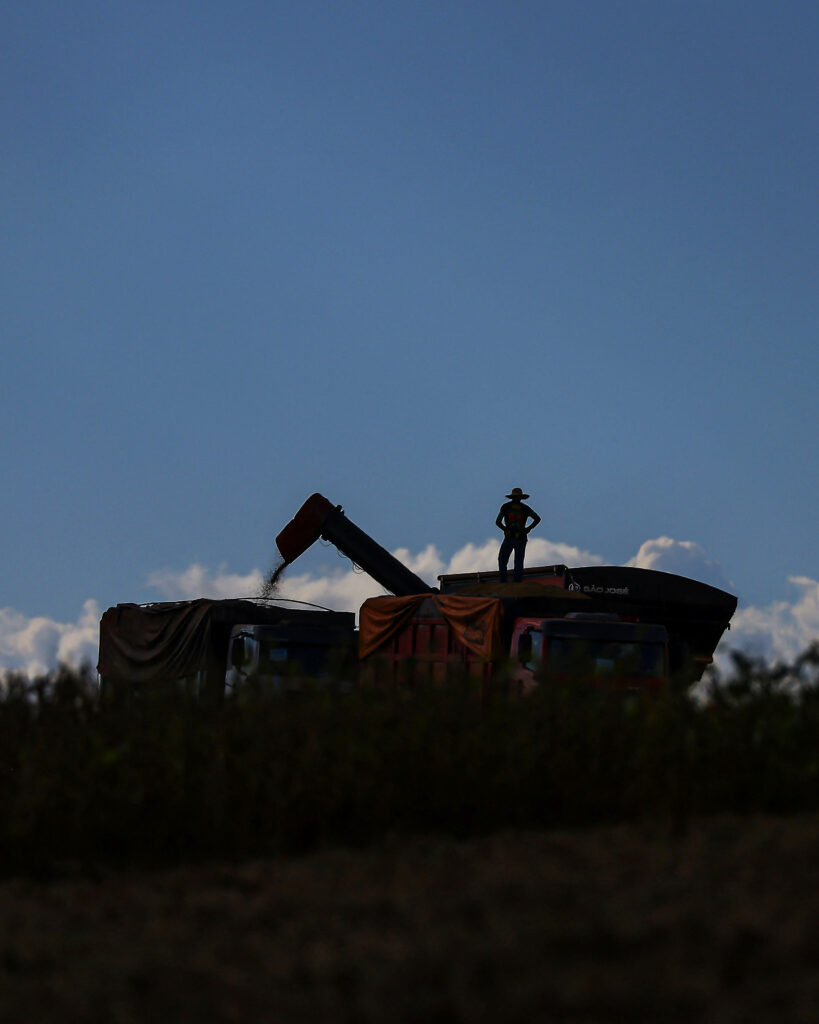
Last year, his April decision to raise U.S. tariffs to their highest mark since the 1930s caused China to again retaliate by halting purchases of American soybeans. Annual sales slumped to just $3 billion from a 2022 peak of nearly $18 billion. Trump’s tariffs on steel and aluminum also translated into higher prices for tractors, combines and harvesters as well as replacement parts. Separate levies first imposed in 2020 on phosphate fertilizer from Morocco were another irritant.
Under pressure from larger harvests in South America, soybean prices are down by roughly one-third from their 2022 levels. The combination of higher input costs and lower sales prices leave many soybean farmers needing to borrow money.
For loans in excess of $100,000, farmers face interest rates of nearly 7 percent, more than twice the figure from four years ago, according to data from the Federal Reserve Bank of Kansas City.
Read more Chargers’ Justin Herbert adjusting footwork during offseason program
“The returns for farmers have been really tough on the soybean side the past few years. They just generally haven’t been making much money,” said Scott Gerlt, chief economist for the American Soybean Association.
Earlier this month, the administration reduced tariffs on agricultural equipment made of steel or aluminum, such as harvesters and combines, to 15 percent from 25 percent.
The president also sought to reassure farmers by staging a White House event in March, where he promised easier environmental regulations and small-business loan guarantees. By then, $12 billion in farm aid designed to counter what the administration called “four years of disastrous Biden Administration policies” and other nations’ “unfair trade practices” was landing in farmers’ bank accounts.
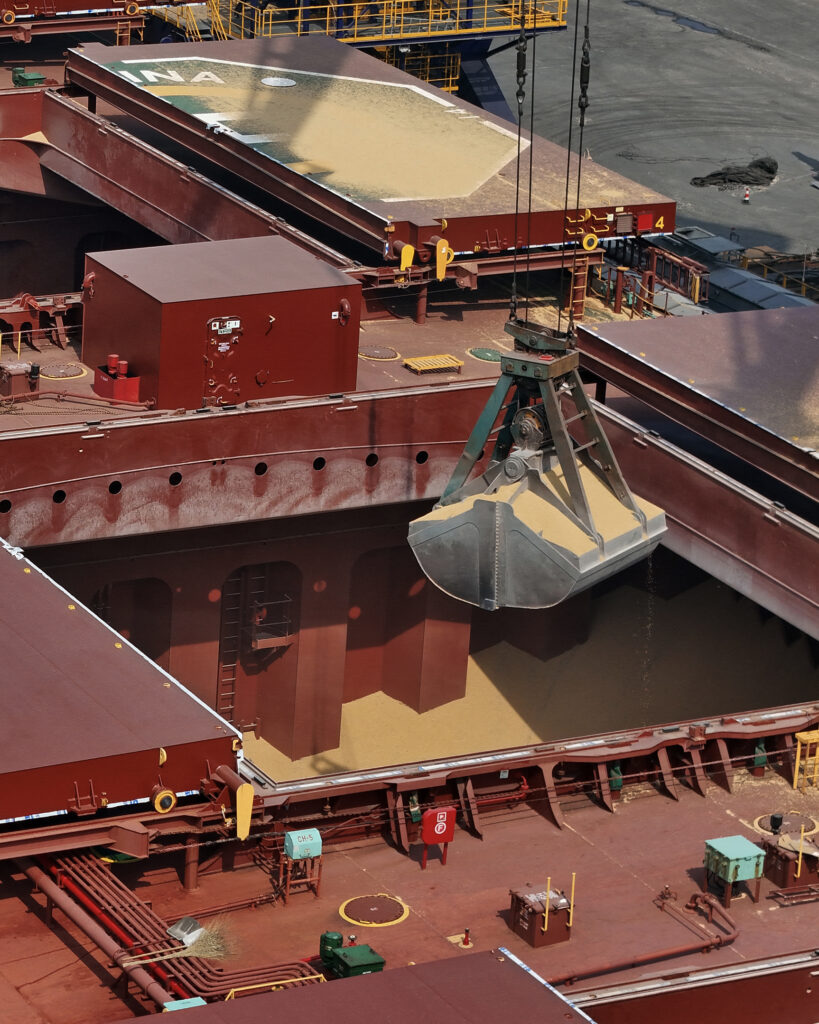
“We’re going to prove that the golden age of American agriculture is right here and right now,” Trump said.
But the most consequential move came last fall when Trump and Chinese President Xi Jinping reached a truce in their trade war. In return for lower U.S. tariffs, Xi agreed to resume purchases of American soybeans.
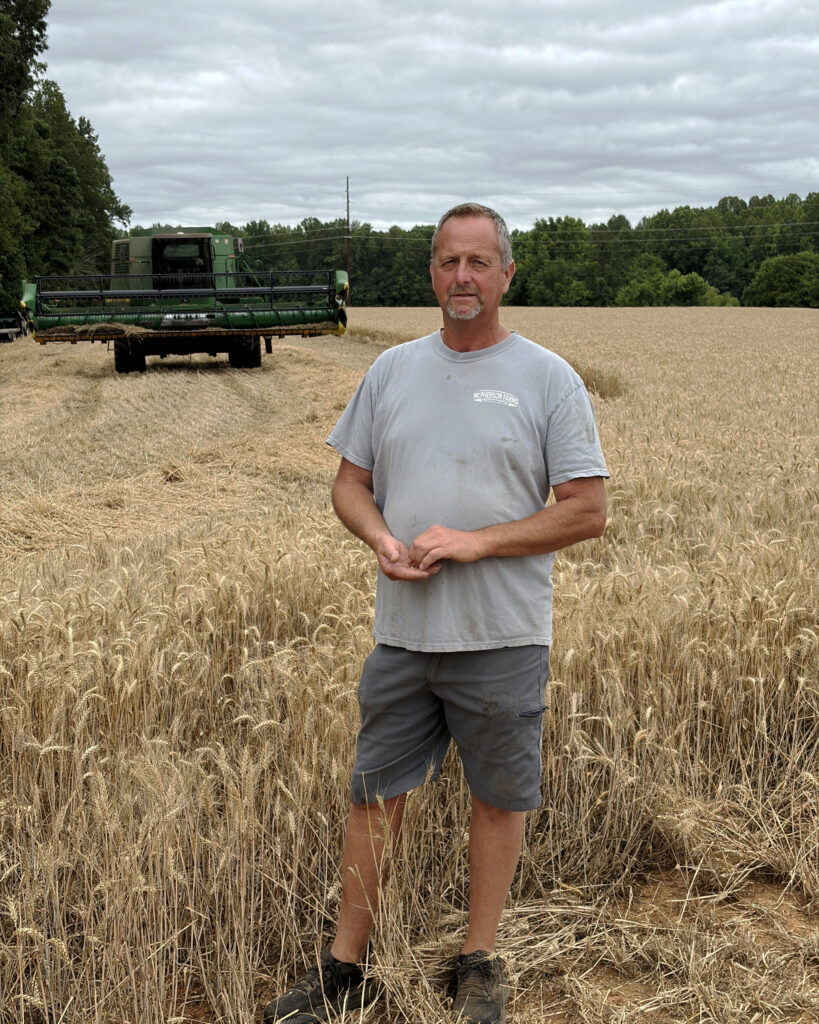
Almost 100 miles west of Tyson’s farm, Michael McPherson stood in a wheat field where his son-in-law and grandson baled straw. This plot sits among 1,000 acres of soybeans, corn, cattle and hay that he and his family cultivate.
McPherson, 57, was another financial casualty of the Iran war. The price of diesel, which powers tractors, jumped by nearly 50 percent in the weeks before his scheduled April 1 corn planting. Fertilizer costs rose as well. He waited a few days, hoping the market would reset. But crops are not patient. Eventually he had to swallow the extra expense.
“It’s been a tough year, a tough season so far. Among everything else that’s going on, we’re in the worst drought we’ve ever had this time of year. That’s really putting us in a bind right now. None of our crops are where they’re supposed to be this time of year,” said McPherson, who expects to realize about half his usual harvest from this field.
Though reluctant to talk politics, he applauds the Trump administration’s efforts to secure better trade terms for U.S. farmers even as he voices frustration with the Iran war.
Before attacking, he said, the administration should have stockpiled fertilizer to spare farmers crippling price increases. Instead, the war’s costs have eroded profits and forced him to tap his financial reserves.
“I don’t want to say we’re at crisis levels yet. But something’s got to change,” he said.
Gary Hendrix, working with his wife and two sons, tills 7,000 acres of corn, cotton, soybeans, peanuts and wheat in Raeford, about 100 miles east of Charlotte. He failed to turn a profit last year and continues to operate in the red.
Production costs, including seed and fertilizer, are up about 20 percent or $100 per acre compared with last year. His last tank of diesel cost $32,000, versus roughly $19,000 in December.
The Iran war’s end should mean less-expensive fertilizer. But Hendrix worries that the small number of suppliers will use their market power to keep prices high. One of his biggest complaints is the agribusiness consolidation of recent years.
“It doesn’t really matter whether I’m buying or selling. If I’m trying to buy a tractor or if I’m trying to sell a load of soybeans. You know, I don’t have many places to go,” he said. “They can reserve a four-seat table at any restaurant and decide what my [profit] margin’s going to be.”
Two companies — Nutrien and Mosaic — account for at least 86 percent of the phosphate and potash fertilizer market. In March, Bloomberg News reported that the Justice Department was investigating Nutrien, Mosaic and three other producers for potential antitrust violations. The Federal Trade Commission last month said it had launched a related probe.
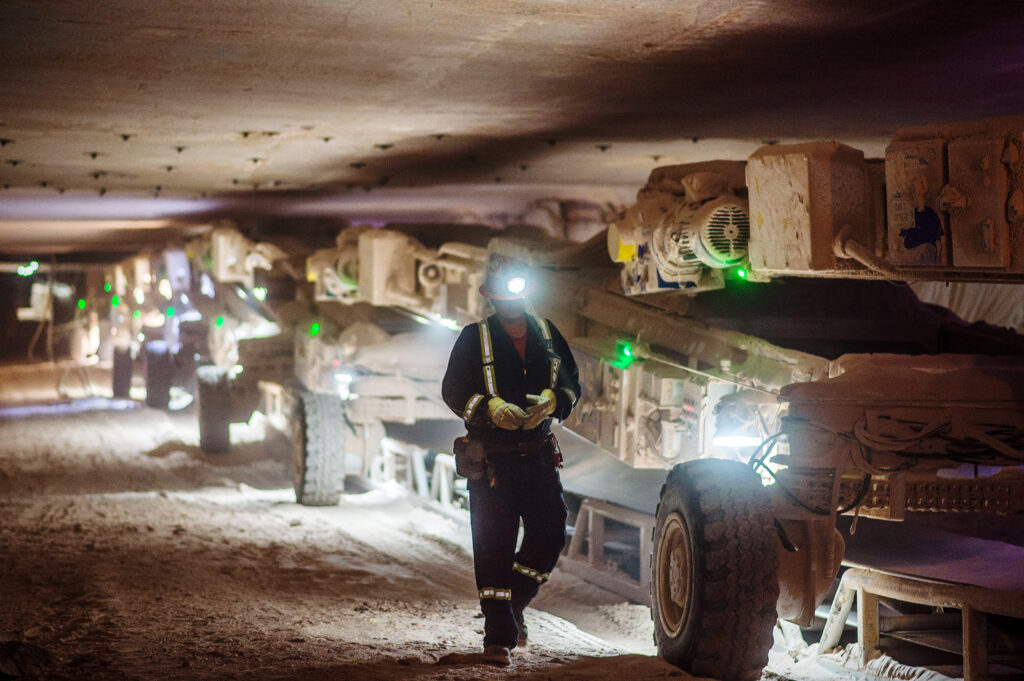
In a statement, Mosaic said fertilizer prices are determined by “a wide range of well‑documented market factors,” not individual companies. Nutrien did not respond to a request for comment.
Hendrix, a registered independent, said he voted for Trump in 2024. He is undecided about which party he will back in November’s congressional elections. But as the midterms draw near, he sounds lukewarm on the president.
“He’s done some things that have really been a benefit to ag,” Hendrix said. “And he’s tried some other things that haven’t quite worked.”
Read more McCarthy hits leadoff inside-the-park homer off Skenes in Rockies’ 2-1 win over Pirates