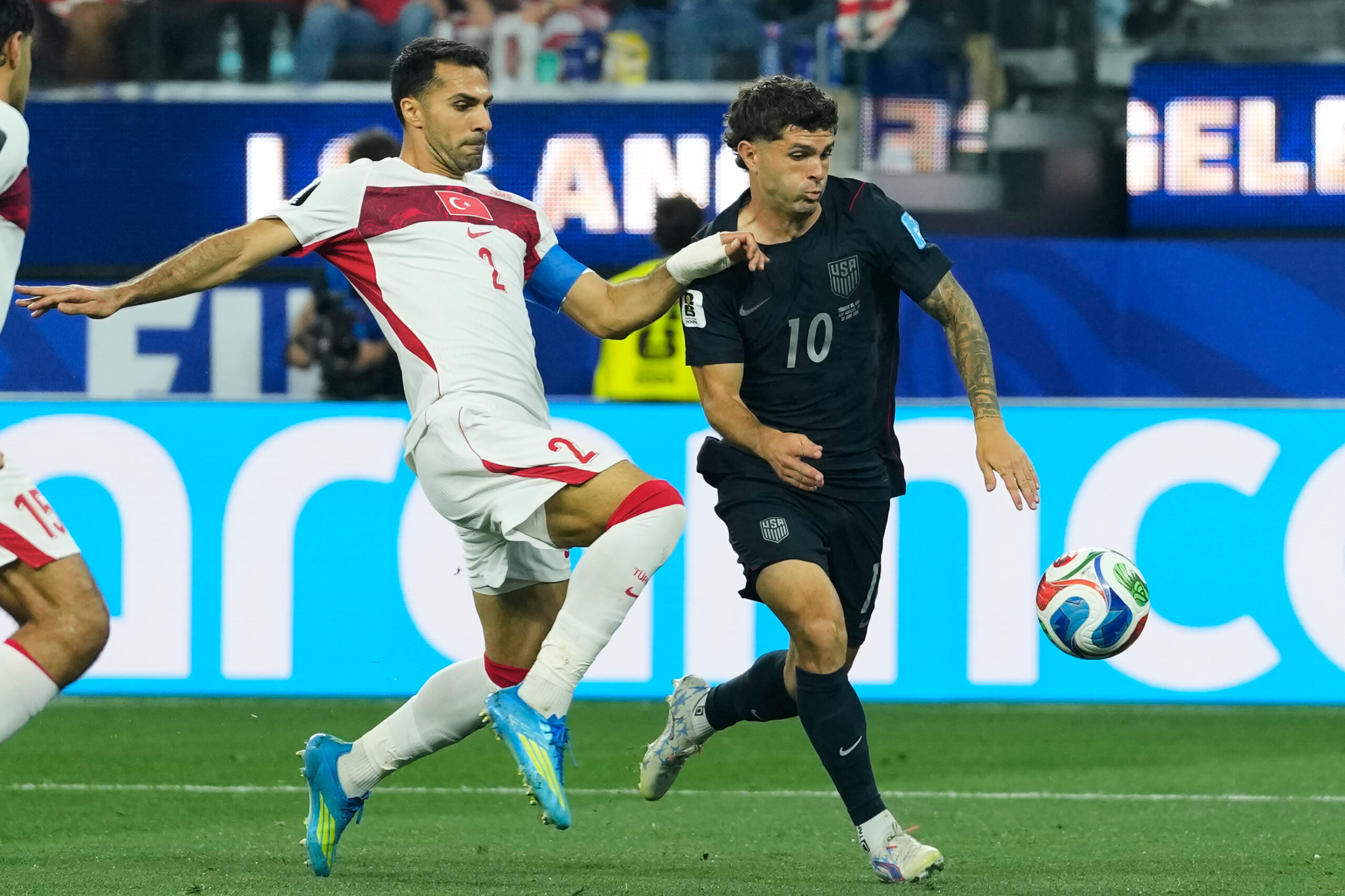
A late goal by Turkey handed the Americans their first loss, but their path remains unchanged.
Read more Pulisic returns to the US lineup with highlights and lowlight in a World Cup loss to Turkey
INGLEWOOD, Calif. — The World Cup has reached a new speed, and the U.S. men’s national team is moving out of the sleepy side streets of the group stage and onto an unforgiving freeway where everything moves faster: the pressure, the punishment, the possibilities.
The stages are different now. So are the consequences. And so are the rewards.
The Americans closed group play with a 3-2 loss against Turkey on Thursday night, when a 98th-minute goal spoiled their bid to finish the group stage unbeaten. Still, the opening round went better than most U.S. supporters dared to imagine. They went 2-1-0 and earned six points in a World Cup group stage for the first time. They scored eight goals, an American record for a World Cup. And Mauricio Pochettino, in his first World Cup, is already tied as the winningest U.S. coach in tournament history.
Now comes the part that will determine what all of that means.
The Americans, after all, did not come to this tournament thinking the round of 32 was the end of the road. Their sights were always set higher, and they insisted Thursday’s low-stakes finale did not require a different mindset than the one they will take into the knockout round.
“We’ve played every game like it’s do-or-die,” midfielder Sebastian Berhalter said. “You saw that in our intensity, the way we worked. For us, it’s keep doing what we’re doing.”
The Turkey loss had no bearing on the standings, and in many ways, the tournament now starts anew. The U.S. has six days to prepare for Bosnia, its round-of-32 opponent on July 1 in Santa Clara, California. Bosnia reached the knockout round in only its second World Cup appearance, finishing third in Group B with a 1-1-1 record and being outscored 6-5 across three games.
It promises to be the biggest test to date for a U.S. team that spent the group stage building confidence, collecting milestones and making the tournament look far more comfortable than it usually does.
But that comfort has an expiration date. The Americans haven’t won a knockout-round game since 2002 and know the margin for error is minuscule. Every pass, shot and challenge will soon carry more weight — a far cry from Thursday’s matchup.
The performance against Turkey energized the patriotic and partisan home crowd, but it had no bearing on the tournament. The U.S. had already won the group and secured its place in the knockout round. Turkey, which had qualified for the World Cup for the first time since its third-place finish in 2002, had lost its first two games and already been eliminated.
Before a single whistle blew, Pochettino made clear how he intended to treat it. He was not interested in endangering the Americans’ chances next week, risking an injury to a key player or exposing anyone to a dreaded second yellow card.
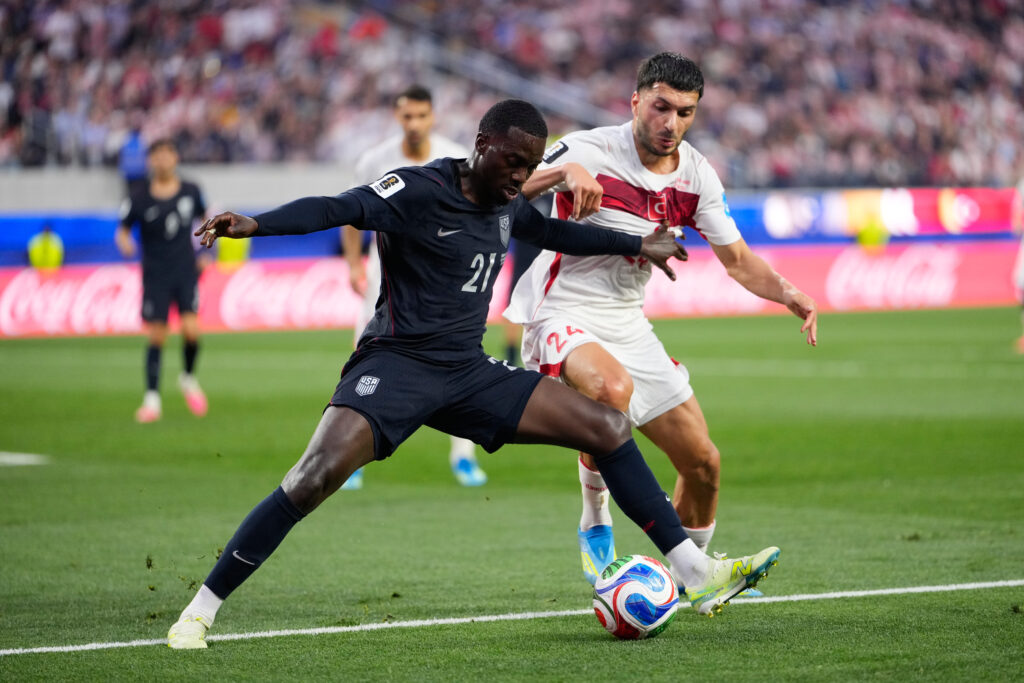
So he sent out a lineup that, just a few weeks ago, might have looked like a doomsday scenario. Only one regular starter, Weston McKennie, was in the starting 11. Christian Pulisic began the night on the bench. In all, Pochettino made nine changes from last Friday’s win over Australia — the most ever for the United States between World Cup matches.
The night’s checklist was short: stay healthy, give the reserves a World Cup run and get Pulisic safely back on the field.
Pulisic, sidelined with a calf injury after a sensational opening half in the Americans’ first game, checked that box 12 minutes into the second half. He came on as a substitute and looked sharp, showing no obvious signs of injury.
Read more Pochettino annoyed by perceived disappointment after US finishes group play with 3-2 loss to Turkey
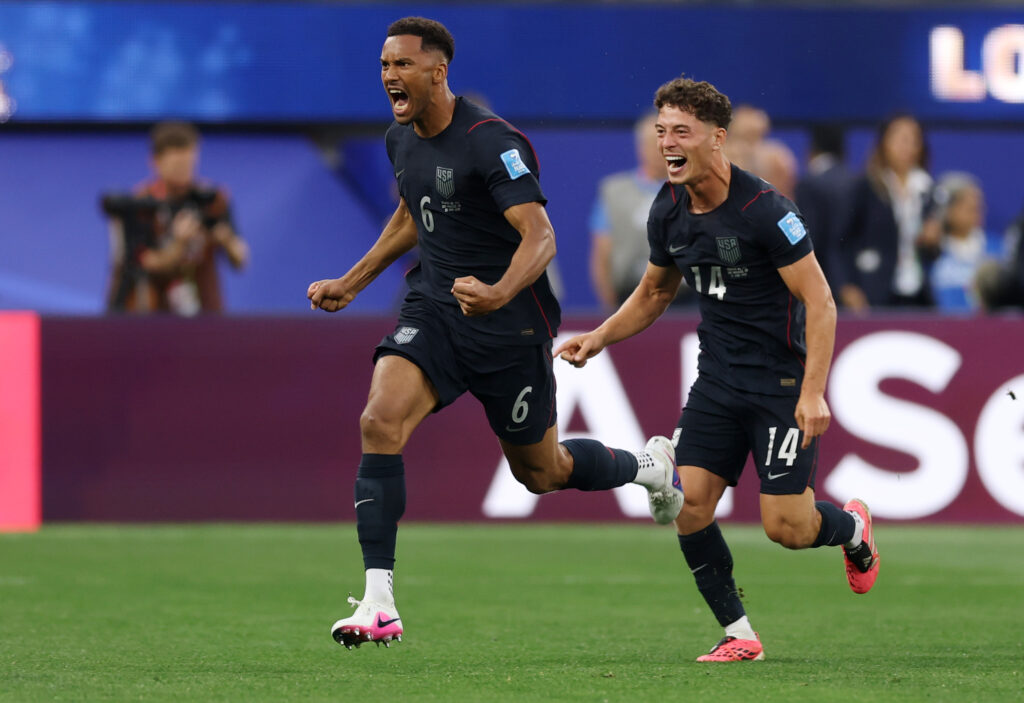
The reserves did not wait long to show they were ready. Barely two minutes into the match, Berhalter swung in a corner kick that reached Auston Trusty on the far side, and Trusty drove it past Turkey goalkeeper Ugurcan Cakir for the second-fastest U.S. goal in World Cup history.
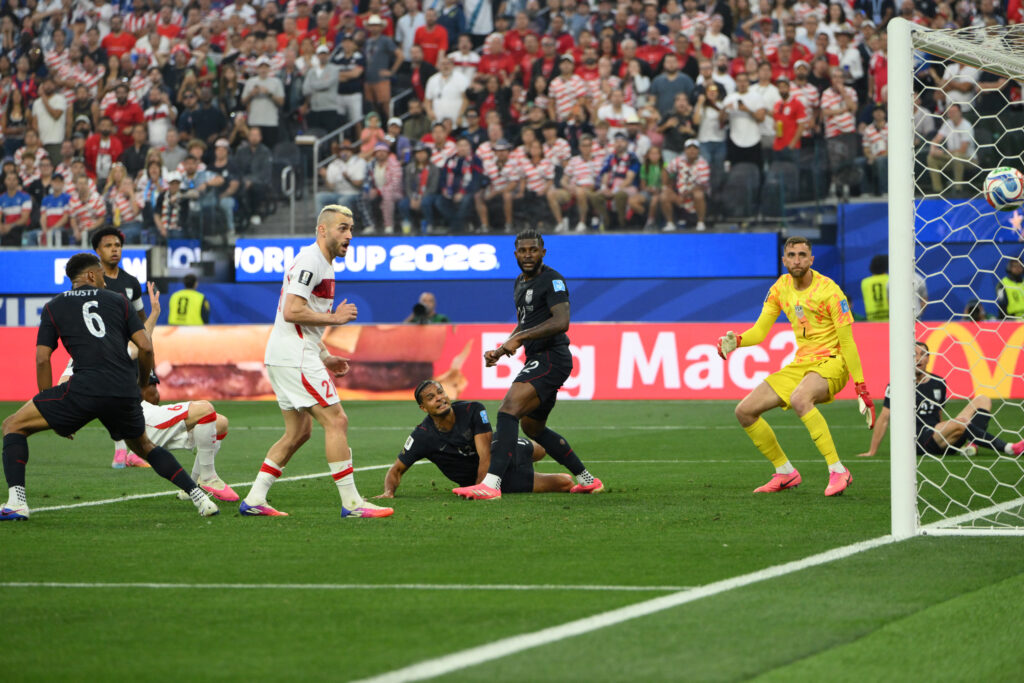
It continued a theme of the Americans’ group stage: The U.S. scored in the first 10 minutes of all three games. But this fast start did not bring control. Arda Guler beat U.S. goalkeeper Matt Turner in the 10th minute, and Orkun Kokcu put Turkey ahead before halftime, saddling the Americans with their first deficit of the tournament.
The U.S. answered three minutes into the second half, when Berhalter pounced on a loose ball off a throw-in and skipped a rocket through traffic to tie the match at 2.
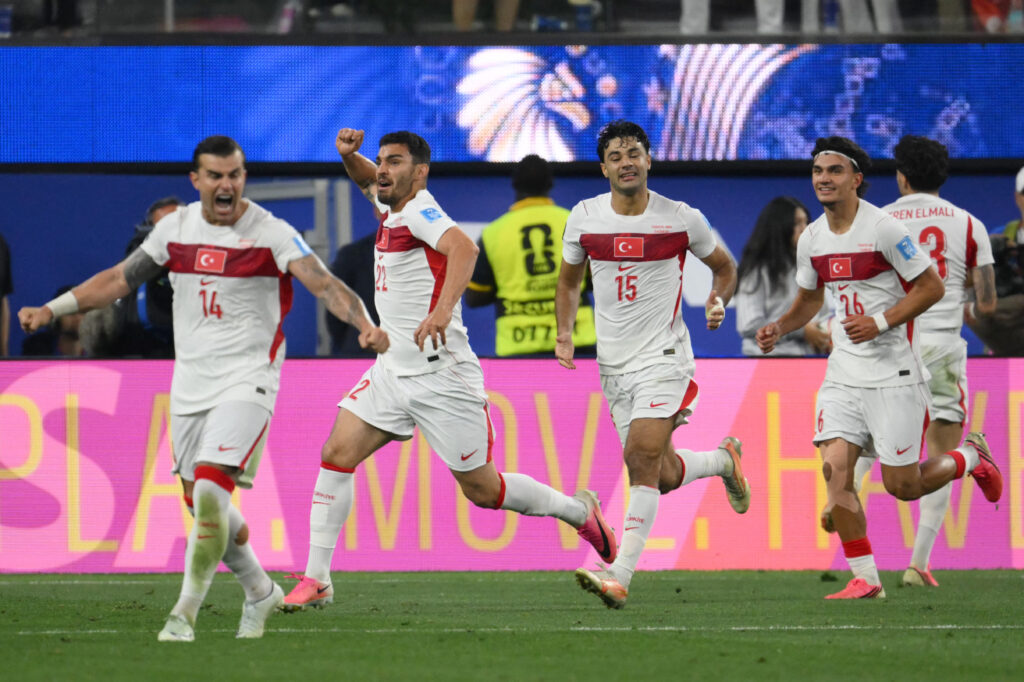
Turkey won it deep into second-half stoppage time. Can Uzun connected with a cross to the far post and steered a shot toward goal that deflected off Alex Freeman, then fell to Kaan Ayhan for the winning tap-in.
“It’s tough. We wanted to walk away with no losses in the group stage,” said U.S. midfielder Brenden Aaronson, “but we got to take it as still a fantastic group stage. … I’m not worried whatsoever.”
The late Turkey goal did not alter the larger shape of the tournament. Thursday was about confirming that the U.S.’s second-choice players could sustain the standard and that the Americans could leave Los Angeles pointed toward the knockout round with their momentum intact.
“We need to remember that we won first place in this group,” Pochettino said. “We ended up being number one, and we managed all the pressure and expectations quite well. … We did want to win, we wanted the victory, but there are other things we needed to balance out.”
They made it look relatively easy these past two weeks. Getting to that point was anything but. Pochettino arrived in 2024 to a program that needed repair after a group-stage exit at Copa América on home soil, and he acknowledged this week that the job required more rebuilding than he expected.
“We [arrived] with too much energy,” Pochettino told reporters earlier this week, saying the staff quickly “received a big punch and we were knocked out for a while” as it tried to reshape the program before a home World Cup.
That is part of what made the group stage so significant. The Americans did not merely win games; they steadied a program that had spent much of the previous two years looking stuck between promise and proof. They beat Paraguay. They beat Australia. They navigated the group finale against Turkey.
“We’ve spoken about obviously wanting to win, but also we spoke about making history,” center back Chris Richards said this week. “And we look at every game and every training opportunity to make history.”
Thursday offered a glimpse of the depth they may need to do that. The Americans wanted to keep momentum, but not at the expense of freshness. They knew that their next match, not this one, would shape how this World Cup is remembered.
Read more World Cup knockout round takes shape as US is set to play Bosnia-Herzegovina
That is why Thursday felt less like a conclusion than a transition.
Now comes the harder part.