The group’s proposals land with only weeks left before Congress breaks ahead of the year’s final stretch until the midterms.
Read more Here’s what we know about Sen. Mitch McConnell’s health
A group that says it represents more than 1,500 congressional staffers is pressing House and Senate leaders to overhaul how Capitol Hill handles sexual misconduct complaints.
In a Tuesday letter, the Congressional Progressive Staff Association warned that employees still face gaps in legal support, independent investigations and time constraints on whether to pursue claims.
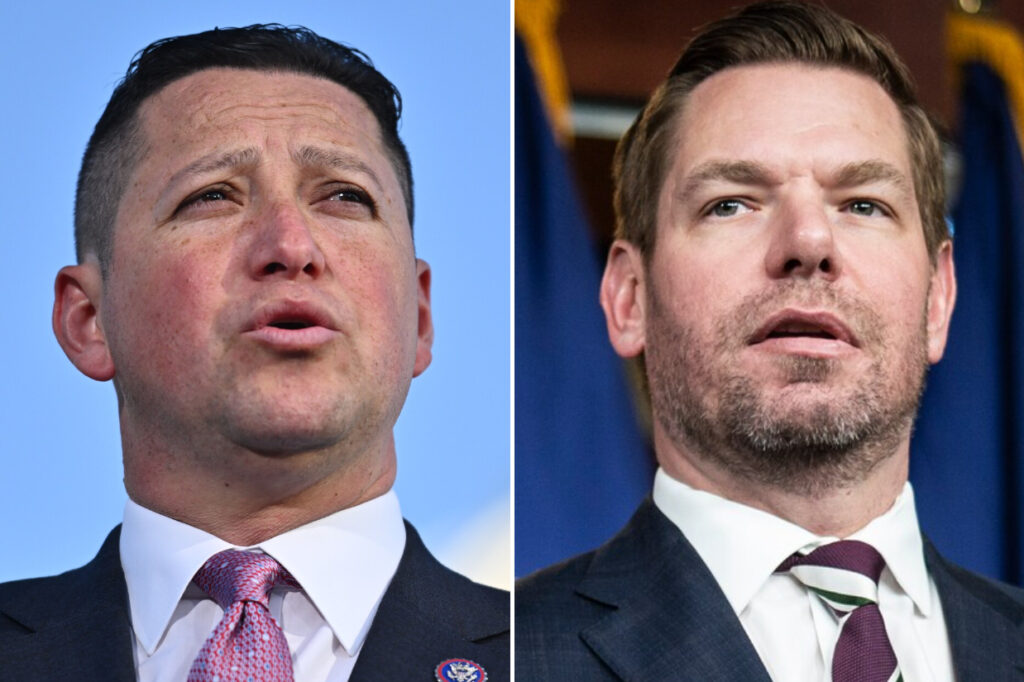
Their advocacy comes after the recent resignations of Reps. Eric Swalwell (D-California) and Tony Gonzales (R-Texas) amid misconduct allegations.
Michael Suchecki, a spokesperson for the group, said the group wanted to make sure Congress does not squander the momentum of renewed pressure to address sexual misconduct on Capitol Hill following the series of scandals. The staff association wanted to provide an inside account of what staff see as the shortcomings of the current system, which Suchecki described as confusing, overly complicated and tilted against employees.
“When it comes time to navigate this spider web, after the unthinkable, it’s not clear where to begin or what resources there even are,” he said.
The group’s proposals would expand legal representation for staff, create new support for Senate employees, make independent investigations easier to trigger and give employees more time to file workplace claims.
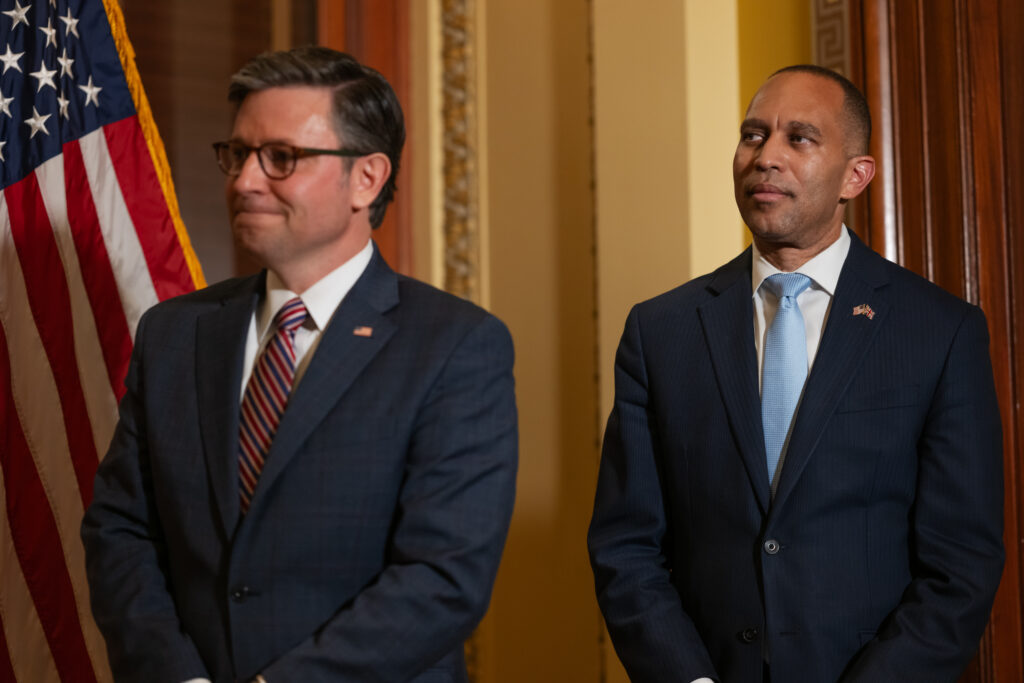
After Swalwell and Gonzales resigned this spring, House Speaker Mike Johnson (R-Louisiana) and Minority Leader Hakeem Jeffries (D-New York) announced a new effort: The Republican and Democratic women’s caucuses would work together to “identify reforms and solutions to make Congress a safer work environment for women and all survivors,” the leaders said in a statement.
In the nearly two months since, the caucuses have met with lawmakers, staff and experts to explore potential changes, but have yet to announce what they have come up with. The groups are now having “final conversations” in the hopes of releasing reforms in the coming months, according to a person familiar with the effort, who spoke on the condition of anonymity to discuss private conversations.
In its letter to the Republican and Democratic leaders of the House and Senate administration committees, the Congressional Progressive Staff Association suggested its own tweaks to the process.
The association said its proposals emerged from meetings with offices across the legislative branch and a survey of congressional staff about their experiences seeking support. The suggestions are intended to “better protect staff, expand support systems, and build awareness of the resources available,” the association said in the letter. The group has worked closely with leadership of the Democratic Women’s Caucus.
Read more Top Democrats pull Graham Platner endorsements, call on him to end Maine Senate campaign
The last time Congress updated its reporting process for sexual misconduct was in 2018, during the height of the #MeToo movement, following revelations that several members had secretly settled harassment claims brought by their staffers.
One change was the establishment of the Office of Employee Advocacy, which provides legal advice and representation to House employees — until they decide to take their complaint to court and file a lawsuit.
In its letter, the staff association suggests allowing the Office of Employee Advocacy to continue representing employees even after they sue in court, as well as extending its authority to the Senate.
That change could be “very powerful,” said Les Alderman, an attorney who has represented clients with sexual misconduct claims against Congress. It could provide staffers with a lawyer who may not otherwise be able to afford one.
But Alderman was skeptical about some of the association’s other recommendations, such as authorizing the branch known as the Office of Congressional Conduct to conduct investigations of misconduct complaints. Because the office is accountable to the House Ethics Committee, which is run by lawmakers, it wouldn’t function as an independent body, Alderman said. To be effective, the office charged with investigations needs to be fully independent, he said, like the inspectors general in the executive branch.
Some of the association’s other suggested changes include more resources for Senate staff and using an existing office for early mediation, before a legal claim is ever filed. Some staff would prefer a functioning internal process so they can avoid going to court, Suchecki said.
Advocates worry the pressure to enact reforms — spurred by recent scandals — could fade. Swalwell faces allegations of sexual assault of a former staffer, among other misconduct, which he has denied. Gonzales acknowledged an affair with a staffer who later took her own life. House rules prohibit sexual relationships between lawmakers and staff members. The House Ethics Committee has also confirmed investigations into Rep. Chuck Edwards (R-North Carolina) over sexual harassment allegations and Rep. Cory Mills (R-Florida) over domestic violence and other allegations.
The debate over how Congress polices misconduct is also unfolding against a wider reckoning in Democratic politics. On Monday, The Washington Post reported an allegation that Graham Platner, the party’s Senate nominee in Maine, sexually assaulted a woman he had dated in 2021. Platner called the allegation “troubling, serious, and false.”
But the window to push through reforms is shrinking. House and Senate have only a matter of weeks until August recess. Then, once lawmakers return in September, only a few weeks will remain before the midterm elections.
“We see an opportunity to push the conversation forward so that this is not left on the cutting room floor like so many congressional responsibilities,” Suchecki said.
Read more One Extraordinary Photo: Erling Haaland’s header to help Norway advance