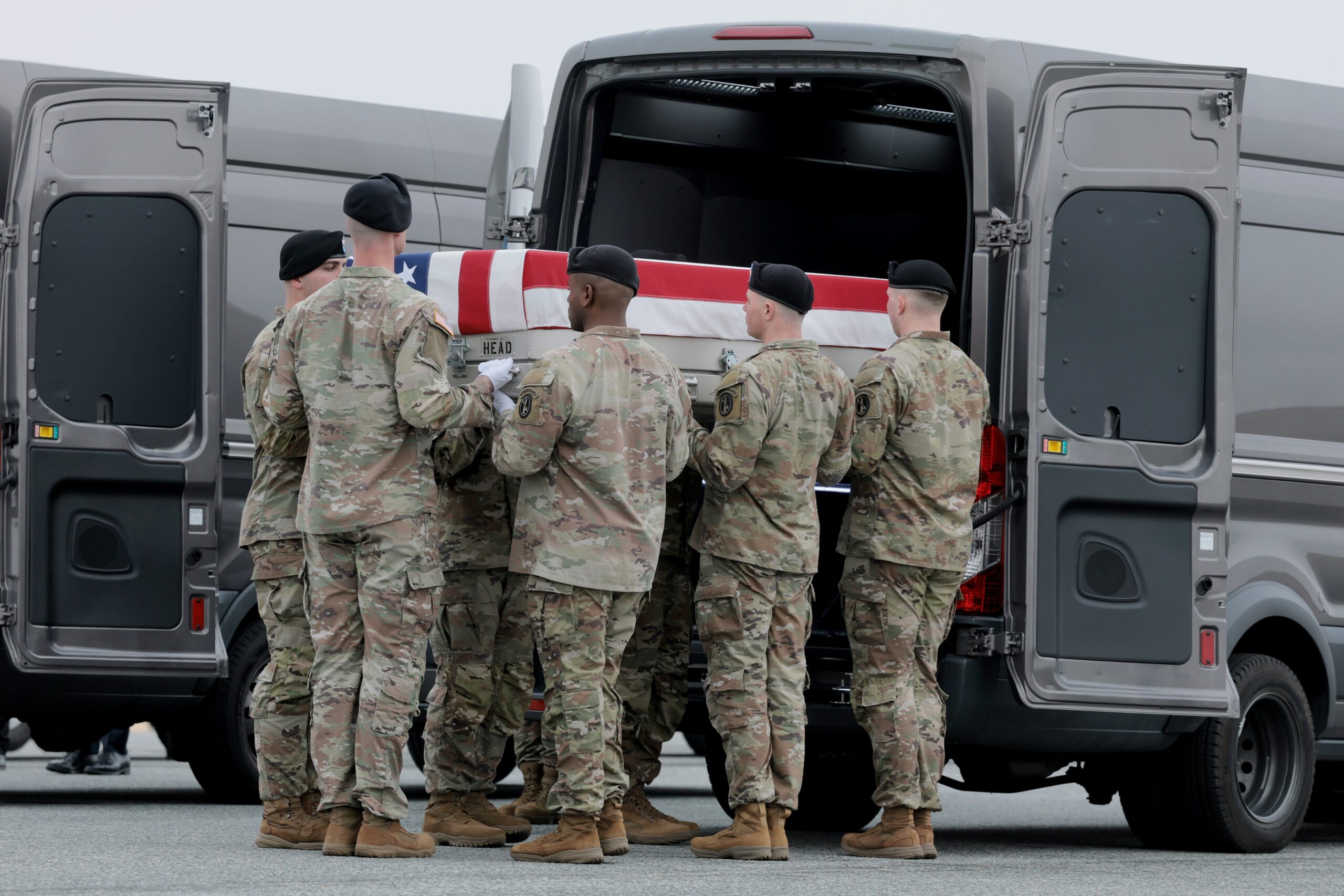
The drone strike on Port Shuaiba in Kuwait occurred on day two of the war. Those who were there say they fear no one will be held accountable.
Read more Khosia family agrees to purchase defending Super Bowl champion Seattle for $9.612B, AP source says
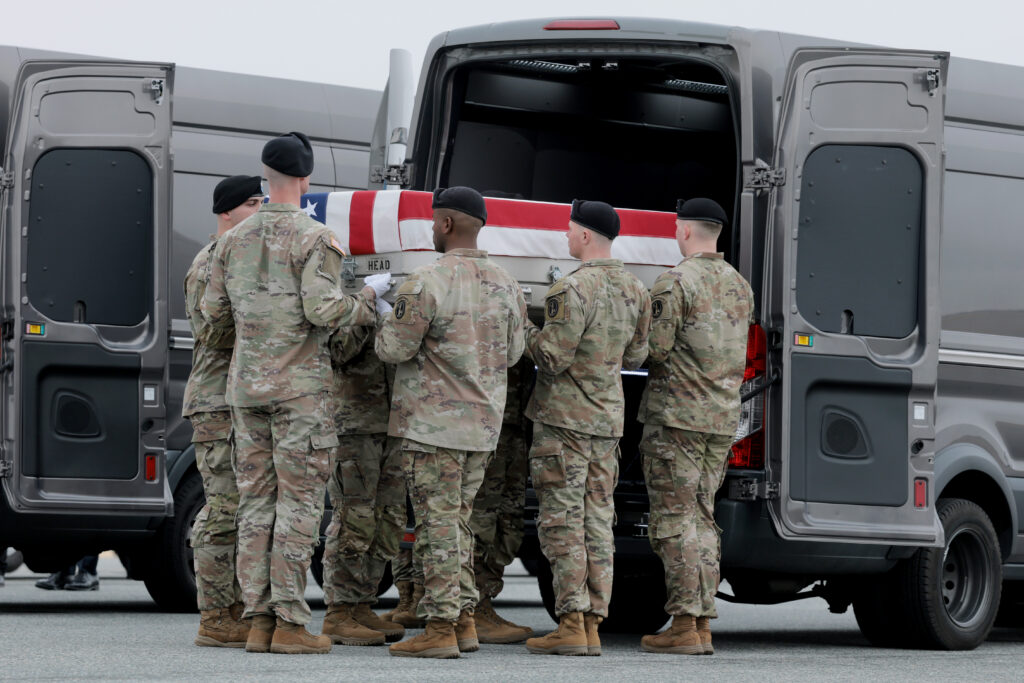
Seconds after an Iranian drone struck his unit’s operations center in Kuwait, an Army general responsible for the troops inside got up from the floor, grabbed his protective vest and helmet, and shouted an order to a soldier beside him: “Get out!”
It was March 1, barely a day into the U.S. war against Iran. The drone hit in the center of the building at Port Shuaiba, its concussive blast hurling troops into walls and igniting a deadly fire, survivors of the strike told The Washington Post.
Brig. Gen. Clint Barnes ran for the emergency exit and to a nearby protective bunker, even as dozens of men and women under his command remained behind, said the soldier ordered to flee with him.
“We shouldn’t have run out of the f—ing building,” the soldier added, his voice trembling as he recounted how, once the bunker’s steel doors were reopened, he’d tried to head back to the building to help, but Barnes told him to stay put. “I can’t just, like, watch this happen,” he recalled thinking.
At the urging of another officer who was running toward the fire, the soldier said, he went back to the operations center and began calling out through the smoke hoping to find survivors.
The general, the soldier said, did not.
Barnes’s decision-making following the drone strike is one of several episodes that have left those sent to Port Shuaiba embittered toward their leadership, according to this soldier and many others who spoke with The Post as senior military officials finalized the internal investigation of the incident.
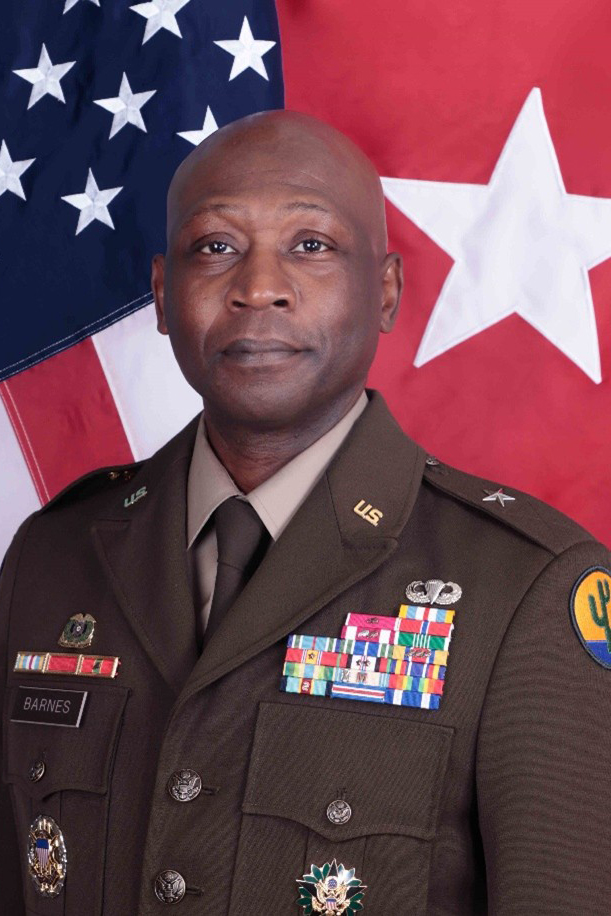
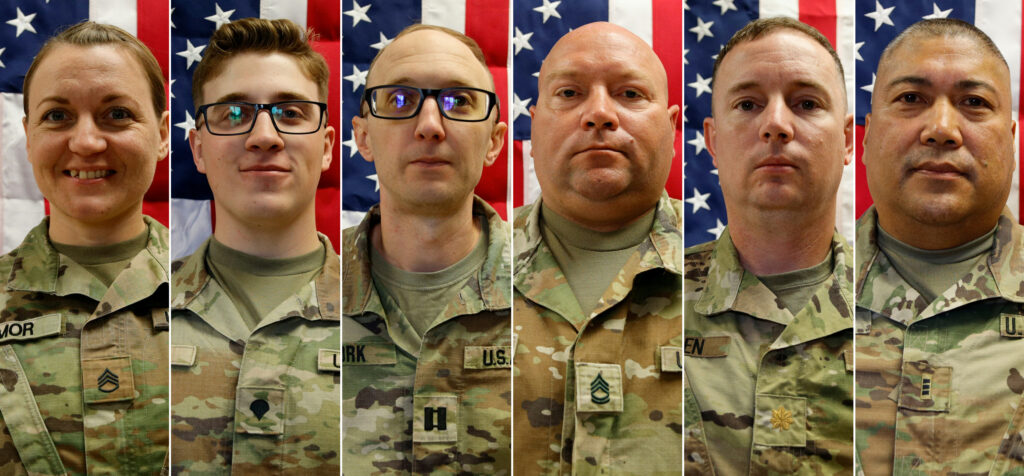
Six soldiers with the Army’s 103rd Sustainment Command died as a result of the strike and dozens more were wounded, some seriously. The attack stands as one of the Iran war’s costliest for U.S. personnel and the Trump administration, souring many Americans on the president’s decision to start the conflict and raising questions about the precautions taken ahead of time to protect those put in harm’s way.
This account is based on interviews with 17 people, including soldiers who survived the strike and other firsthand witnesses, as well as people with knowledge of the military’s investigation. Most spoke on the condition of anonymity, citing a fear of reprisal or to discuss details of the military’s examination of the incident.
The Port Shuaiba attack has left those most directly involved with complex feelings of guilt and betrayal, several soldiers explained.
Some said they have questioned whether they did enough to help those who died.
Soldiers who were wounded said the military’s medical system failed them.
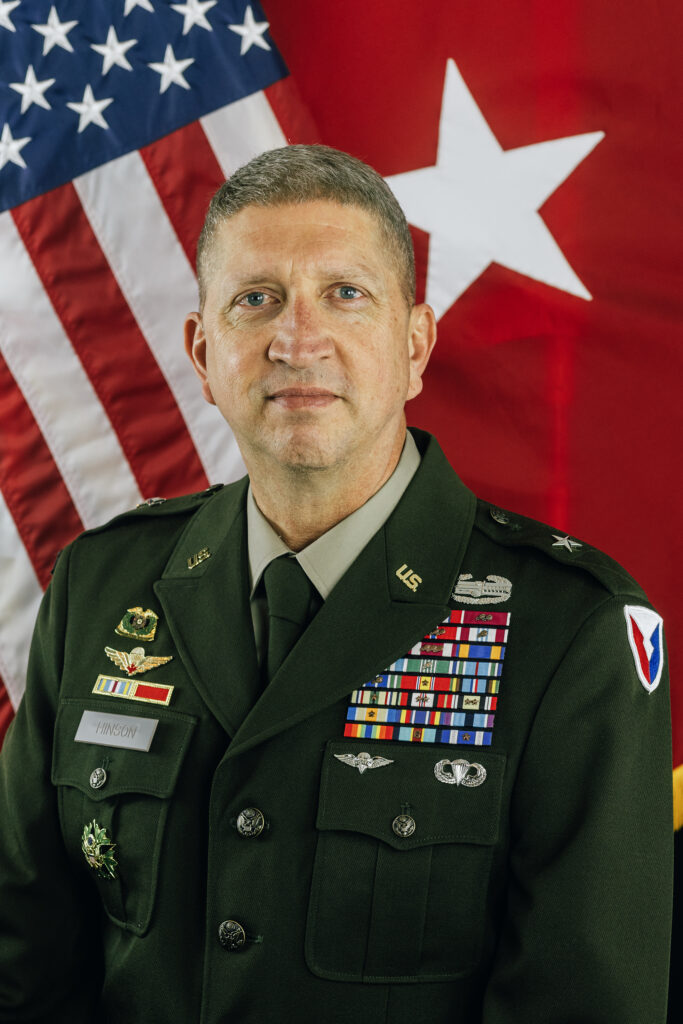
Many expressed anger toward Barnes and the commander above him, Maj. Gen. John Hinson, alleging that both leaders ignored intelligence warnings that Port Shuaiba was a probable Iranian target. They are angry that the generals sent troops there despite internal assessments that advised against the move, in part because the facility lacked adequate defenses against drones, the soldiers said. The assessments were described to The Post by troops familiar with their details.
Neither Barnes nor Hinson responded to requests for comment. The Army declined to address the soldiers’ complaints directly but broadly defended the unit’s leadership and its decision-making.
Several soldiers interviewed for this report said they doubt that the military’s investigation, which was shared with the families of the deceased last week, will hold anyone accountable for moving troops to Port Shuaiba despite known vulnerabilities, or for the lack of medical care some soldiers said they experienced after the attack.
“If we don’t learn from these mistakes, if we just all believe the same lie, then it’ll happen to another unit later on and they’ll end up in the same situation we were in,” said Maj. Stephen Ramsbottom, who was in the building when it was hit.
A U.S. official familiar with the investigation’s findings confirmed that the investigation currently does not address any punitive action or assign fault for the attack and response.
A second U.S. official familiar with the investigation said the soldiers’ understanding of the facility’s defenses was not accurate and that the investigation found that Port Shuaiba and the surrounding area had a layered defense against drones and incoming missiles.
It was not immediately clear when the military investigation’s findings will be made public.
U.S. Army Central, the command that oversees units deployed in the Middle East, said in written responses to questions from The Post that Port Shuaiba was selected “in accordance with operational plans,” was fortified and had enough bunker space for the troops assigned there.
“Intelligence and air defense-related aspects were addressed by the investigation, which will be released at a later date,” Army Central said in its statement.
Army Central has completed a separate classified investigation of the intelligence warnings and defensive capabilities surrounding the attack, an Army official said. Those findings are unlikely to be made public.
The Army’s 103rd Expeditionary Sustainment Command deployed to Kuwait’s Camp Arifjan in September and was responsible for coordinating logistics support for thousands of troops deployed to the Middle East.
Although Camp Arifjan had air-defense systems in place, the Pentagon in the weeks before the war moved troops off its large bases in the region and scattered them across smaller facilities with hopes of making it more difficult for Iran to target American personnel.
Port Shuaiba, situated along the Persian Gulf about 30 minutes from Arifjan, was a candidate and a team from the 103rd was sent to scout it out, soldiers told The Post.
They found immediate issues, three soldiers said.
Port Shuaiba’s “Big Voice” wasn’t working, two soldiers told The Post. The base-wide threat-warning system used loudspeakers mounted high on poles to instruct troops to seek cover when a missile launch was detected.
Nearby air-defense systems did intercept some small drones at and near the port, soldiers said. But Shuaiba did not have any of the systems that would take down the one-way attack Shahed drones — and initial security assessments found that the base was not adequately protected, they said.
It was a worrying shortfall, similar to an attack in Jordan in 2024, when a base without enough air defenses suffered an Iranian proxy drone attack that killed three U.S. troops.
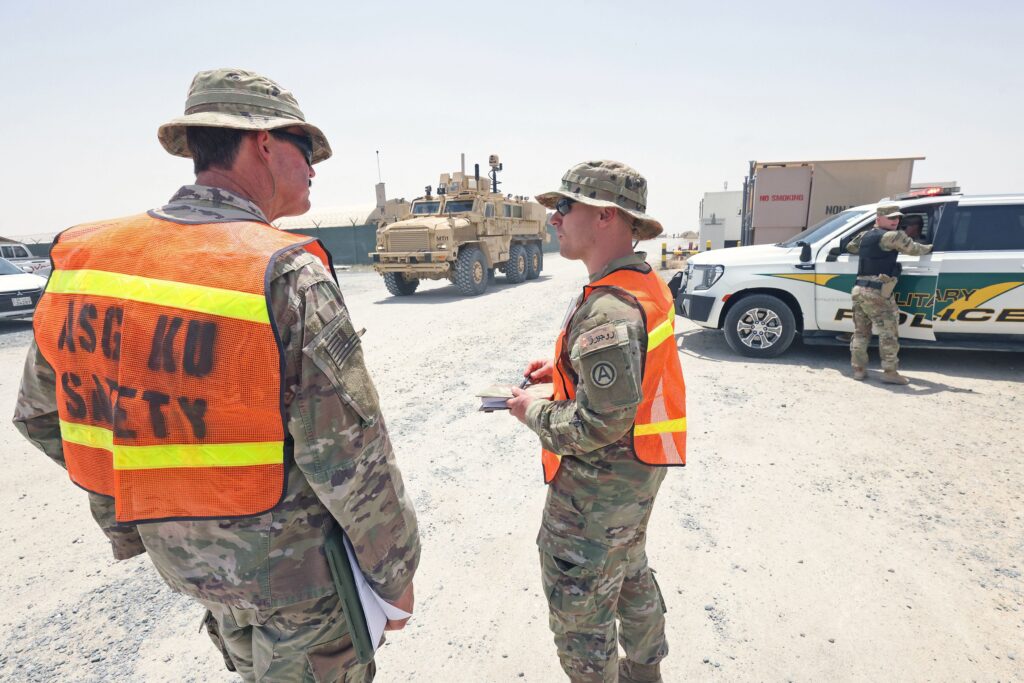
At Shuaiba, there were no overhead coverings to blunt attacks or otherwise conceal troops from overhead surveillance, The Post previously reported, a lack of preparation that runs counter to the Army’s own guidelines.
The unit’s force-protection assessments “recommended against positioning any personnel at Shuaiba Port,” one soldier wrote in a June complaint to the Army Inspector General that was reviewed by The Post. An Army official said the service does not comment on inspector general investigations.
By December, as tensions with Iran swelled and the Trump administration ordered a major military buildup in the Middle East, both Barnes and Hinson received classified briefings on Port Shuaiba’s vulnerabilities, three soldiers told The Post. The generals were also provided intelligence that Shuaiba was on an Iranian hit list, the soldiers said.
“We knew it was an identified target,” one of the soldiers said.
In its statement to The Post, Army Central did not address questions about the unit’s force-protection assessments.
Port Shuaiba may have been considered safe because in the summer of 2025, when President Donald Trump ordered strikes on Iran’s main nuclear facilities, the 103rd’s predecessors in Kuwait had relocated there and not been hit, three soldiers said.
But Iran had responded only in a limited manner then, firing at one major U.S. base but not escalating further against other Western targets.
As Trump publicly threatened military action, Barnes and Hinson were warned that if Iran’s leadership was eliminated, “all locations where U.S. forces might be located would be targeted, not just military bases,” one of the soldiers said.
“We’ve got to change our plan,” another soldier said he told Barnes months before the attack. “This is dangerous.”
Army Central declined to address the claim in its response to The Post.
In the weeks before the unit’s move to Port Shuaiba, soldiers attempted to improve the facility’s protective measures, several of the soldiers said.
Chief Warrant Officer Robert M. Marzan, who was among those killed in the March 1 strike, worked with a few others to get the Big Voice warning system operational, surviving soldiers told The Post. The system was working at the time of the attack, Army Central confirmed in its statement to The Post.
The 103rd also tried to have a truck-mounted drone defense system, called the EAGLS, sent to the facility, two soldiers said. Army Central did not fulfill the request, three soldiers said.
“It was denied because of lack of assets,” one of the soldiers said.
Army Central declined to address the claim in its response to The Post.
The unit also deployed to Shuaiba without their weapons, two soldiers said. “No one even had a weapon,” one of the soldiers said. “No crew-served weapons, no automatic weapons. We left all of that in the arms room at Arifjan.”
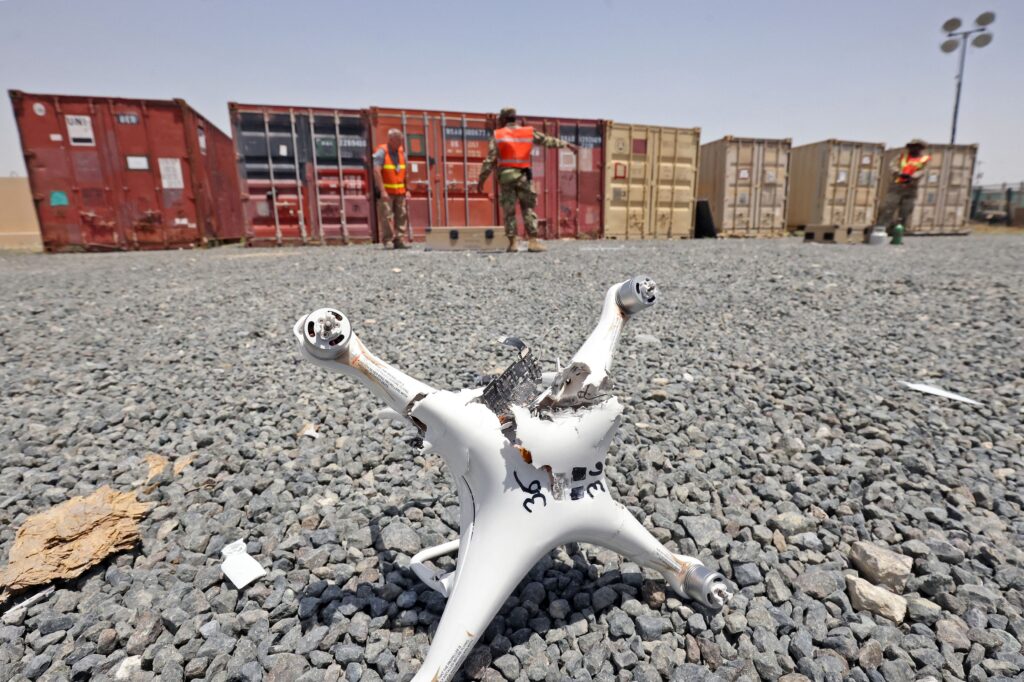
In the days before the strike, multiple soldiers reported seeing quadcopter drones at Port Shuaiba, possibly surveilling them, three soldiers told The Post.
They also said that despite the intelligence warnings, it was widely assumed that a military operation against Iran would be quick, with minimal retaliation, like it had been the summer before.
U.S. and Israeli forces launched Operation Epic Fury at 1:15 a.m. on Feb. 28, attacking more than 1,000 targets across Iran in the first 24 hours. Iran launched hundreds of drones and missiles in response.
Read more James McCann hits two home runs as Diamondbacks thump Dodgers 9-2
When a threat was detected, Port Shuaiba would receive an alert from Camp Arifjan to activate its Big Voice. Throughout that first day, Maj. Cody A. Khork and others staffed the system, sending an alarm throughout the facility for troops to take cover.
The announcements would send soldiers scrambling from the operations center to nearby bunkers, where sometimes they would remain for several hours before receiving an “all clear.”
The disruptions wore on the unit’s leadership, multiple soldiers told The Post. Barnes had a small number of essential staff remain in the building during the alerts, and Hinson told another service member, “We can’t just have people sleeping in the bunkers,” two soldiers said.
Pressure to get back in the building during those alerts also came from Barnes’s senior enlisted adviser, Command Sgt. Maj. Javier Camposano Jr., six soldiers said. Soldiers who spoke to The Post described two instances in which the unit’s leadership urged Khork to see if an all clear could be called, including a half-hour before the fatal attack.
Neither Barnes nor Camposano responded to requests for comment, and Army Central declined to address questions about the soldiers’ claims.
On March 1, the final Big Voice warning before the fatal attack occurred around 4:30 a.m. This time, troops waited for more than four hours in the bunkers and patience grew thin; some chose to go back inside before the “all clear” was called so they could get caught up on their work, several of the soldiers said.
During that time, Camposano urged another soldier to reach out to Khork and ask if the all clear could be sounded so the rest of the force could go back to the operations center as well, six soldiers told The Post. The “all clear” was issued around 9 a.m.
One soldier familiar with the subsequent investigation said that Camp Arifjan did not have a log of an “all clear” being issued — but that there were so many alerts occurring at the same time that it’s possible it was just not recorded.
Army Central did not address questions about the all clear.
About 30 minutes later, a single Iranian Shahed drone found its target and dove.
Two service members who were walking outside when the drone hit said they heard a whistling sound and a noise like a lawn mower.
“When I looked up, it was pretty much vertical,” one of the soldiers told The Post. “There was no real reaction time.”
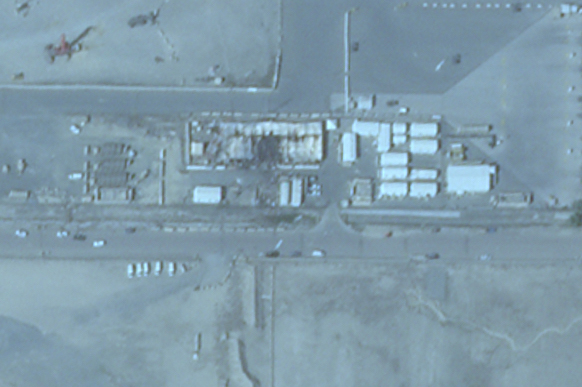
The Shahed crashed into the center of the building. Computers and lights blew out, turning pieces of metal, glass and plastic into shrapnel that cut up the soldiers in the room, survivors recalled.
The blast threw Ramsbottom from his chair and into a hallway, and a piece of shrapnel lodged in the back of his head, he told The Post. He said he came to after hearing a voice yell, “We need help over here!”
Ramsbottom felt his way through the debris to where soldiers were trying to save the lives of Khork and Master Sgt. Noah L. Tietjens, both of whom died in the attack.
“There was stuff on fire everywhere,” Ramsbottom said. “I helped Tietjens get out. Then, as I kept going back to the building, people were just bringing people out and handing them to me.”
Ramsbottom did not see either of the two generals, he said. They weren’t at the muster point inside Port Shuaiba and the Chevy pickup trucks used by the generals were gone, he said.
“We asked where they were,” Ramsbottom said. “And I remember somebody saying, ‘Well, Hinson was bleeding pretty badly.’”
Hinson was last seen by the soldiers who spoke to The Post sitting near a bunker with Barnes. His face was bloodied and he appeared dazed, two soldiers recalled.
Barnes did not appear to be injured, two of the soldiers said. The Army deferred questions about Barnes to the Army Reserve, which did not respond to a request for comment.
Army Central defended the generals’ actions in the aftermath of the attack, saying in its statement to The Post that leadership “immediately assisted with the on-scene evacuation of personnel and worked directly with personnel on the ground to establish initial accountability before being medically evacuated due to their own injuries.”
In its statement, the command said that Hinson suffered a traumatic brain injury (TBI) and a wound to his hand. The statement did not address what injuries Barnes may have had.
None of the troops interviewed by The Post recalled seeing Hinson or Barnes assist as survivors carried out the dead and tended to the wounded.
“A lot of us were hurt,” Ramsbottom said, adding that the shrapnel in the back of his head was painful but that he was not bleeding as profusely as some others were.
“We stayed,” he said, “and made sure everyone got out.”
In addition to Khork, 35; Marzan, 54; and Tietjens, 42, the strike resulted in the deaths of Master Sgt. Nicole M. Amor, 39; Sgt. Declan J. Coady, 20; and Maj. Jeffrey R. O’Brien, 45. More than 30 others were injured.
From the muster point inside Port Shuaiba, the attack survivors climbed into unit vans and trucks and drove themselves to a hospital in Kuwait City, several of the soldiers said. The injured spent a day there before being sent to safe houses nearby, they said.
A few days later, about 10 troops — the most seriously wounded — were evacuated from Kuwait for more intensive medical treatment. Two dozen others were flown out on March 10, nine days after the attack.
For many of the troops, their final encounter with Barnes occurred in a parking lot in downtown Kuwait City. He shook each soldier’s hand as they boarded a bus that took them to a C-17 transport plane bound for Germany, several soldiers said.
“He told me he was proud of me, that I’d done a good job,” said one.
Soldiers told The Post that they still needed medical care at that point, for shrapnel wounds and broken bones, or that they had not been screened for brain injuries or other internal wounds. They said they felt relief once they knew they were headed to Germany, home to a premier military hospital, Landstuhl Regional Medical Center.
But when they arrived in Germany, military medical teams “had no clue we had injured [personnel] on the flight,” said one of the soldiers.
Doctors told them that because the soldiers weren’t recorded on the flight’s manifest as medical evacuees, or listed in the military’s casualty-processing database as seriously injured, the hospital could not admit them, several soldiers said.
They did have their wounds dressed and received some treatment in the ER, but only as outpatients. They were then sent to nearby barracks to wait for a flight to the United States.
At Landstuhl, “everyone said the same thing,” one soldier said. “‘We’re sorry. It’s the system. There’s nothing that can be done.’”
Officials at Landstuhl did not respond to requests for comment.
In its statement, Army Central defended its handling of the wounded, saying that “medical professionals in theater” first determined how to classify their injuries and that all affected personnel received “continuous physical, behavioral and TBI care.”
To investigate the tragedy, Hinson initially appointed a mid-career officer under his command to conduct the review, an Army official told The Post. That alarmed some of the unit’s soldiers who answered questions from the officer. One said they came away with a sense that “we are investigating ourselves and found no wrongdoing.”
A military officer who has conducted investigations of high-profile incidents like the Port Shuaiba attack explained that to ensure such reviews are done objectively, it is essential that the person in charge come from outside the affected organization.
“The whole point,” this person said, “is to have a disinterested officer.”
In its statement to The Post, Army Central said that Hinson’s appointee was tasked only with collecting preliminary information. An Army official told The Post that the investigation was later taken over by Army Central and overseen by a more senior officer.
The investigation’s findings were approved by Lt. Gen. Patrick Frank, this official said. Frank was head of Army Central at the time of the Port Shuaiba attack. The Trump administration recently made him the No. 2 general at U.S. Central Command, which has coordinated all aspects of the Iran campaign. A spokesman for Frank said the general was declining to comment on the investigation at this time.
After a week in Germany, the wounded troops departed for the United States. Before boarding their flight, each soldier and their belongings had to be weighed on a large scale.
“I told them ‘We have a lot of extra bags’ because we had carried the fallen’s stuff, and the wounded’s stuff,” one soldier said.
When crews weighing their luggage saw the large pile of gear, “you could see it in their faces,” the soldier continued. “Two of them started to cry.”
Read more Lionel Messi’s World Cup scoring streak ends, but his assist sparks Argentina’s win over Switzerland
Jarrett Ley and Aaron Schaffer contributed to this report.