In today’s edition … Trump wants Graham’s sister to replace the late senator … We ask you about fencing around the White House … but first …
Read more Andy Reid is voted the NFL’s top head coach by AP writers for the fourth straight season
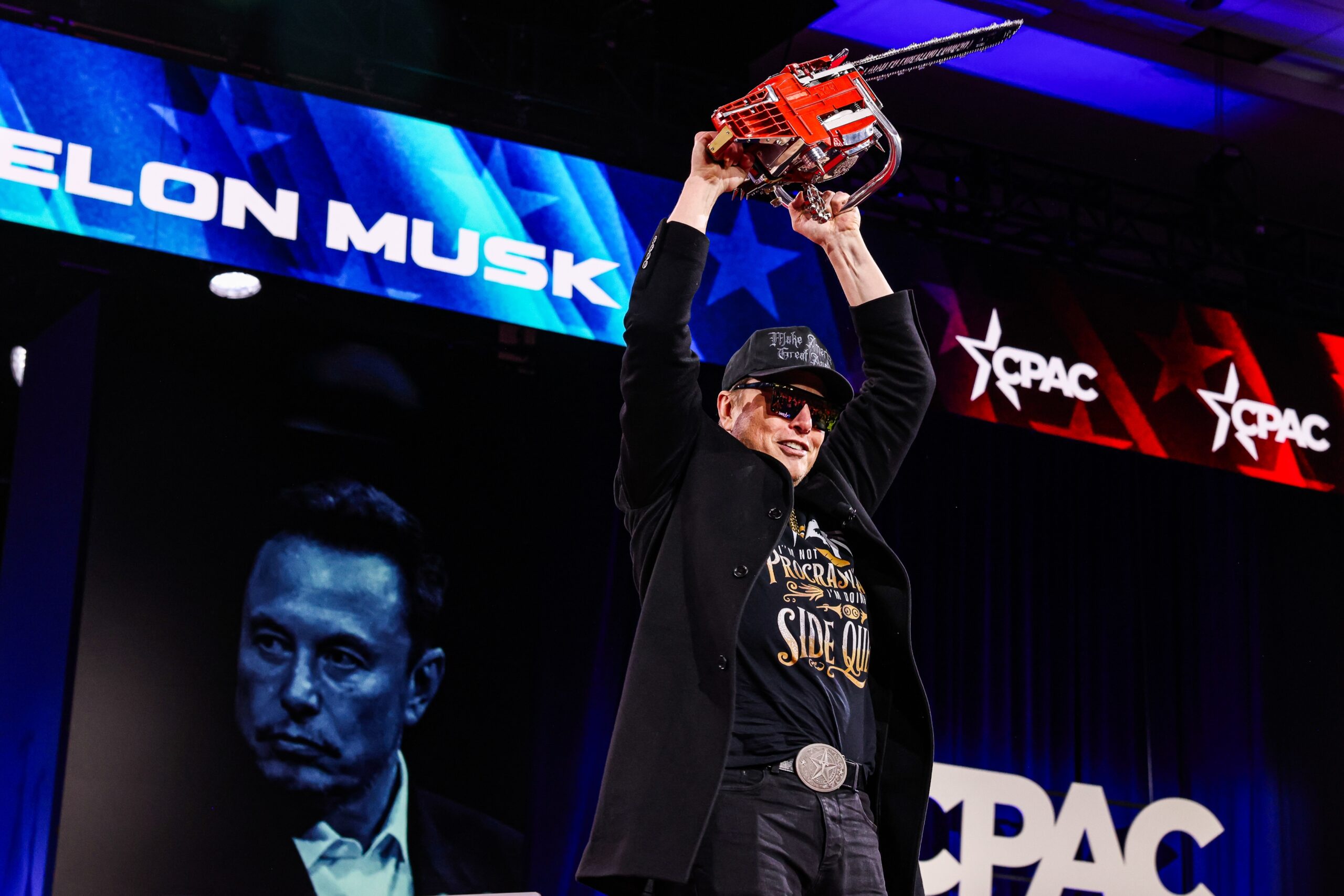
Signs of extreme wealth are nearly everywhere you look. Elon Musk’s wealth recently soared beyond $1 trillion after SpaceX went public. Ultra-wealthy couples are taking over large swaths of major cities for their weddings. And even President Donald Trump’s wealth while in office grew on a scale without precedent in modern presidential history.
All of this has some progressives convinced that the political appetite for a national wealth tax on the ultra-rich is stronger than it has been in years.
Enter “Tax the Greedy Billionaires,” a progressive national advocacy campaign trying to seize this moment by pushing members of Congress to run on a wealth tax ahead of the 2026 midterms.
Igor Volsky, the organization’s campaign director, was blunt when asked whether this kind of project would have been possible even five years ago: “No.”
“What we’ve seen over the last couple of years is the kind of blatant exercise of billionaire power that so many folks have been warning us about over the past couple of decades,” said Volsky. “That’s why the issue is in the zeitgeist.”
Their proposal is relatively simple. The group is pushing Democrats to run on what is known as a Five & Dime tax plan that would impose a 5 percent tax on household net wealth over $50 million and 10 percent on net wealth over $250 million. The Tax Policy Center, a joint research project between the Urban Institute and the Brookings Institution, has found that such a plan would raise $6.8 trillion in the first 10 years.
But wealth taxes have long faced practical and legal objections, including how to value hard-to-price assets, how to prevent avoidance and whether a national tax on net wealth would survive constitutional challenge.
Liberal members of Congress, like Rep. Chris Deluzio (D-Pennsylvania), argue the need for this kind of tax has never been higher because the way the ultra-wealthy generate wealth — through return on investments and taking loans against their assets — has led those families to pay “historically low taxes at a time when the share of wealth held by the richest Americans has really soared.”
“Generating revenue for our government by breaking some of that power and impacting these folks is the fiscally responsible thing to do,” Deluzio told us. “When you have people making a paycheck who are school teachers or firefighters or nurses who have a higher effective tax rate than a millionaire, that’s some crazy stuff.”
The idea of taxing the rich is not necessarily new in American politics. Democrats have long argued that the wealthy should have to “pay their fair share,” and in 2024, Democratic nominee Kamala Harris would often tie the rise of the wealthy to the need to protect democracy, homing in on the way billionaires like Musk were spending in elections.
But in a sign of how the proverbial Overton window has shifted in the past two years, Tax the Greedy Billionaires’ argument centers far less on protecting democracy and far more on how that wealth is making life harder for others, from raising rents in American cities to driving up health care costs.
And Volsky, who says the “pay your fair share” talking point is “outdated,” argued that is why a key goal for the group is showing members of Congress — even skeptics — that the public is likely “far ahead of them on this issue.”
A 2026 poll by the Pew Research Center backs this up.
The poll found that roughly 6 in 10 adults say the feeling that wealthy people and corporations don’t pay their fair share “bothers them a lot.” Among Democrats, 81 percent said that about wealthy people, compared with 41 percent of Republicans.
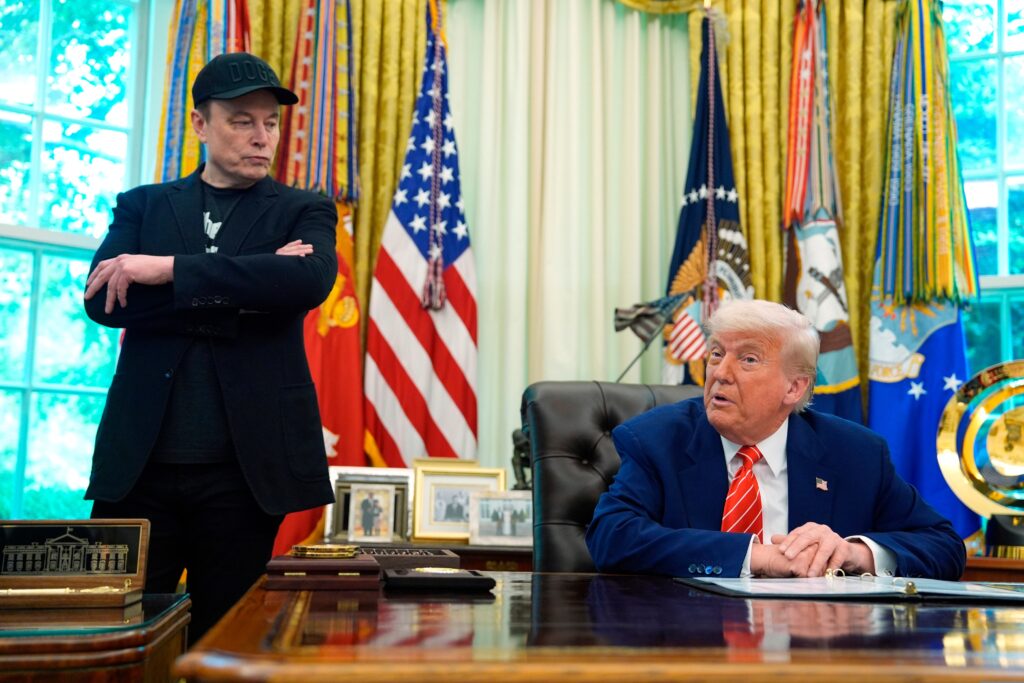
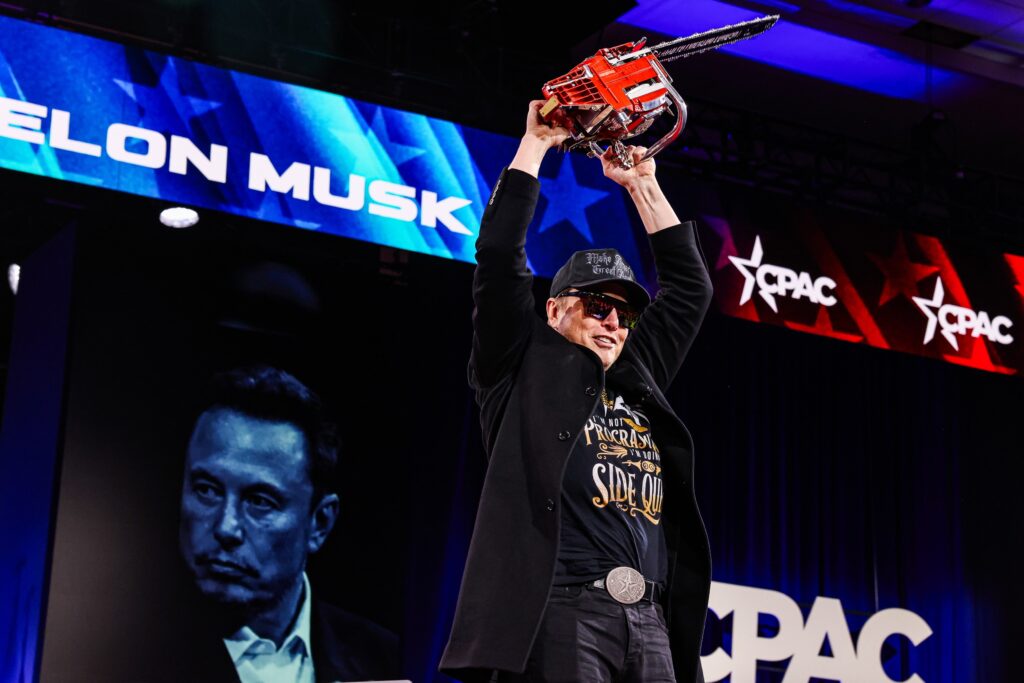
Musk has become one of the clearest symbols of this shift. The now-trillionaire played a major role in Trump’s 2024 campaign and the first year of his administration, slashing government spending and jobs as his personal wealth continued to soar.
“At a time when Elon Musk is set to become a trillionaire after wreaking havoc on our government, it’s clear we need to rein in the unprecedented power of the ultra-wealthy,” Rep. Greg Casar (D-Texas), the chair of the Congressional Progressive Caucus, said in support of a wealth tax.
So where does this issue go from here?
Volsky’s goal is to thrust this issue into the conversation this year, with the hope of a wealth tax becoming a key issue in Democrats’ 2028 presidential nominating process. Many Republicans have firmly opposed a wealth tax. Rep. Virginia Foxx (R-North Carolina) said during a speech on the House floor this year that Democrats are telling “half truths” about how the wealthy pay their taxes.
And some Democrats, like California Gov. Gavin Newsom, have opposed a wealth tax in his state, arguing that the wealthy will just leave the state or shift their wealth. Newsom says he supports a national wealth tax.
Read more Swiss veteran Yann Sommer joins Club Brugge on a 3-year deal in a bid for a Champions League return
Volsky called Newsom’s positioning on the issue “incredibly disappointing” and argued it suggests he feels he needs wealthy individuals to support his future political aspirations. But he added that his belief is that Newsom is the Democratic exception, not the rule.
“The public is really far ahead on this issue,” Volsky said. “This old playbook of asking the ultra-rich or billionaires to just pay your fair share so that we could raise enough revenue to pay for a particular program simply isn’t meeting the scope of the crisis that we’re in or the challenge that we face.”
The tenuous ceasefire with Iran seems to be breaking down.
Trump said Monday that U.S. military is reimposing a blockade on Iranian ports, colleagues Gerry Shih and Michael Birnbaum reported, reversing one of the final major concessions the United States made to Iran to help ink the ceasefire.
“We are reinstating the THE IRANIAN BLOCKADE, so named because it is only stopping Iran’s ships or customers from entering or leaving. All other countries will have fair and open use of the Strait,” Trump wrote on Truth Social on Monday.
The ceasefire with Iran had already been on remarkably shaky ground after days of airstrikes around the Strait of Hormuz. While talks between the countries continued over the weekend, they failed to reach an agreement, further dooming the ceasefire.
As we noted in a newsletter last week, that is particularly bad news for Trump and Republicans, who had needed the Iran war to wind down as they face voters in a few months. The war has pushed oil and gas prices higher, threatening to worsen inflation and further exacerbating economic anxiety among voters.
Trump has tried to project that this move will be good for the economy. The strait, he wrote, is “OPEN, and will remain OPEN, with or without Iran.”
But the president added to his post that the United States would charge “a 20 percent fee on all cargo shipped, for any and all costs necessary to do the job of providing safety and security to this very volatile section of the World.” That kind of tax would likely only drive oil and gas prices higher.
“I’ve seen enough and believe the national average price of gasoline will again reach $4/gal in the next 7-10 days, if not sooner,” wrote Patrick De Haan, head of petroleum analysis at GasBuddy. “Oil now up nearly 10% – I’d expect price increases of 15-45c/gal (depending on price cycling state or not) in the next week or so.”
VT Digger: Severe flash flooding rocked Vermont in 2023, reshaping landscapes and lives. On the anniversary of the flooding, Vermonters recalled the terror and how the fear has not gone away. “Three years later, I still worry every time heavy rain is forecast,” said Corinne Cooper, who lost her home in 2023.
The Daily Sentinel (Grand Junction, Colorado): Have you heard the story of the firefighting goat? Her name is Goldie — short for Golden Oreo — and she chomped on brush alongside firefighters dealing with a small fire in Colorado.
Bangor Daily News (Maine): Maine House Speaker Ryan Fecteau said Monday that ICE agents were involved in a shooting on Monday that left one person dead in Biddeford. Fecteau represents the area. The shooting immediately impacted the state’s newly created Senate race, with candidates weighing in.
Many of you expressed concerns about political interference in federal science funding. Our colleagues Riley Beggin, Susan Svrluga and Federica Cocco recently reported that scientific researchers are worried that a new Trump rule could end U.S. scientific dominance.
Rick Prescott wrote that he is worried about the damage that political interference has had on science.
“It will take years to repair all the damage,” wrote Prescott.
“Scientific research decisions should be left to people with a science background, preferably people with strong science and academic backgrounds,” wrote Jim Kramper, a retired National Weather Service meteorologist. “Trump is not a scientist, has no science background, yet, for example, claims that climate change is a hoax. Based on what? His opinion? That is dangerous and will put the United States way behind other countries, such as China, in scientific discoveries.”
And Martha Mattus wrote, “America will not only lose scientific dominance if politicians take over decision making in funding scientific research; we’ll lose millions of lives.”
One of the most common complaints about Washington, D.C., under Trump is how fortified the White House is, and how difficult it is to get close to the federal mansion. Trump officials are now proposing fencing off public spaces outside the White House. What do you think of this plan? Do safety concerns outweigh the public’s desire to see the White House up close? Have any of our readers had recent trips to Washington changed by security fencing? Let us and your fellow Early Brief readers know at [email protected].
Read more Josh Allen is voted the NFL’s top quarterback by AP writers
Thanks for reading. You can follow Dan on X at @merica.