Three deaths in a week have launched an international outcry and roiled a Senate race.
Read more New Mexico and the DOJ are fighting over Epstein documents. Here’s where it stands.
President Donald Trump is ramping up his mass deportations again, surging immigration agents into communities across America. Within the past week, three people have been killed, leading to an international outcry, roiling a key Senate race and raising concern among civil liberties experts that armed immigration agents continue to operate in America with impunity.
Amid the violence and chaos, Trump is defending Immigration and Customs Enforcement agents carrying out his deportations.
“The men and women of ICE are doing a GREAT job, one that has to be done,” Trump said in a social media post on Wednesday.
Here’s what’s going on.
On Monday, a federal immigration agent fatally shot a man in Maine as he drove away from authorities. He was a 25-year-old Colombian father who had permits to work in the United States.
Six days earlier, an undocumented immigrant from Mexico was fatally shot by an ICE officer as he drove his work van in Houston.
Both men were in cars, and no ICE agents were wearing body cameras. Details are murky; video pieced together from security cameras in Houston by The Washington Post shows agents in unmarked cars following the work van, at times aggressively.
A third person died Tuesday when he was hit by a truck while fleeing agents in Florida.
The incidents follow two fatal shootings of American citizens in January, after Trump surged immigration agents to Minneapolis.
Trump has never let up on his campaign to deport as many undocumented immigrants as possible, despite the sinking popularity of his efforts after the Minnesota operations. But ICE spent some time recalibrating how to do it, said David Bier, director of immigration studies at the libertarian-leaning Cato Institute.
As November elections loom in which Republicans could lose control of Congress, immigration agents are out again, this time across the country.
Experts say violence is inevitable when there’s so much political pressure on agents to make arrests and such high stakes for those who are detained (migrants face indefinite detention in warehouses and deportation).
“I think what the last few weeks and months have shown is that immigration agents don’t care who you are when they are going to use violence,” said JoAnna Suriani, a lawyer with the antiauthoritarian group Protect Democracy. “The last two instances have been immigrants who have varying levels of documentation, who are peaceful, law-abiding economic contributors to their communities and by all accounts good family men. And they were murdered in the streets.”
Just as inevitable might be the political backlash to this. Latino voters are wary of ICE, fearing they and their families might get caught up in its raids, said Stephanie Valencia, who heads Equis Research, which studies Latino voters.
Read more England and Argentina make team changes for the World Cup semifinal
“There’s this sense that, even if you immigrated the right way, if you look a certain way in this country today, you are at risk,” she said.
After the shooting deaths of two Americans in Minnesota, ICE briefly got bipartisan scrutiny from Congress. A number of Republican lawmakers wanted immigration officers to stop entering homes without a warrant, stop operating in crowded cities and start wearing body cameras.
There was also a push for ICE to focus on deporting only migrants with criminal records.
“Deport gangs, not grandmas,” urged Rep. Gabe Evans (R-Colorado) in February.
Ultimately, Congress didn’t make major changes to how immigration agents operate. Last month, Republicans approved $70 billion for immigration enforcement, funding ICE through the end of Trump’s term.
The Trump administration says that it is focused on making communities safer and that 70 percent of those deported have criminal records, which could not be independently verified. A sizable number of people detained over the past year have no criminal records, and include children.
Mexican President Claudia Sheinbaum has demanded a criminal investigation into the killing in Houston. But that seems unlikely. After every death at the hands of ICE, the Trump administration has doubled down on protecting its agents and has tried to cast those killed as the aggressors, despite evidence emerging at times to the contrary. In Minnesota, no federal agents involved have faced charges. It’s taken months for state authorities to get ahold of evidence from the federal government as they pursue their own investigations.
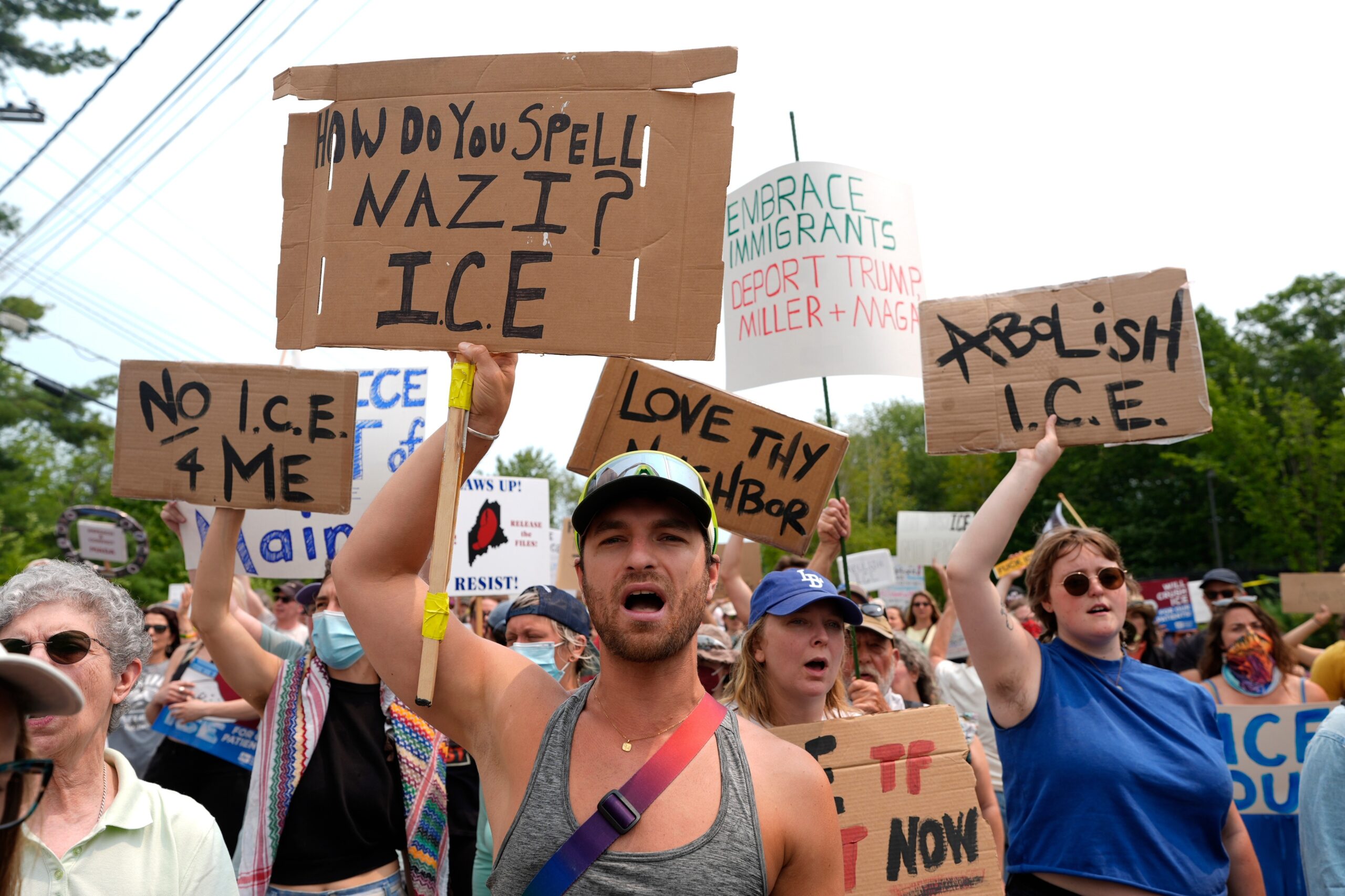
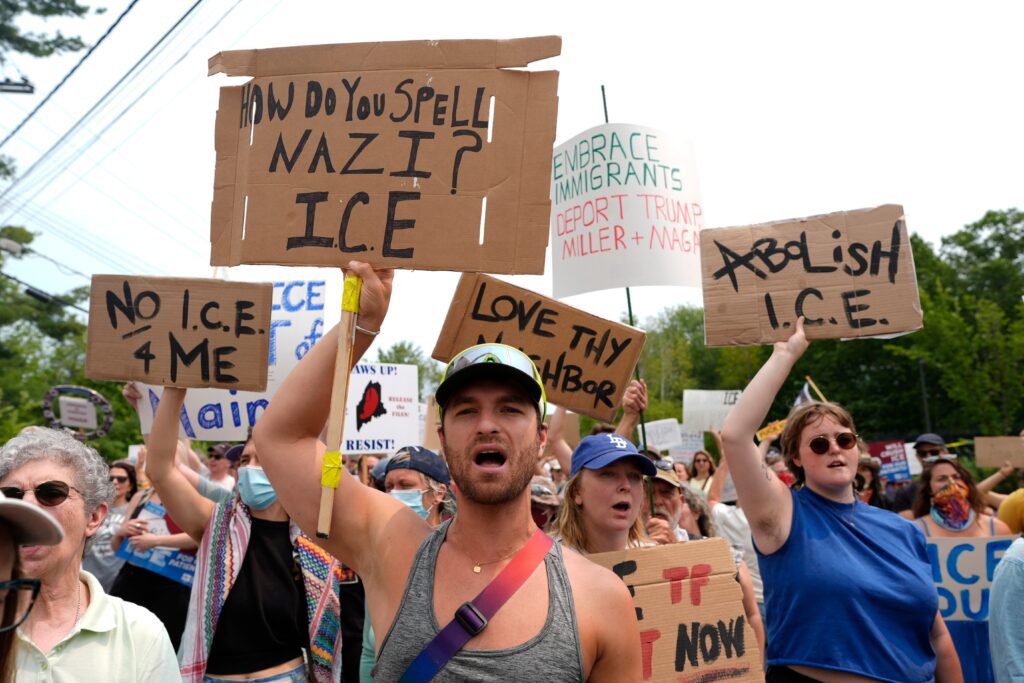
ICE made one concession this week as protests spread in Maine, where a critical election for control of the Senate is taking place: The agency said it would pause conducting traffic stops. Six people have died in cars at the hands of ICE agents since the start of Trump’s second term.
Trump threw that change into doubt Wednesday as he praised agents on social media, writing: “We CANNOT give up one of I.C.E.’s most important and effective Crime Fighting tools, THE TRAFFIC STOP!”
Another concern among experts is the lack of documentation of agents as they interact with an increasingly wary public.
ICE leaders have said their agents are masked and not wearing cameras to protect them from unprecedented harassment from the public. Critics see ICE trying to carry out its unpopular deportation tactics as secretly as possible.
“They could have prioritized getting body cameras to all their agents after Minnesota,” said Bier. “They didn’t, and I think there’s an obvious explanation, which is they don’t want the public to see exactly what happens — not just the shooting but everything that leads up to one of these stops. Why are we stopping a guy who’s in a white van and looks Hispanic? They don’t want all of that on video in the public domain.”
Amber Phillips writes The 5-Minute Fix newsletter, a quick analysis of the day’s biggest political news. Send her an email here, or ask a question that could be featured in an upcoming newsletter.
Read more Distance debate at this British Open is how far the golf ball goes on the ground