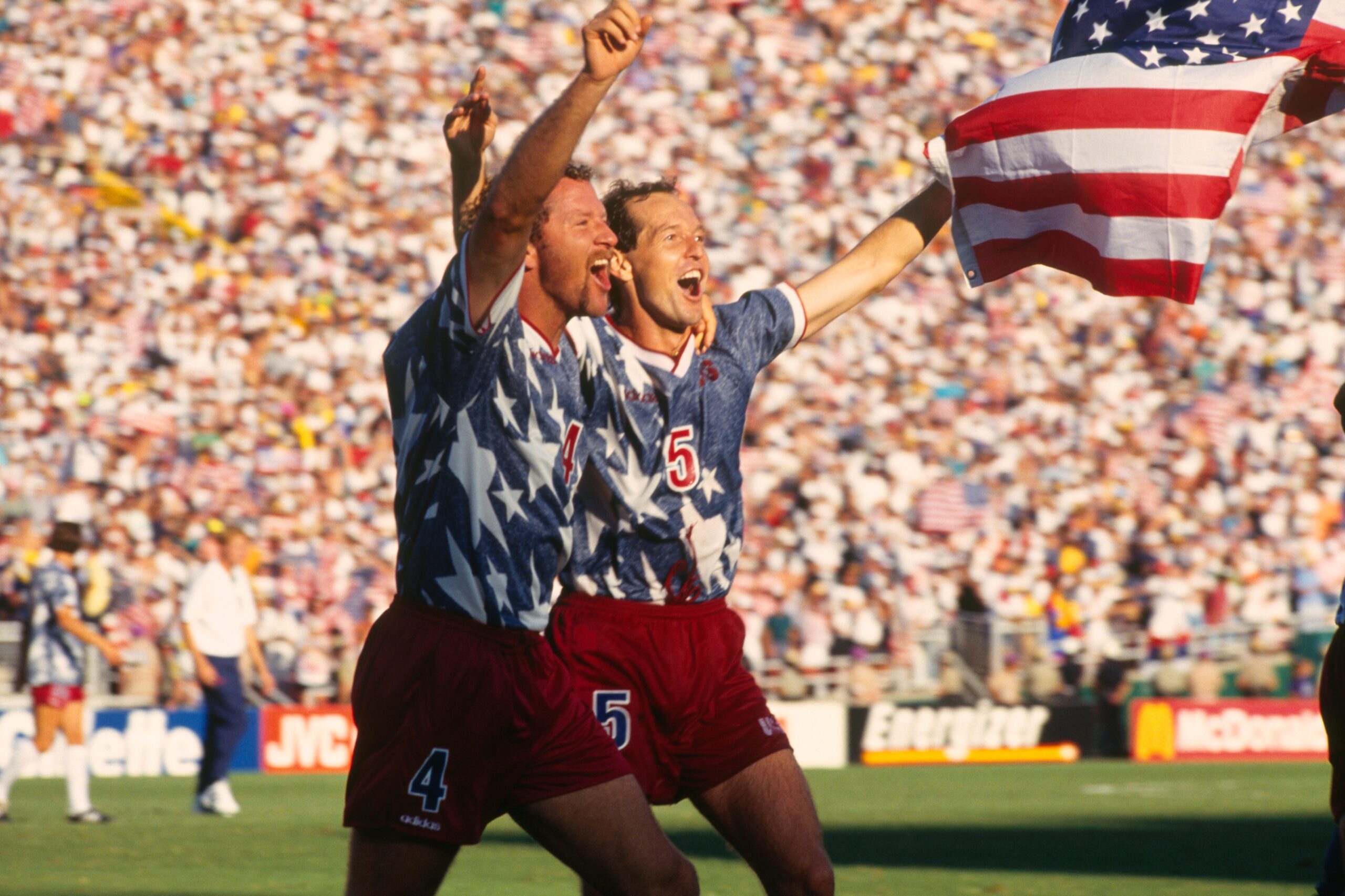
Before the United States could have its first World Cup, it needed its second pro soccer league.
Read more Trump continues overhaul of White House grounds with new Rose Garden statues
In the late 1980s, before FIFA awarded the U.S. the 1994 World Cup, American officials had to promise FIFA it would create a professional league.
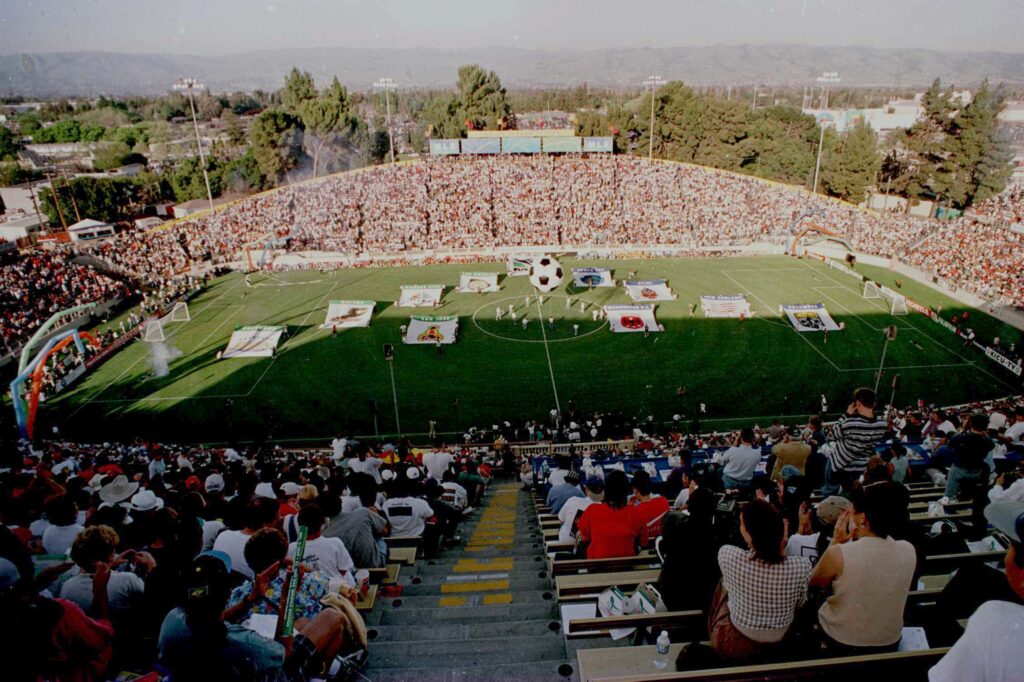
That wouldn’t be easy. The previous attempt, the North American Soccer League, had fallen apart in 1985 after 18 years in business. But FIFA expected a league, so as the sport’s American governing body, the U.S. Soccer Federation, began planning a World Cup, it also was building Major League Soccer. In 1996, two years after the globe’s biggest soccer stars had gone home, MLS played its first matches.
“The legacy of 1994 was a league, but it didn’t happen organically; it happened contractually,” recalled Doug Logan, the first MLS commissioner.
Soccer bloomed in the U.S. after the 1994 tournament. Nowhere is this more apparent than in the rise of the MLS, which went from 10 teams in its first season to 30 today, most of which play in soccer-only stadiums built over the past two decades.
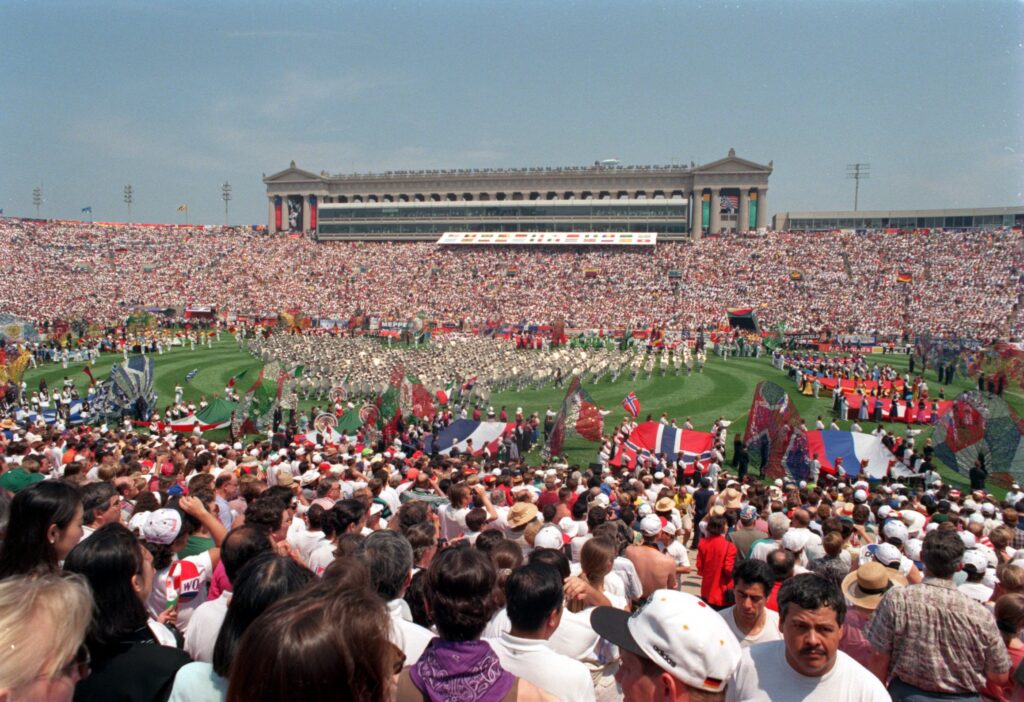
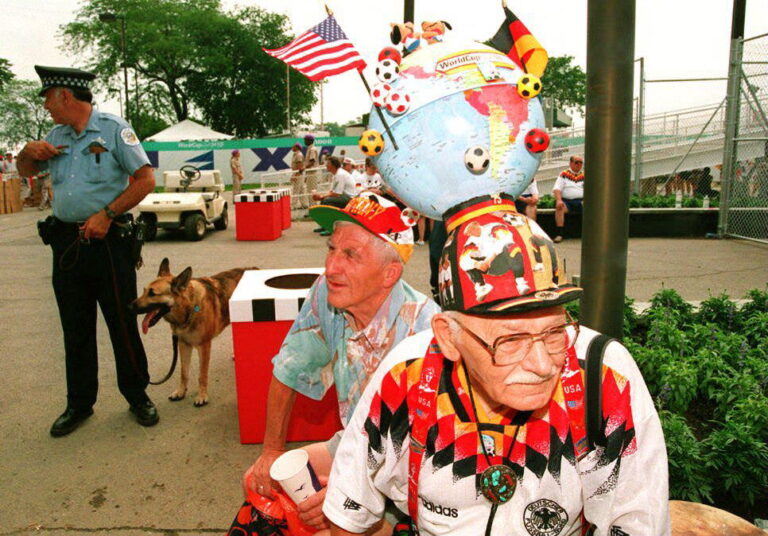
But the impact of the country’s second World Cup, which ended Sunday when Spain outlasted Argentina to cap the tournament, is harder to predict. Exciting matches with stunning finishes have captivated television audiences. Star players have become even more popular, and the debate that followed the U.S. team’s loss in the Round of 16 shows the country is more engaged than ever with soccer.
Yet in a country with two thriving pro leagues, the MLS and NWSL, and robust youth organizations coast to coast, the changes are unlikely to be as obvious.
“What does soccer look like in the United States on the day after the World Cup is over?” asks former U.S. Soccer president Sunil Gulati, who helped lead the bid that brought this year’s World Cup to the U.S., Canada and Mexico. “We’re not going to know the answer on Monday, that’s the point. I don’t expect viewership to quadruple on Wednesday for next week’s [MLS] games.”
But, he wonders, how many more people will watch MLS, NWSL and overseas soccer in the coming weeks and months? Will the advertisers that rushed to make World Cup commercials stick around to build campaigns around the pro leagues or the men’s and women’s national teams?
Ultimately, this World Cup might bring modest innovations or rules changes. It will set attendance records and, as the first World Cup with 48 teams, will probably lead to more teams and more matches in the coming years. It won’t fundamentally change American soccer. That happened 32 years ago, when the World Cup came here the first time. But it may stoke the fire.
“The landscape is quite different” than in 1994, Gulati says. It’s not about a new league surviving or getting people to watch soccer games. “This now is harder than [just] growing the game.”
The U.S. was not an obvious choice for FIFA leaders in 1988 when they met to pick a host for the 1994 tournament.
In addition to the failed NASL, the country had no soccer tradition, hadn’t been to a World Cup since 1950 and had a rabid sports culture built around the NFL, the MLB and the NBA. The U.S.’s biggest selling point was the 1984 Los Angeles Summer Olympics, which had been profitable at a time when many other Games had drained host cities’ budgets.
But any doubts that the country could organize an elite soccer tournament were eased in the early 1980s as the U.S. hosted a pair of test tournaments against some of the world’s top national teams. Once the World Cup came, the stadiums were mostly filled and the U.S. team advanced from the group stage with a win and a tie before losing 1-0 to Brazil in the round of 16.
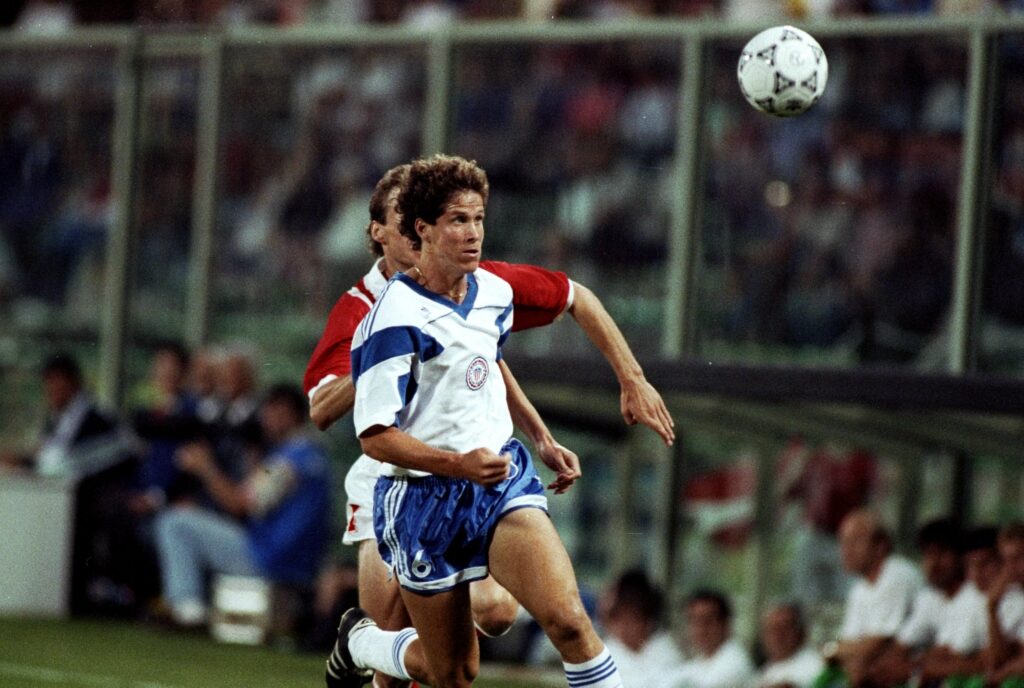
In addition to respect, enough money poured in to solidify U.S. Soccer, build training centers and create a development system. FIFA also felt comfortable letting the U.S. host the Women’s World Cup five years later.
“It really galvanized our country,” says Bruce Murray, a star on the 1990 U.S. team, the first to go to the World Cup in 40 years.
Still, when the MLS started, Murray was skeptical. There was worry, he says, that players would get paid well enough to want to stay. But as the years went on and the league got stronger, he saw a change. He noticed players from countries such as Mexico, Paraguay and Uruguay coming to the U.S., especially talented wings who were fast and had great skill. The MLS, he realized, was no longer an afterthought to players from other countries.
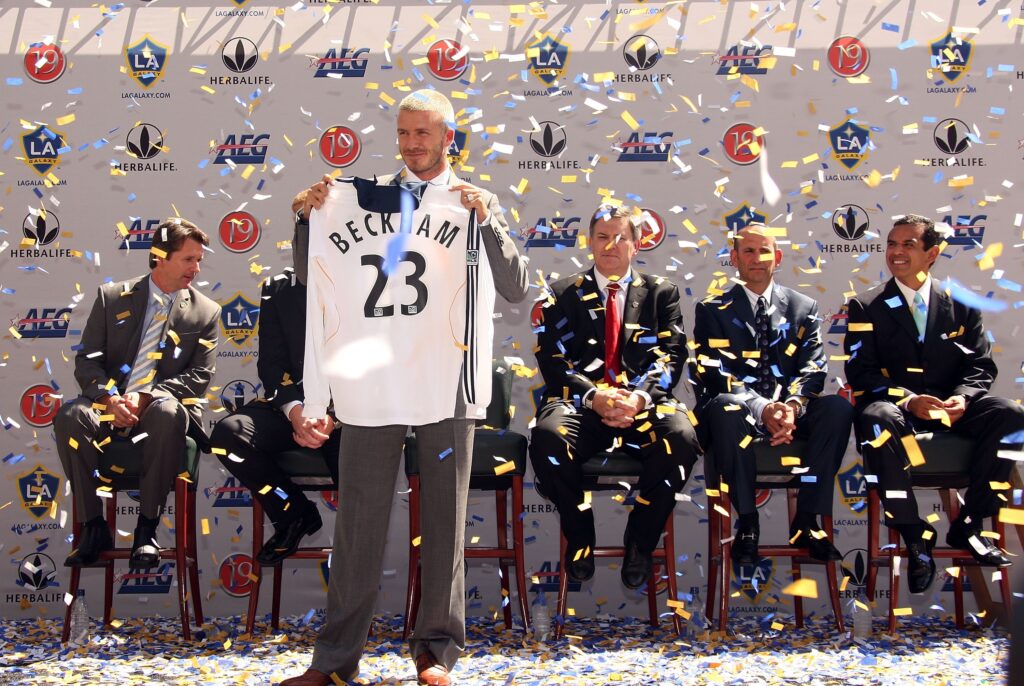
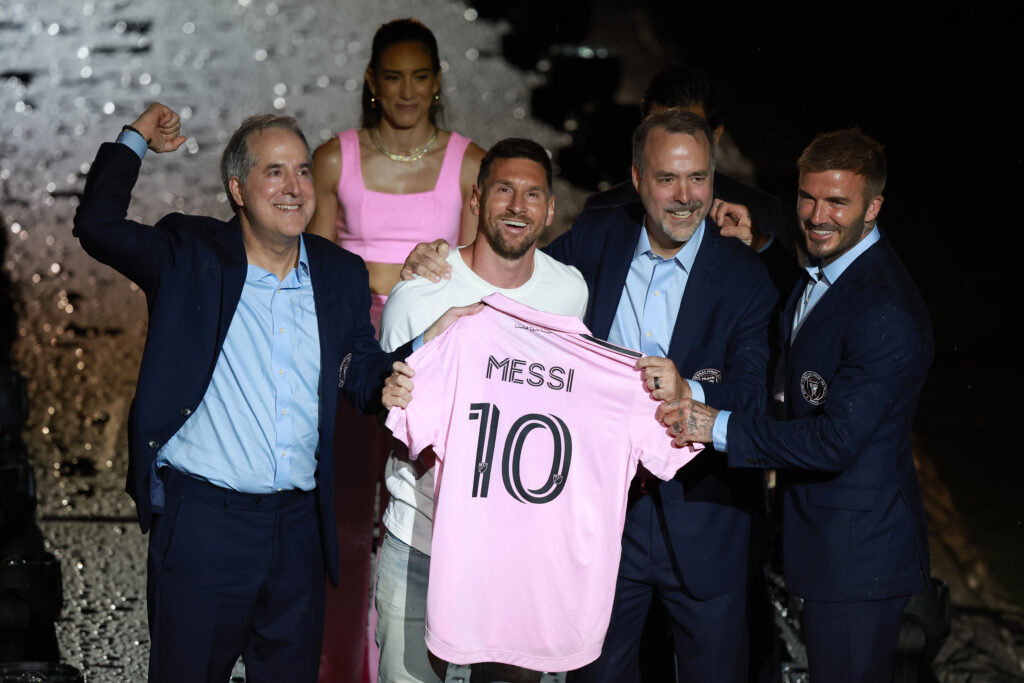
Stars such as David Beckham and, later, Lionel Messi brought credibility. The MLS has 45 players in this year’s World Cup, the sixth-most of any league, behind only the top leagues in England, Germany, Spain, France and Italy.
The debate that raged after the U.S. loss to Belgium in the round of 16 is also seen as progress by some in the soccer community.
Read more Small-town fight over corruption, abuse may haunt GOP candidate for Arizona governor
“It came up more than in 1990 because more people care,” Gulati says. “Now we have 50 million people watching. That’s a positive sign.”
The other day, while out on a run, Murray stumbled across a group of men around his age arguing about soccer. Intrigued, he stopped and asked the men how much they knew about the game.
“Nothing,” they said.
“But they had been watching the World Cup, and now they were interested,” Murray says.
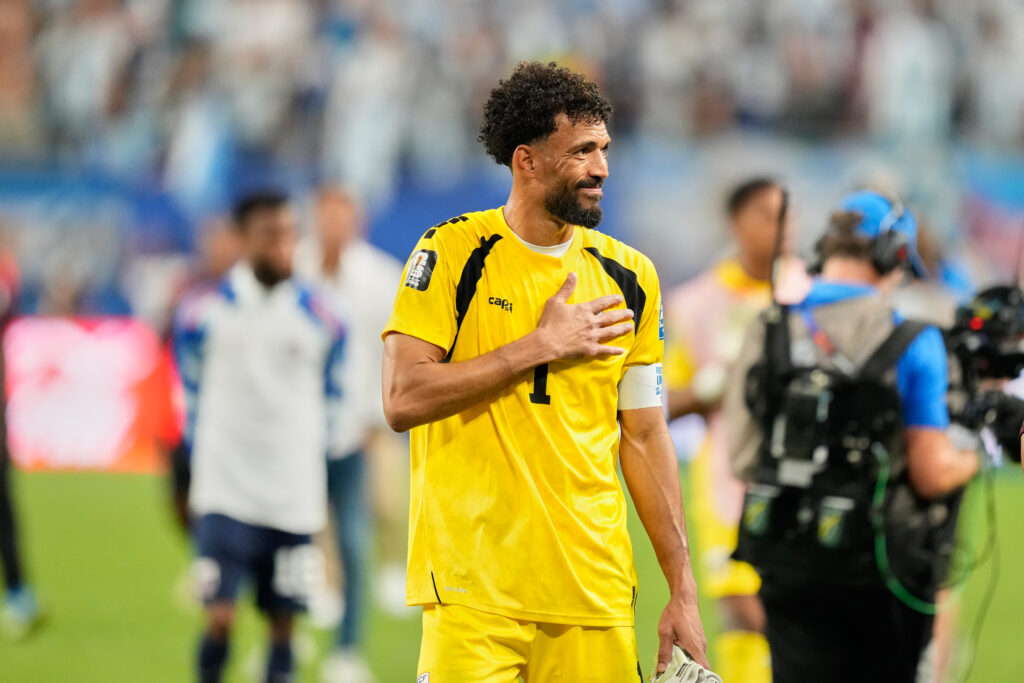
If there is a legacy of this World Cup, it might be the stories. Murray and Gulati both imagine people remembering for years Messi’s late-game goals, and England holding on to beat Mexico in Mexico City with only 10 players, and Cape Verde’s incredible run behind a 40-year-old goalkeeper.
“Maybe it’s me, but I can’t remember a better World Cup than this one,” Murray says.
Much of that is probably due to what he calls “the late game fireworks”: the flurry of goals scored in extra time or overtime, periods that have often been devoid of action in past World Cups. He suspects this is because of the hydration breaks, added to this tournament to handle the extreme summer heat. He believes the breaks, especially in the second half, give a boost of energy that teams have never had at the end of matches before.
“Having fitness is part of the game,” he says. “If you get five minutes of rest, you are a whole new man.”
He predicts the hydration breaks will become a regular part of professional soccer, as do others who recognize the potential to sell ads for slots in the middle of games.
“One of the biggest problems is calling it a hydration break. They should just split the game into quarters,” says Alan Rothenberg, who ran the 1994 World Cup and was president of U.S. Soccer in the 1990s. “But the breaks also help. They let teams come together. Traditionalists will be upset … but they’ll get over it.”
Rothenberg says this World Cup will lead to another change in global soccer: examining the replay system.
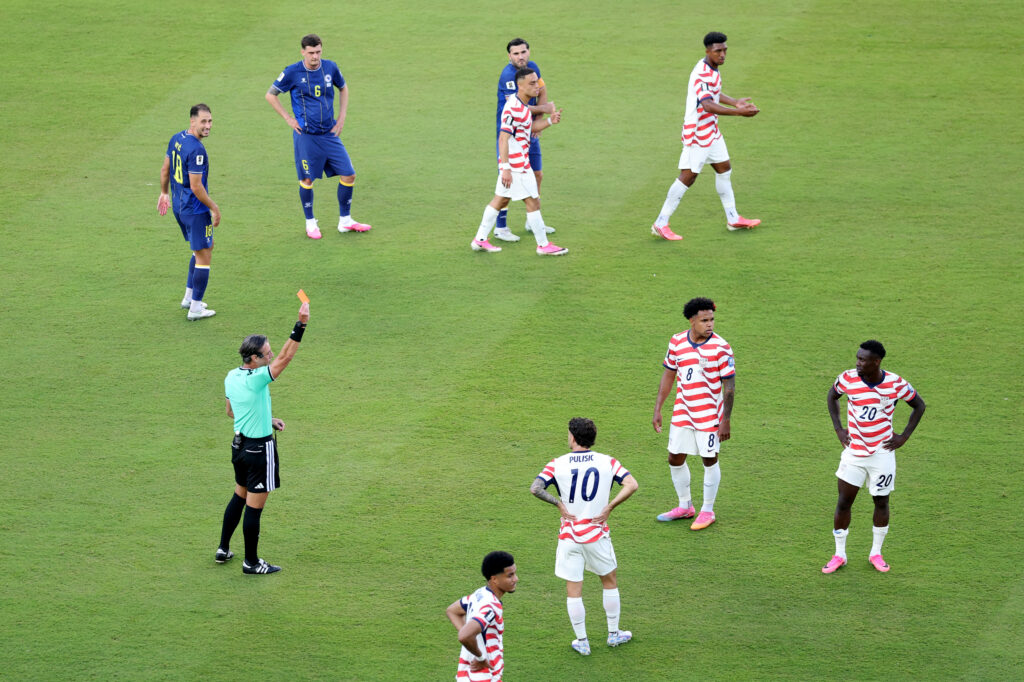
Video Assistant Referee, or VAR, was supposed to help determine whether balls had actually crossed the line into goals and to make it easier to see whether a player is offside. Rothenberg is dismayed at how much VAR is now used to look at fouls and to hand out yellow or red cards, including the controversial card shown to American Folarin Balogun that drew President Donald Trump into the fray.
“It’s led to silly replays,” Rothenberg says.
Logan, appalled by the costs of tickets to this World Cup, where prices soared into the thousands of dollars, wonders whether this tournament will serve as a tipping point. He sees it as a prime example of a sports system that has been pricing out average fans for years, and he worries about the impacts.
“Those of us in our industry who have stoked these differences, from sushi to VIP seating where you watch the game on television even when you are in the stadium, are creating a VIP culture for an entire stadium,” he says.
It especially bothers him to see this in soccer, a sport he has always seen as the most democratic in the world, since all you need to play is a ball.
“This is just a validation of who we are now,” he says, adding: “I suspect that by the time we get to [2030 World Cup hosts] Spain, Portugal and Morocco, [FIFA] won’t be able to get away with that.”
But ticket prices and VAR reforms are smaller details for future World Cups. Gulati keeps thinking about the question he kept asking himself several years ago, when he pushed the bid this World Cup: What will American soccer be like on Monday?
What is the legacy of these past six weeks?
Murray figures it will be European players, still in the prime of their careers, leaving top European leagues for the MLS because they enjoyed playing this World Cup in cities such as Atlanta or Houston or Seattle.
Gulati imagines a time 10 or 12 years in the future when a young American star player is telling reporters that he first fell in love with soccer when his parents brought him to a game at this World Cup and he watched Messi or some other great.
Read more The Supreme Court grapples with a new era of political violence
Gulati is sure the game will continue to boom here in the coming years.
“But how much?” he asks.