EAST RUTHERFORD, N.J. — Kickoff was a mere three hours away, and Edson Rodrigues still didn’t have his tickets.
Read more Mamdani’s Netanyahu arrest comment highlights split among Democrats on Israel
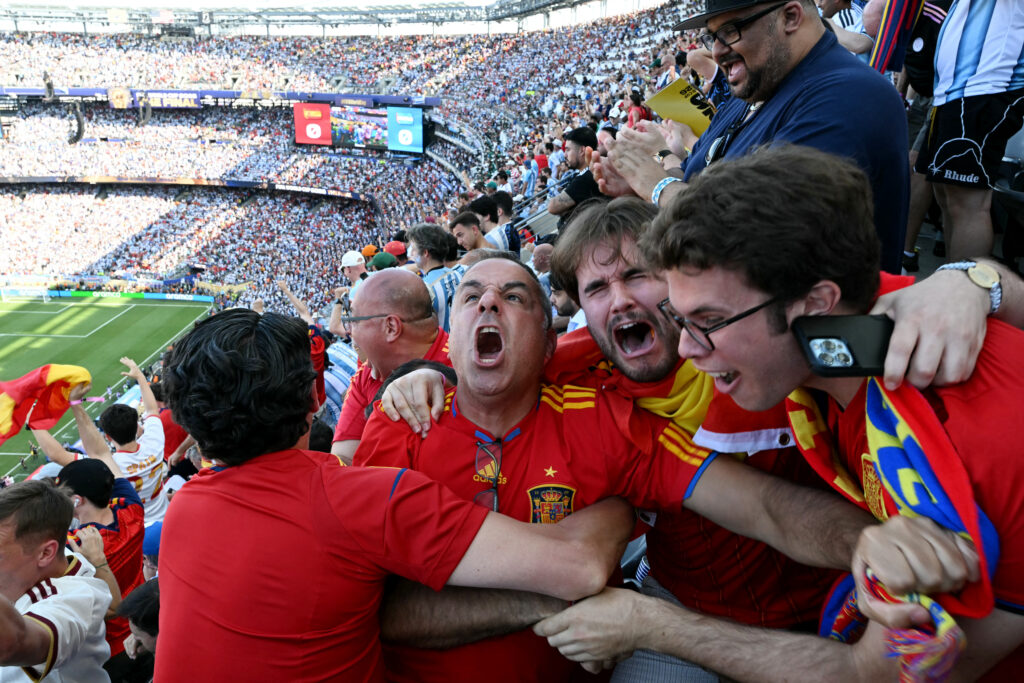
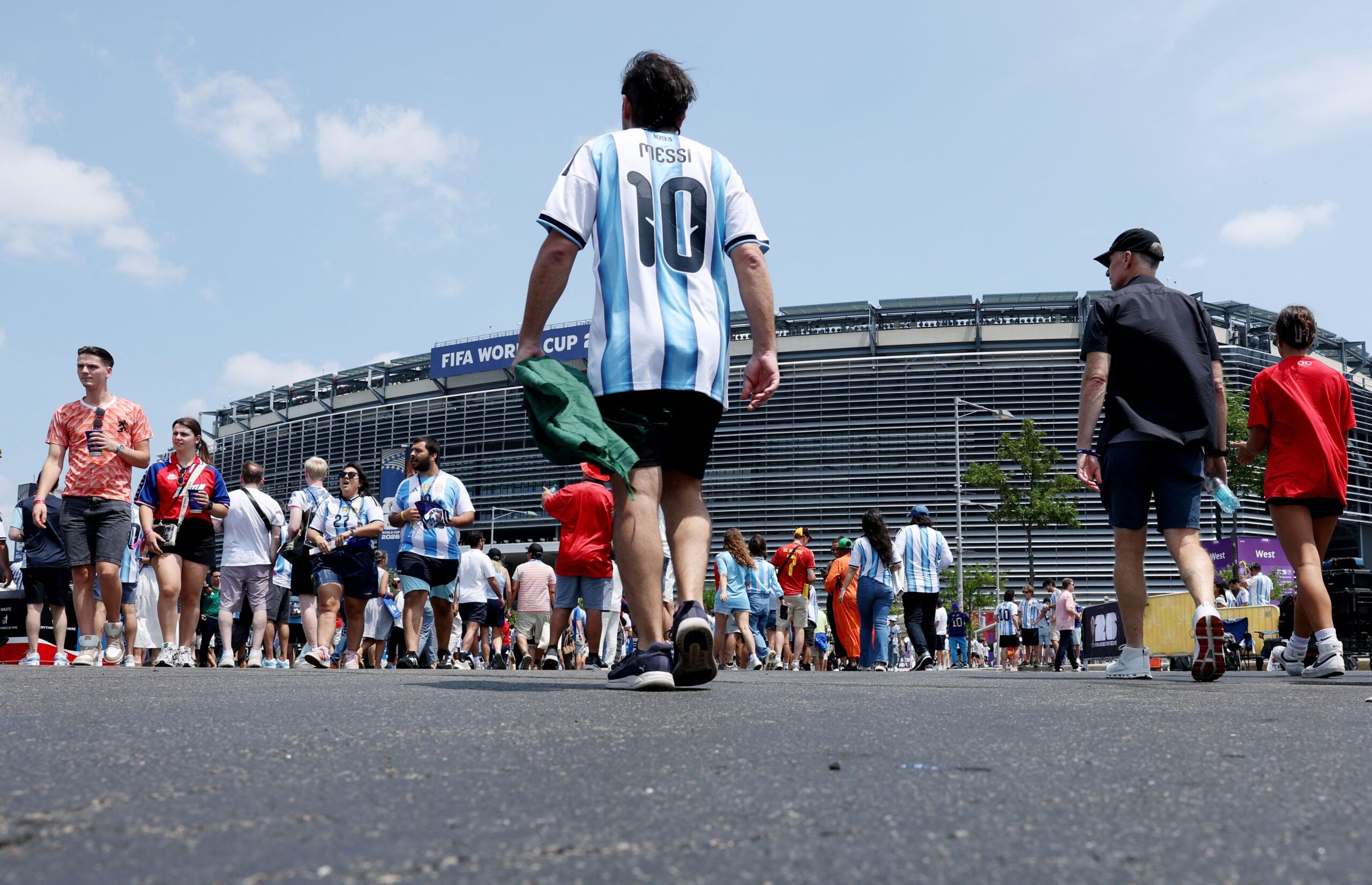
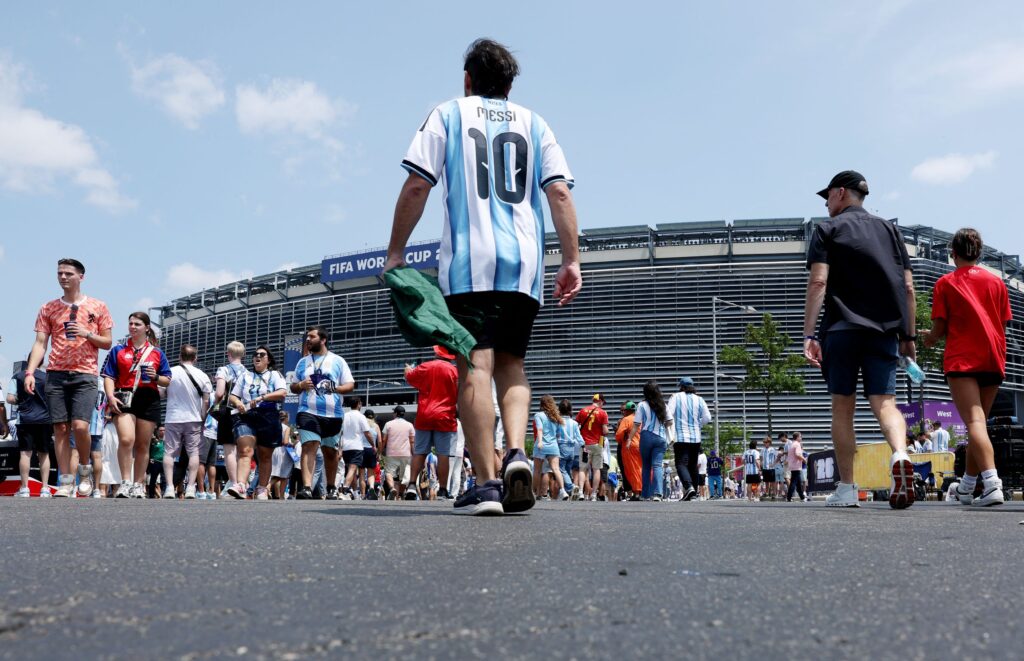
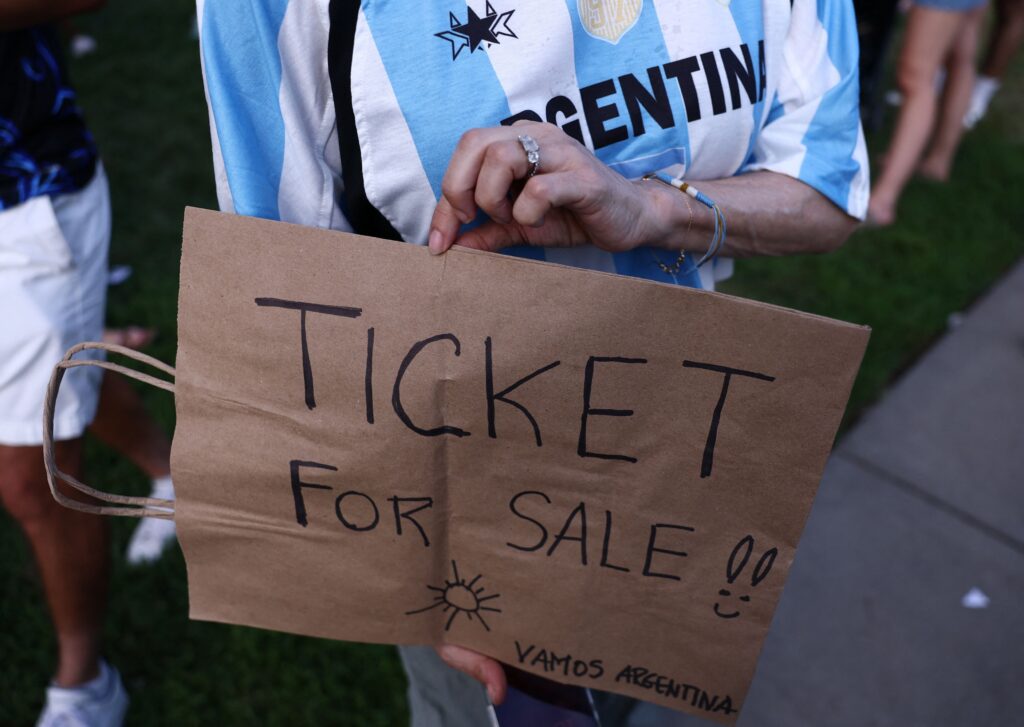
Rodrigues, 24, was outside the gates of MetLife Stadium with his friends from Bilbao, Spain, all draped in red in a sea of Argentina blue. He didn’t have to ask around for long before he found someone looking to sell. The man in the Argentina jersey was offering nosebleeds for $7,000 apiece.
They went back and forth, friendly but firm. The seller said he’d bought the ticket for $5,000 and was asking for only a fair profit on a priceless product: the opportunity to witness what was surely the great Lionel Messi’s last World Cup match. But the negotiation stalled. Rodrigues walked away, wondering if he’d made a mistake.
“You never know when you’ll have a chance to go to a match like this,” he said.
He was among an unknown number of fans trying to get last-minute tickets to the most expensive soccer match in history, a crowded market that tested their devotion — and their bank accounts.
With ticket costs higher than ever at this year’s World Cup, thanks in part to FIFA’s dynamic pricing system, fans have sought to trim spending however they can, turning to fast food and public transportation, staying with relatives. For fans who have been on the road for weeks, following their team like a touring band, paying higher prices with every round, the final presented one last indulgence — if they could find a ticket they could afford.
Martin Diaz, a 30-year-old Argentine, flew in from Miami with friends on the morning of the match. They’d previously nabbed tickets outside Miami’s stadium for Argentina’s Round of 32 match against Cabo Verde: four seats in the lower bowl for a total of $17,000. A high price, but who knew if they’d ever have another chance to see the 39-year-old Messi in a World Cup match?
Lo and behold, Argentina carried out a series of miracles to the final. Diaz couldn’t help but take another swing, though his budget was stricter this time: $2,000 per seat. A longshot, he admitted.
In the hours before the game, the cheapest ticket on resale sites like StubHub hovered around $6,000. Most upper-deck seats were above $8,000. Anything lower was at least $10,000. Midfield seats in the lower bowl were going for $20,000 and higher.
The luckiest spectators had access to free or discounted tickets through connections with soccer federations or corporate sponsors. Fans who regularly attend a national team’s games often get first dibs on reserving seats in the supporter section for all their team’s matches. Others had logged into FIFA’s website early enough to buy face-value tickets before they sold out. Everybody else tried their luck on the resale market.
But because knockout round tickets went on sale before the brackets were set, they naturally became speculative commodities, rising and falling based on anticipated matchups. Some fans, plotting out their team’s path far in advance, invested in tickets early on, intending to sell if their team didn’t make it that far. It was usually a safe bet, though the market had its downturns. After South Korea fell short in the group stage, the ticket price for the Round of 32 match they would have played in Los Angeles sank by half.
But the final was the final, and even without France’s star power or England’s legions of lads, who could pass up a chance to see Messi’s magic take on Spain’s unbreakable defense?
Online, there’s no negotiating. But outside the stadium, haggling in the increasingly humid and urgent minutes before kickoff, those desperate to unload meet those desperate to get in.
Read more Trump says Qatari-gifted AF1 to be ‘maxed out’ following questions of security
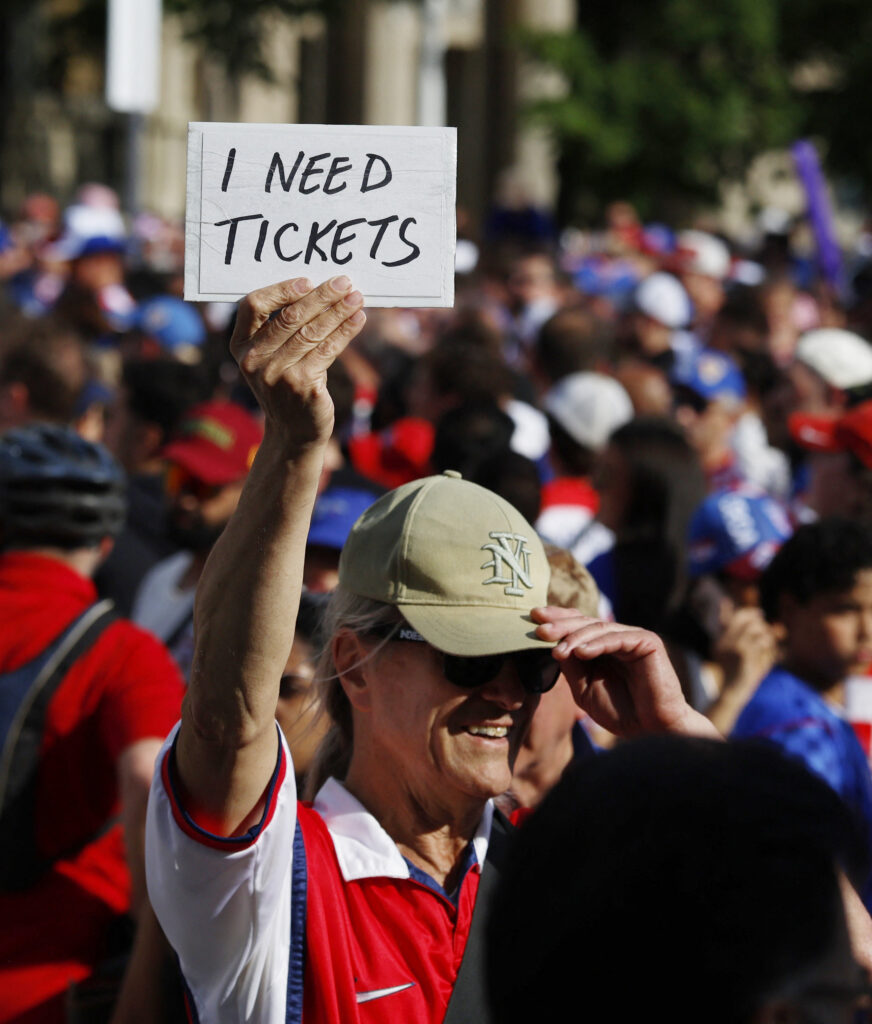
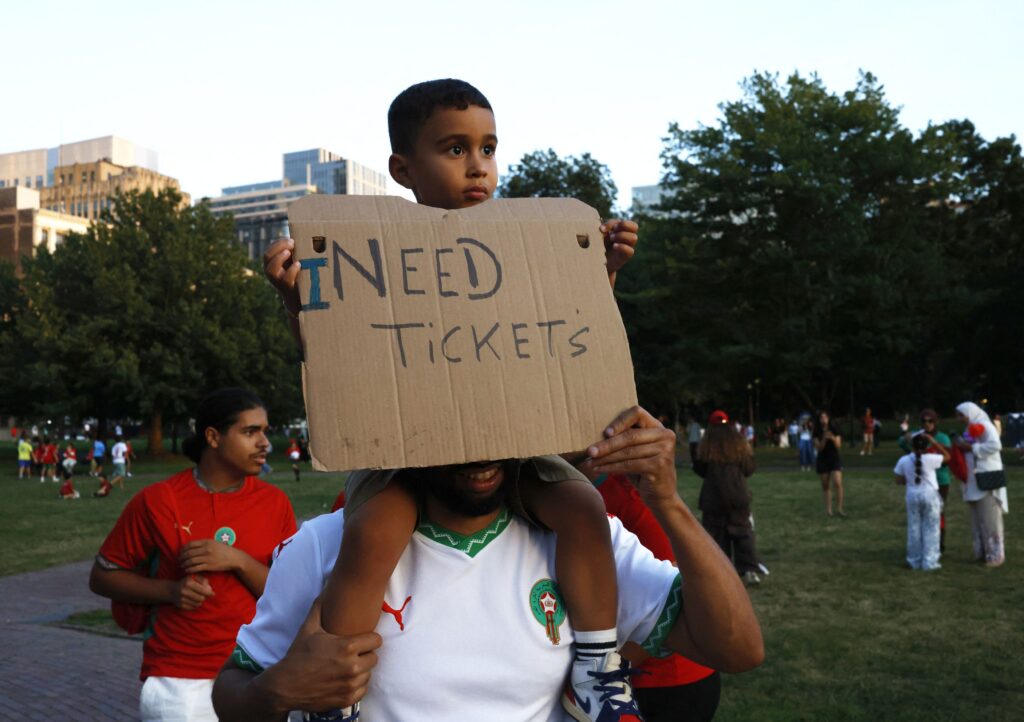
Officially, it’s illegal to resell tickets right outside a venue. Some aspiring buyers are more discreet than others in their solicitations. Some held cardboard signs seeking tickets. Others relied on eye contact and instinct. Sellers knew who to approach: groups of young men, standing idly with serious faces while ticket-holding spectators skipped past them toward the gates.
“You see someone walking, and you can tell they’re trying to buy or sell,” said Rene Morales, a 41-year-old Argentina fan from Guatemala seeking to buy tickets. “You can tell from how they’re looking around.”
A die-hard swept up years ago by Diego Maradona, Morales has bought last-minute tickets outside stadiums at the past four World Cups, including four Argentina matches this summer, ranging from $850 in the group stage to $1,800 in a knockout round. He brings plenty of cash, essential to negotiate the best possible deal. If it’s not enough, he transfers the money to the seller on Zelle.
He practiced patience in New Jersey. His budget for the final was $3,000. “There is no plan B,” he said two hours before kickoff. But the cheapest offer he could find was double that price.
MetLife Stadium is a last-minute buyer’s nightmare. No sports bars outside the gates, no Fan Fest nearby, no quick way to retreat to Manhattan, no obvious place to go watch on TV. Waiting too long for a price drop risked the disaster of missing the match entirely.
Ten minutes before kickoff, still without a ticket, Morales looked up the nearest available option: a restaurant in the mall just over the highway. He decided to walk over before it was too late.
Rodrigues didn’t want to think about that possibility. He’d landed in New York the day before, having booked the trip on a whim. Some of his friends had been in the U.S. for weeks, in the stands for Spain’s run. This match was his last chance to experience it for himself, in the biggest game imaginable. He’d started looking at flights on Tuesday, after Spain defeated France in the semifinal, then committed to the trip on Wednesday, after Argentina defeated England to send Messi back into the championship match.
Like many people from Spain, where Messi played his best professional years at FC Barcelona, Rodrigues loves the Argentine legend. He couldn’t have dreamed up a more enticing final. He’d get to celebrate either his national team or, as consolation, a player he adored. He didn’t jet all the way across the ocean, all the way to the gates of the stadium on matchday Sunday, just to watch on a screen.
He circled back to the seller in the Argentina jersey, the one with the $7,000 nosebleeds. They bargained some more, then struck a deal, for a final price Rodrigues wouldn’t divulge to the pestering reporter who, to be fair, had gotten in for free.
Whatever the price was, and whether it would one day seem worth it or not, Rodrigues was in his seat early enough to watch warm-ups, the anthems, all the pregame festivities, and everything that came next.
Read more The 1994 World Cup changed U.S. soccer. What will this event bring?