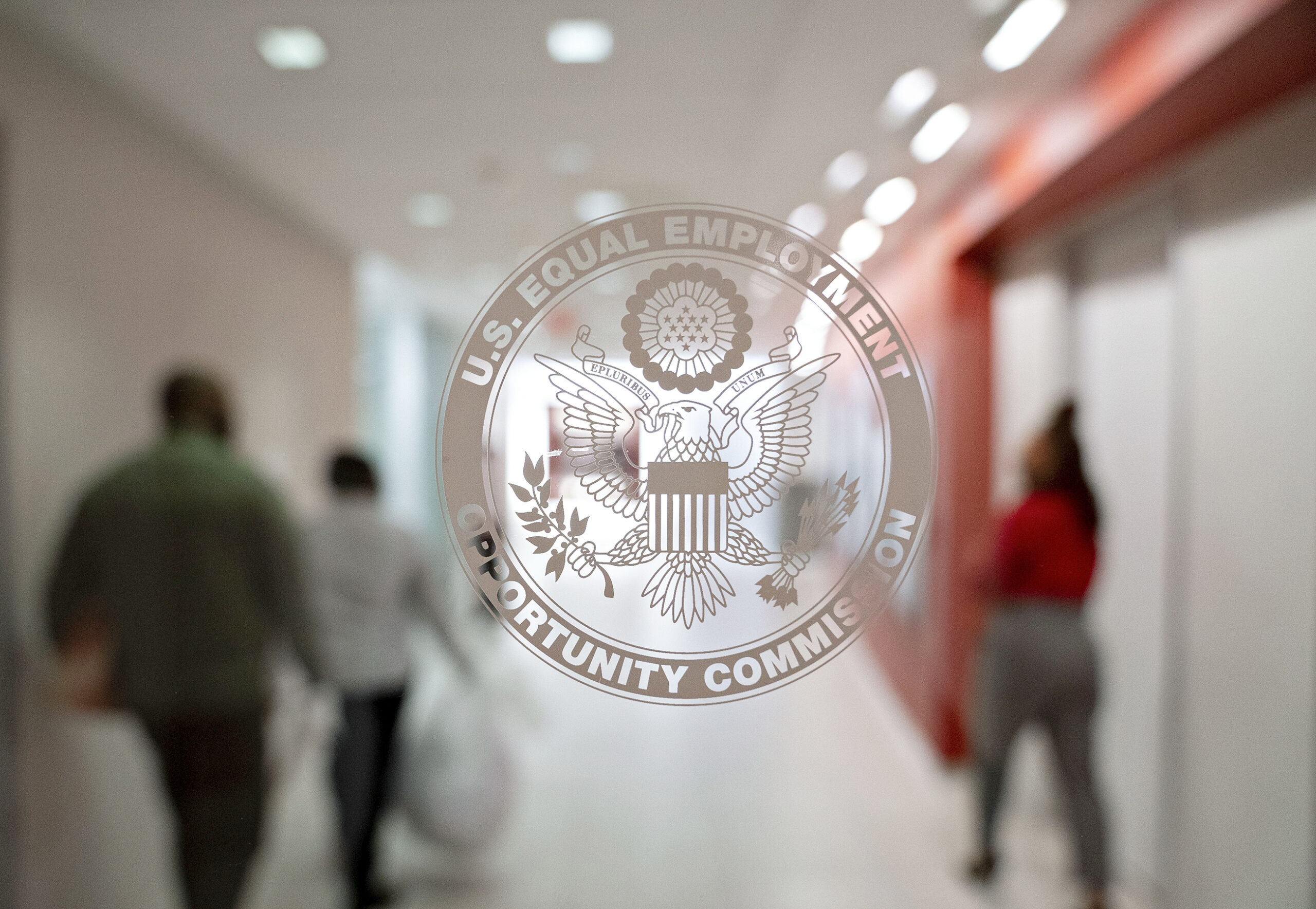
The EEOC has quietly told administrative judges to not consider class action lawsuits, sources say.
Read more The next abortion battle is over Kansas’s highest court
The Equal Employment Opportunity Commission has told administrative judges to pause federal workers’ class discrimination cases as the agency prepares to overhaul civil rights enforcement in the government.
Judges have been told to hold off on making moves in ongoing class-action cases where federal workers are alleging discrimination, according to a person who was told the unwritten policy and three lawyers who have cases before judges. The order, which has not previously been confirmed, was given orally by judges’ superiors who work for the EEOC, said one person who has knowledge of the directive and spoke under the condition of anonymity out of fear of retaliation.
Federal employment lawyers told The Washington Post that they have seen no engagement from administrative judges in their class-action cases in litigation since the end of last year.
The agency is moving toward announcing a revision of its civil rights enforcement process. Last week, the EEOC published a notice that it would be changing the regulations that prohibit discrimination in federal employment. Under current rules, aggrieved workers who believe they have been discriminated against on the basis of race, religion, sex, national origin, age, disability, pregnancy and other conditions can seek counseling, file a complaint and request a hearing with an administrative judge.
Civil service groups and federal employment attorneys are concerned the EEOC might take further steps to wipe away the process for federal workers to fight discrimination. Since the 1970s, federal workers could bring discrimination claims to the EEOC.
The nation’s largest federal employee union sued the top federal civil rights agency Tuesday, arguing that the quiet pause on all federal workplace discrimination class actions violates the Administrative Procedure Act because the EEOC is violating its own regulations with no reasonable explanation, leaving thousands of workers without a way to pursue systemic discrimination claims.
The lawsuit’s plaintiffs — the American Federation of Government Employees and two federal prison employees — argue the freeze has stalled discrimination cases affecting workers across the federal government, including a certified class action alleging widespread sexual harassment at a federal prison in Louisiana. According to the complaint, the case had already been certified when an EEOC administrative judge told the parties in the case that all processing must be paused.
“This notification applies to all class cases in the federal sector, including those alleging disparate impact,” the judge wrote.
Read more ‘Like my older brother’: Alex de Minaur, Cruz Hewitt share special match at DC Open
The notification reflects a top Trump administration priority to abandon the scrutiny of unintentional bias against minorities. “The EEOC’s decision to suspend federal-sector class complaints undermines the fundamental right of employees to seek justice,” wrote Taryn Wilgus Null, senior counsel at Democracy Defenders Fund, which is leading the litigation.
Heidi Burakiewicz, founding partner at Burakiewicz & DePriest, who represents two women who are corrections officers at a Louisiana federal prison, said her clients have alleged prison management failed to stop inmates from sexually harassing them. Though their class action was certified, it has since stalled, leaving the women with little recourse to stop the harassment.
“Going to federal court would mean that we have to start over from scratch, and these women are facing really egregious, dangerous sexual harassment every single day that they go to work, and we’ve already been working on the case for years,” Burakiewicz said.
EEOC’s press office directed requests for comment to the Justice Department, which did not respond to questions.
“Justice delayed is justice denied, and the EEOC’s refusal to act on these class-action complaints is causing direct harm and personal injury to our members,” AFGE National President Everett Kelley said in a statement.
Richard Renner, a North Carolina-based employment attorney who is not involved in this lawsuit, said one of his clients is seeking to participate in a class-action case. But in May, he said, an administrative judge said in a conference call that an individual case would take less time.
“It was surprising the judge would say that,” Renner said, noting how important the class-action tool has been for rooting out systemic discrimination in federal agencies. “It pains me that the EEOC is pulling the rug out from these federal workers just when it’s most needed.”
Read more García chases the cycle, but Nationals can’t catch the Braves