Late at night, when the sports get weird, it’s these play-by-play guys’ time to shine.
Read more Inside the week that tested Anthony Fauci, as GOP lawmakers push for his jailing
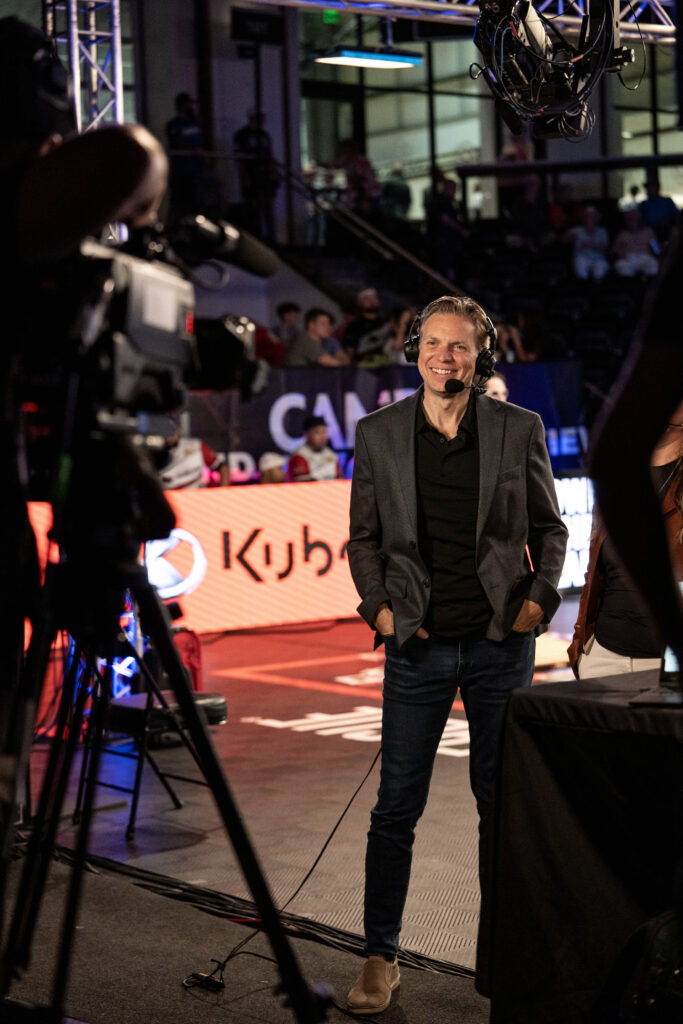
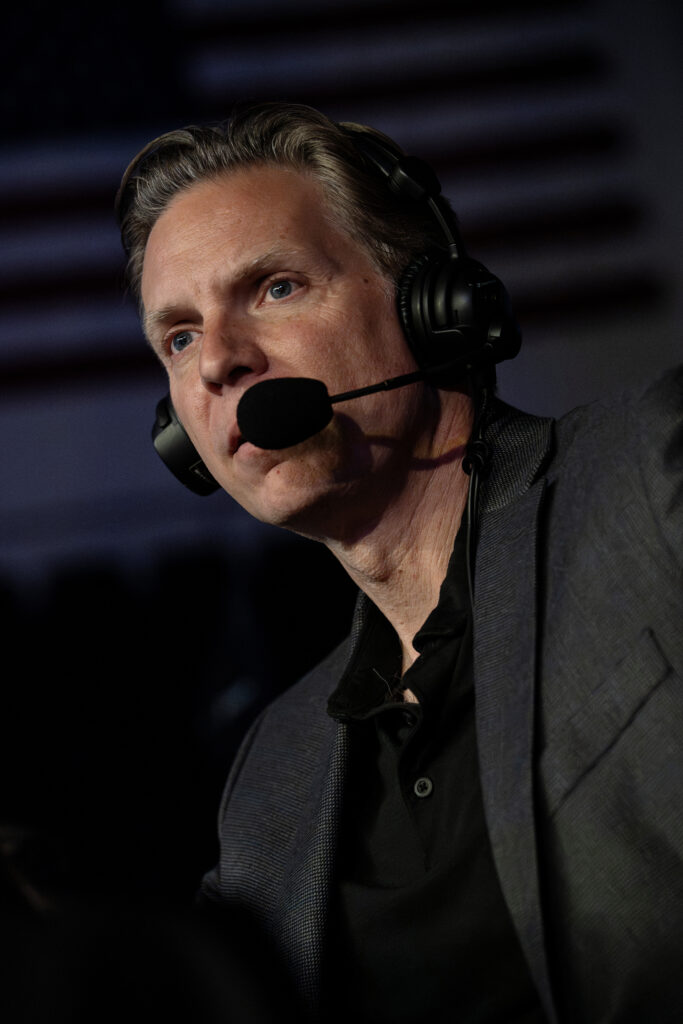
The assignment prep was unlike any he had undertaken: grainy YouTube videos, fruitless Google searches and unkempt record books. After hours of limited productivity, Jeff McCarragher decided it was time to “let it rip.” No amount of research was going to prepare him for a New Year’s Eve play-by-play job he already regretted giddily saying yes to.
“I could be spending time with my family,” he recalled thinking.
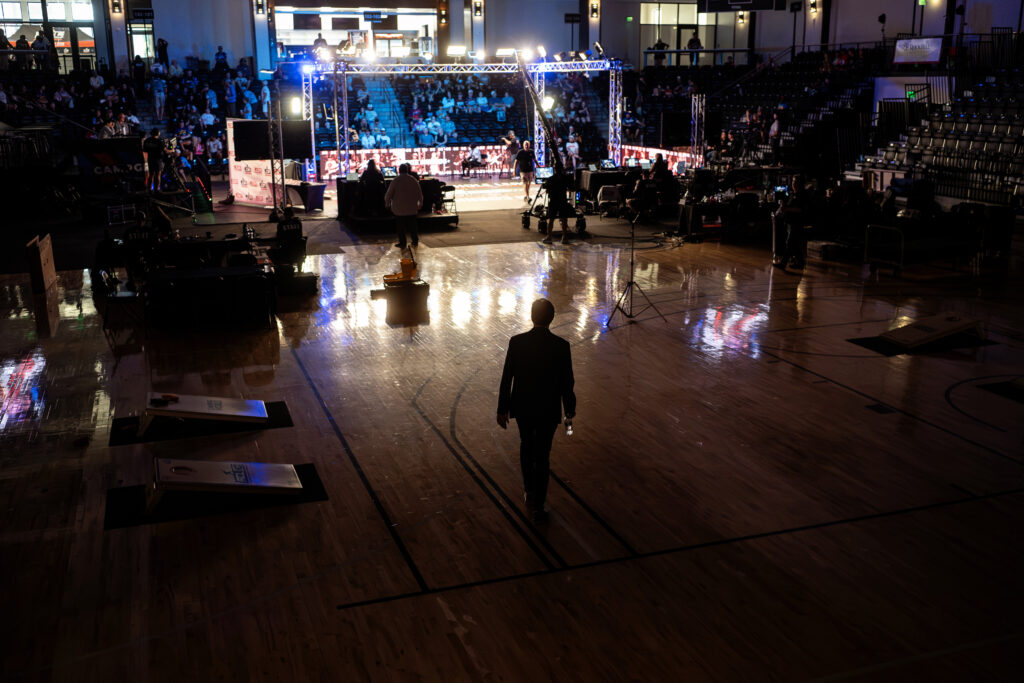
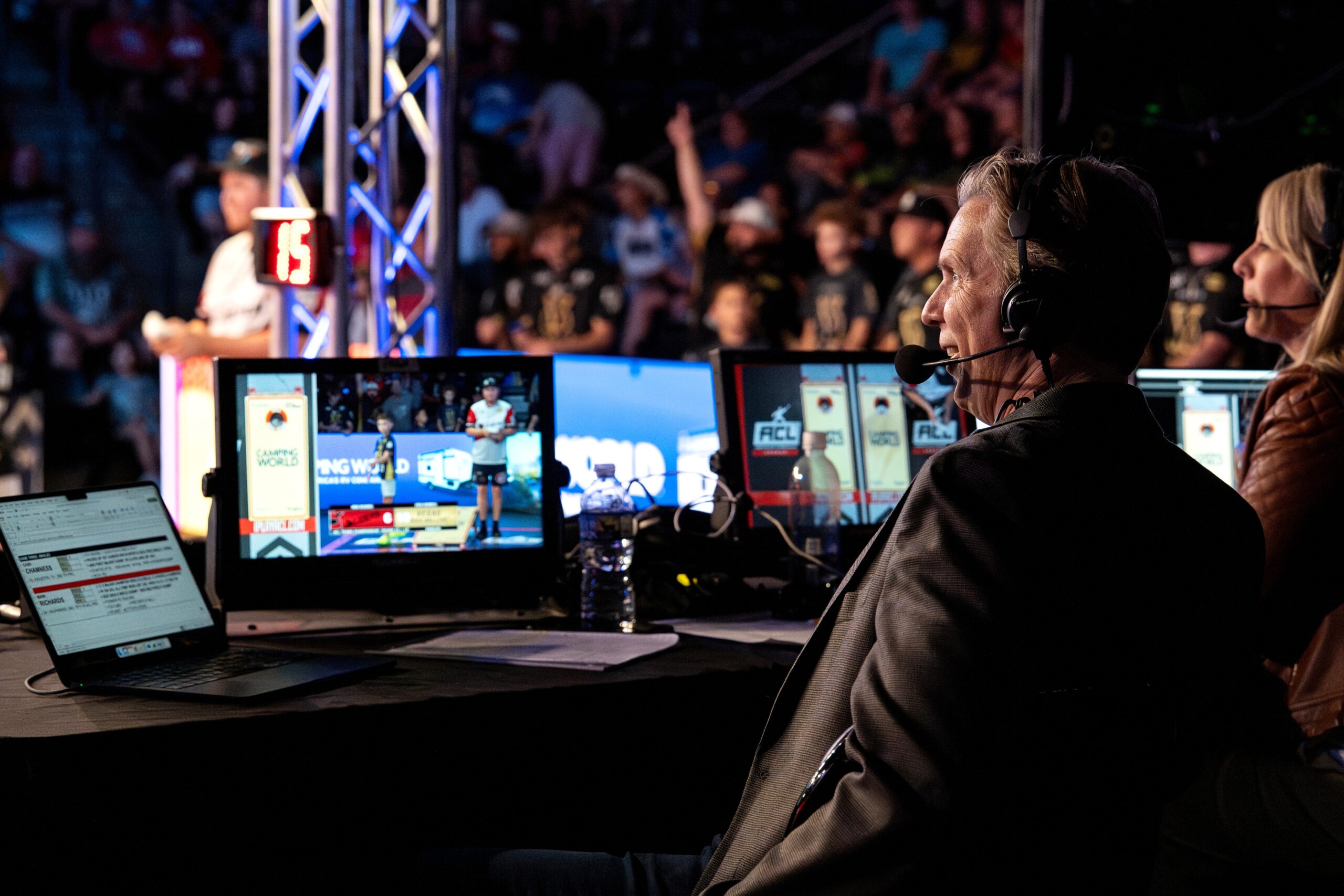
Instead, McCarragher, a financial adviser and part-time broadcaster, would be calling the American Cornhole League on ESPNU as the ball dropped. As he looks back now, that gig is far from his weirdest.
In the faint hours between the last MLB West Coast pitch and the earliest “SportsCenter” call time, a different realm of sport fills the programming void on major channels, none more than ESPN. Think bubblegum bubble blowing, Excel championships and, the insomnia-soothing king of them all, cornhole.
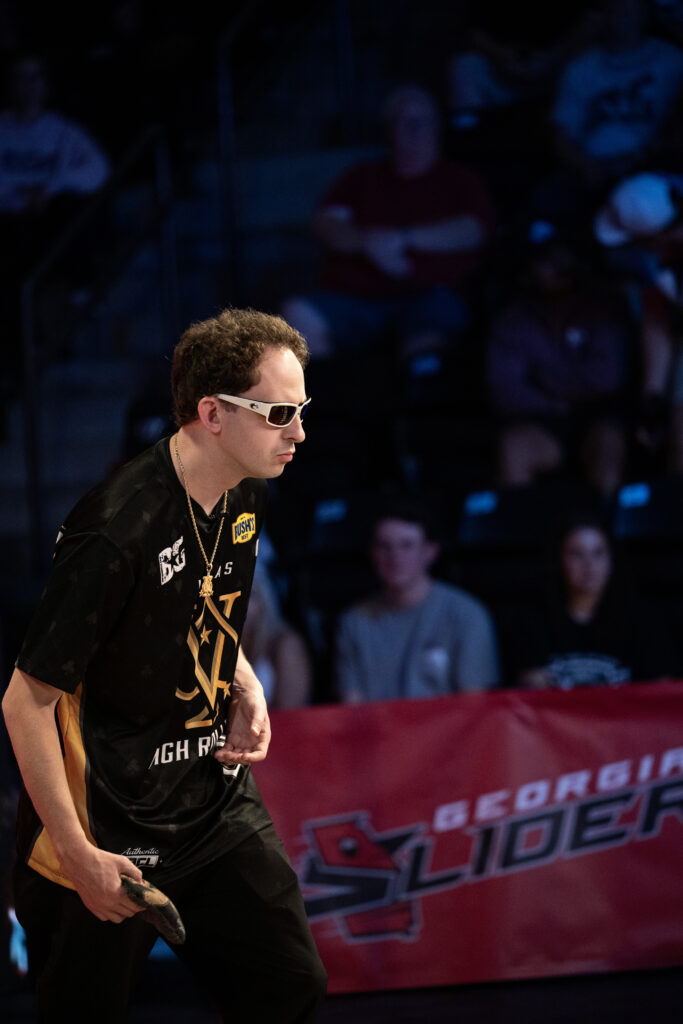
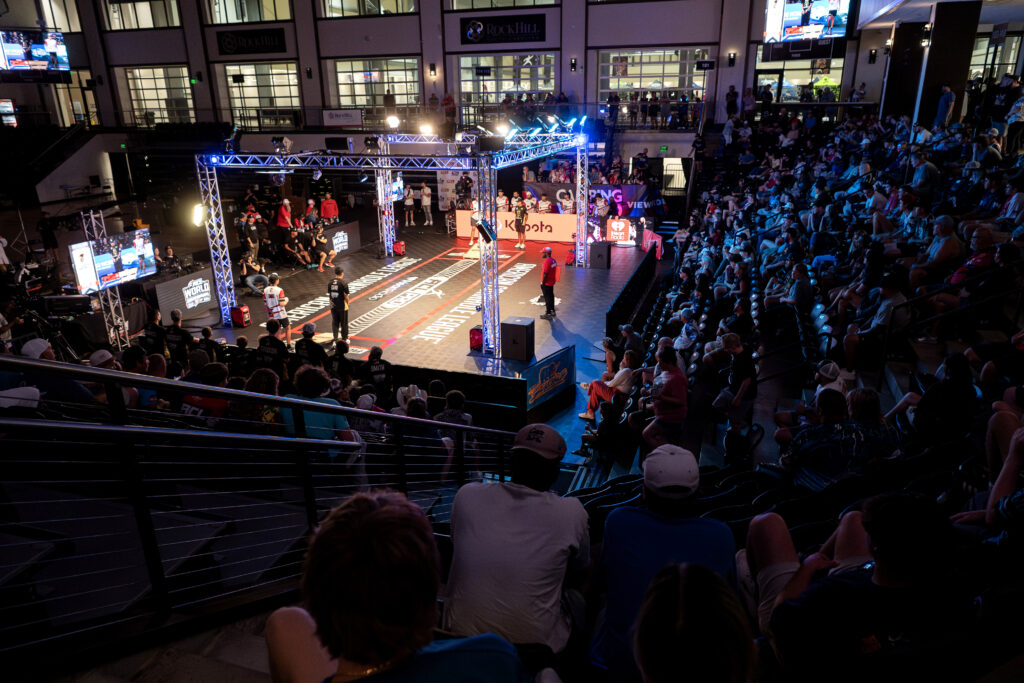
Once a year, those “games” escape their witching-hour containment with The Ocho, ESPN’s annual obscure sports marathon, which broadcasts nearly nonstop randomness for a few days each August. For its 10th anniversary this year, 74½ hours of everything from corgi races to “death diving” will bolster ESPN’s channels this Thursday through next Sunday. It’s a yearly reprieve from the endless U.S. “big four” sports cycle.
“But this is actually a valuable job,” McCarragher said. “In multiple ways: We’re doing something people cherish, even if they don’t entirely know it. And, truthfully, this is the way the system works. If you want to be calling MLB or whatever one day, you take what you can get.
“Sometimes, that means spending your weekends watching air guitar championships.”
The low-viewership offerings of major networks, glorified space fillers, have long been a proving ground for aspiring broadcasters. Weird hours, even weirder sports and pay as low as $25,000 per year for some consistent contractors provide valuable reps and irrefutable hope. Yet the most offbeat of offbeat sports gigs, where broadcasters can wind up on a personal expedition for purpose more than prospect, have only been around a few decades. And they’ve only truly reached the mainstream consciousness in the past decade.
“Whoever thought of broadcasting this,” McCarragher said recently, while preparing for the late-July ACL World Championships, “must have really been off his rocker.”
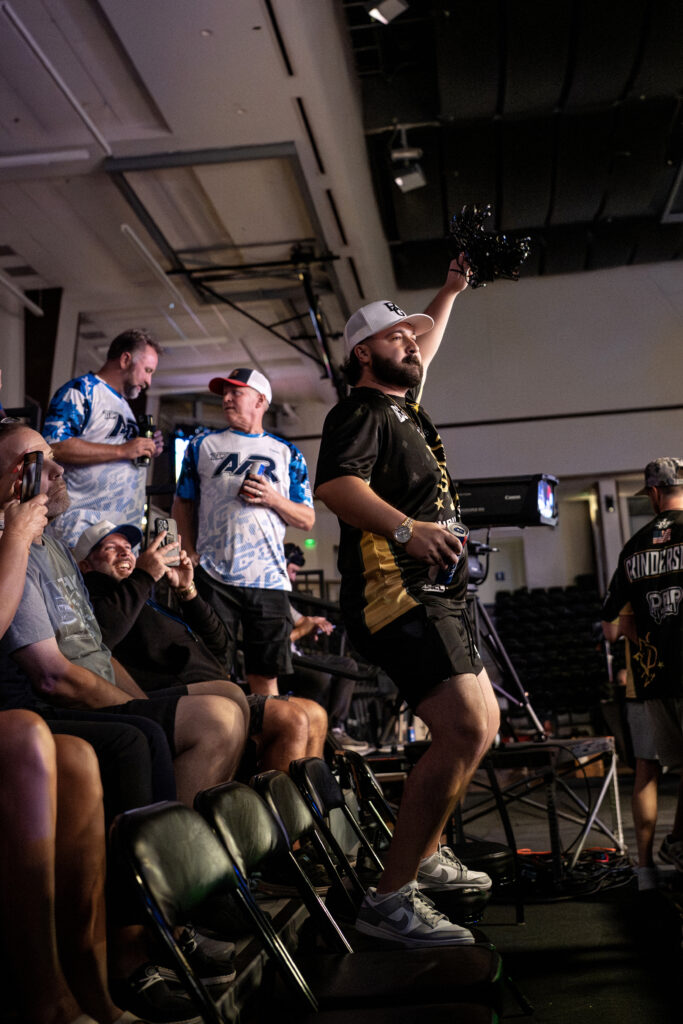
ESPN became the first sports-centric network to operate a continuous 24-hour broadcasting schedule in 1980. The only problem? No mainstream American sports held competitions in the middle of the night.
Instead of taped reruns, it started picking up alternative sporting events. Kickboxing, bowling and Australian-rules football (we remember you, Sydney Swans) lent way to slow-pitch softball and, gradually, even more niche presentations.
“People love those types of things,” said Tom Cavanaugh, the vice president of production at Tupelo Raycom, which produces ESPN’s ACL shows. “The audience was never going to be massive, but it was unique and bought in. It helped with offering this wellspring of sports, where everyone could find something for themselves. … And we gotta show something, you know?”
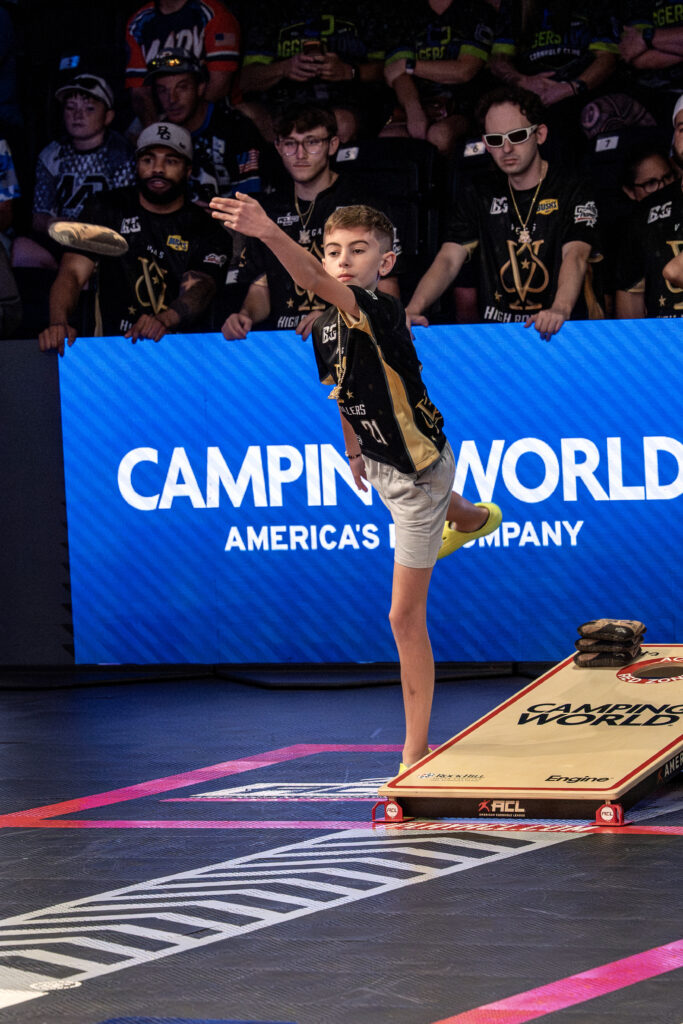
His company started working with America’s top cornhole league, the ACL, in 2017, as ESPN rapidly turned the sport into a centerpiece in The Ocho. Three years later, when the covid-19 pandemic shut down sports, cornhole took advantage.
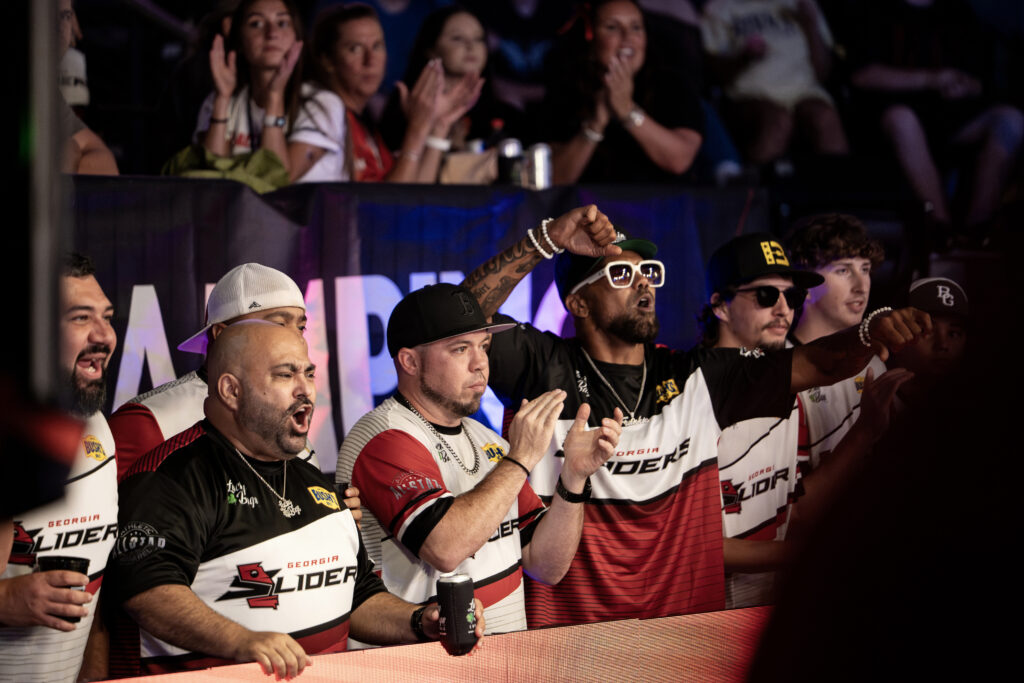
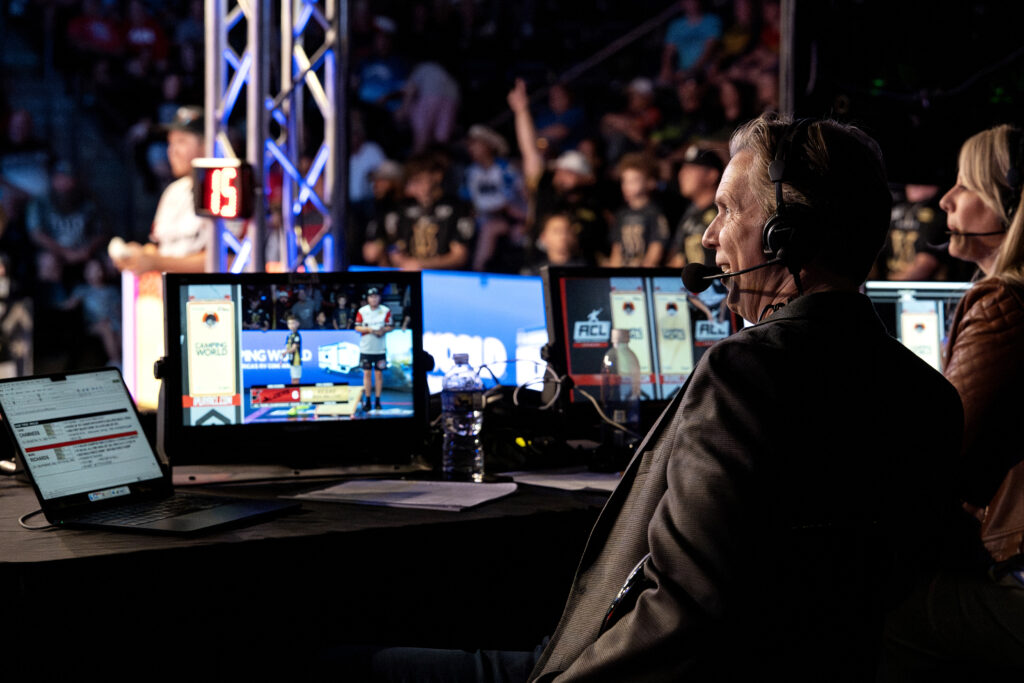
“We were already naturally social-distancing,” McCarragher said. “So it made sense [for cornhole] to be back on air first. We ended up getting four hours on ESPN properties every weekend that summer. It was a boon.”
With nothing else to watch, sports fans became attached to the mind-numbing clank, shhh and smack of cornhole’s rhythmic competitions. Others followed: CBS bought rights to the Sport Fishing Championship — deep-sea big-fish hunting — in 2022. Fox Sports amped up its bowling shows.
What networks now needed, though, was folks to voice their new 2 a.m. toys. The leagues often provided color commentators who could explain the quirks of whole-kernel corn vs. plastic resin pellets (for those unacquainted: the types of cornhole bag fillings, apparently) and other intricacies of each sport. The play-by-play partner, who the network provided to work with a league’s color commentator, needed to be a fixer, one to keep the broadcast on its route.
Cavanaugh looks for those who are eager to teach themselves something new. They just have to want it.
“The best way to get better at this, after all, is to be doing it,” he said. “No matter what sport you’re calling.”
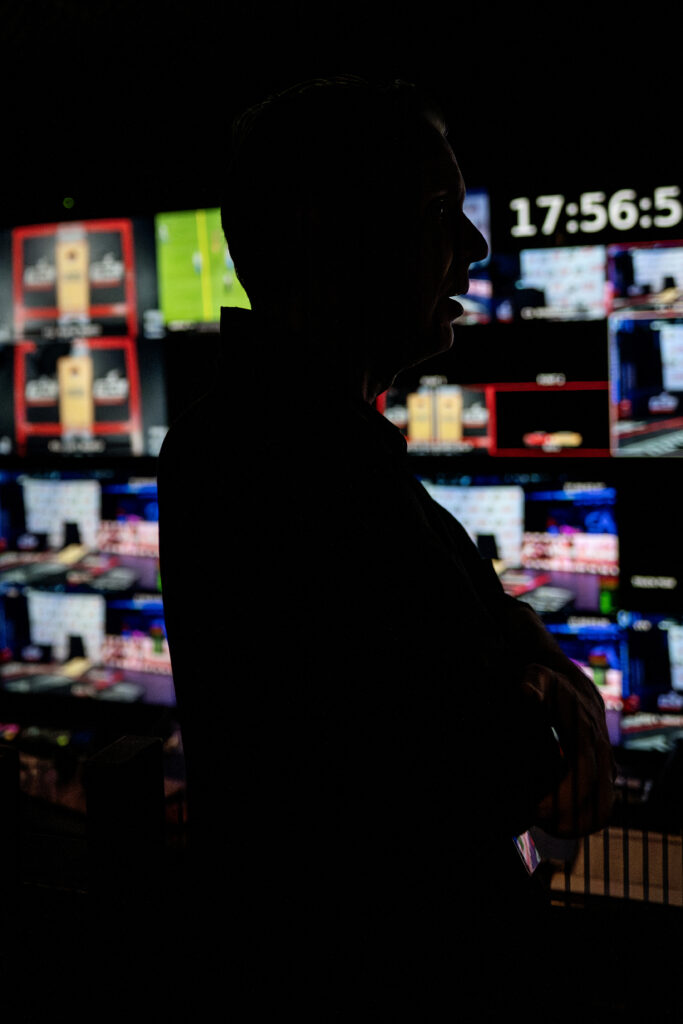
Once rejected from broadcasting school, Frank Mazzella broke in when he learned of a stone-skipping competition a few hours from his home in Michigan. He reached out to see if the skippers wanted someone to commentate. Surely it was a scam, they thought, but Mazzella asked for no money. So they told him he could drop by. Weeks later, he was calling the shots (literally).
Read more A democratic socialist in the White House? Activists are thinking big.
During the early 2010s, his schedule expanded, becoming the voice of pizza acrobatics, Rubik’s Cube and mullet championships. If someone had an offbeat game they wanted to hit the airwaves, he was their man. His Michigan tags crisscrossed state lines throughout the Midwest as he spent motel nights teaching himself anything he could about concepts his mind had barely even considered.
“I fell in love with the weird,” he said.
ESPN expanded its foray into the obscure with The Ocho, a name taken from the 2004 comedy “Dodgeball: A True Underdog Story,” in which the sport is broadcast on ESPN8: The Ocho. Jason Bateman plays a color commentator, Pepper Brooks, a juiced version of the characters like McCarragher and Mazzella who make a living filling airwaves during some of America’s best “almost sports,” as Brooks was known to say.
The network hired regional broadcasters for nearly every event to account for the sheer sleepless scale of the new marathon. Mazzella became a staple, rotating through his Rolodex and pitching the Worldwide Leader idea after idea. This week, for the 10th anniversary of The Ocho, he’ll call the 2026 Nok Hockey Championships (one-on-one tabletop hockey played with a wooden puck and sticks).
To fill other slots, the network leaned on Cavanaugh’s system. If it could find someone driven and willing to embrace the environment, even if only as a career stepping stone, it would train them. Nowadays, it’s a birthright for big-time announcers to have a tall tale of the backcountry event they once called.
“I’m always amazed by how much people enjoy this,” Mazzella said. “It gave me a career.”

One winter two decades ago, after a long day of classes, McCarragher dozed off in his dorm room at the University of Kansas. He owned an old CRT TV someone had given him when he was leaving for school, but it only picked up a few local channels. A glorified night light. That was until a regional provider started showing Royals games.
The team’s play-by-play voice seeped into his dreams. And during his senior year, he scored the “job of a lifetime” working with the Royals’ broadcast team. Kansas City’s announcers bounced around the same halls where McCarragher trotted coffee and helped with the pregame show.
It was then, he said, that he decided he wanted to be an MLB broadcaster. In the following nine years, he made his way through varying levels in the New York Mets, New York Yankees and Detroit Tigers organizations.
But his career stalled and he started a family, so McCarragher decided to take a smaller role with Charleston College as a full-time baseball and basketball announcer in 2010. Shortly after, he began working in real estate and transitioned to financial advising.
“Can I help with your retirement?” he joked with a light sigh. “Sometimes, you have to wait for your dreams. This market can create a lot of waiting.”
About a decade after he settled down, he was still taking regional gigs via connections he had made with ESPN’s Charlotte production houses and Cavanaugh. His goal was to keep his voice active, even if he was slipping out of the industry. Every once in a while, he would help with college baseball and softball games around the southern tip of South Carolina during an evening. Fall weekends, he was known to bounce across state lines for some college volleyball, sure to be back in time for his day job. Then Cavanaugh approached him with an “odd question.”
“He asked if I knew anything about cornhole,” McCarragher said. “I told him ‘Of course,’ knowing I didn’t have a clue.”
He and his wife, Kathy, had a couple of long conversations about his schedule, given that low-level broadcasting roles call for 18-hour days, red-eye nights, and devastated weekend plans. Traveling again, he would see his family less, like during the holidays, when the ACL typically hosts a couple of events.
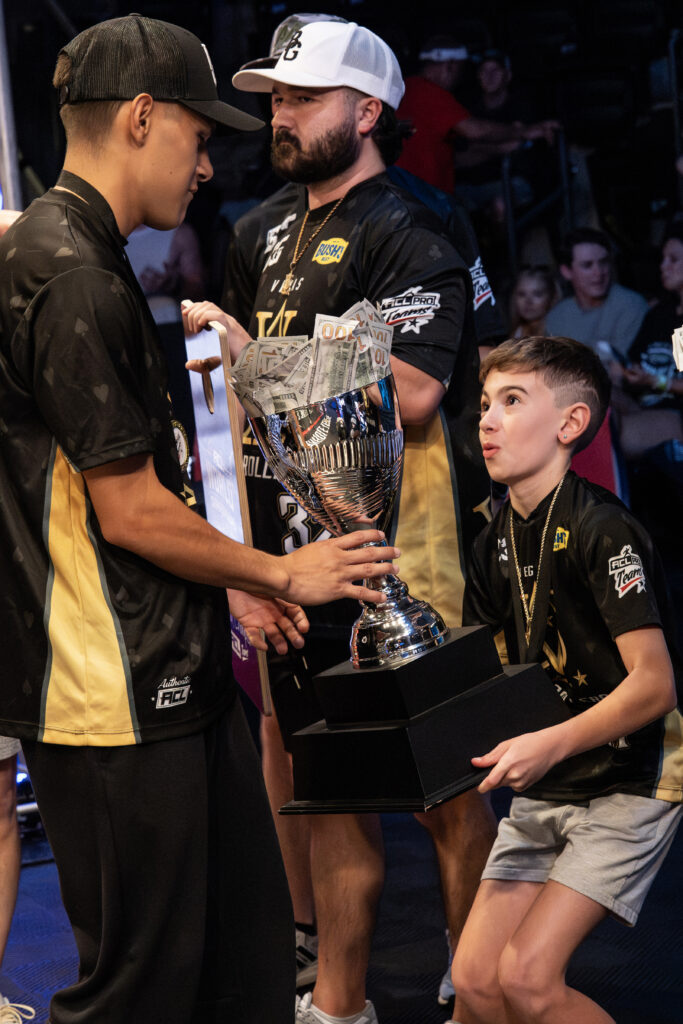
The thought started to creep in: Was this even worth it anymore?
Turning into the back roads of broadcasting requires that gut check. Calling cow-chip tossing (the throwing of bovine feces) or bubblegum blowing can zap the life out of one clawing into a deeply competitive field. Yet those like Bob Egan, now a Wisconsin cow-chip expert; Tim Heng, an Excel wizard; and Mazzella, who knows “everything,” survived. McCarragher figured it was worth a shot.
Despite his nerves, his first broadcast went well enough that he’s now going on seven years with the ACL. A few seasons back, it earned him a call for the U.S. Air Guitar Championships. Having learned, he told the crew manager he needed to think about it.
The time away, added to an already oozing schedule, would surely weigh on his family. He had never even heard of “air guitar.” The studying alone would pin him in his bedroom-office for a few long nights.
Yet he couldn’t tame the urge.
“It’s like being a starving actor,” he said. “You never want to say no.”
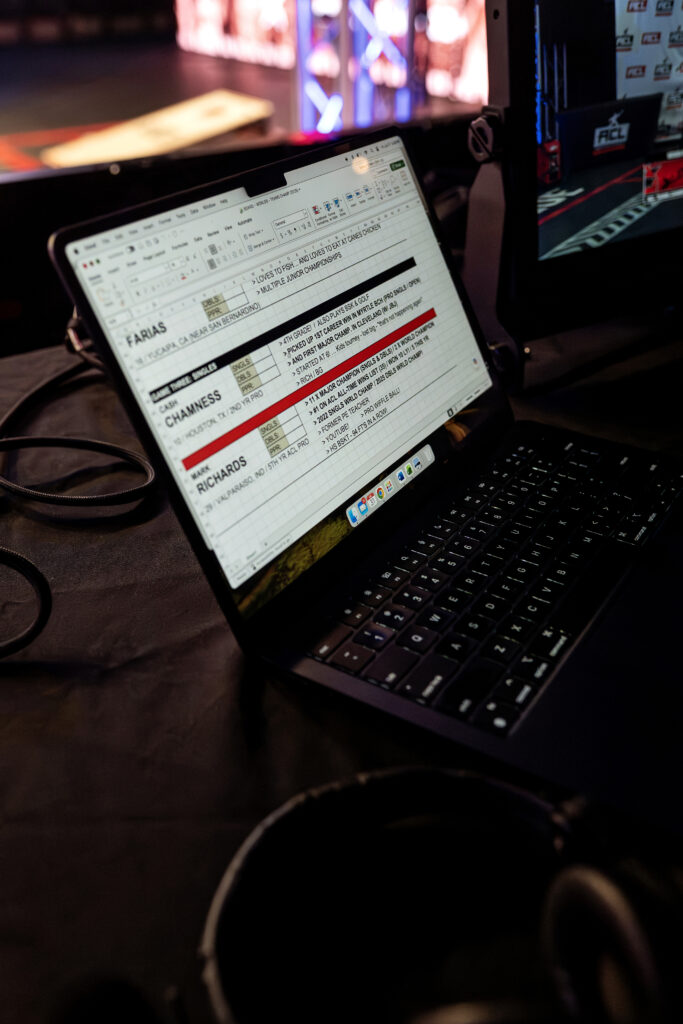
So he sat down at his desk, opened his laptop and began typing: What is air guitar? Hours later, he had found an answer. Videos of costumed, hyperenergetic performers and their rabid supporters sucked him in.
Read more Maine’s Democratic Senate candidate touts his rural appeal. His hometown has mixed feelings.
“They’re a good crowd,” he said around 2 a.m. “This might be fun.”