A new private equity group says sports ownership needs a new framework and is looking to spend billions to get its own piece.
Read more Darline Graham’s ‘oops’ moment and the pitfalls of acknowledging ignorance
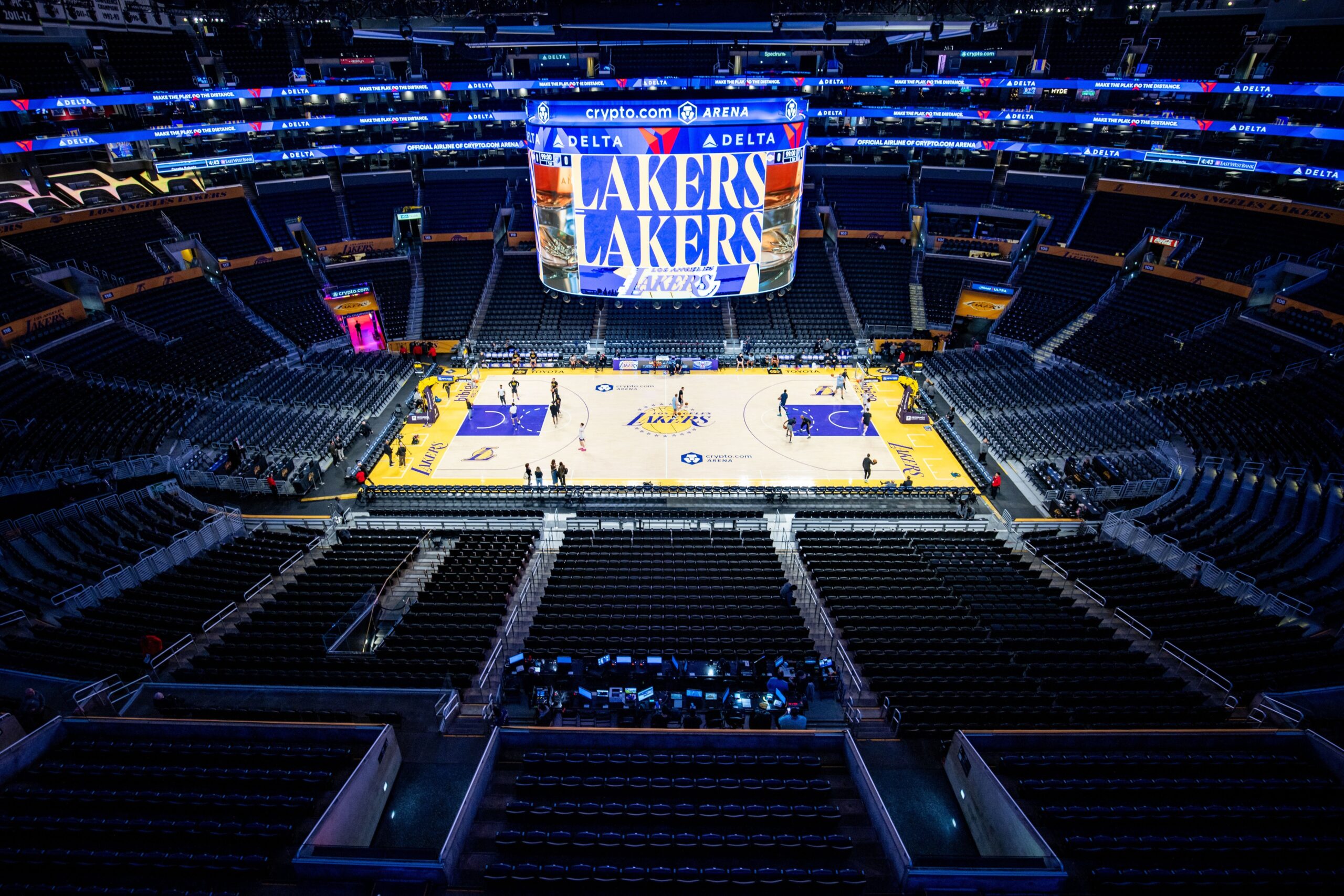
For nearly half a century, ownership of the Los Angeles Lakers was a model of continuity. Then, as the economics of professional sports transformed, the franchise changed hands twice in less than a year.
In 2025, the Buss family agreed to sell control of the franchise to billionaire Mark Walter in a deal valuing the Lakers at $10 billion. Earlier this month, Walter agreed to sell his interest to a group led by venture capitalist Josh Kushner and former Disney chief executive Bob Iger at a valuation of $12.5 billion.
To Nick Rathod, a Democratic political consultant and former Obama adviser, the rapid flip captured both the opportunity and the problem with the new sports marketplace.
“The Lakers transaction is a perfect example of the old model,” Rathod said. Billions change hands, he said, among “the same small circle of the good ol’ boys,” while the city and community that built the fan base are largely left as bystanders.
“They’re flipping these franchises like rental property,” said Rathod, who serves as chief global strategy and communications officer for BlackSun Private Equity. “It’s so gross.”
Rathod is part of the leadership team behind BlackSun, a new investment platform that plans to raise $7 billion to invest in sports teams and the businesses and properties surrounding them, from media and technology to real estate.
BlackSun hopes to make its first major public splash with a bid tied to a possible NBA expansion franchise in Seattle and is set to announce the acquisition of an English soccer team (It declined to say which one).
The launch comes as investors increasingly see sports as a rare combination of scarcity, steady long-term appreciation and expanding commercial opportunity in a space long controlled by family fortunes and a tight network of team owners. They say teams offer a potentially more durable risk-reward profile than other growing areas like AI and data centers, where enormous capital requirements and greater uncertainty can make returns harder to predict.
“You have flat supply and rising demand,” said Andrew Zimbalist, an economist at Smith College who has written extensively about the sports business.
The number of major franchises barely moves, Zimbalist said, even as the pool of wealth capable of buying them grows, helping make teams unusually durable assets.
BlackSun’s leadership and advisory ranks span finance, government and sports, including former NBA star Jason Kidd, Pro Football Hall of Famer Lawrence Taylor and boxing legend Roy Jones Jr. Atonn Muhammad, a former Morgan Stanley financial adviser who played football at the University of Miami, is the founder and chief executive.
And it has already pursued some of the most expensive properties in sports. BlackSun says it was one of the bidders for the Boston Celtics last year, offering $6 billion before another group prevailed with a $6.1 billion bid. It more recently submitted a bid on the possible franchise in Seattle, where an expansion fee alone is expected to fetch $8 billion or more.
Rathod said the Seattle bid is intended as a counterpoint to the ownership model he criticized in Los Angeles. BlackSun says its proposal would give Native American tribes a formal role in the ownership process and involve local groups in shaping the project from the outset.
While some fans may bristle at private-equity firms and out-of-town investors buying into local teams, that model is increasingly commonplace in professional sports as the scale of modern ownership has changed dramatically in more than a decade. When Steve Ballmer bought the Los Angeles Clippers for $2 billion in 2014, it was a record-setting sum that startled the sports world. Now the Lakers are valued at more than six times what Ballmer paid for the Clippers a dozen years ago.
Read more Democrats are moving past the resistance. They want a new kind of fighter.
Valuations like that help explain why firms such as BlackSun are no longer looking at sports simply as a collection of teams but as the center of a much broader investment ecosystem.
BlackSun is behind an effort to launch the World American Football League, with franchises envisioned in the United States and overseas. Then there’s Knockout Fights, a venture the group is backing that aims to bring greater commercial unity to boxing, which has been fragmented among promoters, sanctioning bodies and television partners.
Muhammad compares BlackSun’s model with that of Disney, where intellectual property can generate value through television, streaming, merchandise and other experiences.
“The content is basically the billboard that attracts all of the attention,” Muhammad said. “And then they use the attention to be able to monetize across all of its verticals.”
But there are limits to how far that logic can be stretched.
Zimbalist said investors have correctly recognized that sports ownership can unlock other businesses, from real estate around stadiums to marketing and hospitality. But as more owners chase the same opportunities, those advantages can diminish.
“As more and more teams sell for higher and higher billions of dollars, the owners of those teams are going to feel pressured to exploit the synergies that others have identified,” he said.
Eventually, he said, “that world will become more competitive and more difficult to profit in.”
Still, investors continue searching for new ways into sports — including ways that do not require a multibillion-dollar check.
The Champion Fund, founded by Marques Colston, former NFL wide receiver, and Nick Edwards, a former MMA fighter, was built around the idea that investing in sports should not remain the exclusive province of billionaires, private-equity firms and wealthy insiders. It allows people to invest with as little as $500 and is designed to give accredited and non-accredited investors exposure to private sports businesses.
Edwards said the distinction between fandom and investment is important. The Green Bay Packers are the rare exception to privately held major league teams as the NFL’s only publicly owned franchise — but their fan-held shares pay no dividends and are not intended to produce a financial return.
Champion envisions something different: Investors buy into a fund that holds stakes in private sports businesses, giving them actual economic exposure to the value of those assets rather than a largely symbolic certificate of team ownership.
In that sense, Champion is trying to let individual investors participate in sports more like institutions do — as an investment category rather than an expression of fandom.
It spreads its investments across teams and emerging leagues, technology, media, real estate and other sports-focused funds. Champion has already invested in English soccer, taking a stake in Ipswich Town before its promotion to the Premier League.
Read more Trump joins leaders of crypto companies in push for industry-backed bill
“The value chain of sports is much larger than just the teams,” Colston said.