And what it could mean for the American economy.
The United States and Canada are in a sudden, heated trade war that could raise prices for Americans, make Republicans more vulnerable in the midterm elections and be a major test of how well President Donald Trump can force countries to bend to his will on trade.
Read more Democratic socialists’ biggest challenge? Their own platform.
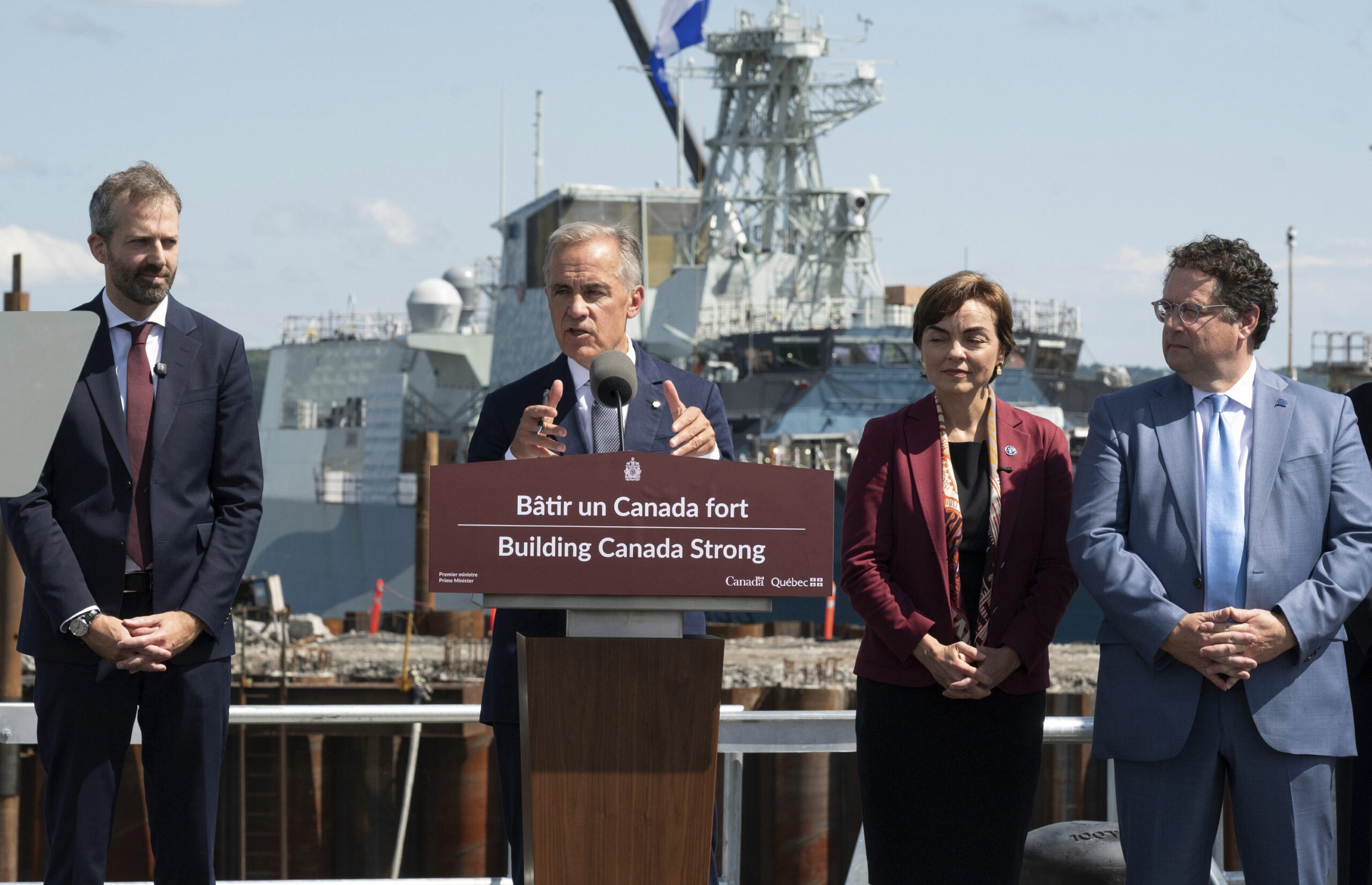
Canadian Prime Minister Mark Carney said this weekend his nation had been “attacked” by the U.S. and was “at war.”
“Canada has been ripping off the United States of America for years,” Trump posted on social media Monday.
“This is one of the most cordial, peaceful cross-border relationships for well over 100 years,” said William Reinsch, a trade expert and senior adviser at the Center for Strategic and International Studies. “And now, the depth of unhappiness the Canadians have for Trump is remarkable.”
Here’s what’s going on.
One of the first actions Trump took in his second term on trade was to impose high tariffs on Canadian products.
A few months later, Trump announced widespread global tariffs on imports from nearly every country. He said countries could get out of them by negotiating trade agreements with the U.S.
The Supreme Court ultimately struck down many of those tariffs, but Trump is trying to reinstate them under a rare, little-used law. Some of the tariffs most affecting Canada, such as levies on aluminum and steel, weren’t affected by the Supreme Court decision.
The United Kingdom and other countries struck rushed deals with Trump to avoid the worst of U.S. tariffs. But Canada retaliated. Last year, it put tariffs on American alcohol and cars.
Trump escalated, too. He threatened to impose 50 percent and 100 percent tariffs on Canadian products and to block the opening of a new bridge between Detroit and Windsor, Ontario.
All the while, the U.S. and Canada continued on-again, off-again talks.
Those talks imploded at the last minute this weekend. So Trump’s 50 percent tariffs on $20 billion worth of Canadian goods is in effect. Canada says it will match those tariffs dollar for dollar.
Trump claims that Canada is unfairly discriminating against U.S. products, despite economists saying there’s little evidence of that. And Trump has long viewed tariffs as a way to force countries to open their markets to more U.S. products, The Washington Post’s David Lynch writes.
Canada had very little reason to work with Trump, some experts say. He’s unpopular in the country, especially after making threats to annex the entire country and make Canada the 51st U.S. state. And until Trump’s second term, Canada and the U.S. had been trading peacefully for decades.
“Anybody who has been negotiating with the Canadians for the last 50 years will tell you they are really hard to negotiate with,” Reinsch said. “And there is enormous pressure on Carney not to give in to America. Both parties were telling him, ‘Resist, don’t make a deal.’ So that’s what he did.”
Read more Secret White House bunker undercuts Trump’s ballroom lawsuit, ex-officials say
Tariffs are a tax on American businesses and consumers. Canadian hockey sticks, dairy products and Crown Royal whisky will get prohibitively expensive for many Americans.
The immediate effect for consumers probably will be on products that are built in America using Canadian resources, such as cars and trucks, which go back and forth over the border several times.
On Monday, Trump said more tariffs on automobiles from Canada will go into effect in January.
Economists are watching for a broader shock on the economy. These tariffs came on suddenly, giving businesses little time to prepare.
“We have been looking for relief on inflation,” said Claudia Sahm, chief economist at the investment management firm New Century Advisors, “and an escalating trade war with Canada puts that at risk and makes the affordability crisis worse.”
This could be particularly resonant in Northern states, which have close economic and familial ties to Canada. There’s one state in particular intertwined with Canada that could determine which party controls the Senate next year: Michigan.
“People here are tired of the unnecessary fights we’re picking with Canada,” said Dennis Lennox, a Michigan-based Republican strategist. He said the trade war with Canada is just another reason Michigan Republicans are worried about the midterm elections in November.
“I’m a Republican who voted for Trump three times,” Lennox said. “I can’t defend Trump on this because this is absurd — it’s already hurt our border communities. If Trump wasn’t already going to lose majorities on Capitol Hill, then this is surely going to hurt Republicans in Maine and Michigan.”
While Trump has developed a reputation for making threats on trade and then backing off, Canada seems ready for a fight and has leverage.
Residents from New York to Maine heavily rely on Canada for electricity; on Monday, Ontario Premier Doug Ford warned that Canada could cut off electricity. Gas prices for all Americans could get more expensive. Some trade experts are watching how Canadians escalate their boycott of U.S. products and tourism, which has been going on for over a year.
“Trump always doubles down when he meets resistance,” Reinsch said. “That was predictable. The surprise was the Canadians didn’t fold.”
Amber Phillips writes The 5-Minute Fix newsletter, a quick analysis of the day’s biggest political news. Send her an email here, or ask a question that could be featured in an upcoming newsletter.
Read more Pence says U.S.-Canada trade fight adds to affordability concerns for economy