The legal fight will continue, but the president’s executive order could inject fresh uncertainty into the already high-stakes midterm elections.
Read more What’s happening between the U.S. and Canada
The Supreme Court on Monday eased the path for an executive order by President Donald Trump that would impose sweeping new restrictions on mail-in balloting for November’s midterm elections, but the complex and fast-moving legal fight is not over.
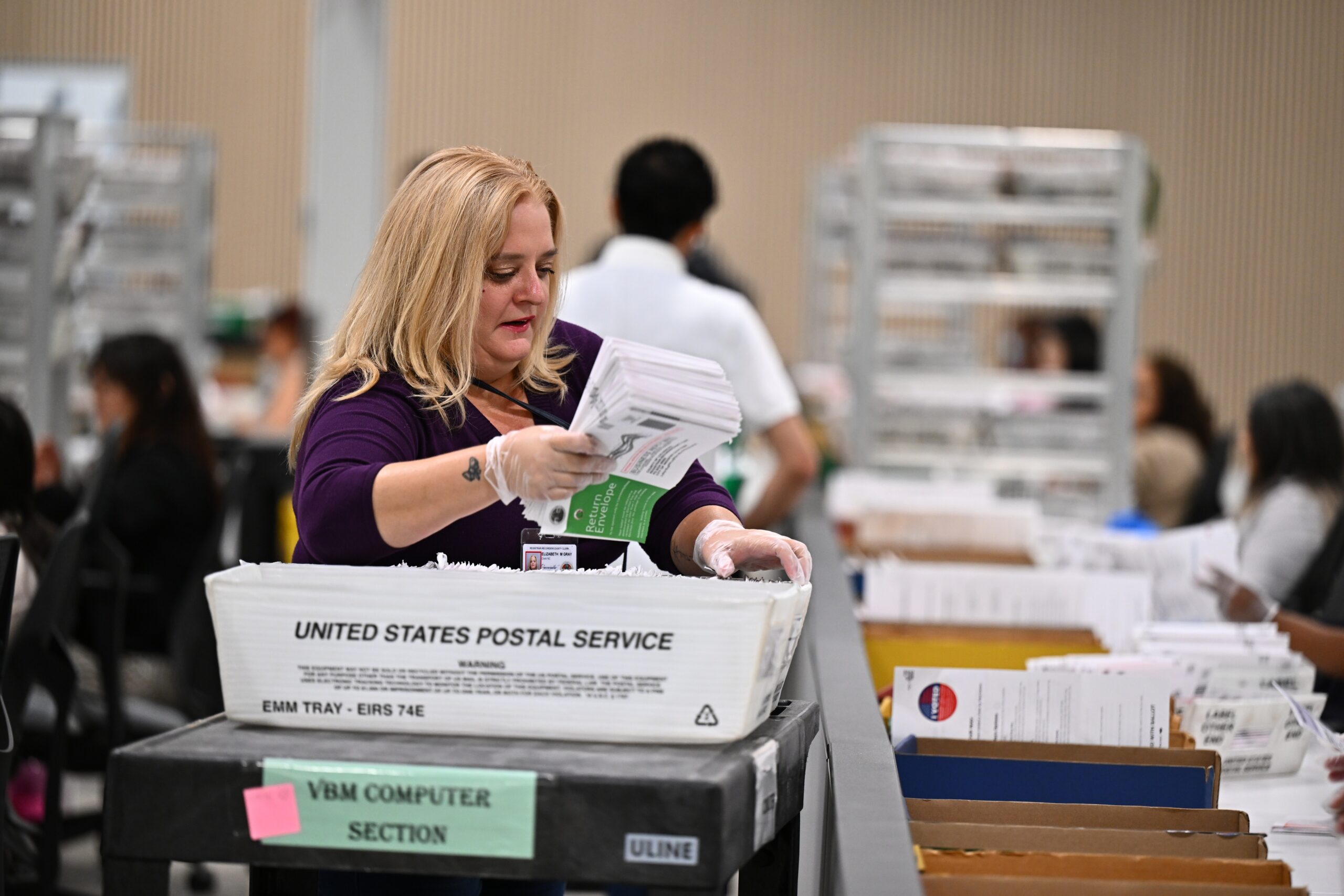
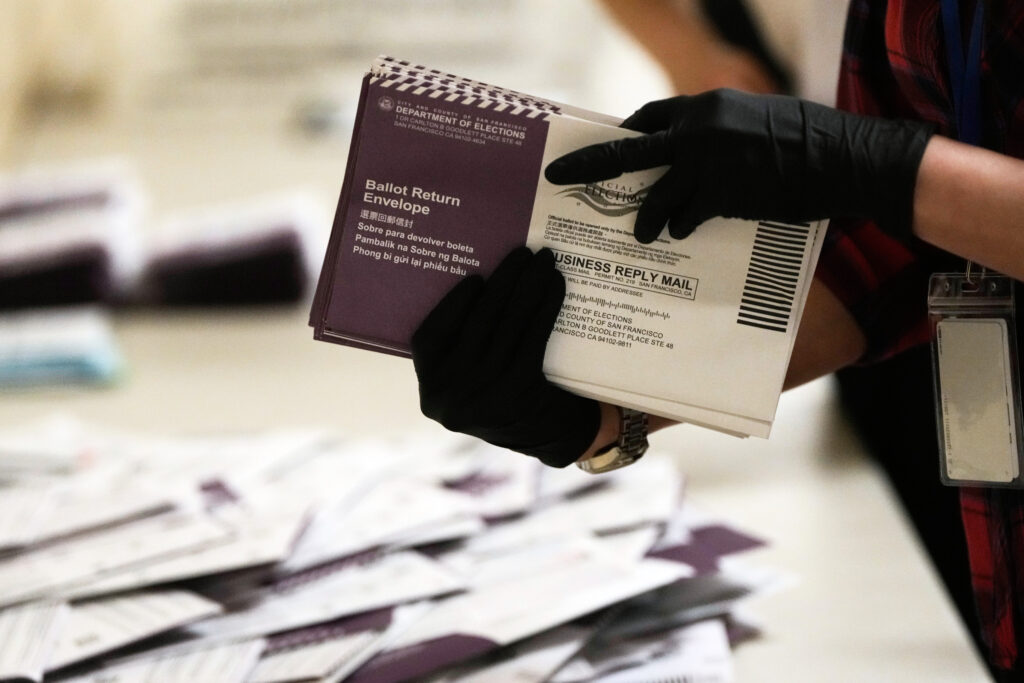
The executive order would bar the U.S. Postal Service from sending mail-in ballots to voters not on lists of citizens created by federal agencies. States also would be obligated to send the ballots in envelopes that can be tracked to thwart fraud.
Trump has falsely claimed that noncitizens are voting in large numbers, but studies have found that it happens infrequently. He blamed such fraud in part for his loss in the 2020 presidential election.
With just over two months to go before pivotal elections, the high court’s ruling won’t be the last word on whether the president’s order will be allowed to go forward.
The case now returns to the lower courts, and a key part of the executive order remains blocked because of a ruling in separate litigation that must also be resolved for the order to go into effect before November.
Read more Democratic socialists’ biggest challenge? Their own platform.
The legal fights have been closely watched by election officials who have expressed concerns about a quick timeline to comply with the order.
The high court’s decision was not on the merits of the executive order but on a narrower legal question: whether 23 states and the District of Columbia had been harmed by the executive order and met the legal bar to challenge it.
The justices affirmed the administration’s arguments that it was too soon to take legal action because agencies had yet to finalize the rules for implementing the order at the time the Trump appeal was filed. The Postal Service published its rule late Friday and said it plans to formally publish it on Wednesday.
If the executive order ultimately goes forward, it is likely to inject fresh uncertainty into an already high-stakes election that will determine which party controls the House and the Senate.
Some election officials said it will be a challenge to implement major new procedures so close to the contests. States face looming deadlines to begin sending out absentee ballots, and some would have to replace envelopes, train staff and make other changes to comply with the order.
Read more Secret White House bunker undercuts Trump’s ballroom lawsuit, ex-officials say
This is a developing story. It will be updated.