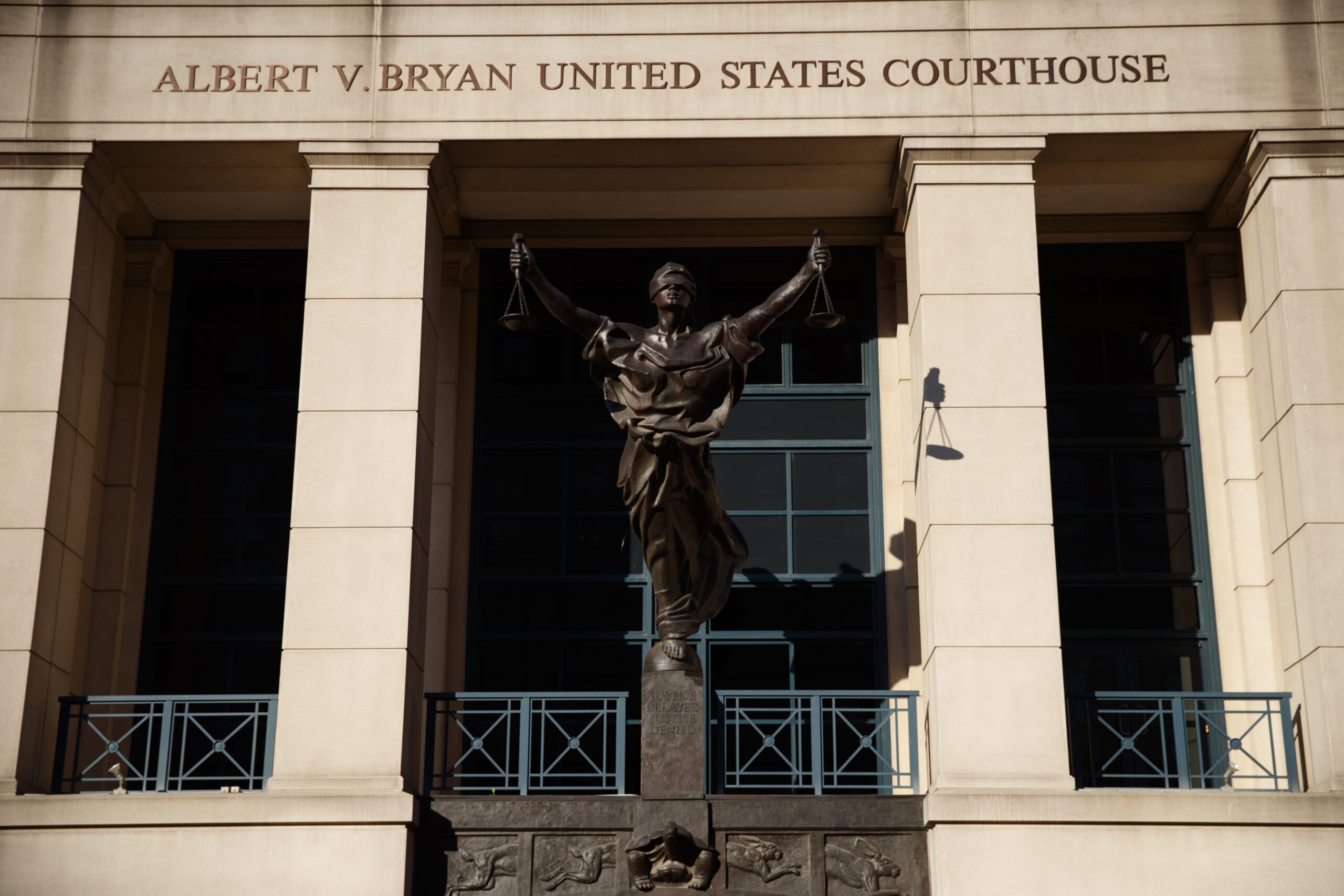
Thomas W. Pauken II believed “he wasn’t betraying America — he was preventing World War III,” his attorney said.
Read more Arte Moreno finally sells MLB’s Angels, granting fans’ wishes
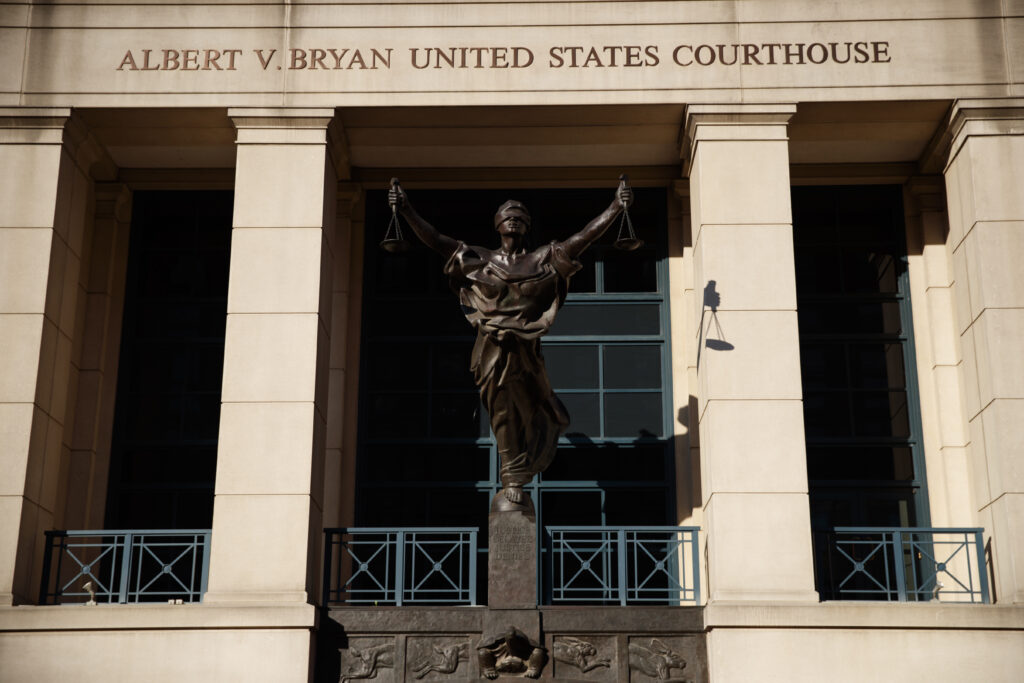
An American journalist who was paid at least $100,000 to develop U.S.-based sources for China’s intelligence apparatus was sentenced to two years in prison Tuesday.
Thomas W. Pauken II moved to China in 2010, at a point when “his life was a mess and he needed a clean slate,” according to his attorney. He found work as a writer, videographer and copy editor, cycling through different Chinese radio and broadcast networks.
Then, in 2017, Pauken met a woman who went by the name Cathy and recruited him to become a Chinese intelligence asset, according to court records. Over seven years beginning in 2019, Pauken traveled periodically to the United States to develop sources with access to sensitive information, and was told his reports were so important they were being sent to China’s president, Xi Jinping.
The FBI arrested Pauken at a Crowne Plaza hotel near Washington Dulles International Airport in February, the night before he was due to return to China. Pauken later pleaded guilty to acting as an unregistered agent of a foreign government.
“He did it because he got paid. He made a lot of money, and he did it for the money,” Eli Ross, a Justice Department prosecutor, said at Pauken’s sentencing Tuesday in U.S. District Court in Alexandria, Virginia. Pauken, he said, was “emblematic of individuals who are engaged in this quasi-espionage conduct.”
Prosecutors said the Chinese wired at least $100,000 to a bank account held by Pauken’s wife and also covered his travel expenses to the U.S. and a family vacation to Shanghai. Pauken and his wife were able to afford to buy two apartments in China worth a combined $400,000, according to a Justice Department court filing. The Texas native most recently worked as an editor for the state-run Xinhua News Agency, China’s largest media outlet.
Defense attorney Charles Burnham said Pauken was operating under a “misplaced and naive but sincere belief” that his work for Cathy could enhance religious freedoms and influence China-U.S. relations to prevent an armed conflict between the two superpowers.
“He was a pawn. He was manipulated,” Burnham said in court. In Pauken’s mind, the attorney said, “he wasn’t betraying America — he was preventing World War III.”
The case shows how China has moved aggressively to develop more sources in the U.S. with access to sensitive or classified information, often through intermediaries such as Pauken who can carry out Chinese orders on American soil. The Justice Department said in a legal filing that such recruitment efforts have become more prevalent as the U.S. “continues to outpace its foreign adversaries in military capabilities and other technological developments.”
But public court records largely leave blank how Pauken knew or arranged to meet people with access to sensitive information the Chinese were seeking.
Pauken eventually determined that Cathy, who posed as a think tank consultant, in fact worked for China’s Ministry of State Security (MSS), its lead civilian intelligence agency. She pressed Pauken to develop sources in the U.S. with access to classified information that could be filtered to the Chinese, court records state, though none of his sources produced any.
One of those sources, whom Pauken met at a political event in the summer of 2023, had a security clearance, according to court filings in the case. Pauken suspected that the source — identified in legal papers only as “Person 1″ — would be willing to pass classified information to the Chinese.
Read more The U.S.’s many foreign entanglements under Trump
“When this individual stopped providing information, the MSS directed Pauken to travel to the U.S. to convince Person 1 to resume working for the MSS,” prosecutors said in a sentencing memo requesting nearly three years in prison for Pauken.
“In February 2026, Pauken went so far as to offer Person 1 a $10,000 bonus payment — to be paid via covert means — if Person 1 continued to supply the PRC with information,” prosecutors said in that filing, using an abbreviation for the People’s Republic of China. “This request came just days before the FBI arrested Pauken, indicating that Pauken would have continued his work … if the FBI had not intervened.”
At the sentencing hearing, Ross described how Pauken worked “to sell out his country,” traveling with burner phones and SIM cards to facilitate his sources’ communications with Cathy, as well as thousands of dollars in cash to buy laptops they could use to pass sensitive information to the Chinese.
Burnham said Pauken was not motivated by ideological reasons. The attorney said Pauken had a sad childhood and “low self-esteem.” He is the son of a prominent politician who worked in the Reagan administration, was chairman of the Texas Republican Party during the 1990s and served as a military intelligence officer during the Vietnam War.
Pauken, his attorney said, moved to China “with a chip on his soldier to prove he wasn’t a failure.” The Chinese told him he could make a difference by strengthening the moderate voices in U.S.-China relations, and he seized that opportunity, hoping he could help the two sides avoid an armed conflict, Burnham argued.
“Mr. Pauken has accepted responsibility and respects the court’s sentence,” Burnham said in a statement. “As the government agreed in court today, Mr. Pauken did not provide any classified information to the Chinese.”
A sister of Pauken’s who lives in Maryland and attended the sentencing hearing wrote in a letter to the court that her brother had spoken glowingly about his wife and son during a recent visit in February, prior to his arrest, and had expressed relief that his son was attending an American school in China, where he could learn “freedom of thought.”
“I’m sorry. I obviously did wrong things,” Pauken said in brief comments to U.S. District Judge Leonie M. Brinkema. “I’m not disputing the facts of what the prosecutor said. I do dispute the motive.”
“I thought I was helping, but now I realize I could have caused more damage,” Pauken added.
Brinkema said she was troubled by the case and agreed with prosecutors that Pauken should be sent to prison, in part to deter others from working with foreign adversaries’ intelligence services.
“Seven years is a long time to be engaged in this kind of conduct,” the judge said.