Chasing clicks and any added source of attention or revenue, baseball teams have turned to their furriest employees.
Read more Ken Paxton and the politics of timepieces
Just over a week before the trade deadline, the morning the Washington Nationals acquired Connelly Early, the team’s president of baseball operations, Paul Toboni, fielded questions in the home dugout at Nationals Park.
The crowd was extensive that Sunday morning, surrounding him in every direction. There was a light buzz as the few reporters already at work for a game over three hours away peppered him with questions.
Then came the scream.
“Natty!”
It was more of a cheer — the overjoyed type a third grader might unleash after seeing their best friend for the first time since the weekend. Except, it was infielder Nasim Nuñez doing the yelling. And this greeting included him rubbing his bestie’s stomach. And then throwing a ball and holding a chew toy, all while carrying on a one-sided conversation.
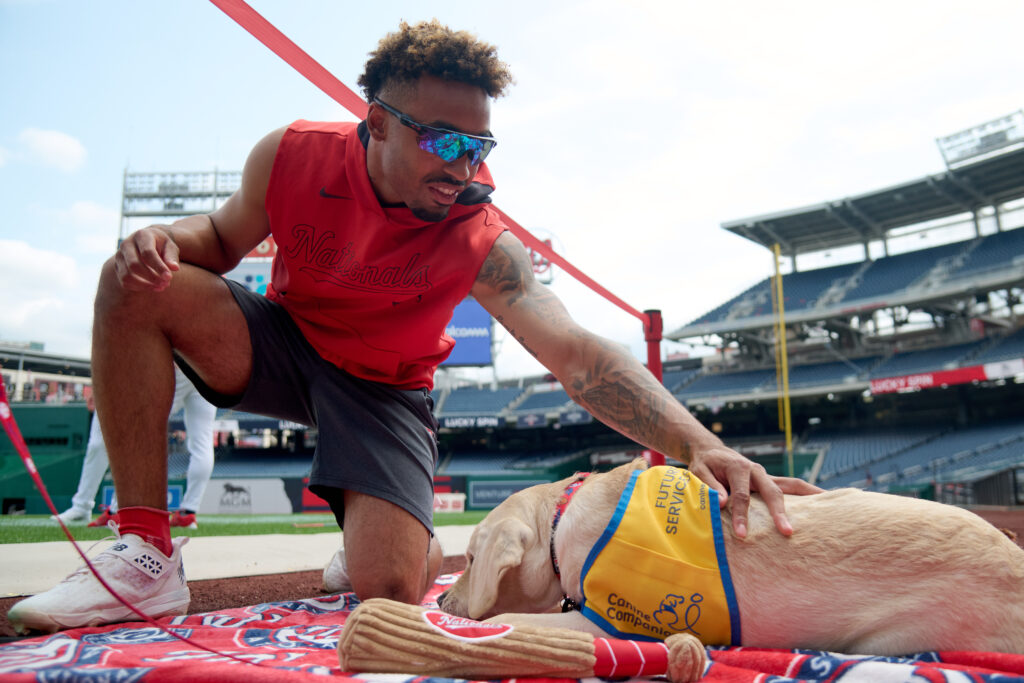
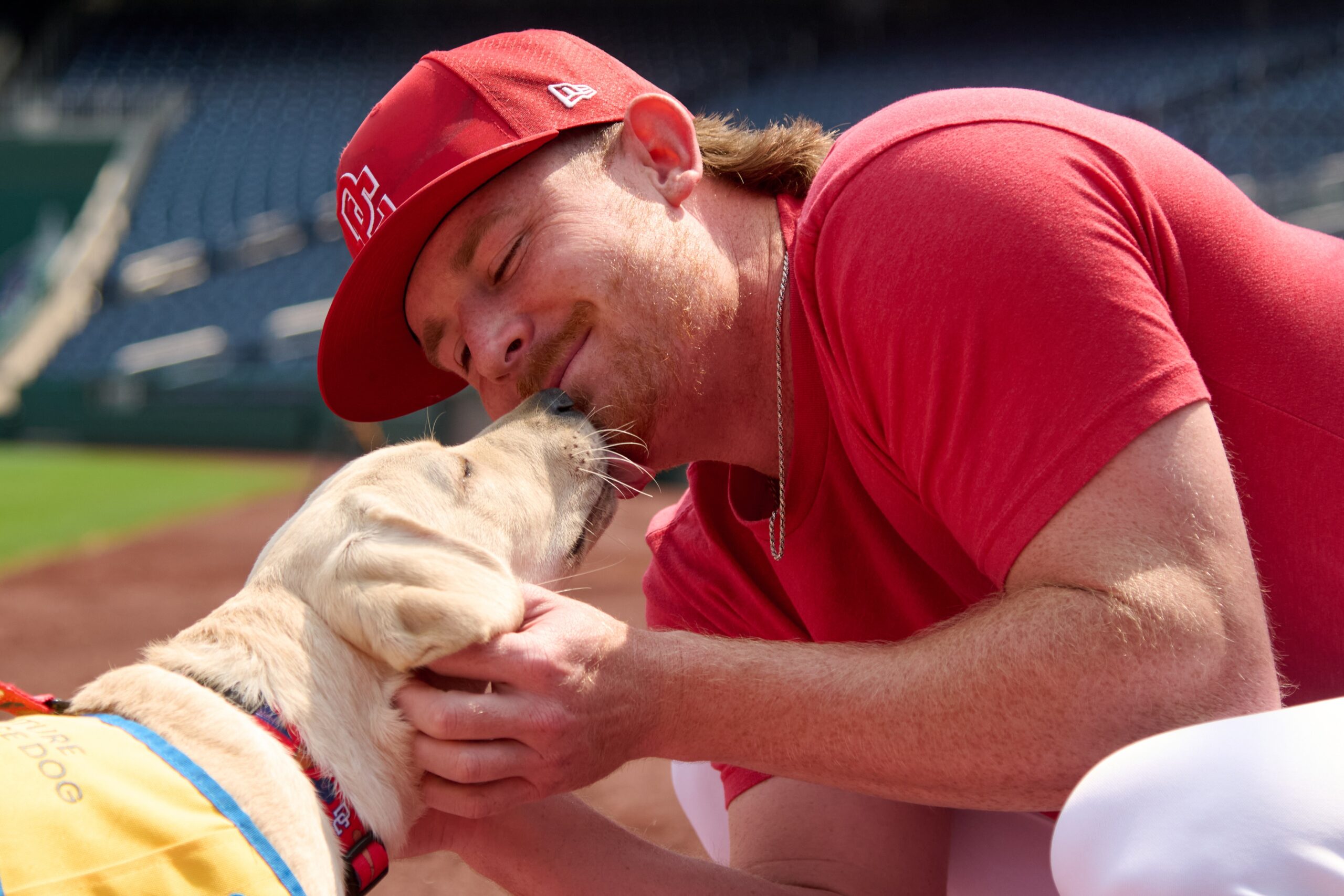
Nuñez will tell you the Nationals’ new team dog, Natty, a 6-month-old Labrador retriever mix, is, without a doubt, his “bestie.” So how did this happen?
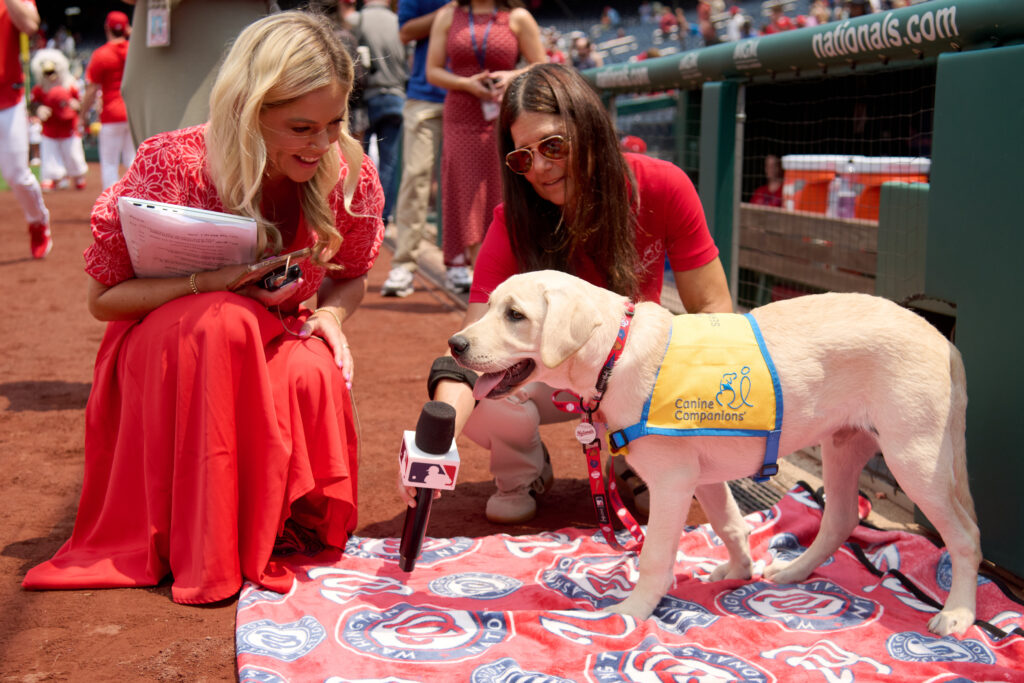
Let’s start with the job title. This spring, Washington hired a dog. Whether Natty counts toward the luxury tax is still up for debate. He’s taking his salary, seemingly, in treats and baseball stadium dirt, which he samples from time to time. When he’s not watering the ballpark grass or gnawing on pebbles, though, he has a job. As the Nationals’ “team dog,” he spends time greeting fans around the stadium. He’s a social content machine, operating (stick with us) X and Instagram accounts with a combined 23,000 followers. There, he promotes the Nationals with poor spelling and inconsistent capitalization. Some of his best work to date came when pumping all-star voting for James Wood and CJ Abrams.
But Natty’s main job appears to be hanging with Nationals players. He’s around on certain game days, sitting through clubhouse speeches and helping with batting practice (which is to say, rolling in the grass and eating dirt). No matter what he’s up to, he’s a certified vibe lifter.
“That’s his job, really,” Nuñez said. “He just makes everyone feel lighter. Like, this is a stressful, exhausting thing, you know? You have games almost every day. You show up tired. And then there’s a dog.
“He’s everyone’s best friend.”
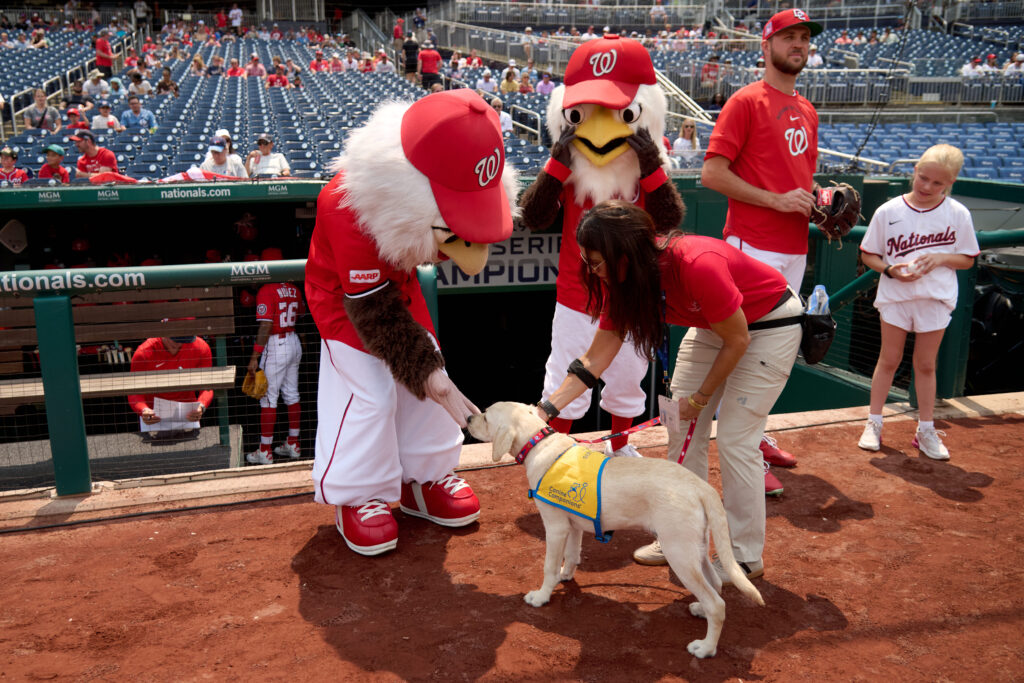
This position isn’t unique to the Nationals. At least six MLB teams have had official affiliations with dogs, and dozens of minor league teams have a clubhouse dog.
Canine roles differ depending on the employer. Some teams have them fetch bats, some employ trained therapy dogs and others, like the Nationals, just hire a pretty face.
Either way, this is all quite new. A decade ago, groundskeepers occasionally brought their furry buddies to work. But in a sports ecosystem where more eyes brew more cash, the interest among teams in hiring a four-legged social media employee is rapidly expanding. Every team is looking for an edge on social platforms, anything to attract more brand deals and the possible new fan.
“It’s great, positive attention,” said Dan Mason, general manager of the Nationals’ Class AAA affiliate Rochester Red Wings. The Upstate New York team hired a bat-retrieving dog back in 2019, well before the fad. “We just thought it would bring positivity to everything,” Mason said. “Baseball is stressful, so giving fans and players something light can never hurt.”
The idea in Rochester came about when an executive looked at a stick, then at a bat, then back at a stick, this time in a dog’s mouth. When a player is done swinging a bat, it simply makes sense for that to become a game of fetch. At which point: so long, batboy.
“At first, I wasn’t quite sure if the concept of a bat dog would even work,” said Josh Snyder, a dog trainer and the owner of Rochester’s current dog, Bruce. “But they were really open about just wanting to see what was possible.”
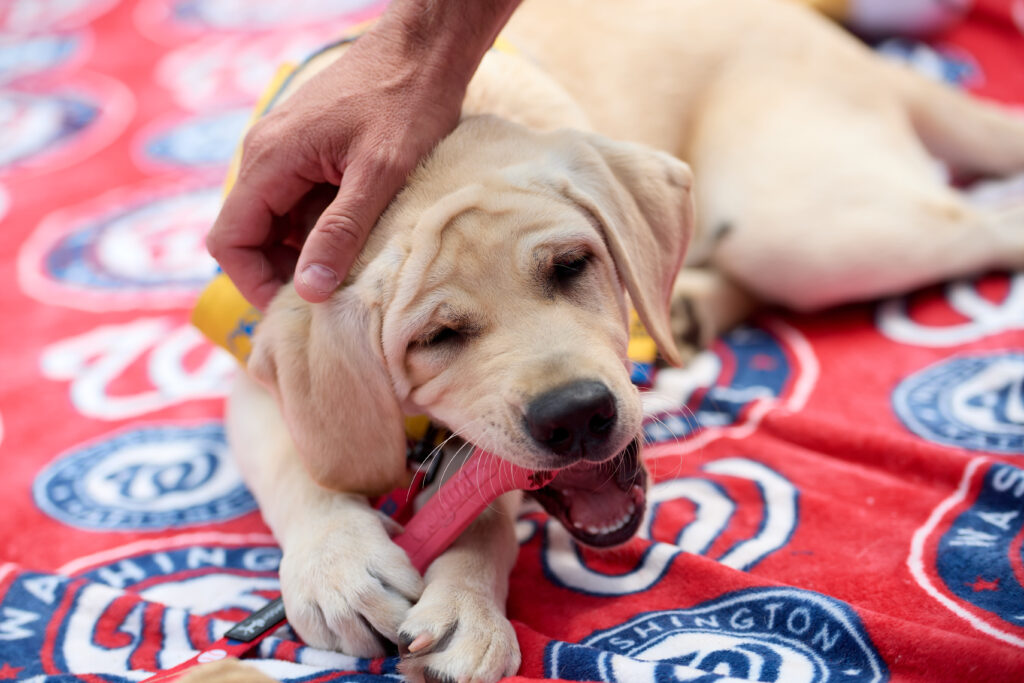
He started training his then-3-year-old golden retriever, Milo, and soon they were on the field. For all team dogs, fans’ cheers can be a big distraction. Milo also would wander off track toward a kid’s giggle or the smell of popcorn. “It took some time,” Snyder said. But they found their rhythm.
Read more Trump to use Qatari plane for international trip despite security worries
Seven years later, now with his second bat dog, Bruce, Snyder and his companion are a staple in the Rochester community. Bruce has an avid social media following, his face is plastered on merchandise and he hosts meet-and-greets with fans. “He gets more attention than we do,” said former Rochester first baseman Abimelec Ortiz, now with the Nationals. “The dog is the attraction. I’m not sure why there aren’t more MLB teams with them.”
Alex Mayer, the Seattle Mariners’ communications director, had a guess: “Everyone in the front office will be able to bring their dog to work.”
He and a team executive came across a promotion for a minor league team’s dog during the 2022 all-star break. Acting on impulse, they drove to a central Washington dog shelter and picked up a yellow Lab mix soon to be known as Tucker. “We fell in love with him, played fetch with him on a hot summer day,” he said dreamily. With few plans, they brought him to Seattle and set him off into the clubhouse. The first official MLB dog was born.
Tucker drifts between mascot and support spokesman, sidling up to players, as he’s allowed to roam around T-Mobile Park for every home game. He and first baseman Josh Naylor have developed a particular bond. Tucker’s known to add some weight during spring training, wandering between the minor league and major league sides of the team’s Arizona facility, doubling up on treats.
“He’s actually peeing on the warning track right now. Honest to God, I’m staring out at him,” Mayer said before an August game against the Detroit Tigers. “We wanted him to be, you know, an actual clubhouse dog for the players and the other uniform personnel. But who doesn’t love a gold Lab?”
He’s living the good life. And he’s the inspiration for most other teams’ recent initiatives, having amassed over 20,000 Instagram followers within days of his arrival.
The Nationals’ approach is slightly different, more akin to one the Pittsburgh Pirates pioneered. In conjunction with Canine Companions, which trains and places service dogs, Natty will be with the Nationals until he’s roughly 18 months old. Then he’ll head off to service dog boot camp with the line of duty right around the corner. (Nuñez was distraught when he learned this, kicking the cleats sitting in front of his locker.)
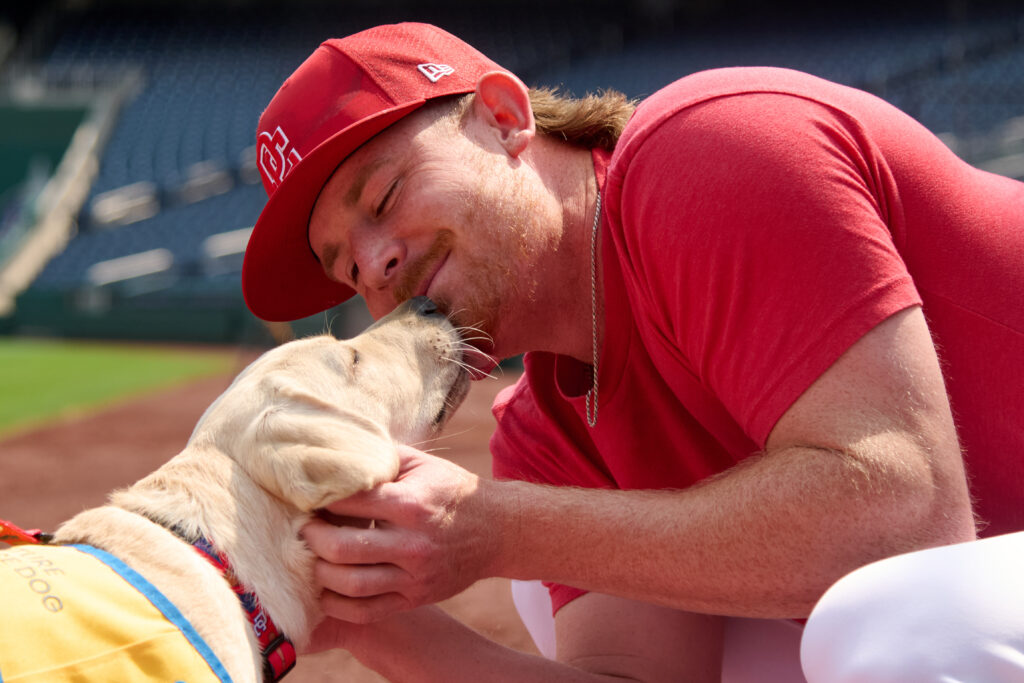
For an MLB team, that sort of partnership makes sense. A host family trains the dog, taking it to games and events to provide social stimulation. The team gets to promote its new expert ballpark grass inspector, drawing sponsorships and social media traction. Often, via their least-tenured employee, teams reach viewers who might not necessarily be baseball inclined. But don’t we all like videos of puppies? A new fan might show up to Nationals Park just to see a game promoting Natty, the thinking goes.
“It’s just about as good a deal as you can imagine,” Mason said. “And, again, the players love the dogs. People love dogs — that’s a scientific thing. So why wouldn’t you want this?”
No baseball team The Washington Post spoke with cited any specific science behind its dog hire. This was a social move.
“Athletes love dogs for the same reasons people love dogs: They’re friendly, calming and loving,” said Steven Feldman, president of the Human Animal Bond Research Institute. “It’s definitely feasible that they have a positive effect — calming, stress-relieving — on athletes, too.”
Nuñez was spending some quality time with his bestie in mid-July when the baseball dog worlds collided.
“Who is that?” he asked. The Nationals called Bruce up to the majors for the day. He and Natty, related in some native way, were tugging at a plush bat.
Read more Court throws out Missouri congressional map, helping Democrats keep seat
“That was my dream,” Nuñez said. “Honestly, I think I played better that day.”
If that’s the case, the dog days have only begun.