The threat of higher prices for gas, cars, hockey sticks and more gave fresh life to Democratic arguments that the president is destabilizing the economy.
Read more Trump moves to reshape White House’s South Lawn

The collapse of a trade deal between the United States and Canada over the weekend, followed by President Donald Trump’s announcement Monday that he would impose even more tariffs on Canadian goods, added a new shock to midterm elections already dominated by price concerns.
States that depend on international trade, including Maine, Michigan and Iowa, are among those at the forefront of the midterm battleground map.
Some Republicans in those states have urged Trump to pull back, including Sen. Susan Collins (Maine), who is locked in a tight reelection battle. “Imposing new tariffs on Canada is a mistake,” Collins said on C-SPAN on Monday. “I want us to go back to the very friendly economically beneficial relationship that we have with our Canadian neighbors.”
The threat of higher prices on consumer goods including gasoline, automobiles and hockey sticks gave fresh life to Democratic arguments that Trump is destabilizing the economy.
“It is a big, heavy gut punch,” said Rep. Marcy Kaptur (D-Ohio), co-chair of a bipartisan Great Lakes congressional task force and one of the most endangered House Democrats running for reelection in a district that voted for Trump. “For the Great Lakes economy, they best review what they just did because it’s extremely damaging.”
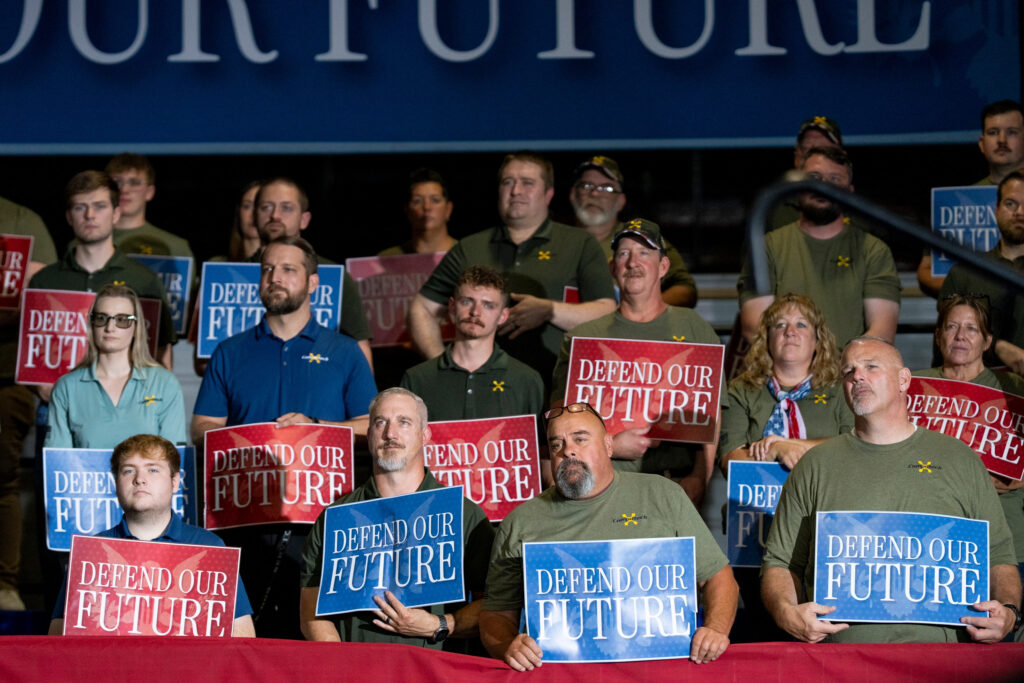
With control of Congress at stake in this fall’s elections, Vice President JD Vance defended the mounting Canadian trade war Monday during a visit to Maine, which shares a border and economic ties with the northern nation.
“They apply ridiculous tariffs and other non-tariff duties on Maine products coming into Canada, and they don’t expect Maine or anybody else to fight back,” Vance said in response to a reporter’s question, after speaking at a Brewer manufacturing plant. “We’re sick of that.”
Some who watched Vance said they didn’t realize that trade talks between the U.S. and Canada had collapsed Friday, which triggered a tit-for-tat of U.S. tariffs and retaliatory actions from Canada on Saturday. On Monday, Trump took it further and said he would impose stiff tariffs on Canadian goods such as cars and steel as of Jan. 1.
Several attendees at the Vance event said they believed the president was looking out for broader U.S. interests.
“You can’t just roll over,” said Susan Potvin, a 68-year-old retiree from Newport and registered independent voter. “Fighting for equity and fairness for people in Maine, as well as the rest of the border states, as he talked about, is important.”
Trump campaigned heavily in 2024 on fighting rampant inflation and improving the economy, but since taking office last year has taken a series of actions widely seen as making things worse.
His cuts to federal spending and the federal work force hurt states where government is a major part of the economy such as Virginia, Maryland and California. The war in Iran has driven up oil prices, while tariffs have been blamed for increased costs on a vast array of consumer goods and for hurting U.S. farmers.
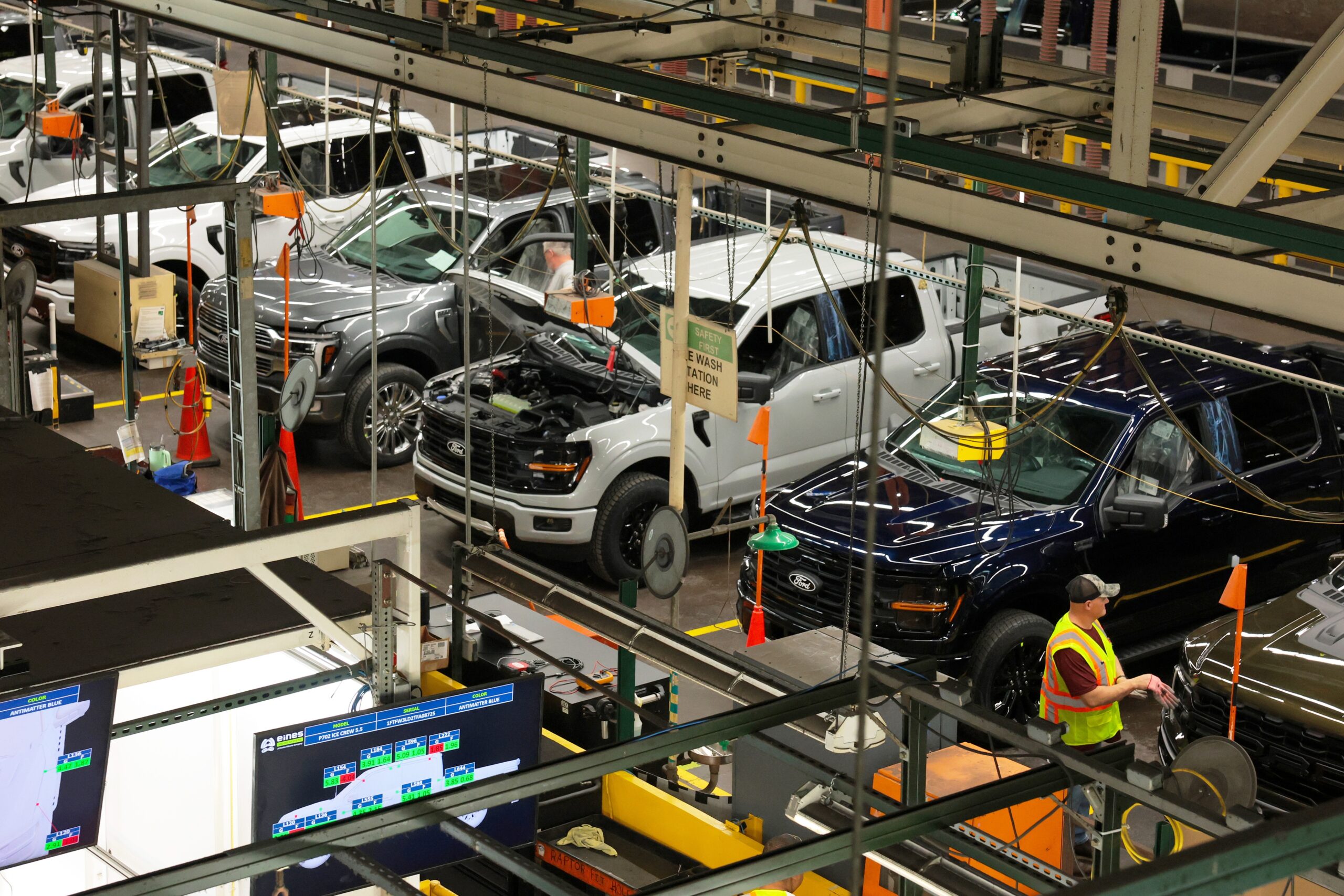
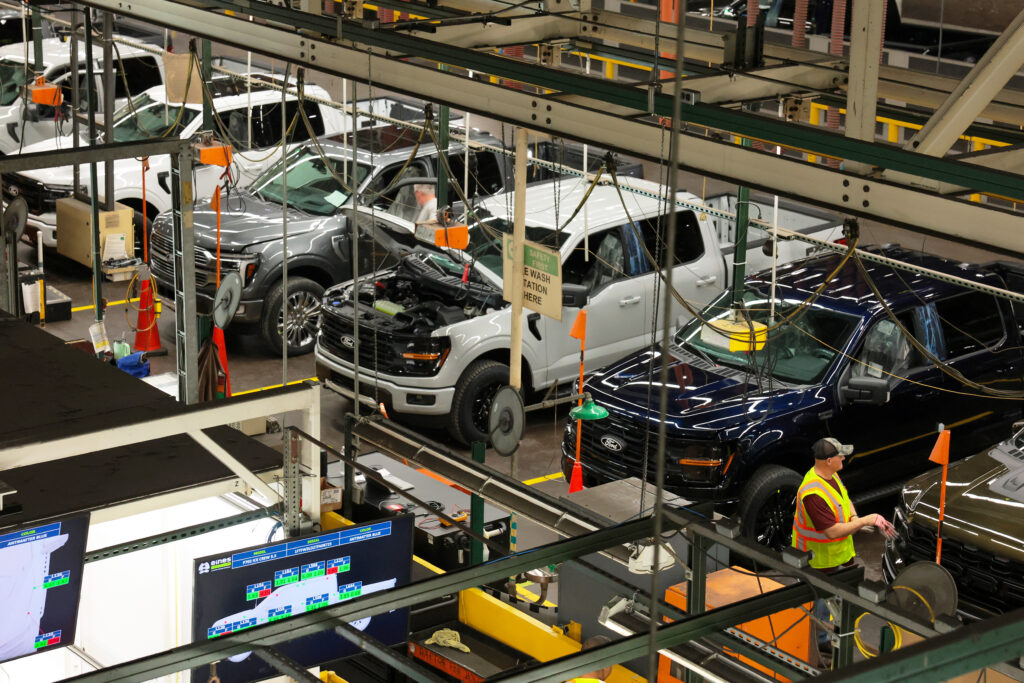
News of the escalating tiff with Canada hit especially hard in Michigan, where the auto industry has operated freely across the border for more than a century.
John Sellek, who represents a coalition of 17 Michigan business groups in the automotive, tourism and agriculture sectors that all oppose Trump’s tariffs on Canada, predicted the trade war would affect elections.
“Most all of our members voted for President Trump, they’re not opposed to President Trump,” Sellek said. But Canada is their biggest trading partner and the tariffs are hurting their businesses and increasing costs, he said.
Read more Log Cabin Republicans remove reference to trans people on website
Shawn Fain, president of the United Auto Workers union, a key mobilizing force for the Democratic Party in Michigan, condemned any escalation “on Canada, a country with strong unions and labor standards” in a statement on Monday.
But Fain said levies can work to protect U.S. jobs in specific contexts. “If we’re going to increase tariffs anywhere, it should be on countries where automakers continue to offshore jobs because they can pay workers $3 an hour, force them to work in unsafe conditions, and crack down on independent unions,” Fain said.
Charles Wade, a United Auto Workers representative at a Ford factory in Wayne, Michigan, said the members he speaks to are split on auto-industry tariffs but he worries that any new trade levies on the sector will impact union jobs.
“Those Canadian auto workers are union [members] as well,” Wade said. “An attack on one is an attack on all.”
Asked via text whether she believes Trump’s trade war is protecting jobs, Ford auto worker Misti Robinette wrote “500% I do!!” She said she is a Democrat-turned-MAGA Republican who believes Trump is the “Best President I think I will ever see in my lifetime!!!”
In Nevada, where Canadians are the top international tourists, Rep. Dina Titus (D) said visitation is already down 25 percent and she’s worried the escalating trade conflict “will make it even worse.” Titus said she hears concerns every day in her Las Vegas-based district about economic pressures on tourism, particularly tariff-driven cost increases on items including lobsters and fresh flowers.

“My constituents won’t forget this,” Titus said.
Republicans dismissed warnings from Democrats that the GOP would pay a political cost for Trump’s trade policies.
“House Democrats have nothing to offer voters but distractions from their failures and the radical socialists taking over their party,” Mike Marinella, a spokesman for the campaign arm of House Republicans. “Meanwhile, President Trump and Republicans are delivering lower costs, putting Americans first, and making sure the rest of the world can no longer take advantage of our country.”
Trump recently tried to address prices recently in another way by allowing more foreign imports of beef without heavier tariffs, but that created different kind of blowback from Republicans in cattle states who thought it would hurt their farmer constituents.
“I want to lower prices but this is a bad idea,” Rep. Ashley Hinson (R-Iowa), who is running in one of the most competitive Senate races, said on X. “Iowa cattle producers raise the highest quality beef in the world. They’ve faced tough market conditions for years, and increasing beef imports would lead to more uncertainty and instability for our farmers.”

The issue of affordability helped Democrats run up wins in off-year elections in 2025, and this year they are campaigning heavily on the theme in congressional midterms.
Polling hints at the potential political consequences. In May, a Marquette Law School national poll found 67 percent disapproved of Trump’s handling of tariffs, with a similar share who disapproved of his handling of the economy overall.
An April poll by the University of Calgary and Ipsos found more than twice as many Americans opposed tariffs on Canadian goods as supported them.
A Washington Post-Ipsos poll in July found 43 percent of voters saying they were “not as well off” as when Trump returned to office last year, which is among the highest saying this about any recent president and similar to the share who said this about President Joe Biden in 2023-24.
Read more Supreme Court eases path for Trump’s sweeping limits on mail-in balloting
Lauren Kaori Gurley and Scott Clement contributed to this report