The African nation refused to make an agreement with the Trump administration, which has sought to slash foreign assistance and impose new terms on recipients.
Read more Senate blocks measure requiring report on Israeli violence in West Bank
The Trump administration on Wednesday will end U.S. global health funding to Zimbabwe, including support for efforts to fight HIV and other infectious diseases, after the government in Harare rejected Washington’s attempts to strike an “America First” foreign aid agreement.
The State Department confirmed the move, writing in a statement that its partners in Zimbabwe will be allowed a short, unspecified window to “responsibly close operations for all U.S. government funded programs” and that the United States was “committed to an orderly handover.”
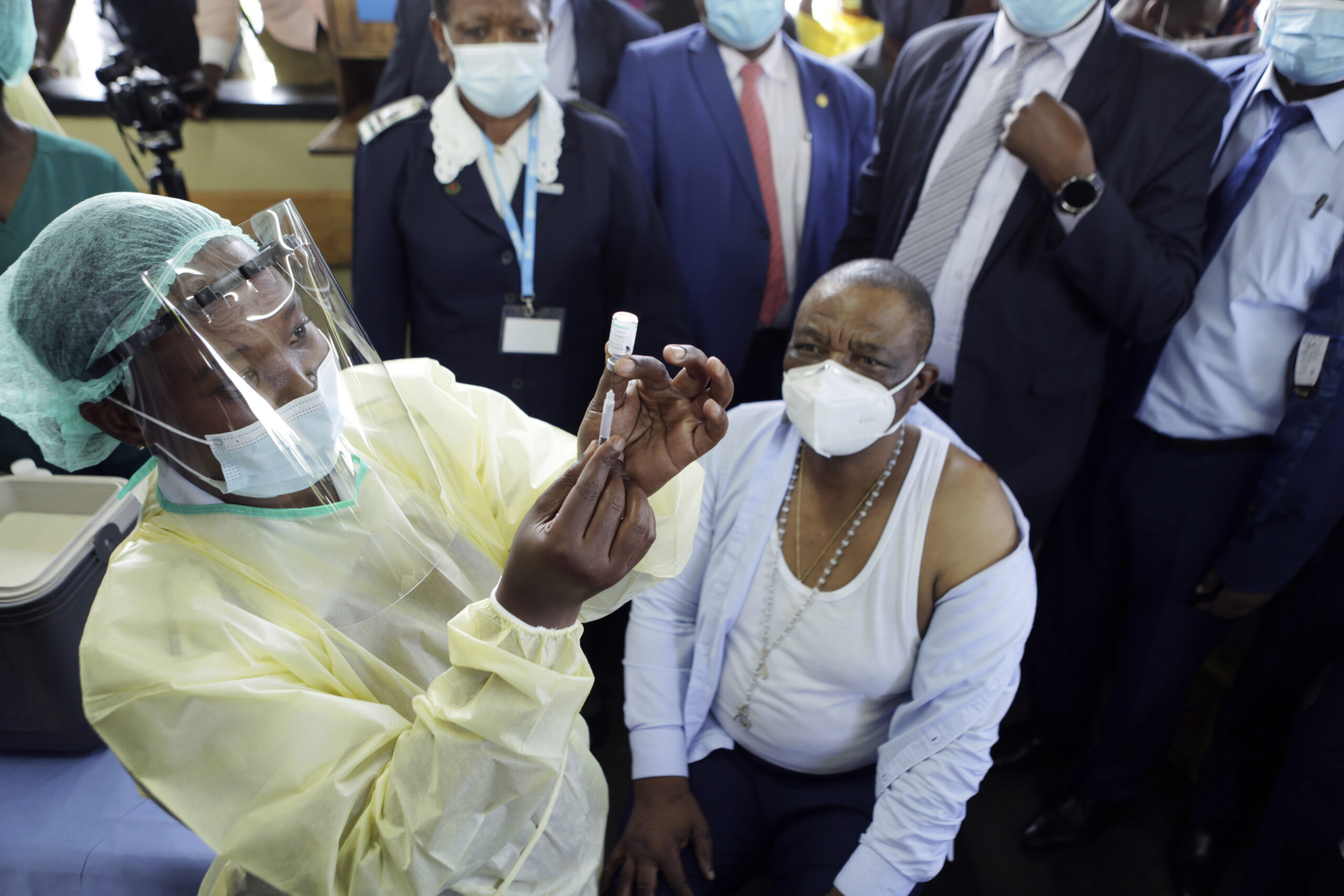
The decision to end health funding to Zimbabwe, where the United States had until recently supported more than 40 percent of all HIV-related spending in the country through the President’s Emergency Plan for AIDS Relief and other programs, coincides with the Trump administration’s effort to dramatically reshape America’s foreign assistance system by dismantling the U.S. Agency for International Development (USAID) and implementing bilateral “America First” global health deals with developing countries.
The State Department, which has led the health deal negotiations, said it had signed health funding deals with 35 governments. In its statement, it described the agreements as being designed to “build durable health care infrastructure, empowering countries to reduce dependence on external health assistance.”
The secretive negotiations around the agreements and the strict terms within them have led to criticism from some recipient countries and health activists, who have argued that the Trump administration is pressuring countries to accept deals that were not in their favor. Limited analysis of agreements shows that they are cutting tens of billions in U.S. global health funding, even as Congress continues to appropriate such funding at a consistent level.
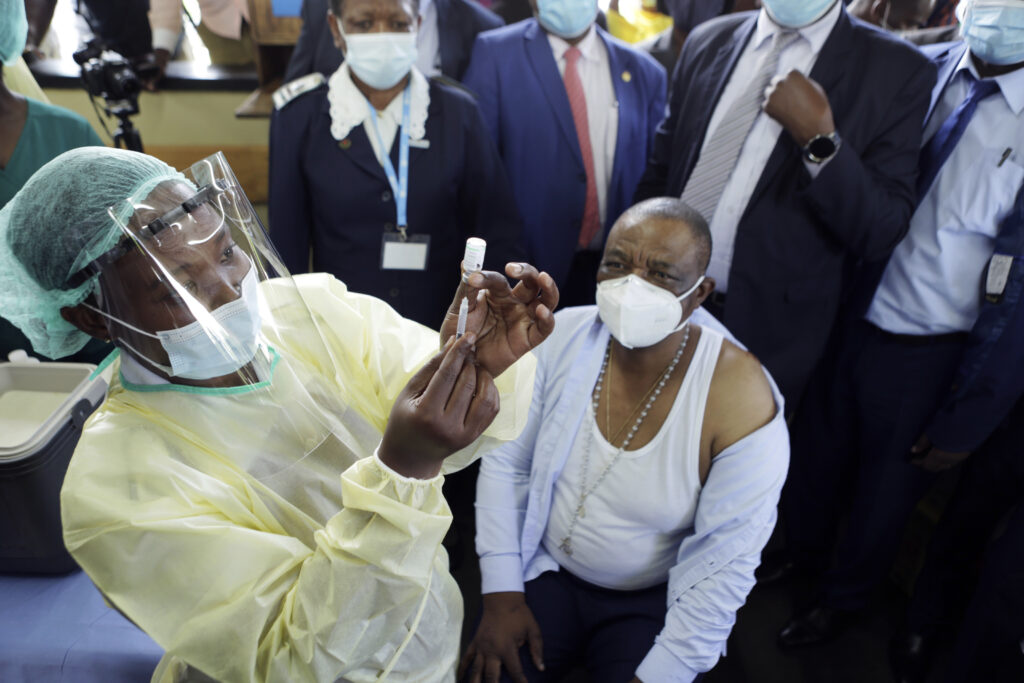
Zimbabwean President Emmerson Mnangagwa halted his country’s negotiations with the Trump administration late last year. In a private correspondence reviewed by The Washington Post, Zimbabwean officials at the time called the talks lopsided and said they risked undermining Zimbabwe’s sovereignty.
The most significant stumbling block in negotiations was a clause on the sharing of health data with the United States, Zimbabwean officials later said. Similar concerns in Kenya led to a legal challenge there that halted implementation of the deal with the Trump administration, the first to be signed.
Zimbabwean officials pledged this week to raise government spending and to seek more funding from the Global Fund to Fight AIDS, Tuberculosis and Malaria, an international global health financing organization based in Geneva, and other partners to meet the deficit left by the U.S. withdrawal.
The Zimbabwean Embassy in Washington did not respond to a request for comment for this article.
Read more Trump’s upscale golf plan could destroy a D.C. haven for cyclists, runners
In its statement, the State Department said the Zimbabwean government had “assured us they can take care of their own people.”
Roughly 1.3 million people in Zimbabwe are estimated to be HIV-positive, with around 1 in 10 adults between the ages of 15 and 49 living with the disease, according to international estimates.
Jameson Timba, a former Zimbabwean minister who has become a critic of Mnagagwa’s government, wrote on social media last week that the government had “every right” to reject a deal with the U.S. but that it also needed to show how it would support the Zimbabweans who rely on programs supported by Washington.
“If there is a Plan B, publish it,” Timba wrote. “ … Sovereignty must also mean keeping our people alive.”
The mood among health care workers in the country is one of confusion and concern, said Itai Josh Rusike, a community health leader, with some in a state of denial and others worried that there “seems to be no clear plan on the way forward.”
Many health workers who had relied on U.S. funding for salaries must adjust to a new reality, Rusike added.
South Africa, which has the world’s largest HIV-positive population, was not offered a deal because of the ongoing diplomatic dispute with President Donald Trump, who has claimed that the Black-majority country allows the mistreatment of White Afrikaners — claims that experts have said are exaggerated or false.
Russell, of Health GAP, said Zimbabwe could face a worse outcome than other non-signatories because it is a “very poor country” that is “ruled by an increasingly repressive and authoritarian president and saddled with hyperinflation, indebtedness, and poor access to capital.”
Mnangagwa, 84, has led Zimbabwe since 2017 after the military forced the late Robert Mugabe from power. Mugabe dominated Zimbabwean politics for decades after leading the country to independence in 1980.
Read more Fox News agrees to host Texas Senate debate; no word from Paxton yet
Rael Ombuor in Nairobi contributed to this report.