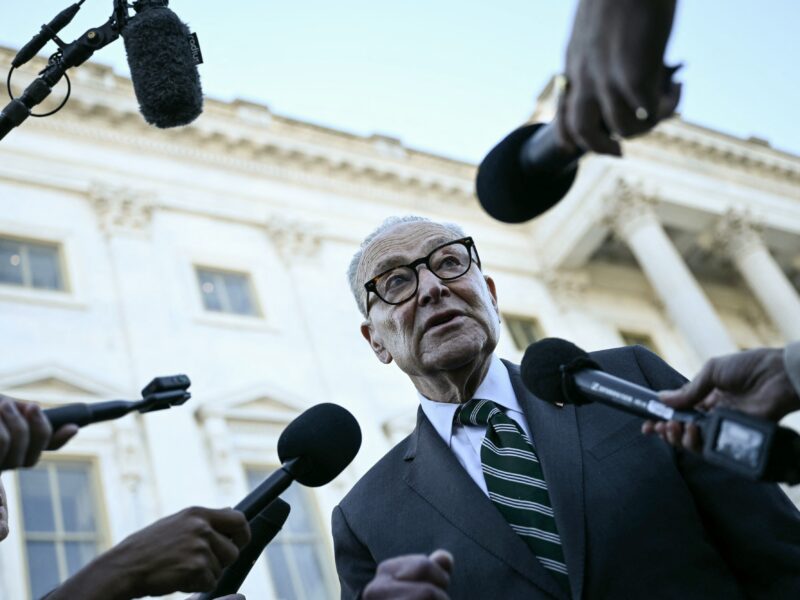

Democrats say they want to end the redistricting war that roiled this year’s midterm elections, and now they have some leverage.
Read more Schumer, Van Hollen add to tallies of supporters for majority leader
Republicans unsuccessfully tried to save their House majority by redrawing districts in their favor, but they’ll have a tougher time getting it back with another round of redistricting. Democrats gained seats in legislatures around the country, giving them new opportunities next year to carve up more districts in their favor and block Republicans from doing the same.
Democrats say they want to use the moment to forge a truce and prevent similar redistricting fights. Sen. Alex Padilla (D-California) said he plans to advance legislation that would ban mid-decade redistricting and require states to draw districts without favoring one political party. Republicans have previously resisted similar proposals, and President Donald Trump was the driving force behind the GOP remapping plans over the last 18 months.
“I’m hoping that they’ve learned their lesson given the results of this election, that there is a price to pay when you weaponize redistricting like they just did,” said Padilla, who is in line to chair the Senate Rules and Administration Committee, which oversees legislation affecting voting and elections.
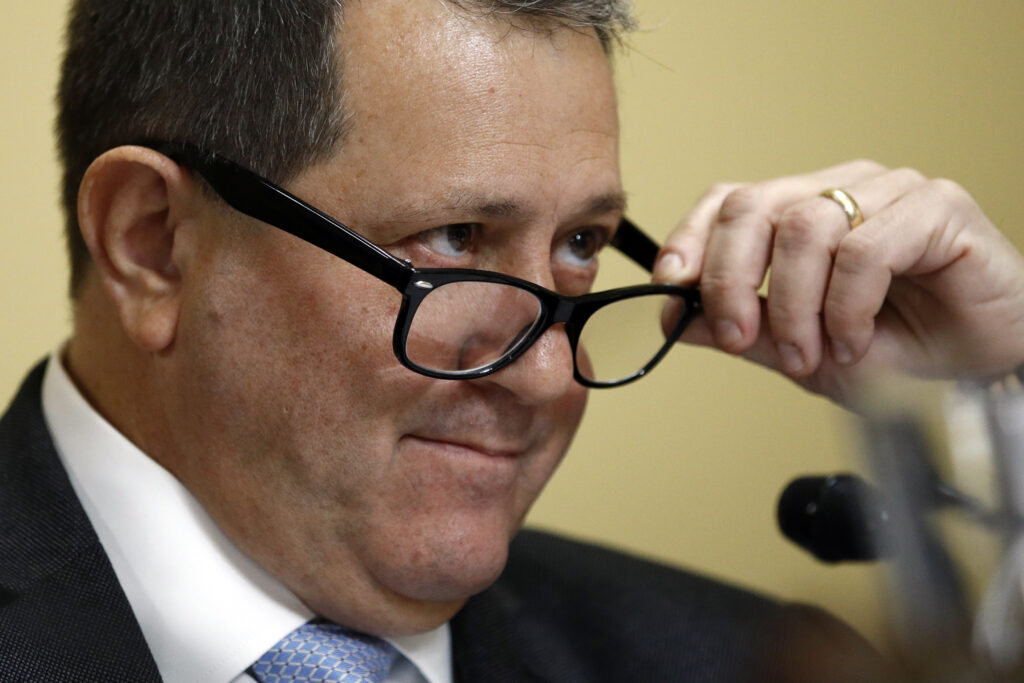
Democratic leaders have said addressing affordability is their top priority, but they have long embraced banning partisan gerrymandering. Democratic Rep. Joe Morelle said he’s working on the issue with his party’s leader in the House, fellow New Yorker Hakeem Jeffries, and is treating it as a top priority after GOP redistricting this year.
“Americans rejected Trump’s attempts to take away their voice,” said Morelle, who is expected to lead the House committee that reviews election-related bills.
Spokespeople for the White House and Republican leaders in Congress did not respond to requests for comments on Democrats’ plans.
This month’s elections showed Democrats that they can overcome GOP gerrymanders, at least when voters are frustrated with an unpopular Republican president. And they learned they can tap into voter anger over the breakup of majority-Black districts to boost turnout and win races for House seats and statewide offices in unexpected places.
The redistricting stakes appeared high this year because the House margin was so slim that just a handful of seats could be decisive. But the election became a rout, and Democrats will hold an advantage of more than 80 seats. That makes the consequences of redrawing a district here or there next year — for either side — much less meaningful.
“This is such a seismic result in the sense that it shifts both parties’ mentalities,” said Dave Wasserman, senior elections analyst with the nonpartisan Cook Political Report. “Neither party can redistrict their way to guaranteeing a majority, particularly Republicans.”
Normally, states draw their congressional districts at the start of each decade after they receive the results of the U.S. census. Before this month’s midterm elections, Republicans broke with that tradition and drew 15 House districts across seven states to their advantage. To counteract them, Democrats tilted five districts in California in their direction and won a court case that gave them more advantageous lines for a district in Utah.
Many of the GOP-friendly districts failed amid the Democratic wave. For instance, in North Carolina, Republicans hoped new districts would take them from 10 seats to 11. After this month’s elections, they will hold three seats.
Republicans expect to perform much better in these redrawn districts in 2028, which they hope will be a more typical election cycle that draws out more GOP voters.
Padilla and other Democrats said they hope that the failure of redistricting in 2026 teaches Republicans not to try the gambit again.
Read more Who is ready for some presidential debates?
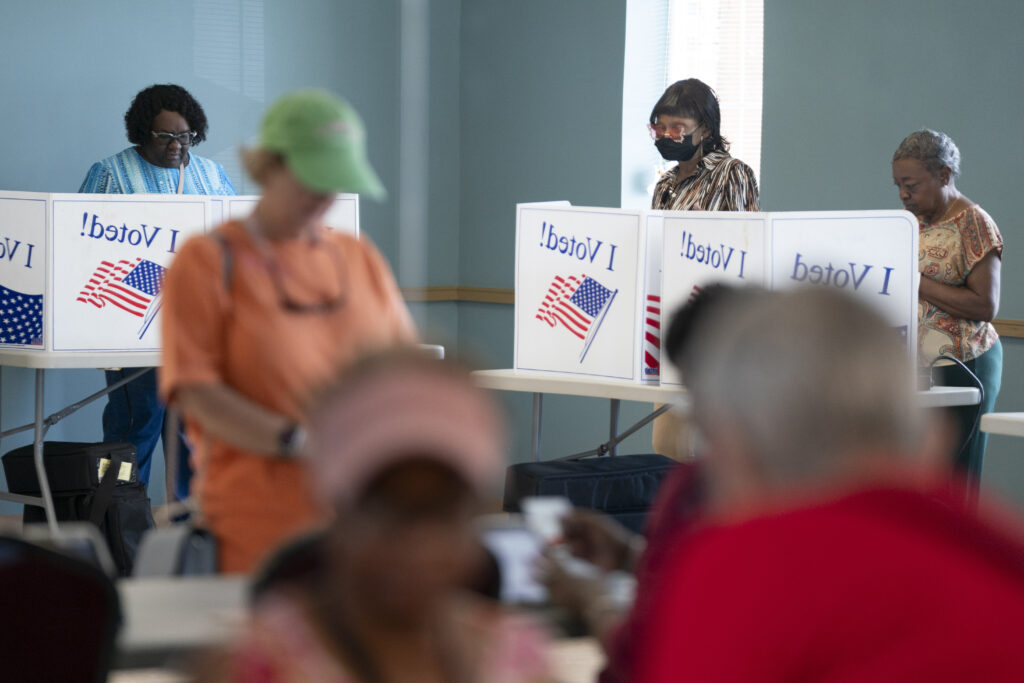
It’s unclear whether Republicans will. In South Carolina, Republicans vowed to remake the district of Democratic Rep. James E. Clyburn before the 2028 elections after a last-minute effort to do so failed this spring. Anger over the idea boosted Black turnout in the midterms, helping Democrats flip one Senate and one House seat. Gov.-elect Alan Wilson (R) supported this year’s plan to dissolve Clyburn’s district but didn’t answer questions after this month’s elections about whether he still wanted to do so.
In Mississippi, Gov. Tate Reeves (R) this spring suggested he would try to shatter the district of Democratic Rep. Bennie Thompson before the 2028 elections, saying ending his tenure in Congress was “not a question of if. It’s a question of when.” Reeves last week signaled continuing support for the idea, telling WLBT-TV he plans to call a special legislative session on redistricting soon, even after a surge in Black turnout helped a Democrat win a Senate seat in Mississippi this month for the first time in 44 years.
Republicans could try to redraw lines in Alabama or Louisiana but face similar challenges if they do. Moving Black voters into new districts would break up Democratic strongholds but could also put Republicans in neighboring districts in trouble if Black voter turnout again surges.
Regardless of what happens in the short term, a renewed fight is likely after the 2030 census, when all states will be required to draw new maps. Some states will lose congressional seats, and others will gain them because of population shifts. And all states will have to draw their districts in light of this spring’s Supreme Court decision that greatly weakened a provision of the Voting Rights Act that for decades created Black- and Latino-majority districts.
John Bisognano, the president of the National Democratic Redistricting Committee, said he wants Congress to ban partisan gerrymandering and hopes Republicans stand down on redistricting after their losses this month. He doesn’t think that will happen and is bracing for GOP-led states in the South to adopt new maps soon.
“If that’s the case, Democratic states are going to be prepared to respond — just like we were last time,” said Bisognano, whose group this year pushed Democrats to redistrict and fought Republican maps in court.
This month’s elections shifted the skirmish in Democrats’ favor. They won the governor’s races and lower houses of the state legislatures in Georgia and Texas, preventing new Republican-led gerrymanders. Voters approved a ballot measure in Missouri that blocked a pro-Republican map that probably would have cost Democrats a seat.
In Maryland, voters approved a measure that will allow Democratic state lawmakers to draw a map that will probably wipe out the chances of Republican Rep. Andy Harris winning reelection in 2028. In Virginia, Democrats have not ruled out trying to redraw the state’s map after the state Supreme Court blocked an attempt to do so this year.
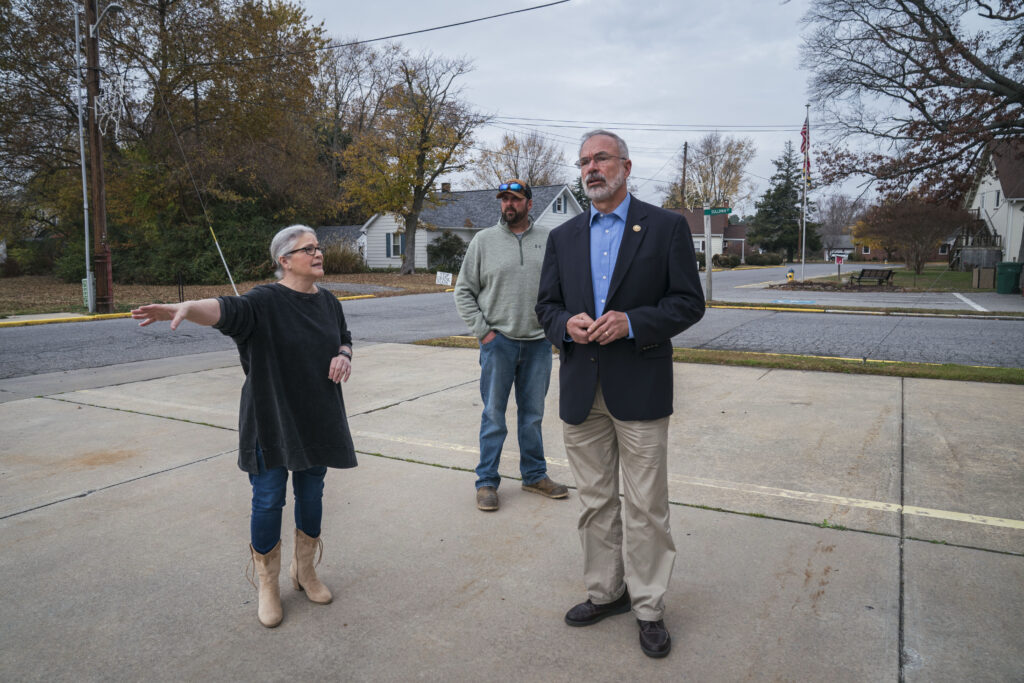
And Democrats won full control of more state governments, including Wisconsin. Legislative leaders have said they are strongly considering drawing a new House map that would benefit Democrats, and Gov.-elect David Crowley (D) has said he would give it final approval if they do. Democrats have a separate path to getting a new House map through a challenge before the Wisconsin Supreme Court, where liberals hold a majority.
For years, Democrats held just two of Wisconsin’s eight congressional districts. They won four seats this month, and a new map could restructure those districts to give the newcomers a better chance of staying in office.
State Sen. Kelda Roys (D) said she wants lawmakers to set criteria that ensure maps are fair and reflect the will of voters.
“I want to see the voters of Wisconsin getting the representation that they vote for, whether it’s Democrats or whether it is Republicans,” she said. “That is what democracy is.”
Read more Sen. Kennedy urges scrutiny of Lutnick over China’s access to Nvidia chips
Theodoric Meyer contributed to this report.