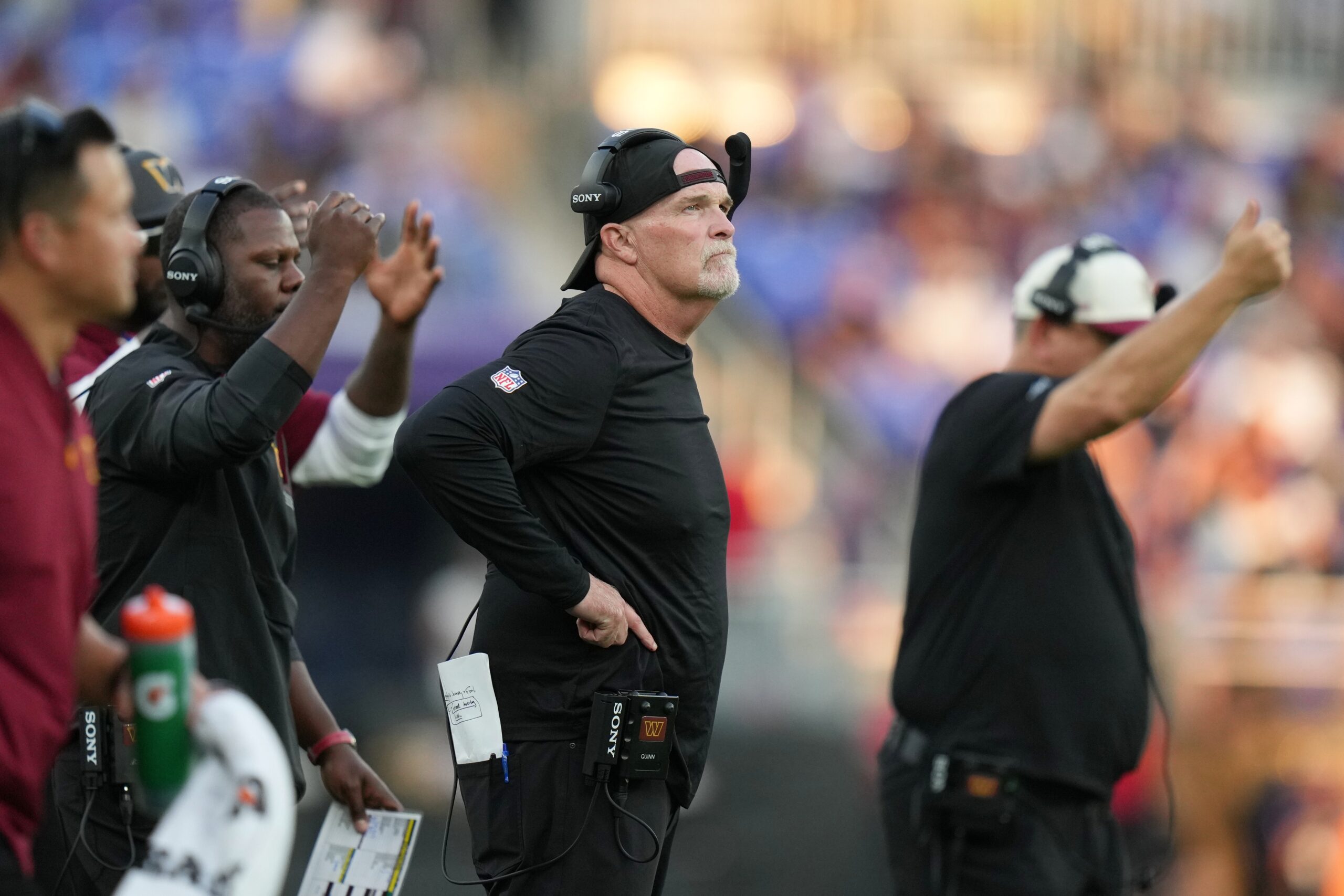
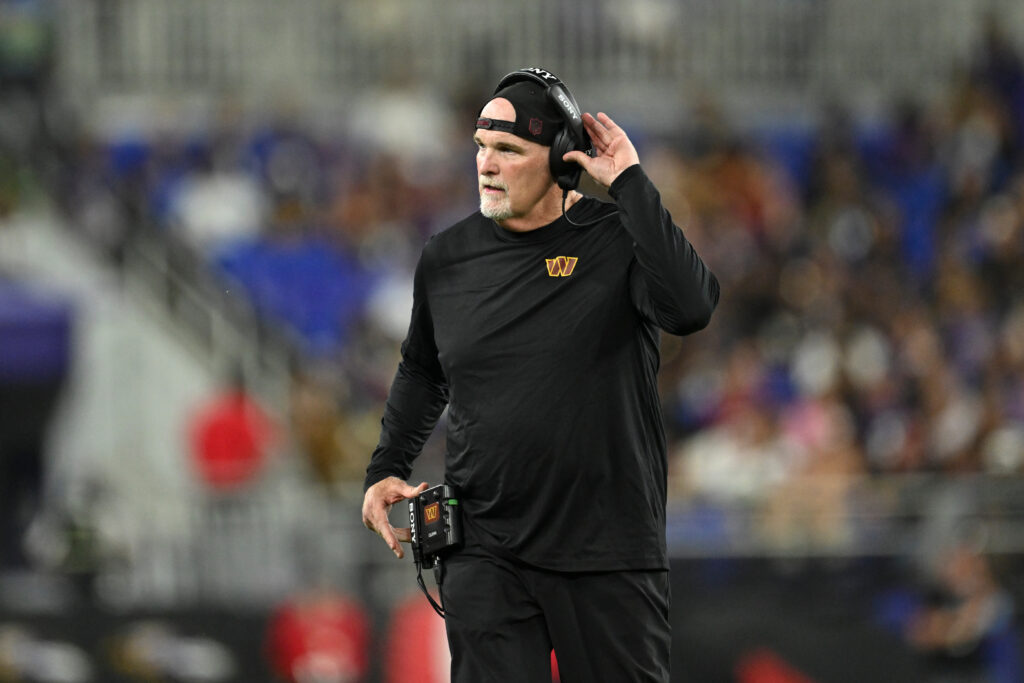
Dan Quinn feels the pressure. He lives with omnipresent stakes every day he’s the Washington Commanders’ coach. But it doesn’t breed anxiety. In fact, he enjoys it.
Read more Nationals stop their skid with a Cade Cavalli gem and a late rally
Quinn has been coaching for 33 years — this is his ninth as an NFL head coach — and he has always been excited by the weight of expectation. If he wasn’t comfortable with that, he would have chosen another vocation.
“I knew what I signed up for,” Quinn told The Washington Post. “I love the pressure.”
When owner Josh Harris told a group of reporters in March that there was more urgency for Quinn and General Manager Adam Peters, it didn’t bother him. Following the Commanders’ 5-12 finish last year, that went without saying.
Quinn, 56, said he didn’t have any formal conversation with Harris about his job security this offseason. Nonetheless, he’s fully aware that a repeat of what Washington put on display in 2025 is unacceptable.
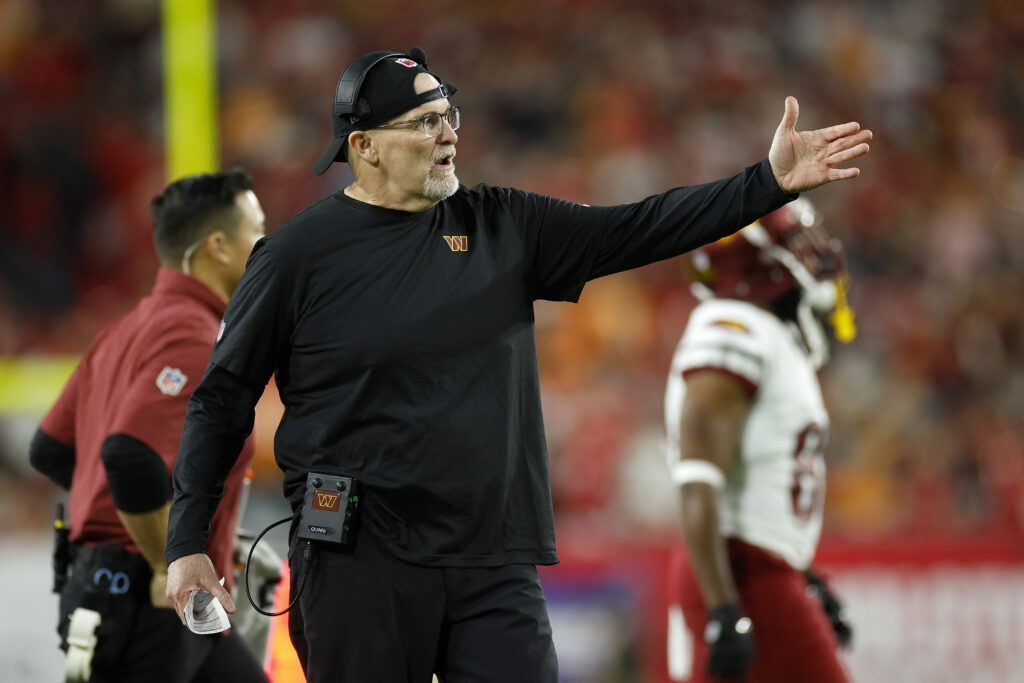
“There’s a certain standard that you want to be met,” Quinn said. “So, when me as a coach falls short of those, I don’t need any reminding, you know? That’s [Harris’s] job to say that, but it’s also mine to say, ‘Trust me, this is not something that I don’t think about 24/7, every day.’
“I’m not shaken or rattled.”
As much as the need to improve registers with Quinn, his focus isn’t on any uncertainty regarding his future; it’s on his team redeeming itself in the present.
“We’re focusing on the now,” cornerback Mike Sainristil said. “The narrative that we create is going to be created based off of the way we go about our business from this point forward. The only thing that matters to us is what we think inside of this building. It’s not about what the outside people say. It’s not about anything other than what we put out there and what we do.”
Quinn has a sense of calm as the Commanders get ready to kick off the season against the Eagles on Sunday in Philadelphia. That disposition is the result of months of reflection, correction and growth.
As Quinn said before standing up from his seat in his office, “Now’s the time to go fight.”
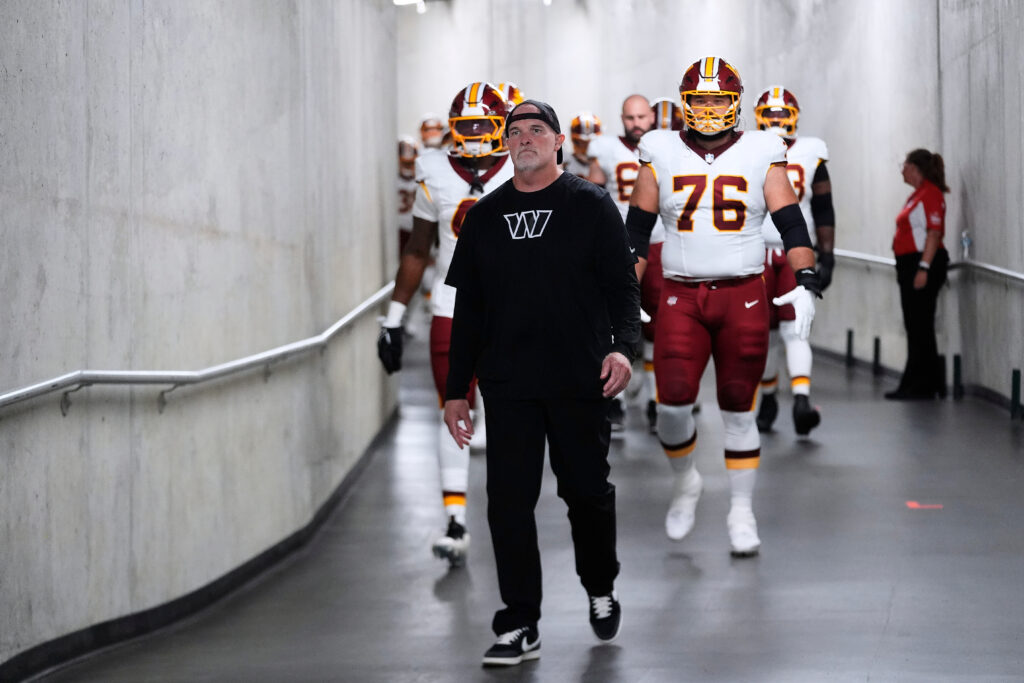
This isn’t Quinn’s first go-round. His six-year tenure with the Atlanta Falcons came with a lot of success, including a Super Bowl berth after the 2016 season. But he was fired following an 0-5 start in 2020. Although he jumped right back into coaching as the Dallas Cowboys’ defensive coordinator, he took time that offseason to thoroughly assess his mistakes.
“In life or football or anything, there’s some lessons that are learned, and you’re like, ‘All right, I’m not going to [mess] this up in this way again,’” Quinn said. “But sometimes, you don’t get to really apply them until you’re in that scenario again.”
Although it would have been hard for Quinn’s first season in Washington to go much better, last year was full of adversity. Pinning the team’s struggles on injuries would have been the easy way out, but Quinn knew he had to dig much deeper to get the team back on track. The first step was breaking down the scheme on offense and defense, which led to what he called the hard decision to fire coordinators Kliff Kingsbury and Joe Whitt Jr.
Just replacing those coaches with offensive coordinator David Blough and defensive coordinator Daronte Jones, however, wasn’t enough. Quinn wanted to change how the coaching staff operated.
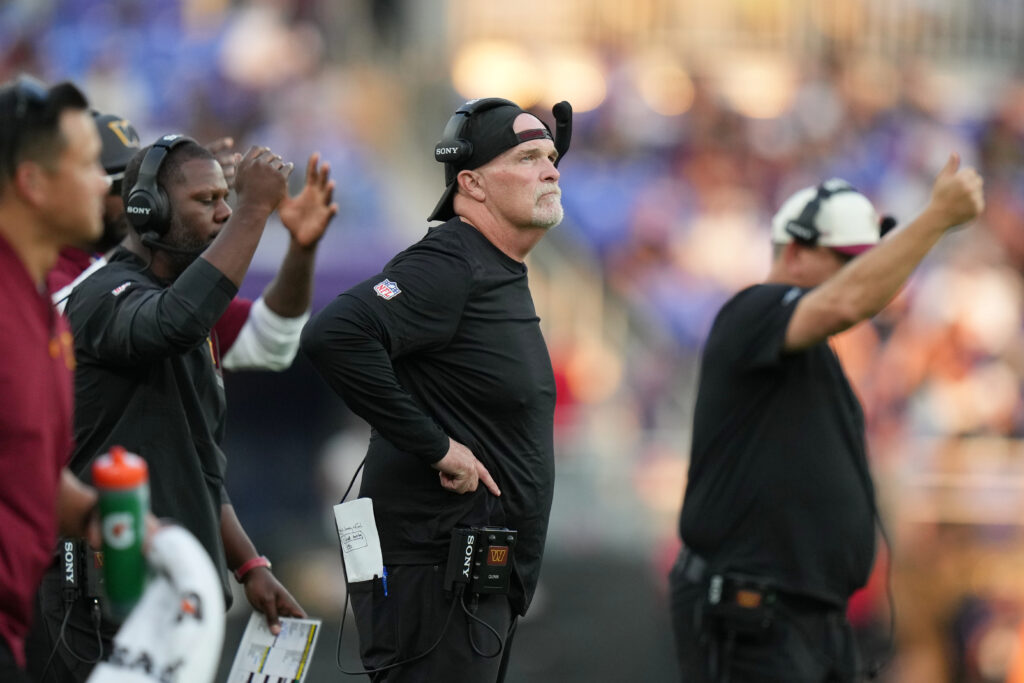
Ahead of organized team activities this past spring, Quinn held coaching summits in which the staff discussed its philosophy on offense, defense and special teams. The goal was for the coaches to become better teachers. To do that, Quinn believed they needed to be more connected.
“It was probably the most intentional I’ve been in my nine years with the staff and our development,” Quinn said. “I wanted the relationships to build so Eric Henderson, the defensive line coach, could go to [offensive line coach Darnell] Stapleton and have conversations like, ‘What would make this better? What would this make this harder?’ Seeing the conversations happen across the ball, that was important to me.”
Before players reported for practice, Quinn went back and watched practice film from the past two seasons. What he saw was a more desperate team in 2024. During OTAs, he consulted with coaches and players who were on both teams and found they felt the same way.
“Whatever we did last year wasn’t enough,” safety Jeremy Reaves said. “It wasn’t even close to enough. I think we’re a lot more conscious of what it’s supposed to look like and what it’s not supposed to look like.”
Quinn decided the Commanders needed more intensity, aggression, urgency and discipline in practices. If that wasn’t accomplished, he insisted that it be called out. And then, beyond that, action had to follow.
“It’s one thing to talk about it or say it,” Quinn said. “What are you going to actually f—ing do about it?’”
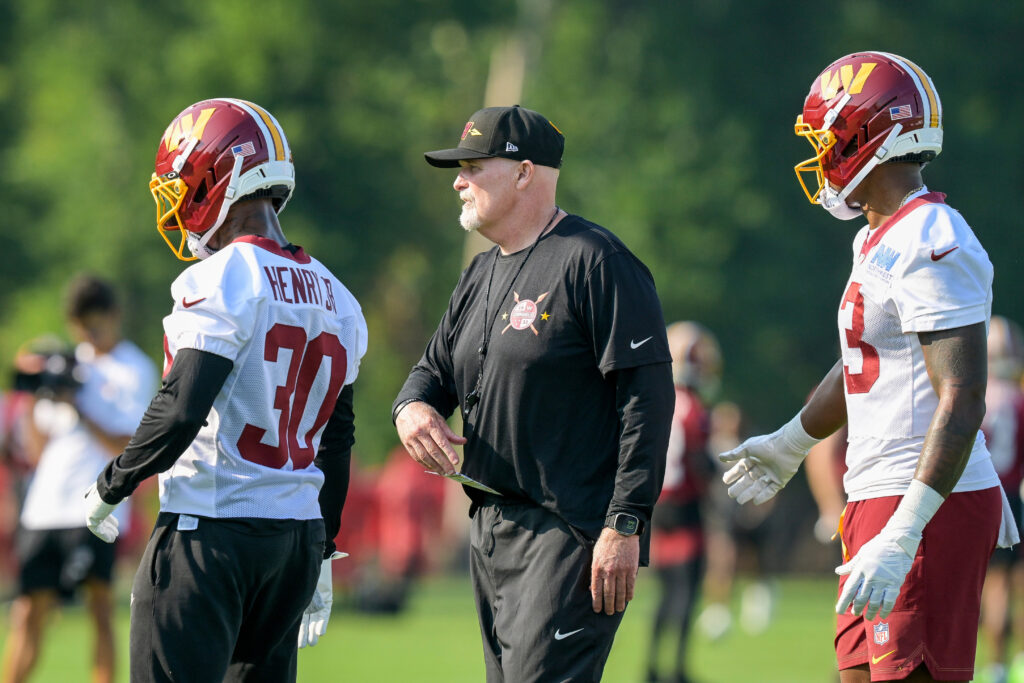
In the depths of the offseason, Sainristil and defensive tackle Javon Kinlaw were among the players who were already fixtures at team headquarters. Starting in February, they began working out there as early as 5 a.m. When Quinn instructed his players to come back in better shape for a more difficult training camp, they welcomed the challenge.
Read more Kimberly Greenwood, wife of Lee, is nominated to be ambassador to Barbados
“He just wanted us to take that next step,” Sainristil said. “You can turn on our tape from last year, and it wasn’t really at the level it could have been in terms of just effort. I think that just comes from not being where you’re supposed to be physically.”
The players took heed of the message. Peters made substantial roster changes and added 22 players, but many core members from the previous two seasons remained. While it applied to everyone, Quinn’s mandate hit hardest with those who endured last season.
“When you get back here with the guys, it makes you just work that much harder,” offensive lineman Andrew Wylie said. “That hasn’t been forgotten.”
The Commanders didn’t have live contact during training camp, but the practices were grueling. Both the overall sessions and individual practice periods were significantly longer. For the first time since he got to Washington, Quinn implemented one-on-one drills. During team drills, there was an increased focus on re-creating gamelike situations, such as red zone, third- and fourth-downs and two-minute drills. After plays were over, defensive players were pushed to swarm to the ball, and offensive players had to finish downfield.
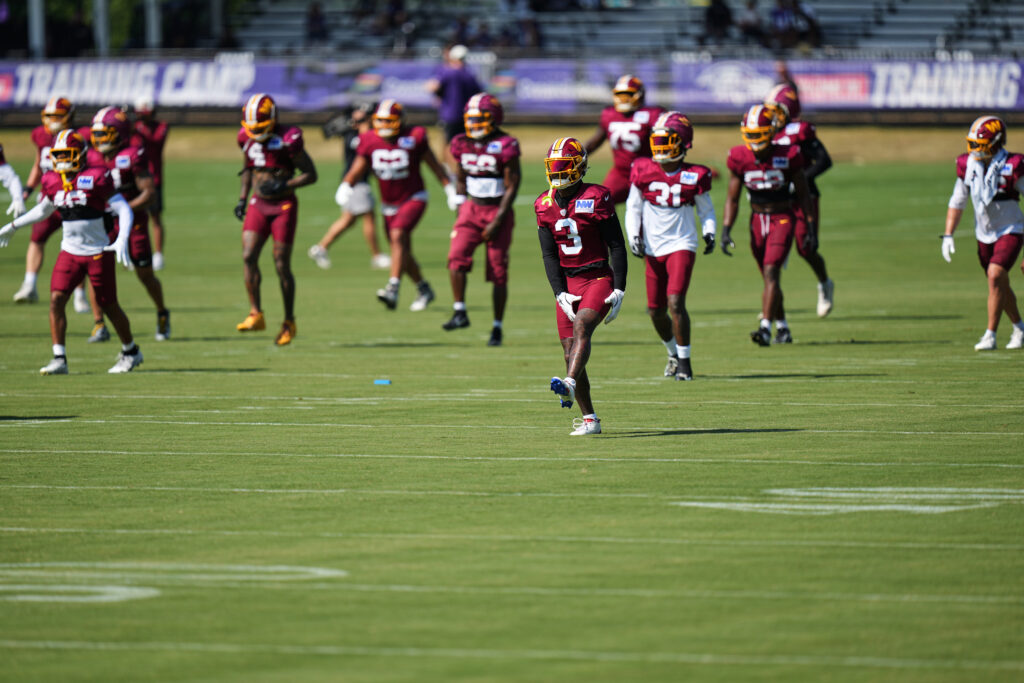
One thing that resonated with more established players: Even players who were unlikely to make the roster were going all-out. It fostered an environment where competition was paramount.
“There’s a lot of guys that felt that and had to elevate their game,” right guard Sam Cosmi said. “Those guys that were on the cusp of either making it or breaking it, you could feel that among those guys. And when those guys are going really hard, it brings everybody else up to go really hard as well.”
Quinn graded each practice. Players who weren’t doing enough were addressed by the coaching staff. Over time, the players began to hold themselves accountable.
“He’s allowed the leaders to take the team,” wide receiver Terry McLaurin said. “There’s a lot more self-policing. There’s a lot more accountability coming from the players. And I just think the joy and the competitiveness is in this building right now.”
There may have been repercussions to the grind. Left tackle Laremy Tunsil (torn triceps), cornerback Trey Amos (ankle sprain) and running back Jeremy McNichols (quad strain) landed on injured reserve because of setbacks they suffered in practice. Perhaps the heightened intensity contributed to that.
Despite those losses, though, the Commanders felt the uptick was worth it to reiterate the standard.
“I just wanted to make sure everybody knew, ‘This is how we get down,’” Quinn said. “Fortunately, there are a lot of people that were like, ‘Hey, man, I want to put my hand in the pile. I want be a part of this.’ And so, they’re the ones that really create it together. To see how fast this team has connected with a lot of new people over a short time, that’s a big deal.”
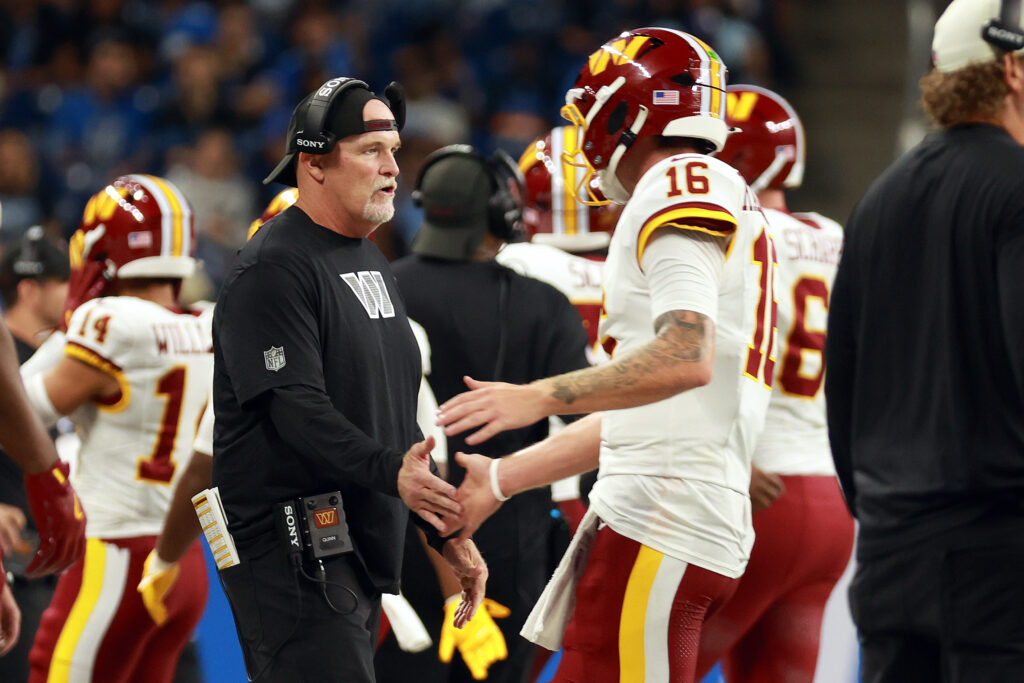
There’s a line when a coach pushes players. If he crosses it, he runs the risk of losing the locker room. Quinn could ask more of the Commanders because he had already built strong relationships throughout the roster and coaching staff alike.
“Knowing the people,” Quinn said. “Not everybody’s in the same space all the time. The more you know the player — or the coach — the more you can take them a little bit further. And so, I try to work hard to get to know the guys and know their whys and what they’re after and what they’re going for. It doesn’t mean that I see eye to eye with every player — it’s impossible to do with 90 players and 25 coaches — but it does mean I’m going to be consistent with them.”
That consistency breeds trust in the locker room. The players believed the changes Quinn made were with their development in mind.
“Even though DQ pushed us harder this year, he still knows how to put his players first, too,” Cosmi said. “He takes care of us and looks out for us and wants the best for us. We really respect that out of him. When he asks us to go, we go.”
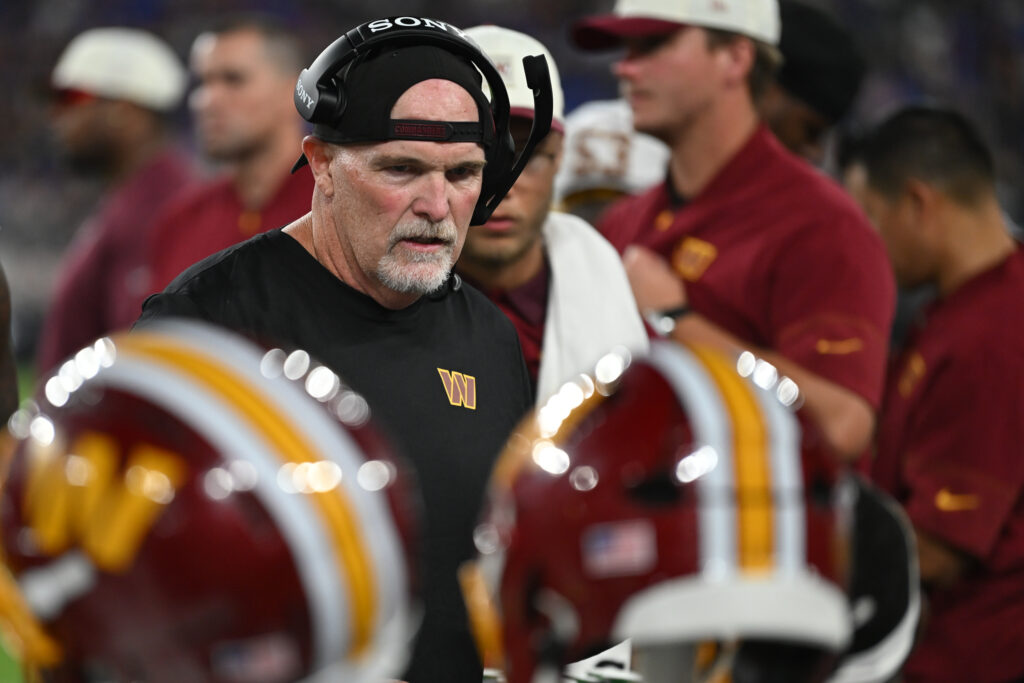
To many players, the past year’s negative results didn’t reduce their faith in Quinn. The buy-in remained, even as the losses piled up.
“A bad game don’t mean a bad season, and a bad season don’t mean a bad culture,” Reaves said. “You can’t let a bad year or a bad game dictate who and what you are and what you’re going to be about. Did this work for me now? No? Back to [the] drawing board. How do I make this work for all of us?”
Quinn is convinced Washington found the answer this offseason. The arduous practices have them physically ready. The attention to detail has them mentally sharp. Learning together brought them closer. The ultimate test, of course, is whether they can translate that to game days.
“An identity is built over time,” Quinn said. “For this season, this team’s identity, it hasn’t been lived yet.”
Read more House Democrats add three seats to ‘Red to Blue’ target list