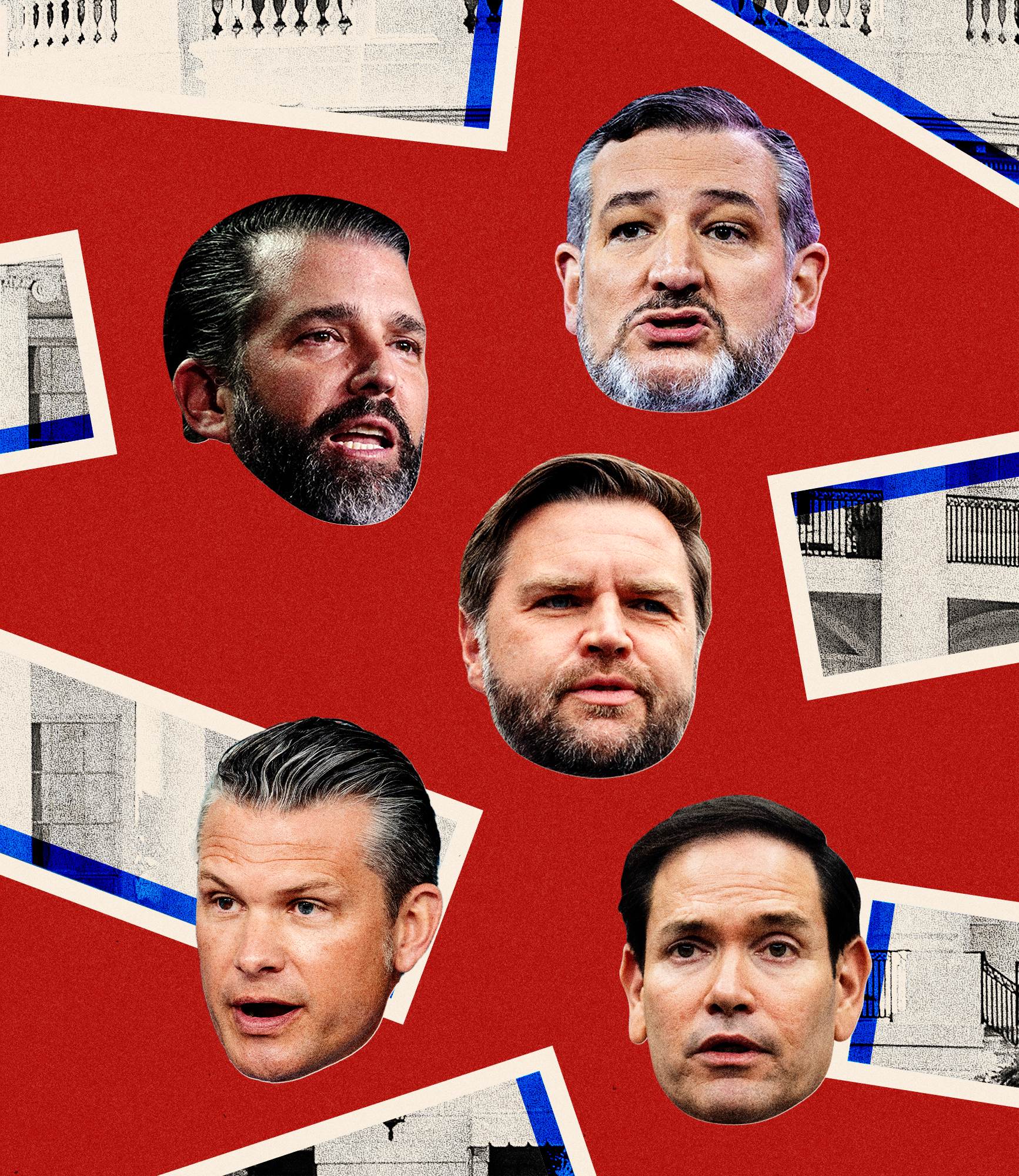
Vance and Rubio top the early list, but Republicans are already debating who can inherit Trump’s movement.
Read more Pope Leo plays tennis religiously as part of an Augustinian devotion to sports and spirituality
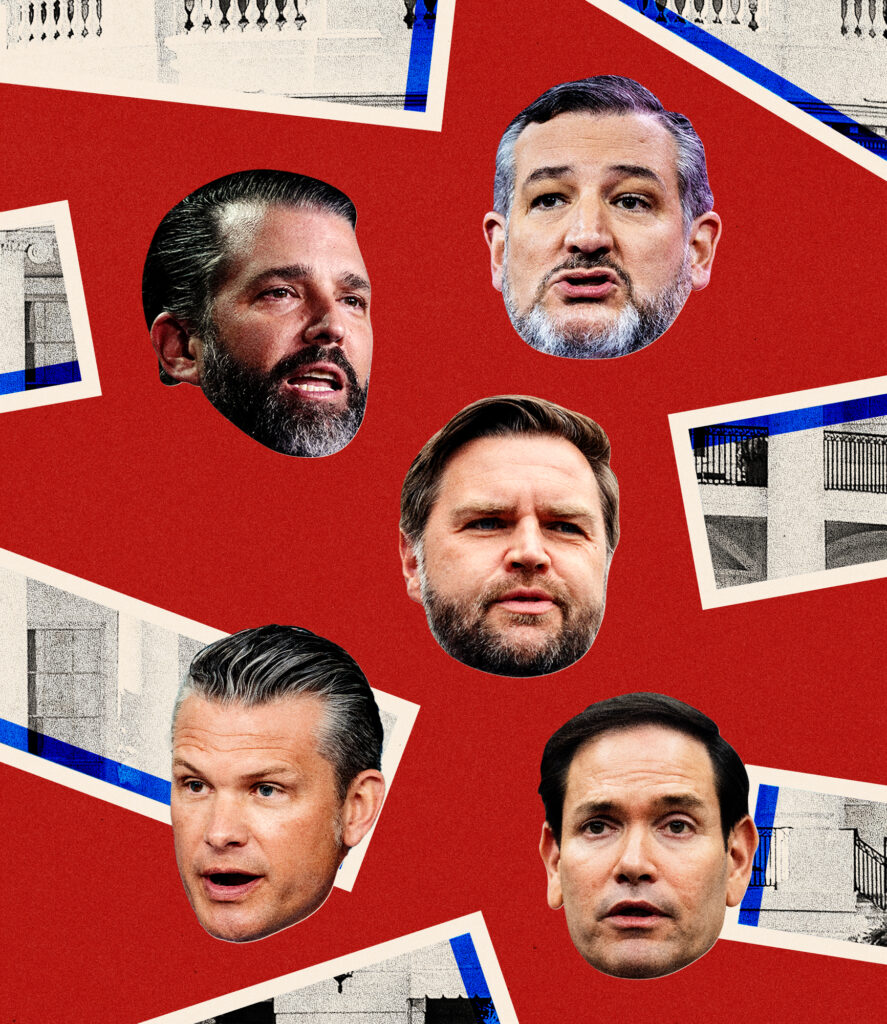
Who is going to lead the Republican Party after a decade of President Donald Trump? A succession fight is brewing over who inherits his movement — and whether any Republican can build a campaign by breaking away from it.
Trump’s approval has fallen nationally, but he remains dominant inside his party. An Washington Post-ABC News-Ipsos poll earlier this year found that 71 percent of Republican voters think Republican leaders should follow in Trump’s mold. But as some prominent figures on the right break with Trump on issues like Iran, party insiders expect someone to test whether Republican voters want an alternative to his brand of conservatism.
Here is how the early field is taking shape for the 2028 Republican primaries. (This is our third ranking. And you can read our ranking of Democratic 2028 prospects here.)
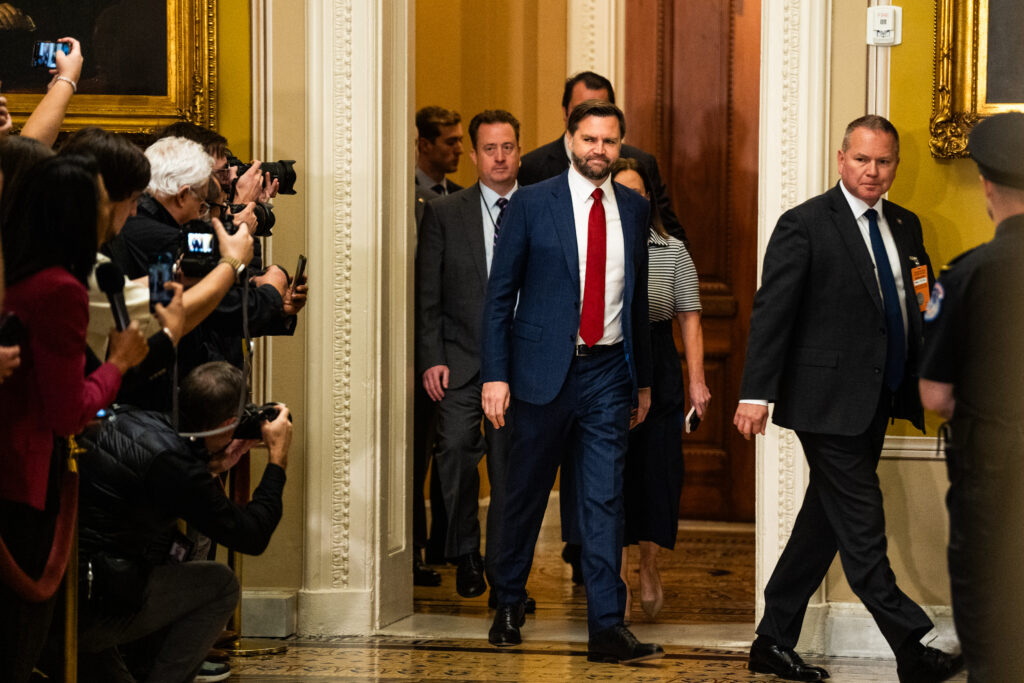
JD Vance: As the logical heir apparent, Vice President Vance has hewed close to Trump on nearly everything.
He has defended the administration’s policies, even when doing so requires him to reverse his positions, like supporting the war in Iran and answering for the president’s stock trading when Vance has called for a ban on such practices. Perhaps more important in a Republican primary, Vance has adopted Trump’s populist flair and combative style; cursing at his critics, responding to tough questions by attacking the media and brushing off a debate in his party about conspiracy theorists as a “purity test.” He seems ready to run, traveling to Iowa last month, although he’s said privately he won’t make a decision on running until the birth of his fourth child, in July.
But some party insiders are questioning how much Vance can keep together Trump’s coalition without Trump. Vance has begun making overtures to the rest of the nation. He struck a tone of unity earlier this month, declaring that “a fundamental principle of all the great faiths is we are all children of God, and because of that, we are endowed by certain rights that are unique to our status as human beings.”
His future in Republican politics could be a long one. At 41, he’s the youngest candidate on this list and one of the youngest vice presidents in history.
Marco Rubio: Trump’s secretary of state has said he’ll support Vance if Vance runs. But some Republicans aren’t convinced Rubio is sitting it out and lately, many see the makings of a presidential campaign.
Earlier this month Rubio had a viral moment on the right when asked his views on America: “We want it to continue to be the place where anyone from anywhere can achieve anything,” Rubio said from behind a White House podium. “Ours is a story of perpetual improvement. Each generation has left the next generation of Americans freer, more prosperous, safer, and that is our goal as well.” The uplifting answer echoed his 2015 presidential campaign.
While Rubio is leading the president’s foreign policy (everything from Iran to Gaza peace talks to Venezuela), his natural approach to politics is more of a traditional conservative than MAGA. Some Republican insiders think there’s a lane for that; others don’t see the party quitting Trump quite so easily.
Read more Southampton sticking by manager Eckert after Spygate controversy
Trump has mentioned both Rubio and Vance as successors.
“We have JD, obviously — the vice president is great,” Trump said last fall. “Marco’s great. I’m not sure if anybody would run against those two. I think if they formed a group, it would be unstoppable.”
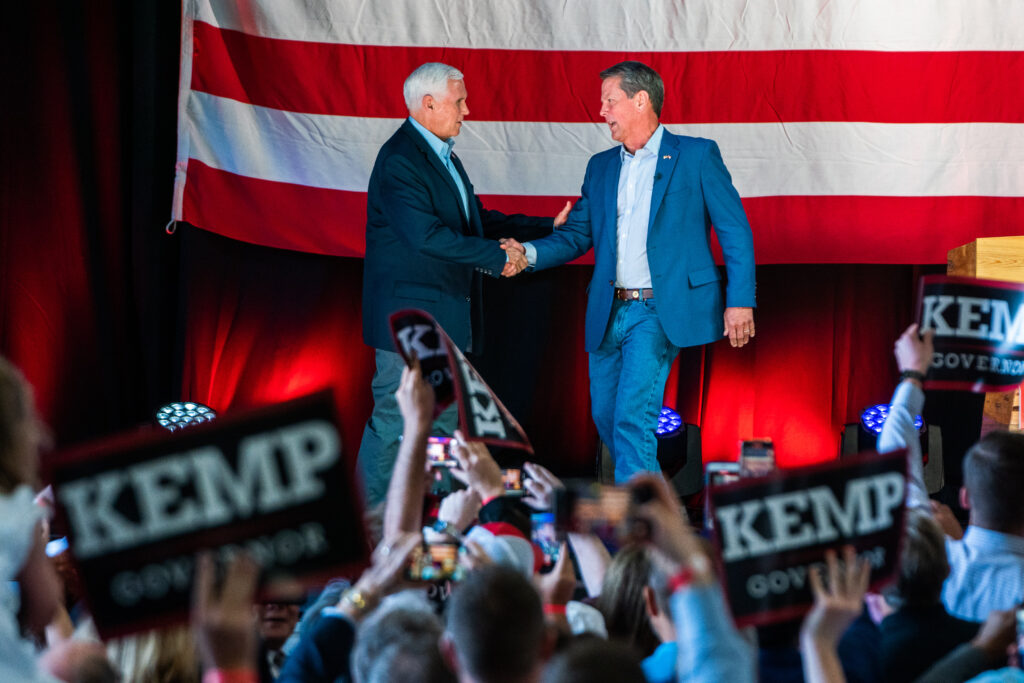
The anti-Trump candidate: In a Republican primary, Trump has always had at least one opponent framing themselves as the alternative to MAGA. With Trump off the ballot (he’s all but ruled out running for an unconstitutional third term), there are a lot of options for this lane. Republican insiders mention Georgia Gov. Brian Kemp, who took on Trump in 2020 over election fraud lies and is deeply conservative; Nikki Haley, a former Trump administration official who was widely seen as the last non-Trump candidate left standing in 2024; Sen. Rand Paul (R-Kentucky) who recently said he’ll consider running to counter economic populism; and outgoing Rep. Thomas Massie of Kentucky, whom Trump just helped to oust from Congress in a primary after his push to release the Epstein files.
Ted Cruz: The Texas senator appears to be positioning himself as an alternative to Vance specifically. While Vance says all views in the party should be welcome, Cruz is advocating for his party to ostracize MAGA pundit Tucker Carlson for interviewing a white nationalist who said Adolf Hitler is “cool.” “Every one of us has an obligation to stand up and say it is wrong,” Cruz said. Behind closed doors, he’s said Vance’s foreign policy views are dangerously isolationist.
He has also criticized the Trump administration occasionally, calling its pressure campaign to cancel late-night host Jimmy Kimmel’s show “dangerous as hell.”
Pete Hegseth: Trump’s defense secretary has had a rough first year: Pentagon leadership seems constantly in turmoil, his efforts to link the military and God have drawn criticism, and an independent watchdog said he put troops and a mission at risk by using Signal to discuss sensitive military plans. He’s a leading figure in Trump’s unpopular conflict with Iran and has struck a much-less hawkish tone toward China.
However, Hegseth remains a popular figure on the far right for his unapologetic evangelicalism mixed with attacks on liberals. “We don’t trust in woke,” he’s said. “We trust in God.”
Ron DeSantis: Florida’s fiery, socially conservative governor ran against Trump in the 2024 primaries and remains a fixture on Fox News and at conservative events. He can tout running a big state and winning re-election by a large margin, but his term as governor ends in 2027, so he would have to build momentum for a presidential run while out of public office. He’s currently pushing a proposal to significantly lower ]\ taxes, to the detriment of local government budgets.
Donald Trump Jr.: Trump’s eldest son has never held public office, but he is an adviser and confidant to his father. He seems to be making the case that he’s the rightful heir to the MAGA throne, saying last fall of his desire to run: “That calling is there.” He also just got married.
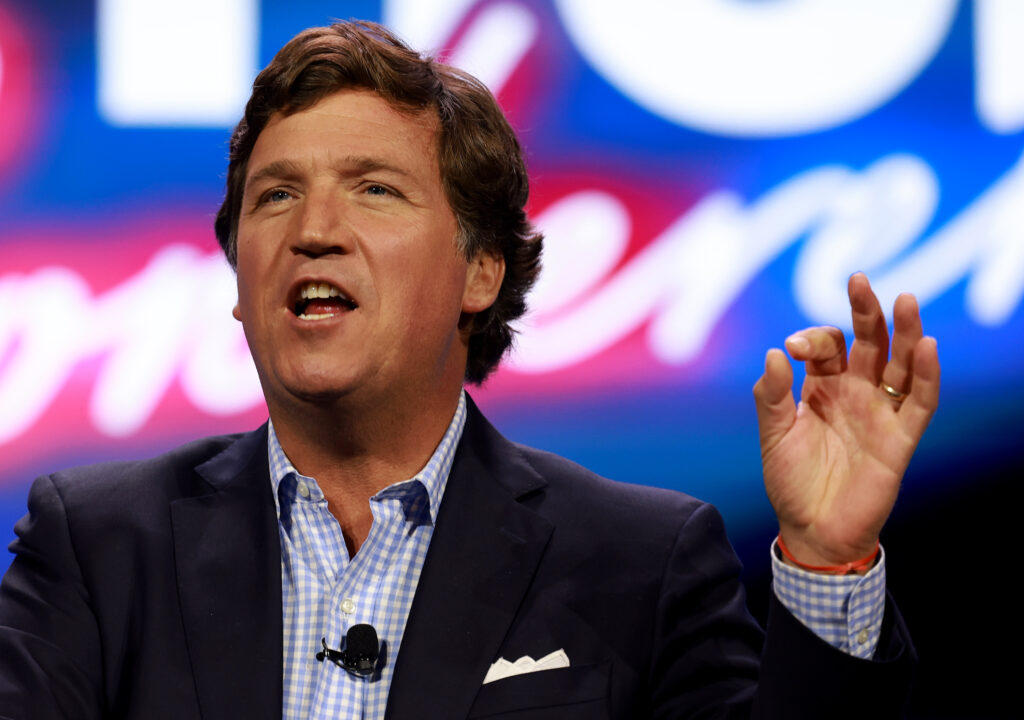
Tucker Carlson or another media celebrity: The former Fox News has done the unthinkable: effectively broken from Trump and kept a media following (so far). This spring Carlson said he was “sorry for misleading people” about Trump. The Iran war seemed to be the breaking point, though there were many fissures leading up to it. “I think the Iran war sets up Tucker, especially if the war goes badly, really well to run for president in ’28,” said journalist Jason Zengerle, who has written a recent biography of Carlson, in an interview with Poynter. “He can hang that war around JD Vance’s neck, around Marco Rubio’s neck … And he can say: ‘I was against this from the start. I’m the true heir for MAGA.’”
Read more Park Service officials raised alarms over Trump administration’s tennis center plan