The UFC event on the South Lawn reflects how sports-related gambling has evolved into a powerful mainstream force in American life.
Read more Trump endorses Mike Collins in Georgia Senate runoff
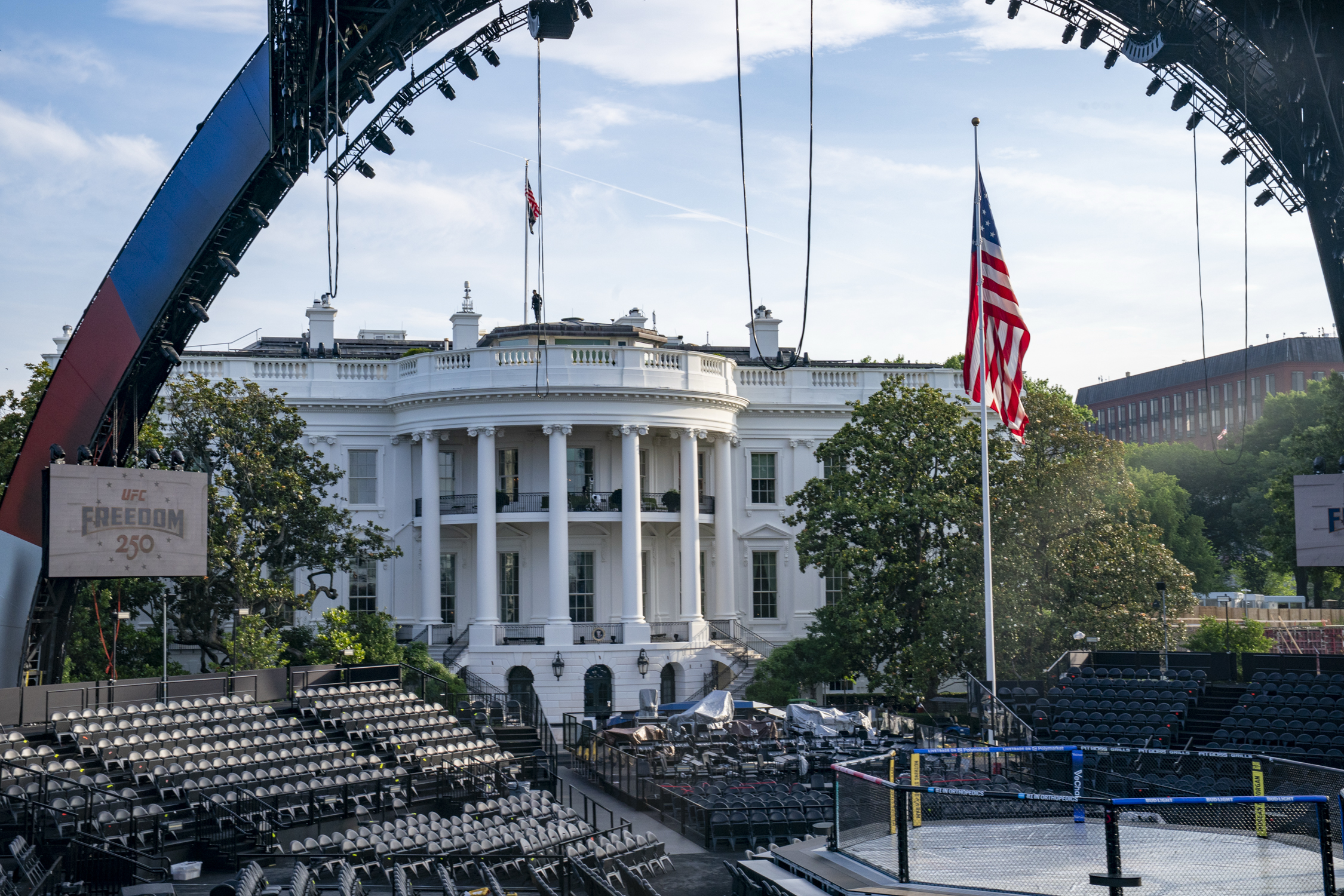
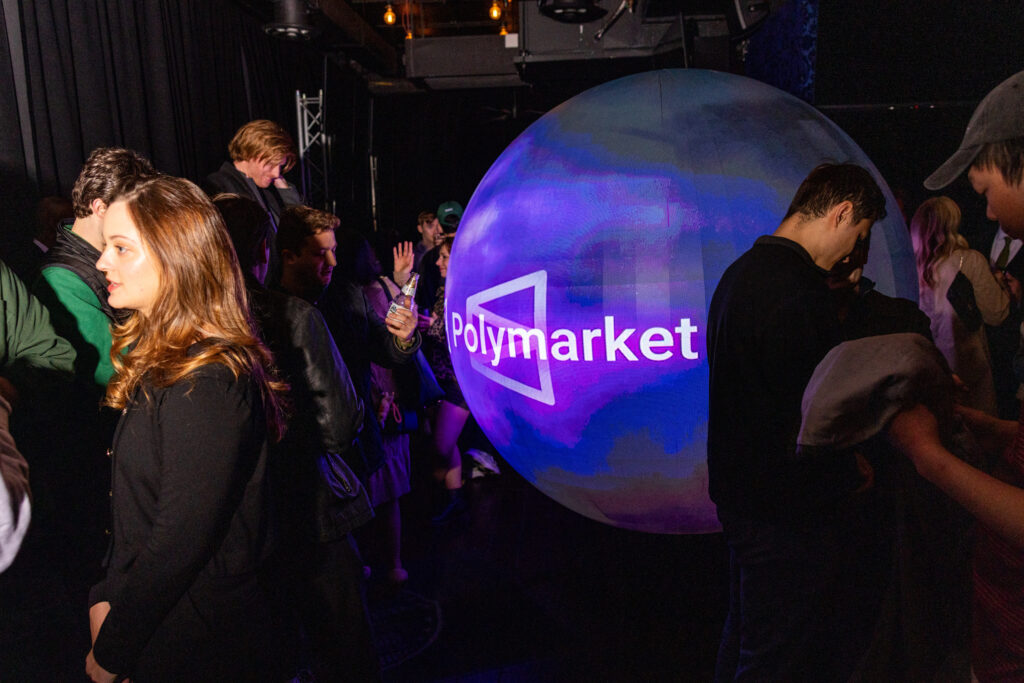
The walls of the eight-sided cage where fighters will pummel each other Sunday on the South Lawn of the White House are plastered with logos for Polymarket, the prediction market where traders already have staked millions on the fights.
Across sportsbooks, fans are placing bets on whether President Donald Trump will receive a birthday cake at the event, whether first lady Melania Trump will appear at his side or whether the now-80-year-old president will fall asleep during a bout.
Less than a decade ago, wagering on a sporting event was a crime in all but a handful of states. On Sunday, the mat of the octagon Trump ordered placed on White House grounds will advertise for Stake, a Caribbean-based online casino and sportsbook.
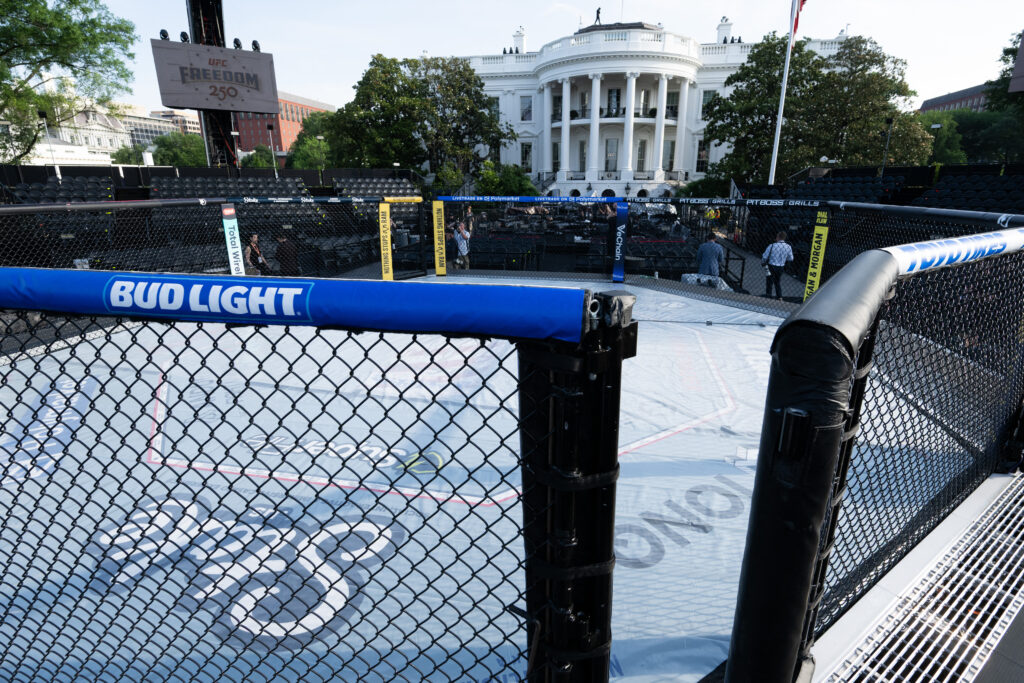
Welcome to UFC Freedom 250 — and to the latest improbable milestone in the transformation of betting from a shadowy, mostly illegal pastime into a mainstream force in American sports, culture and politics.
The event marks a triumph for an industry that has grown into a multibillion-dollar juggernaut in eight years — and is now expanding beyond sports through prediction markets such as Polymarket, which allow users to wager on everything from Ultimate Fighting Championship fights to election contests and more. But the industry’s embrace by the White House comes as lawmakers and regulators face the consequences of an explosion in legal gambling, including addiction and mounting consumer debt.
“Right now it’s certainly in its heyday,” said Bradley Tusk, a political strategist who helped FanDuel navigate gambling laws more than a decade ago and is now advising prediction markets.
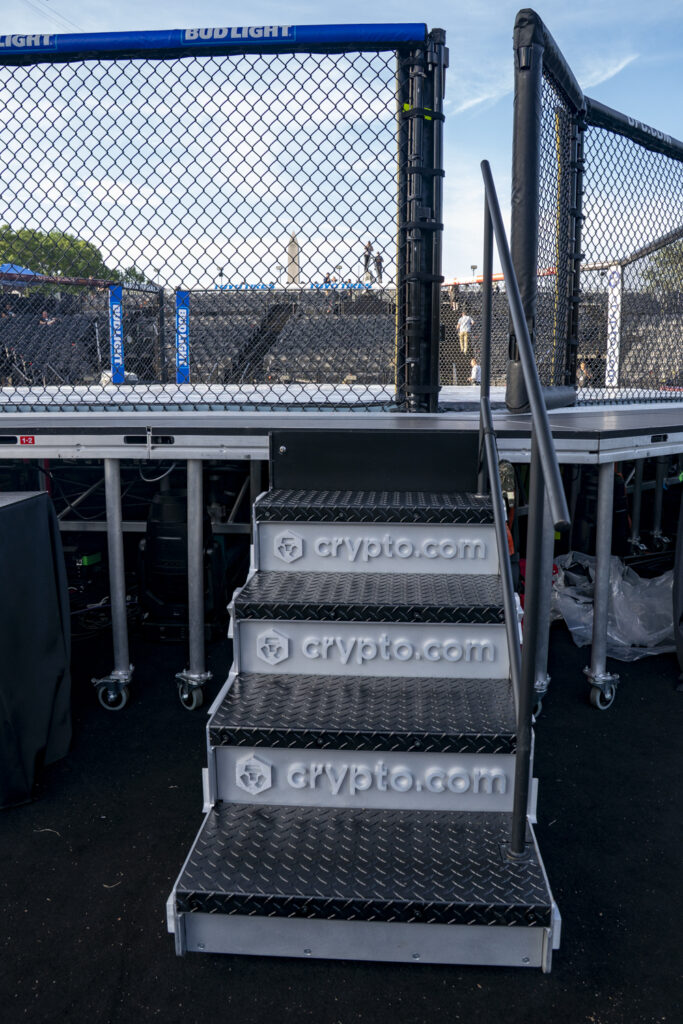
Trump, a former Atlantic City casino owner, has emerged as a natural ally for the sports betting and prediction market industries. He purchased $35,000 to $50,000 of stock in DraftKings earlier this year, according to his financial disclosure filings, and his social media company, Truth Social, also has said it is working with Crypto.com to launch its own prediction market, Truth Predict. Crypto.com’s logo appears on the steps to the UFC cage, and it is a primary sponsor of the Sunday fights.
In April, Trump said that he was “never much in favor” of prediction markets but later told reporters, “A lot of other countries are doing it, and when the other countries do it, we get left out in the cold if we don’t do it.”
“I know people that are in the prediction market business, and they’re pretty happy with it,” he added. Trump’s son Donald Trump Jr. has invested in Polymarket through his venture capital firm, and he has advised both Polymarket and Kalshi.
Trump “sort of embodies the casino capitalism of the late 20th and early 21st century,” said Jonathan D. Cohen, who leads gambling policy at the American Institute for Boys and Men. “It makes too much sense that his family would have personal investments in the prediction markets and support the rise of gambling on everything, and place a UFC fight on the White House lawn.”
The White House said in a statement that the Trump family’s investments do not pose a conflict of interest, promising that the UFC fights would be “one of the greatest and most historic sports events in history.”
“President Trump only acts in the best interests of the American public – which is why they overwhelmingly re-elected him to this office, despite years of lies and false accusations against him and his businesses,” White House spokesman Davis Ingle said. “President Trump’s assets are in a trust managed by his children.”
UFC and Stake did not respond to requests for comment. Polymarket said in a statement that it was “proud to sponsor” the White House fight.
The White House fights are not expected to generate an unusual volume of betting for UFC matches, said Chris Grove, partner emeritus at Eilers & Krejcik Gaming, a research firm focused on the global gambling industry. He anticipates that the total volume of wagers and trades will be measured in the tens of millions, rather than the hundreds of millions — far smaller than for major sports betting events such as the Super Bowl or FIFA World Cup.
Read more Patrick Beach takes over as Australia’s goalkeeper and stars in World Cup opener
But the event’s role as a billboard for the betting industry has attracted criticism.
“It’s an abomination that we have these sports betting markets sponsoring something that’s happening on the lawn of the chief executive officer of the United States,” said Joel Griffith, a senior fellow at Advancing American Freedom, a conservative think tank founded by former vice president Mike Pence. “It shows that there’s a lot of money to be made in this business. Unfortunately, [sports betting] is harming Americans.”
Griffith also said he’s “deeply troubled” by the potential conflicts of interest posed by the president’s investments in betting markets and in UFC while hosting an event that advertises both businesses.
Congress advanced bipartisan legislation in 1992 that outlawed sports betting in every state except Nevada, highlighting how politically unpopular it once was to support the practice. Oregon, Delaware and Montana had limited carve-outs.
But since the Supreme Court struck down that law in 2018, 39 states have legalized sports betting, and bettors have wagered more than $650 billion, according to estimates from Legal Sports Report. The decision enabled the rise of companies such as FanDuel and DraftKings, which allowed people to bet on games directly from their cellphones.
Internet searches for help with gambling addiction, such as “am I addicted to gambling,” have cumulatively increased 23 percent nationally since the 2018 Supreme Court decision, according to 2025 research from the University of California at San Diego Qualcomm Institute and School of Medicine.
The rise of prediction markets such as Kalshi and Polymarket also has provided a new avenue for people to bet. Combined monthly global trading volume on the platforms has risen from less than $5 billion in September 2025 to about $24 billion in April 2026, according to Pew Research Center analysis of data from the Block, a digital assets media and information firm.
The administration proposed new regulations for prediction markets Wednesday that are aimed at allowing most wagering, while restricting bets that are particularly vulnerable to manipulation and those that aren’t in the public interest, such as bets related to terrorism, assassination or war.
Multiple lawmakers have proposed bills that would regulate prediction markets. One from Sens. Adam Schiff (D-California) and John Curtis (R-Utah) would bar prediction markets from offering sports betting, which they argue circumvent state gaming laws and legalize sports betting nationwide.
The administration’s proposed rule is “a backdoor for legalized sports gambling,” Schiff said in a statement, adding, “the sight of profiteering and gambling on the White House lawn in celebration of [Trump’s] birthday is problematic enough, we must ensure it is not compounded by insider trading and other conflicts of interest.”
Other proposals would regulate the markets and ban elected officials from trading on them, or ban betting on sensitive events such as war, terrorism and elections as well as sports.
Lawmakers in Congress also are trying to rein in their own access to prediction markets, raising concerns about conflicts of interest and insider trading. The Senate passed a resolution in April prohibiting senators and staff from using prediction markets, and Rep. Bryan Steil (R-Wisconsin) is working on legislation to ban current and former members and candidates from betting on political events.
But such legislation faces an uncertain future as long as Trump is in the White House and holds veto power.
“There’s lots of concern from both sides of the aisle about prediction markets, but there’s also this gnawing sense that the White House will block any attempt to rein them in,” said Cohen, who also wrote “Losing Big: America’s Reckless Bet on Sports Gambling.” “It’s going to get bigger before it gets smaller.”
Read more New Yorkers flood the city as Knicks win improbable NBA title