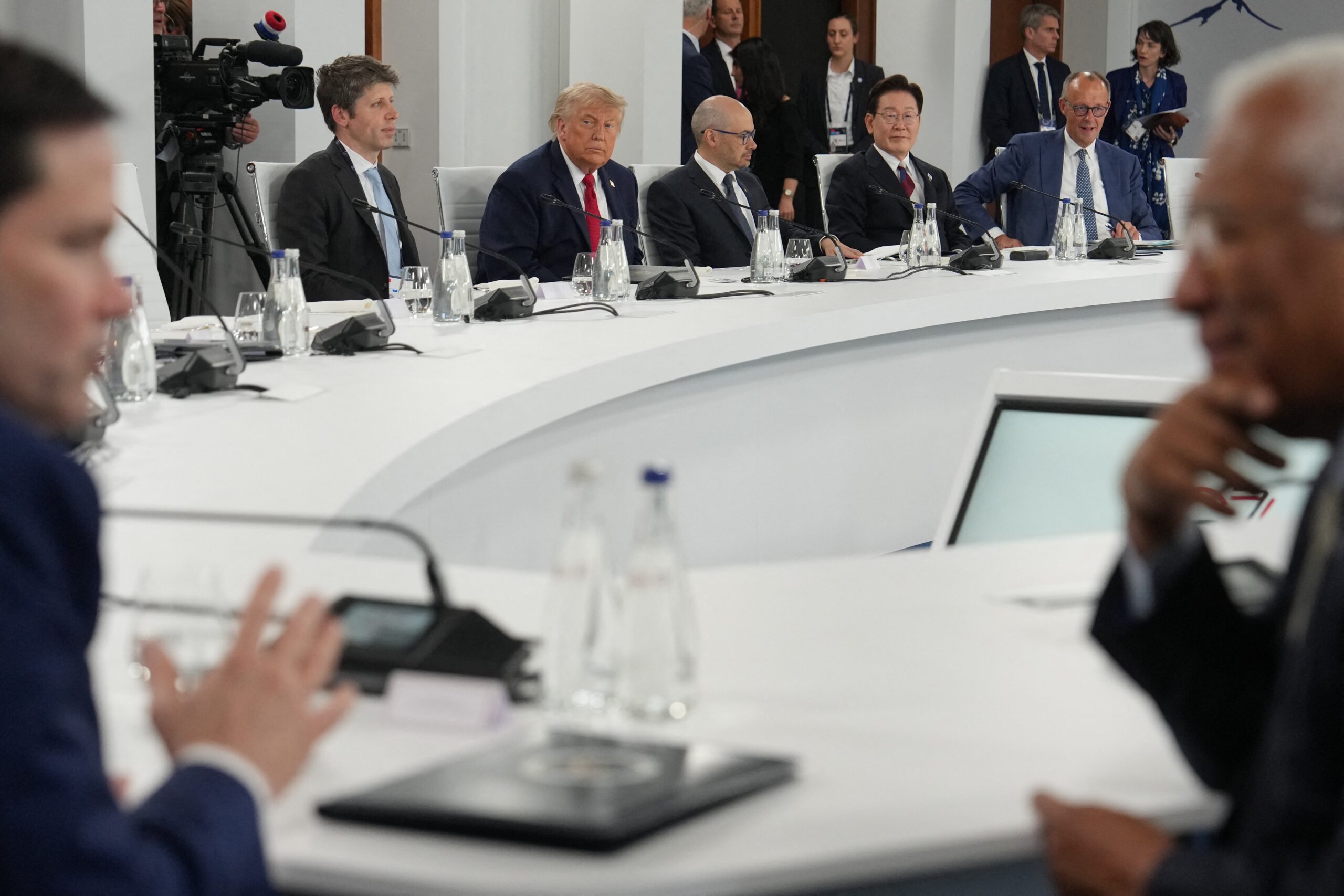
For the other leaders of the Group of Seven nations, success was defined as avoiding a public fight with the U.S. president.
Read more Ali Ahmed and Canada prepare for Vancouver homecoming at the World Cup in a wide-open Group B
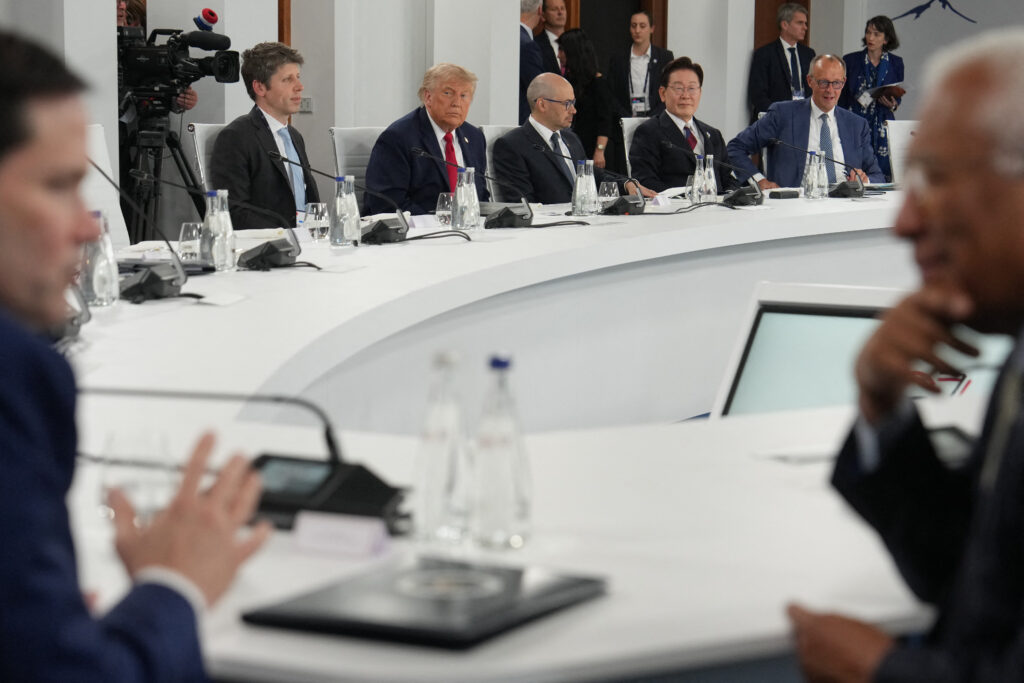
ÉVIAN-LES-BAINS, France — President Donald Trump had a simple explanation for the warm reception he received from Group of Seven leaders gathered in this Alpine resort town for a summit that, unlike several of its predecessors, ended without a dramatic schism, public feuds or his early departure.
“I think they think I was right. I’m sort of always right, you know, when you get down to it,” he said. “They think I was right. They feel good. Now all of a sudden they all want to be involved.”
The reality has been more complicated this week for leaders gathered in France. The members of the G-7 not named Trump have spent the past year absorbing the fallout from the U.S. president’s tariffs, adjusting to the uncertainties of his foreign policy and managing the economic consequences of a conflict with Iran. Yet by the summit’s end, many found themselves praising the same president for helping steer events away from a wider crisis.
It is one of the week’s central ironies: The same allies that have worked to build economic, diplomatic and military hedges against Trump’s unpredictability found themselves applauding his role in restoring a measure of stability. For G-7 leaders, success was not necessarily defined by new initiatives or grand compromises — it was defined by the absence of rupture.
“It’s like hosting Thanksgiving dinner with some awkward relatives and a few awkward moments,” said Max Bergmann, director of the Europe, Russia and Eurasia program at the Center for Strategic and International Studies. “There’s a different definition of success. Getting the president and getting the United States to just be, in some ways, normal and having this come across as a relatively routine summit — that’s the win.”
Trump spent most of the week, and especially his closing news conference, touting his own success in bringing the Iran war to an end after more than 100 days. He said the declining cost of oil would affect inflationary pressures that have dogged a large portion of his presidency.
“Oil prices are plummeting, and that means all prices are going to come down,” he said. “Oil is the biggest thing.” Later, he added that “now that the oil is coming down, you’re going to see everything follow. Everything follows the cost of energy, and we’re going to end up having the lowest energy anywhere in the world.”
Trump spent a good portion of the week soaking up praise from other leaders. Among the glowing words, a leaders’ statement on geopolitics mentioned Trump three times, hailing the “historic” agreement between the United States and Iran as having been secured under his “strong leadership.” French President Emmanuel Macron, this year’s G-7 host, praised “the excellent agreement concluded between the United States and Iran, obtained by President Trump.”
One hot-mic exchange captured the summit’s underlying tension. As leaders gathered between sessions, European Council President António Costa turned to Trump and remarked, “We are friends again.” Italian Prime Minister Giorgia Meloni quickly interjected: “We have always been friends.” The exchange drew laughs, but it also hinted at the diplomatic balancing act that defined much of the week.
Trump has never hidden his skepticism of — or even his disdain for — international summits. In 2018, he departed early from the G-7 summit in Quebec after a bitter clash with allies; he left the G-7 summit in Canada a day ahead of schedule last year, citing rising tensions in the Middle East.
This time, Macron gave him a gilded reason to stay.
The French president sweetened the summit with the promise of a private dinner at Versailles before Trump returned to the United States, an irresistible blend of history, grandeur and personal attention at a palace Trump has long revered.
Read more Olympic medalist Jenny Simpson collapses after medical episode while pacing mile group at event
“I look forward to a very special dinner with President Macron and his fabulous wife at the Palace of Versailles,” Trump said. “That palace has a lot of gold. I want to check it out. It’s a beautiful palace, maybe the most beautiful of all.”
Macron’s diplomatic overture appeared to work.
Trump remained through the summit’s closing curtain, smiled in the group photo, signed on to joint statements and, at least for the time being, projected the image of Western unity that European leaders had spent months trying to cultivate.
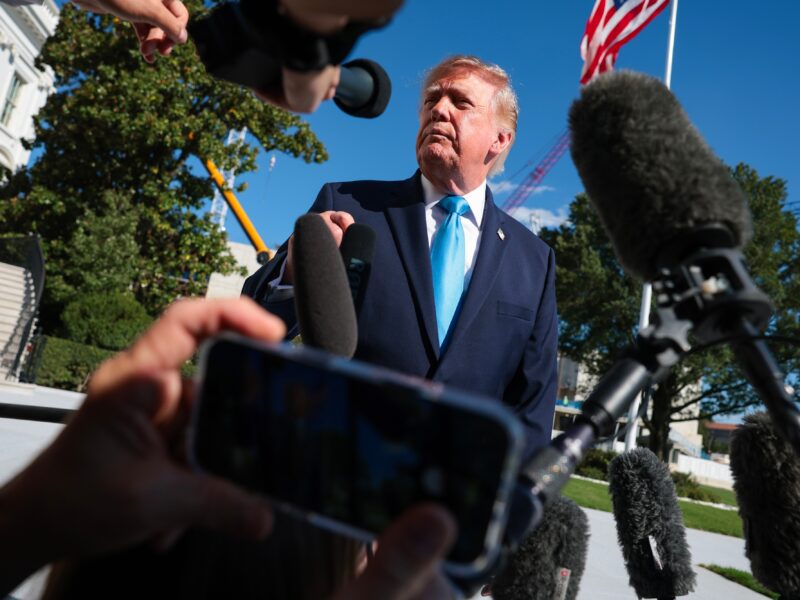
Speaking to reporters Wednesday afternoon, Trump declared the G-7 summit a success, in no small part because of the deal he had struck with Iran, bolstering economies across the globe.
Under the memorandum of understanding between the U.S. and Iran, Tehran would immediately take steps to reopen the Strait of Hormuz and would face no restrictions on its oil exports, according to leaked copies of the interim agreement.
Iran “will never have a nuclear weapon. So that’s very, very strong. It’s a very strong deal,” Trump said Wednesday.
“Most people seem to be very happy. Who’s really happy is the market, because the market’s gone up thousands of points over the last four or five days since hearing about it, and the strait is going to be opening. It’s already partially opened, it’s going to be opening up soon in full over the next day or two, and the market has gone wild, and oil has come tumbling down.”
Vice President JD Vance is scheduled to travel to the region Friday to sign the memorandum of understanding. Yet even as the agreement took shape, Trump continued to pair diplomacy with threats, warning that military action could resume if Iran fails to comply.
“If I don’t like it, if they don’t behave, we’ll go right back to dropping bombs right smack in the middle of their heads,” he said.
The comments served as a reminder that the uncertainty hanging over the summit has hardly disappeared. But for many leaders gathered in Évian, avoiding a new crisis was enough, observers said.
Bergmann said the summit’s significance may lie less in what it accomplished than in what it avoided. The gathering concluded without a rupture among allies, a wider war in the Middle East or a dramatic Trump departure — outcomes that might have been far from assured just weeks earlier.
“The purpose of these summits was not so leaders could get together and have a nice time in Versailles,” Bergmann said. “It’s about: ‘How do we manage the global economy?’ There wasn’t some major new initiative coming out of this summit. But maintaining these relationships and these institutions matters. The whole purpose is to do it so you can do future summits with another president that will be substantive.”
Read more India thumps the Dutch and Australia routs Bangladesh at Women’s T20 World Cup