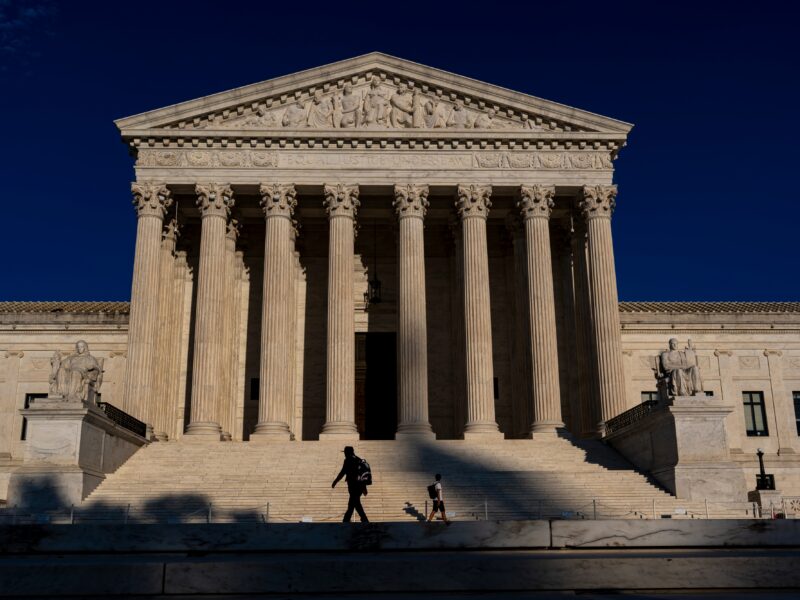
The Supreme Court has been deferential to the president’s attempts to limit immigration, experts say.
Read more Athletics place Zack Gelof on injured list with hand contusion
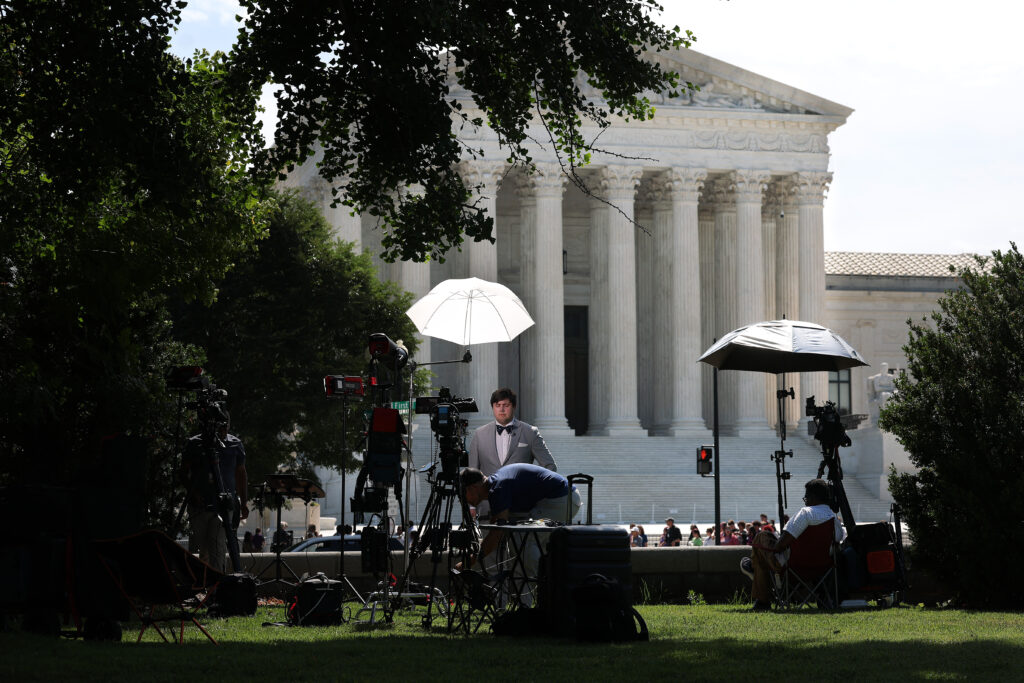
President Donald Trump has struggled at times in court to implement his mass deportations. The Supreme Court has issued several orders stressing that migrants must be given a chance to contest their deportations. And the justices may soon strike down Trump’s attempts to end citizenship for babies born in the United States to immigrants.
But on Thursday, the conservative-leaning Supreme Court gave Trump two big wins on immigration that could affect more than a million immigrants, many of whom have been in the country for decades, as well as untold more asylum seekers trying to come to America. The decisions suggest a court willing to give presidents a lot of power over immigration, experts say.
“The Supreme Court wants to be as deferential to the president on immigration matters as possible,” said David Bier, director of immigration studies at the libertarian-leaning Cato Institute.
Here’s what’s going on.
One case centered on whether Trump could cancel temporary humanitarian protections to migrants from countries deemed dangerous, in this case Haiti and Syria.
The Trump administration argued that the protections in the temporary protected status (TPS) program are meant to be temporary, and even though Congress set up the law to give safe haven to migrants fleeing danger, the president can remove it by determining that certain migrants no longer need protections.
The migrants suing argued that it would be an “an unprecedented power grab” to let presidents make these decisions. Haitians in particular argued that Trump’s decision to remove their status was motivated by race rather than facts on the ground. Kidnappings in Haiti are on the rise, and as he was campaigning for president, Trump falsely said Haitians in Ohio were eating cats and dogs.
Ultimately, the conservative justices on the court said they didn’t have enough authority to weigh in. The decision means that more than a million migrants living in the country with this status could lose it and face deportation.
The Supreme Court also ruled that Trump can turn back migrants at the border who are trying to enter the United States to apply for asylum.
Read more NFL releases dates and details for the 2027 NFL draft to be held on National Mall in Washington
Federal law says that people may seek asylum when they “arrive in” the United States if they fear persecution. The Trump administration took that reading literally and stopped migrants from entering the country at all. (The Obama and Biden administrations also stopped asylum seekers, but not to the degree Trump has.)
A group of migrants sued, saying they had a right to apply for asylum even if they were blocked by border agents from physically reaching U.S. soil. The conservatives on the court agreed with the Trump administration’s literal reading of the law, while the liberals dissented, saying it ignores the history and context of the country’s asylum laws, which were set up in the wake of the United States turning away some Jewish migrants escaping the Holocaust.
“The majority had strong arguments in terms of the plain meaning of the law,” said Amanda Frost, an immigration law expert at the University of Virginia School of Law. “but the dissent said, ‘Well, yeah, but look at history; look at all the context of why we grant asylum.’ And those are strong arguments, too.”
While immigration laws are the domain of Congress, lawmakers have struggled for decades to modernize them. The Supreme Court seems content to leave temporary-status decisions and really most immigration policies entirely to Congress and the president, Frost said. The court was also deferential to President Joe Biden’s policies restricting immigration during the pandemic.
“We see Congress is utterly stymied when it comes to immigration,” she said, “so really it means this comes down the president and whatever their policies are.”
Bier said it’s only when a president seems to egregiously overstep constitutional protections related to immigration (such as Trump deporting migrants without giving them due process or trying to end birthright citizenship with an executive order) that the court seems willing to step in.
“I think on issues of basic constitutional law, they draw the line,” he said, “but on implementation and enforcement of immigration law, generally they will be permissive.”
Amber Phillips writes The 5-Minute Fix newsletter, a quick analysis of the day’s biggest political news. Send her an email here, or ask a question that could be featured in an upcoming newsletter.
Read more Trump’s latest declaration of an emergency leaves GOP allies scrambling again