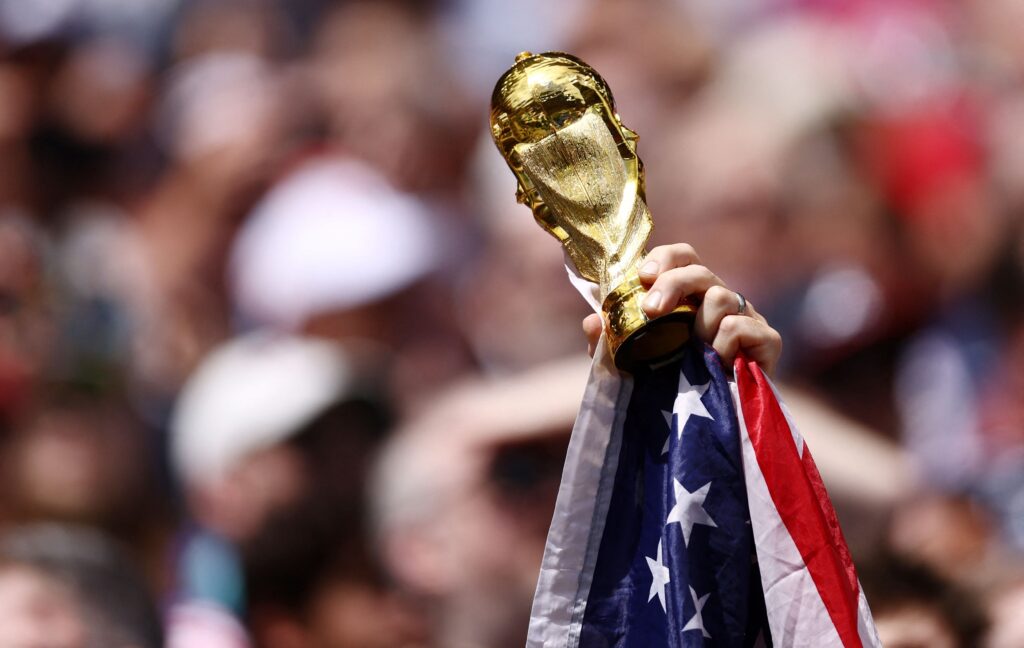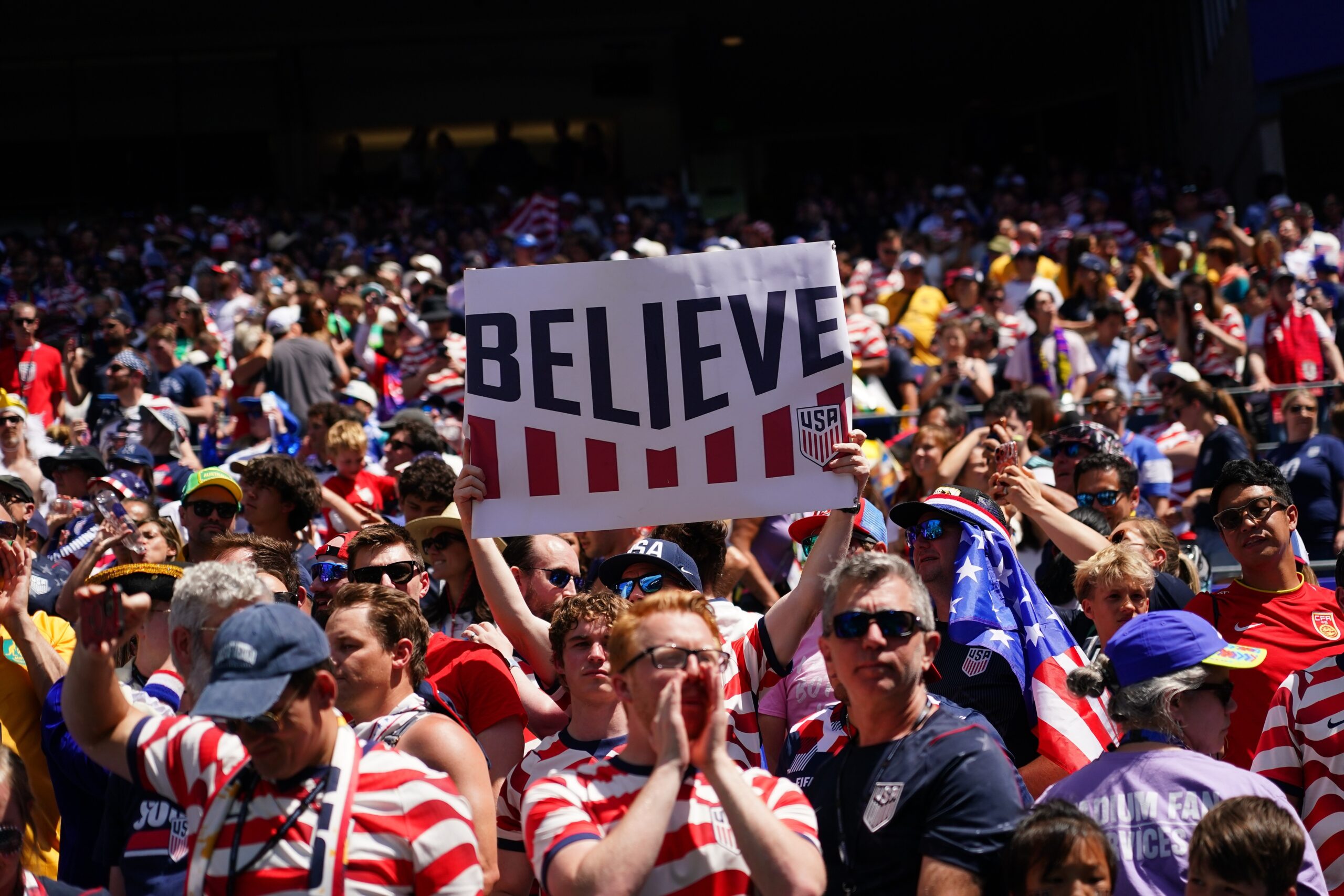
IRVINE, Calif. — Like a spark jumping from one piece of kindling to the next, belief rarely stays confined to where it begins.
Read more Congo, Algeria become 8th and 9th African teams to make the World Cup round of 32
For the U.S. men’s national team, it seems to have started with a fiery Argentine coach unconcerned with this country’s middling soccer history, unbothered by its lack of star power.
“Why not us?” Mauricio Pochettino asked when the U.S. roster was revealed last month. “I think it’s important to believe.”
From there, it radiated outward, engulfing a roster of players from different backgrounds, different leagues and different stages of their careers. And because belief can be infectious, it has only accelerated from there.
Now, as the Americans prepare for their first knockout round game of this World Cup, on Wednesday against Bosnia in Santa Clara, fans are asking themselves the same question: After years of false starts and near misses, after promising teams that couldn’t quite break through, after the stunning failure to even qualify in 2018 and the encouraging-but-incomplete run four years later, is it finally safe to believe?
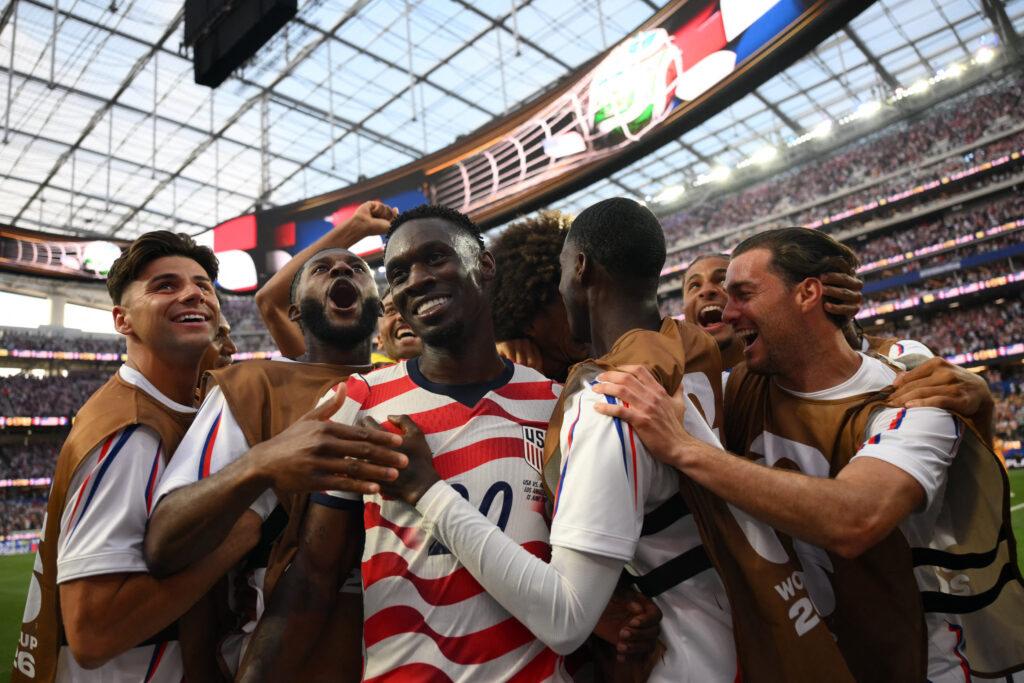
“Whether I’d call it magic, I’m not sure. But there’s definitely a belief we have,” said Folarin Balogun, the striker who scored two goals in the Americans’ opening match.
The U.S. team has earned that belief through three group play matches that not only secured points but also expanded the imagination. Advancing to the knockout round always seemed reasonable for this squad, especially on home soil and with a roster filled with players from high-level clubs. But the way the Americans have played has changed the conversation.
They cruised through matches against Paraguay and Australia, winning their group with a match to spare. They lost a meaningless game on Thursday against Turkey on a last-minute goal, but players say it had no effect on the momentum they carry into the Bosnia showdown.
They have played with a purpose and panache, but the more compelling evidence has come in how the Americans have looked. They have been patient. They have moved the ball crisply. They controlled possession for 63 percent of each of their first two matches and more than half of their third. They have shown depth, balance and a surprising number of ways to trouble opponents. Balogun has looked like a striker with a hunter’s instincts. Christian Pulisic, still the straw that stirs the drink, returned from injury in Thursday’s loss and still looks sharp. Tim Ream, the 38-year-old captain, has supplied calm and valuable experience. Alex Freeman, 21 years old and unbothered by the moment, scored against Australia.
There has been luck, too, because every team that makes a World Cup run needs some. The Americans benefited from own goals in each of their first two matches, the sort of fortunate bounce that can make a tournament feel as if it is beginning to tilt in your direction. But teams also tend to make their own luck near goal. They create chaos. They force defenders into uncomfortable choices.
Longtime supporters are allowing themselves to imagine a deeper run than they would have dared a month ago. Casual fans who couldn’t pick Pulisic out of a lineup are using lunch breaks to play 4D Tetris with knockout-round pathways, trying to determine how far this thing could possibly go.
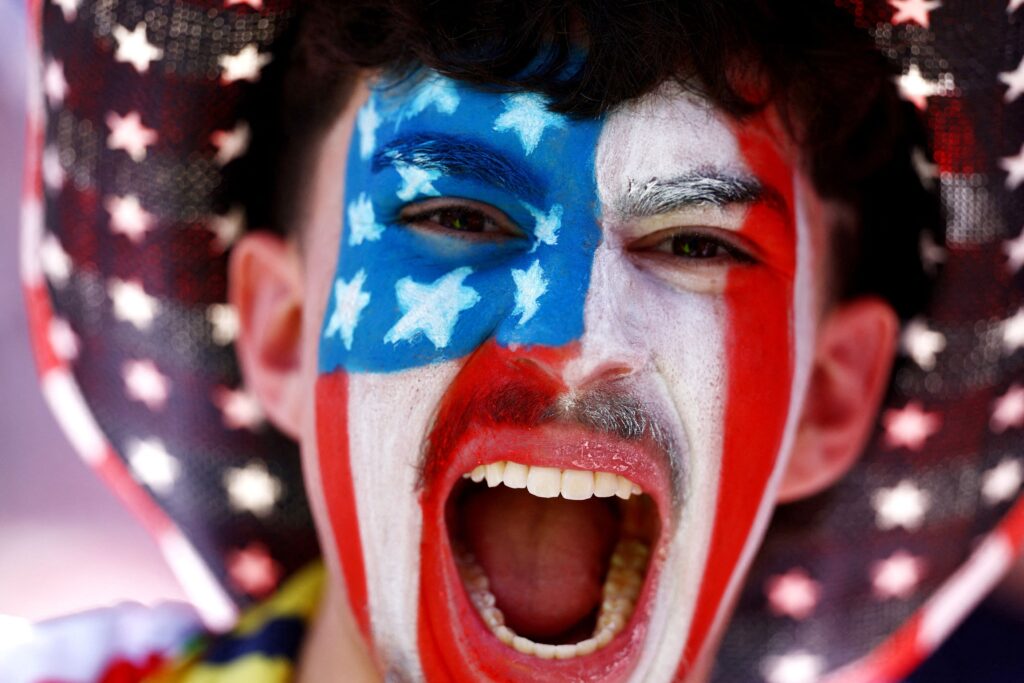
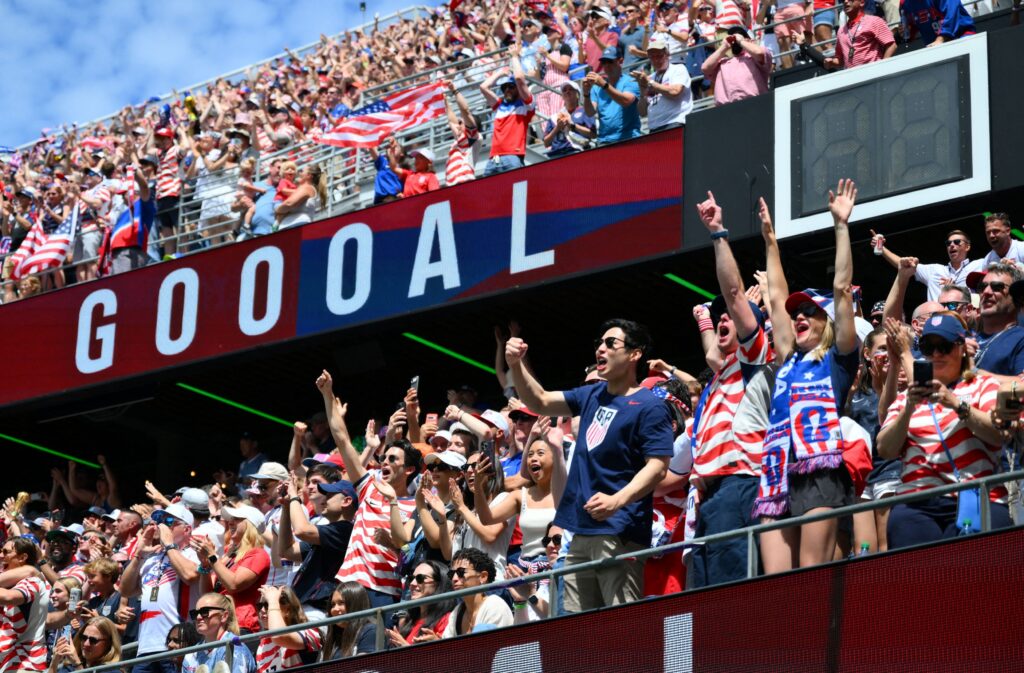
“What’s the point of playing if you can’t dream of winning it,” said Korey Donahoo, co-founder of the American Outlaws supporters’ group. “If you asked me before the tournament started, I knew we weren’t winning the World Cup. But halfway through the Australia game, I was thinking, ‘Crazier things have happened.’ I looked around and everyone had the same look I did. A lot of skeptics have been won over.”
Julie Foudy, the U.S. Soccer Hall of Famer and analyst, knows what it feels like when a World Cup run on home soil gathers force. She was part of the U.S. women’s team that won the 1999 World Cup, a tournament that started as a sporting event and ended as a national celebration.
“Similar to ‘99, you feel it. You feel it building,” she said. “You wonder how the country is going to respond. And then when they do, it’s just this amazing joy because everyone’s locked in on what you’re doing.”
Unlike the U.S. women, the American men have never been a world power expected to challenge the sport’s giants. That’s what makes this sudden rush of possibility feel so unfamiliar.
History, of course, has no bearing on what happens next. A few flashes of brilliance can loosen the grip of heartbreak, disappointment and frustration.
“Fandom is itself an act of faith,” said Paul Putz, the director of Baylor University’s Faith & Sports Institute, and it asks something challenging: “to decide that you as an observer are going to give yourself to the team, to the game. You’re going to allow yourself to be caught up in that moment.”
Read more Iran narrowly knocked out of tumultuous World Cup on Austria’s last-second goal
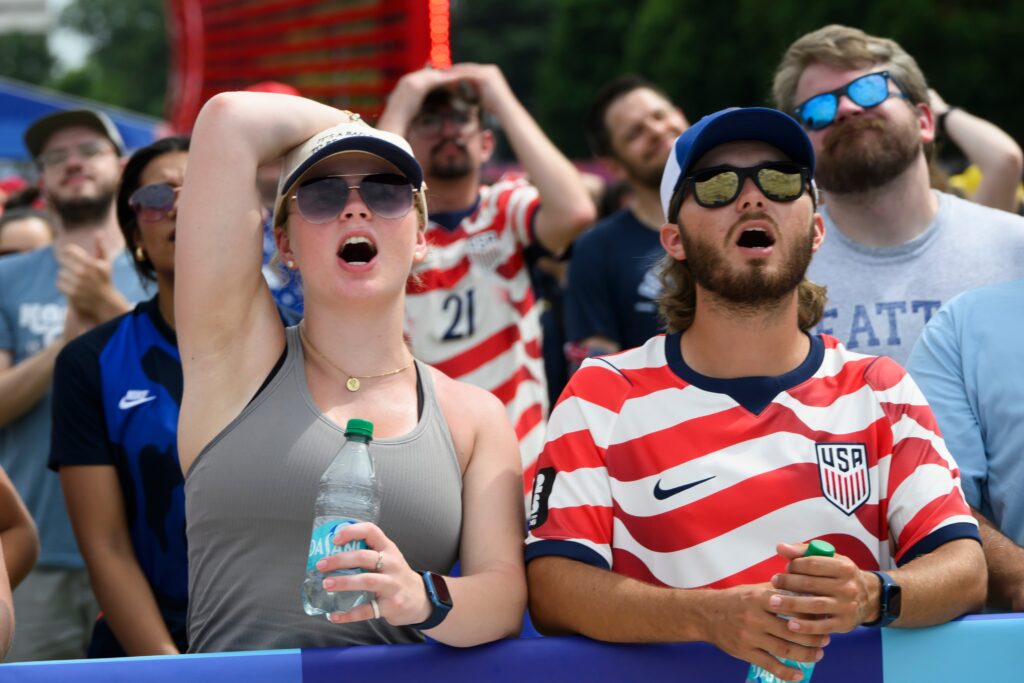
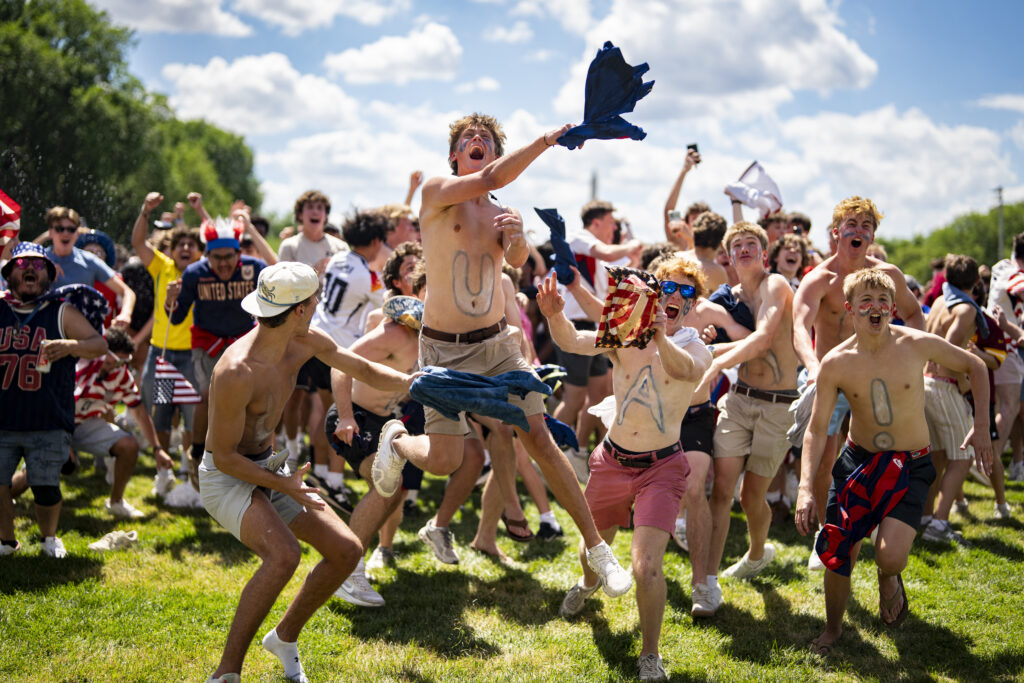
New York Knicks fans proved that this month, after more than a half-century of teasing finally gave way to an NBA championship. The long wait did not cheapen the belief. It deepened the joy.
That’s the bargain. Fans choose hope even though most tournaments end with somebody else holding the trophy.
For most of the national team’s modern history, reaching the knockout round has been treated less like a checkpoint than an achievement. The United States has never arrived at a World Cup with the burden of expectation; its best finish remains a third-place showing in the inaugural World Cup in 1930, a 13-team tournament from another era. After that, the sport struggled for decades to find a foothold here, and the United States failed to qualify for nine straight World Cups from 1954 through 1986.
The modern era brought progress but rarely dominance. The United States hosted the World Cup in 1994 and discovered that maybe it belonged. It reached the quarterfinals in 2002, still the program’s high-water mark in the contemporary era. There were famous goals, brave performances and enough encouraging moments for supporters to convince themselves that the breakthrough was always just one cycle away.
Mark Spacone, who co-founded Sam’s Army, an early fan group, remembers watching the United States beat Colombia in 1994. He drove around Buffalo, waving an American flag and honking the horn as if trying to alert the rest of the city that something important had happened.
“Since ’94, every American fan understands that we have decent players that play this game,” said Spacone, “and it’s just a matter of putting it all together.”
That has always been the strange burden of American soccer fandom. The national team became good enough to make the tournament, and to make fans imagine what might happen if everything clicked. But it was never good enough to make a deep run feel realistic.

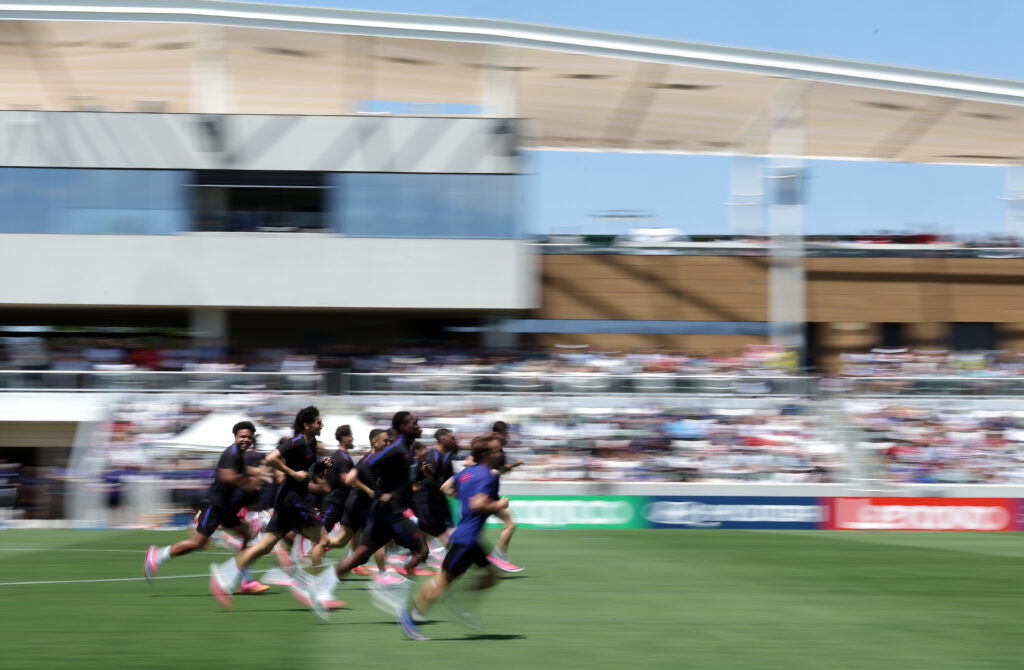
That is the emotional inheritance this year’s squad carries: not disbelief but belief wrapped in bubble wrap.
That is what players seem to be describing as they’ve navigated the early stages of this tournament, a quiet belief the players have had through friendly matches and strenuous training sessions.
“We’ve had this belief. It’s been something that’s been growing ever since Mauricio took over, and we’re just trying to keep it going,” said U.S. player Sebastian Berhalter, who had a goal and an assist against Turkey.
But there is a difference between saying all the right things and playing as if everyone has agreed to the terms. The United States does not have one of the best 50 players in the tournament, nor one of its 10 best rosters.

Through friendlies, camps and tournaments, Pochettino has preached that the United States cannot tie its fortunes to a single player, because no single player is good enough to carry this team where it wants to go. If the Americans are to go anywhere, it will be because the collective becomes their star — and because Pochettino convinced them that belief is more than a slogan printed on a T-shirt.
This feel-good team is playing light as a result, seemingly unaware of the load on its shoulders or the expectations it carries: a summertime rallying point for a divided nation.
“We shouldn’t overstate what sports can do,” Putz said, “but we also shouldn’t understate that it does accomplish something meaningful and uniquely powerful in a moment in time when we’re so disconnected.”
A U.S. run deep into the tournament surely would be a communal experience, something that could cut through cynicism and reluctance and remind people what it feels like to believe together.
That might be where the beauty of the game can be found — not in the promise that something remarkable will happen, but in the invitation to imagine that it might.
Read more Reshaped Caps turn attention to free agency: ‘We’ve got a really good core group’