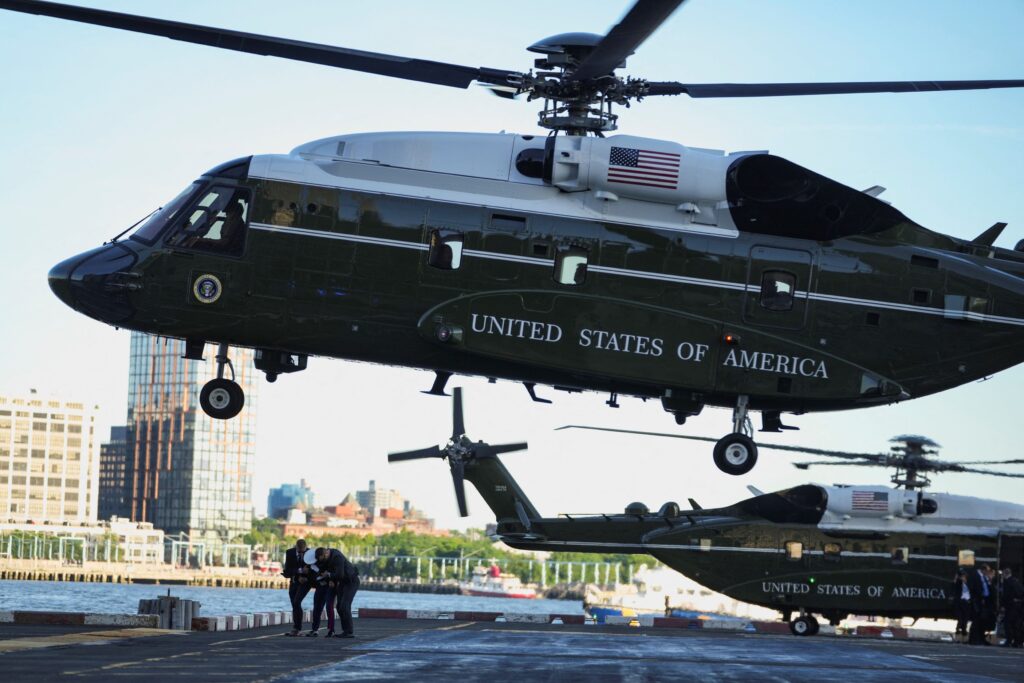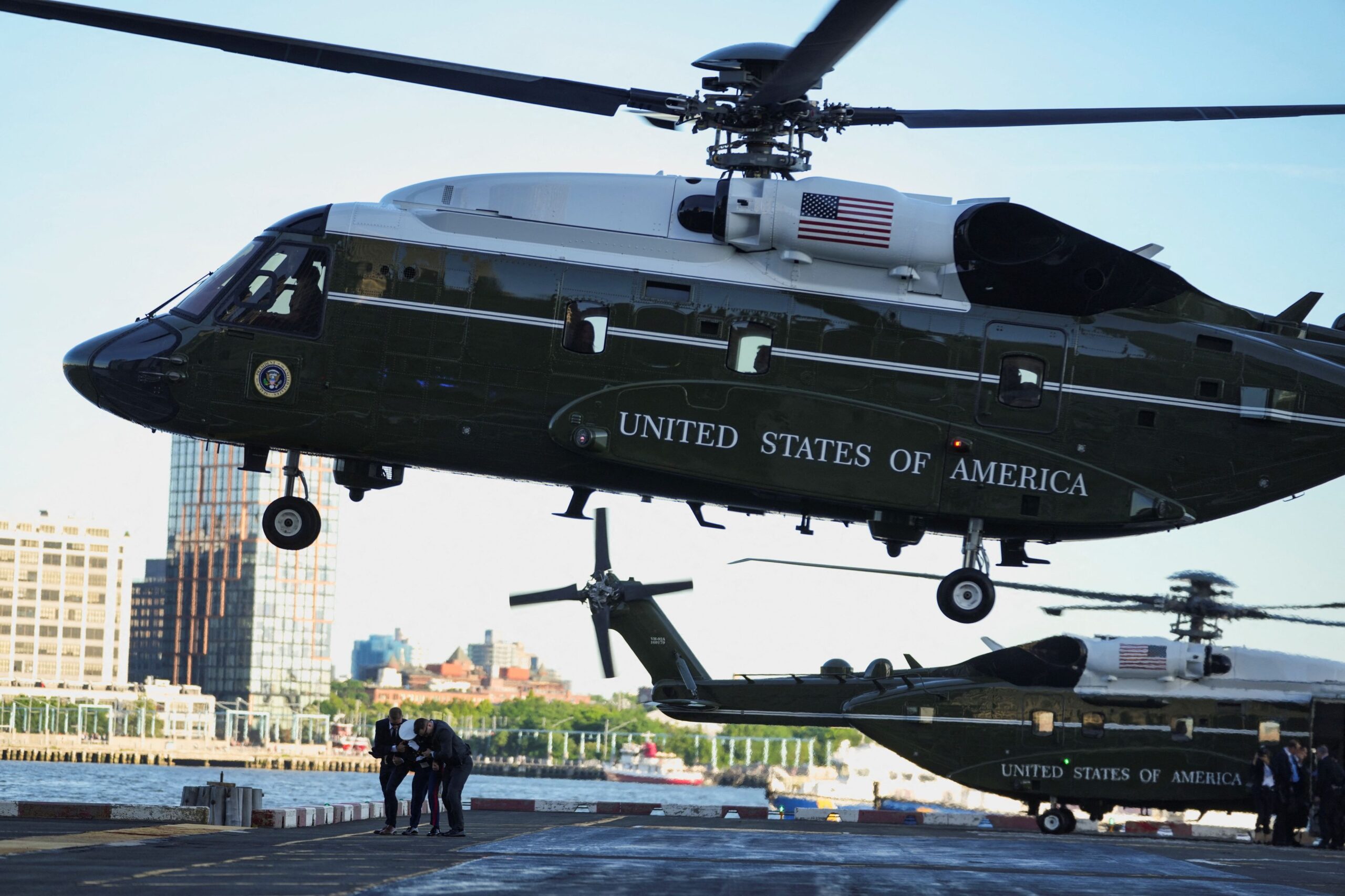
The project, funded with a Lockheed Martin donation, is intended to resolve a years-long problem with the new Marine One helicopters: They run the risk of scorching the White House’s grass.
Read more Son Heung-min ‘indescribably hurt’ by South Korea’s World Cup exit, vows to ‘win the hearts’ of fans
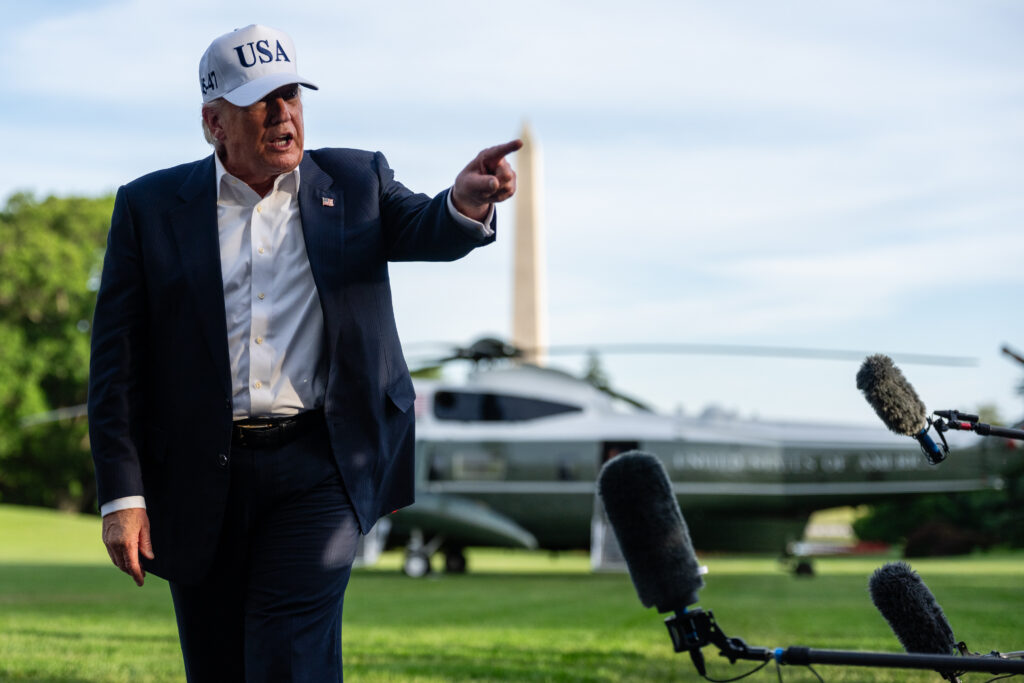
President Donald Trump has begun construction on a new White House helipad, his latest change to the historic grounds, according to three people who spoke on the condition of anonymity because they were not authorized to discuss the project publicly.
Construction crews worked into the night Monday on the White House’s South Lawn, with the project blocked off by a large fence. The helipad will be located near the South Portico, the traditional site for Marine One, the call sign for whichever helicopter is transporting the president, the people said.
The new helipad, which the White House has yet to announce, is intended to address a long-running problem: The new generation of Marine One helicopters runs the risk of burning the lawn. The VH-92A Patriot, manufactured by Sikorsky Aircraft, have exhaust vents that aim heat down, making grass-scorching likely.
Lockheed Martin, which owns Sikorsky Aircraft and has spent years trying to develop a solution to the scorching problem, will donate $5 million to help cover the cost of the helipad, according to a company official familiar with the project.
The Washington Post reported last month that a helipad was under consideration and reported earlier this month that the administration was moving forward with the project and would rely on a $5 million donation to help fund it.
The White House and the Marine Corps, which operates the presidential helicopter program, did not immediately respond to questions about the project, its timing or total cost.
Trump has faced criticism for his recent alterations to the White House, such as his plan to build an expansive ballroom, add gilding to the Oval Office and create a “Presidential Walk of Fame” that mocked past Democratic presidents. Current and former officials characterized the helipad as a different type of project, driven by security and operational priorities.
Read more Serena Williams set to make much-anticipated singles return on Day 2 at Wimbledon
Past administrations had also considered building a permanent helipad on the White House grounds, but the idea had been dismissed for several reasons, including that it would alter an iconic image — the U.S. president boarding a helicopter on the White House’s grassy lawn — that has persisted across administrations for nearly seven decades. That was not a concern for Trump, who has made significant changes to the White House in his second term, including demolishing the building’s East Wing and paving over the Rose Garden. Trump also has been an avid helicopter user for much of his professional life, dating back to his time as a real estate magnate when he relied on a Trump-branded helicopter.
Ray L’Heureux, a retired Marine Corps colonel who previously oversaw the Marine Helicopter Squadron One, said it appears the installation of the White House helipad was determined to be operationally necessary.
“The new [Marine One] program is a costly one and not using the capability is bad optics all around for many reasons,” he said, adding that having helicopters to ferry the U.S. president to and from the White House is “paramount for seamless operations and security concerns.”
L’Heureux added that while he believes changing the aesthetics of the White House’s South Lawn is a negative, he hopes the impact of the helipad can be mitigated — perhaps by using green concrete, he suggested — to help it better blend in.
The VH-92A has been envisioned for more than a decade as the full-time presidential helicopter. The Marine Corps received the final VH-92A in its 23-aircraft presidential fleet nearly two years ago at a cost of about $4.95 billion, or about $215 million each, according to a 2019 report by the independent Government Accountability Office. But the helicopters have yet to ferry a president to and from the South Lawn.
Trump has used the new VH-92A Patriot for other travel, such as his recent trip to New York City for the NBA Finals, with the new helicopter ferrying the president to a helipad in Manhattan. Trump has continued to rely on older Marine One models when landing in grassy fields, including during his trip to the Group of Seven summit in France earlier this month.
Read more Democrats turn to unconventional organizing in an atypical ‘must-win’ Senate race