If the court had struck down birthright citizenship and upheld President Donald Trump’s executive order, the ruling would have had sweeping political, economic and social ramifications.
Read more Supreme Court sides with GOP, loosens campaign spending rules
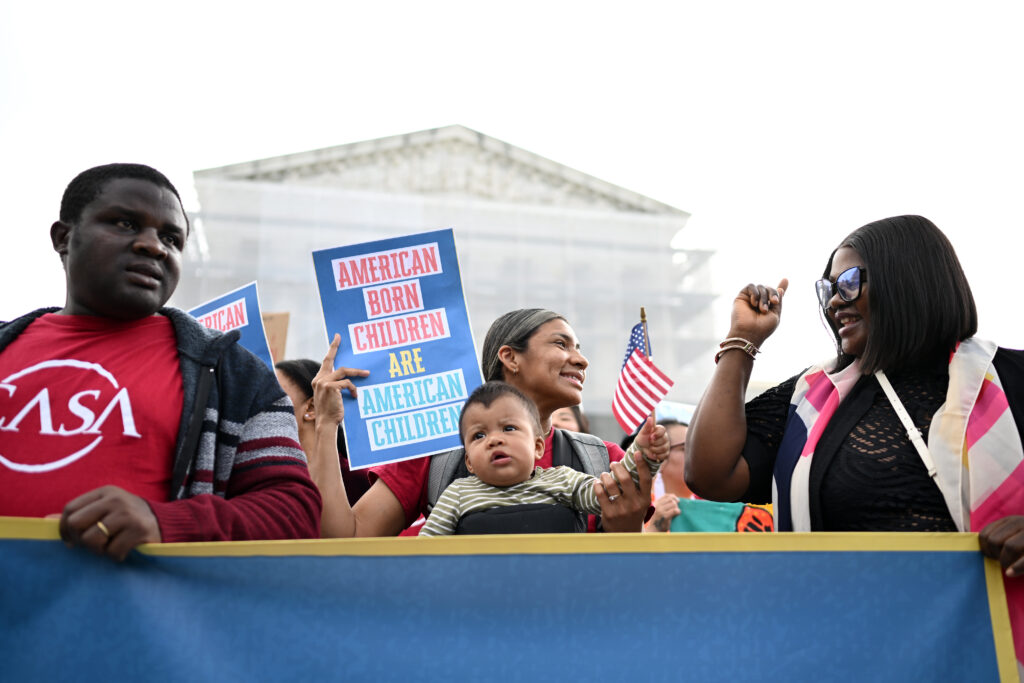
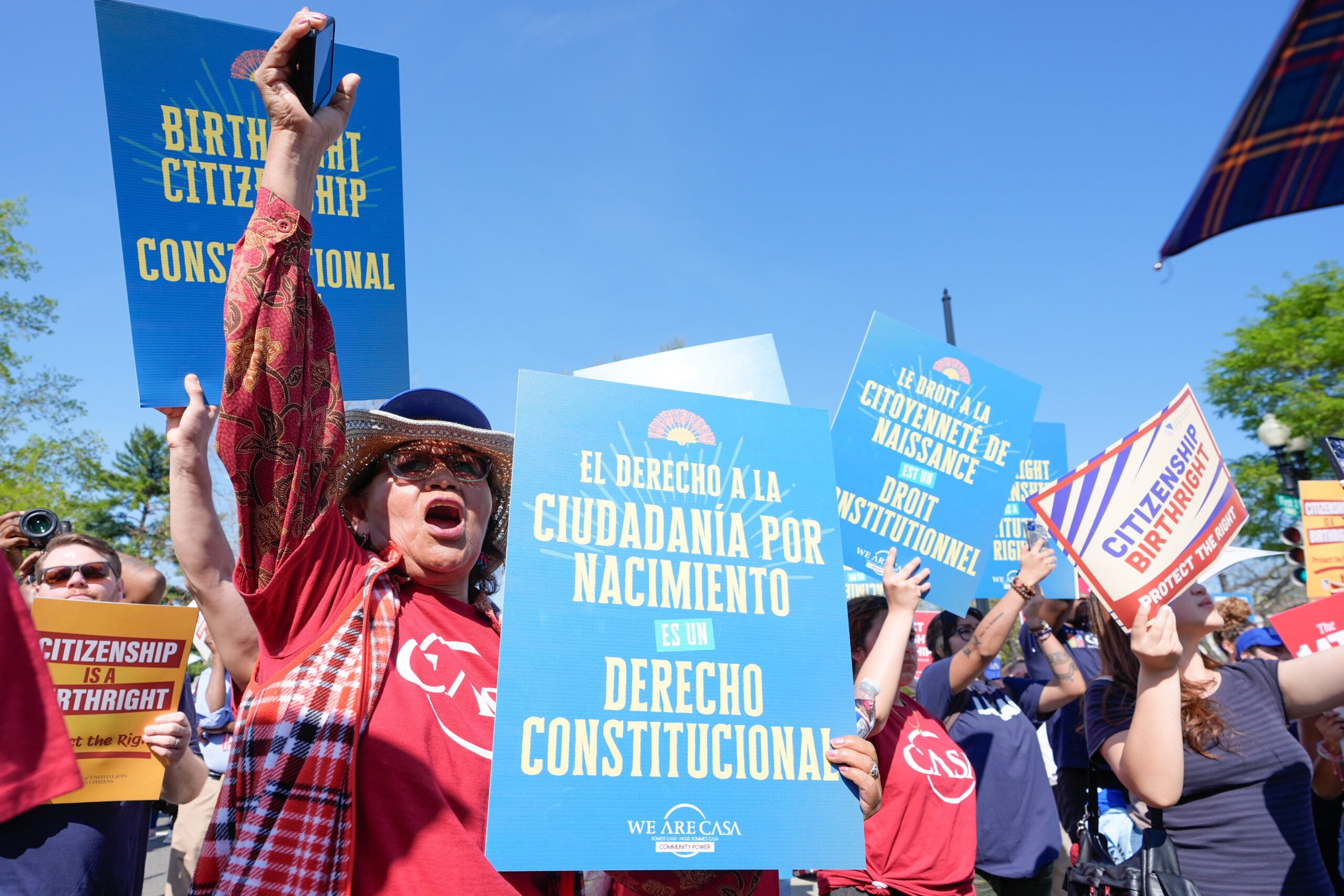
The Supreme Court on Tuesday affirmed the principle that almost everyone born on U.S. soil is a citizen, a major decision that rejects a push by President Donald Trump to fundamentally redefine who is American in ways not seen for more than 150 years.
The justices struck down an executive order by the president that said citizenship would not be granted to children born to parents who are in the country illegally or those on temporary visas for work, travel, school or humanitarian reasons.
Trump’s order would have had sweeping political, economic and social ramifications, changing the definition of citizenship in the most significant way since the 14th Amendment guaranteeing citizenship to formerly enslaved people was ratified shortly after the Civil War.
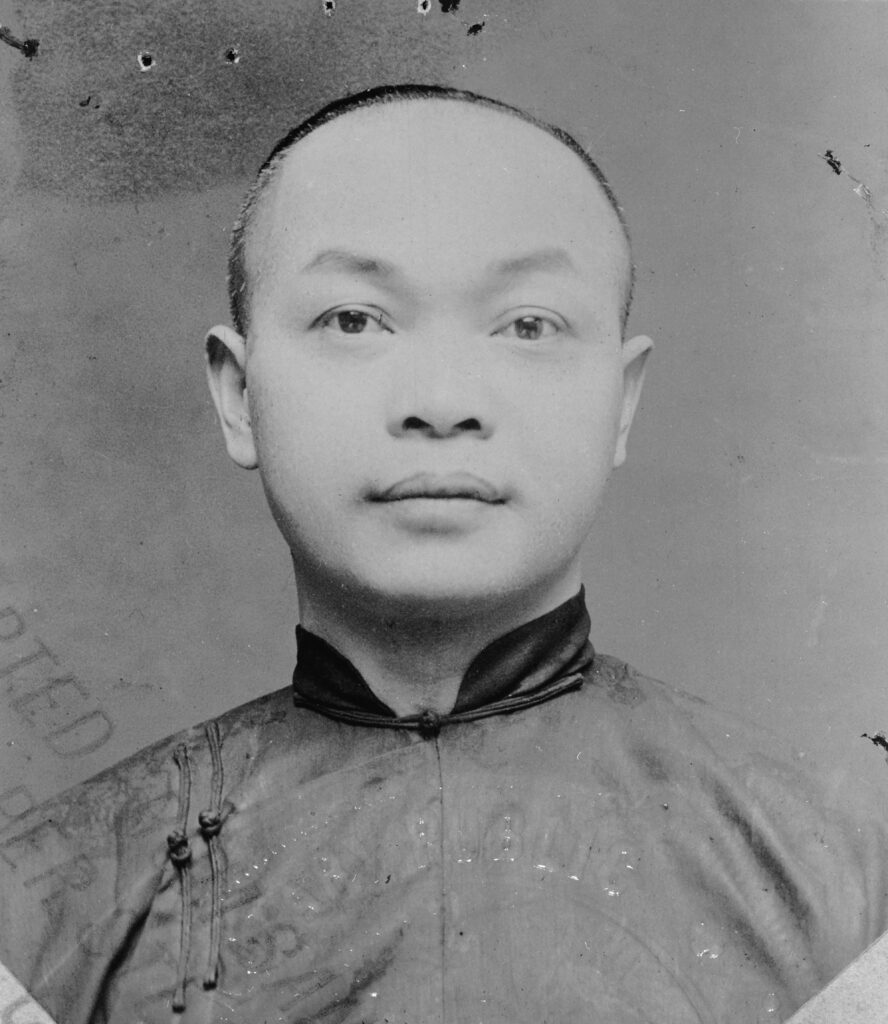
The ruling reaffirms the long-settled understanding that the 14th Amendment automatically confers citizenship on any child born in the United States, with limited exceptions for children of diplomats and other rare cases. The principle was established in a landmark 1898 high court decision that found that Wong Kim Ark, a man born to Chinese immigrants in San Francisco, was a citizen.
Chief Justice John G. Roberts Jr. wrote the majority for the ideologically mixed group of justices that included the court’s three liberals, as well as conservatives Amy Coney Barrett and Brett M. Kavanaugh, who joined in part and dissented in part.
“Citizenship, then and now, was the right to have rights — to freely participate in our political community. The Framers of the Fourteenth Amendment extended that promise to ‘every free-born person in this land,’” Roberts wrote. “We keep that promise today.”
The opinion came over the objections of conservative Justices Clarence Thomas, Neil M. Gorsuch and Samuel A. Alito Jr. Thomas wrote for the group.
“The Court adds to the sad history of the Fourteenth Amendment, which was designed and understood to secure equal rights for the freed blacks but has instead been repurposed for political projects that the Reconstruction Congress did not support,” Thomas wrote in his dissenting opinion.
Solicitor General D. John Sauer told the justices during arguments in April that granting birthright citizenship to nearly everyone creates a magnet for illegal immigration and “birth tourism” — traveling to the U.S. to have a baby so the child can be a U.S. citizen.
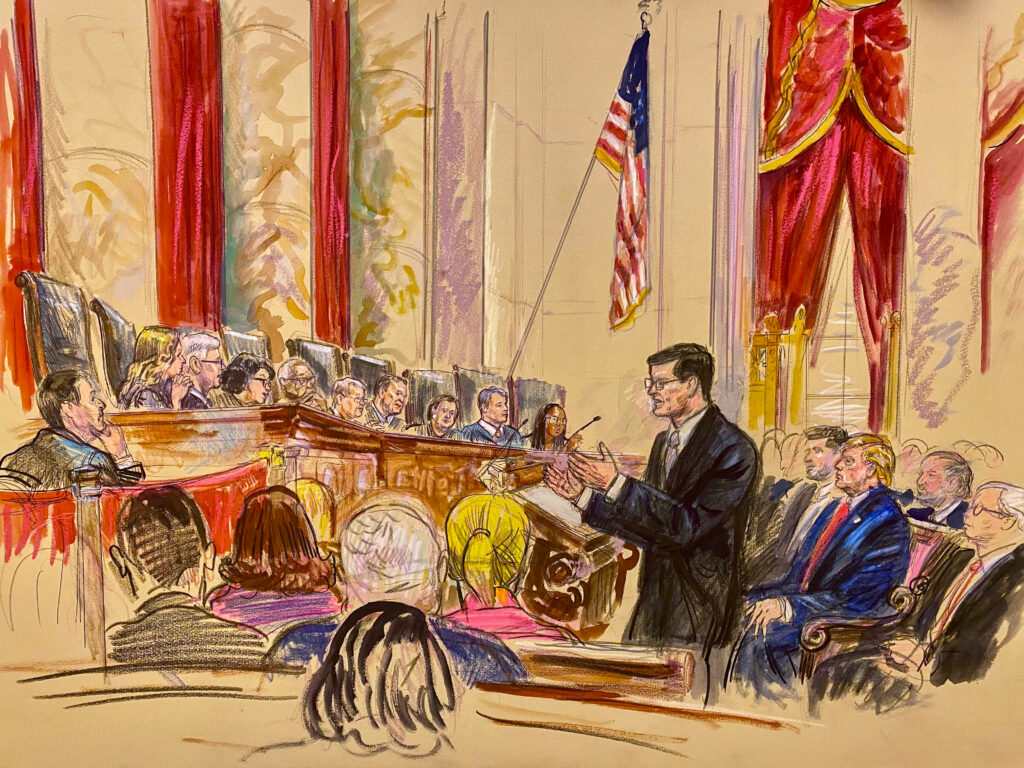
He also said migrants who take advantage of the United States’ citizenship policy undermine the rule of law.
“We’re in a new world now … where 8 billion people are one plane ride away from having a child who’s a U.S. citizen,” Sauer said.
Read more Supreme Court upholds bans on transgender women in female athletics
Sauer’s legal argument turned on a clause in the 14th Amendment, which states: “All persons born or naturalized in the United States, and subject to the jurisdiction thereof” are citizens.
Sauer said “subject to the jurisdiction thereof” invokes a necessary political allegiance to the United States to be a citizen. He said children whose parents lack permanent residency status cannot demonstrate that fealty because they haven’t committed to staying in the country for the long term.
Cecillia Wang, an attorney for the American Civil Liberties Union, which sued to block Trump’s order, rejected that argument, saying the phrase has long been understood to refer to the children of diplomats and others.
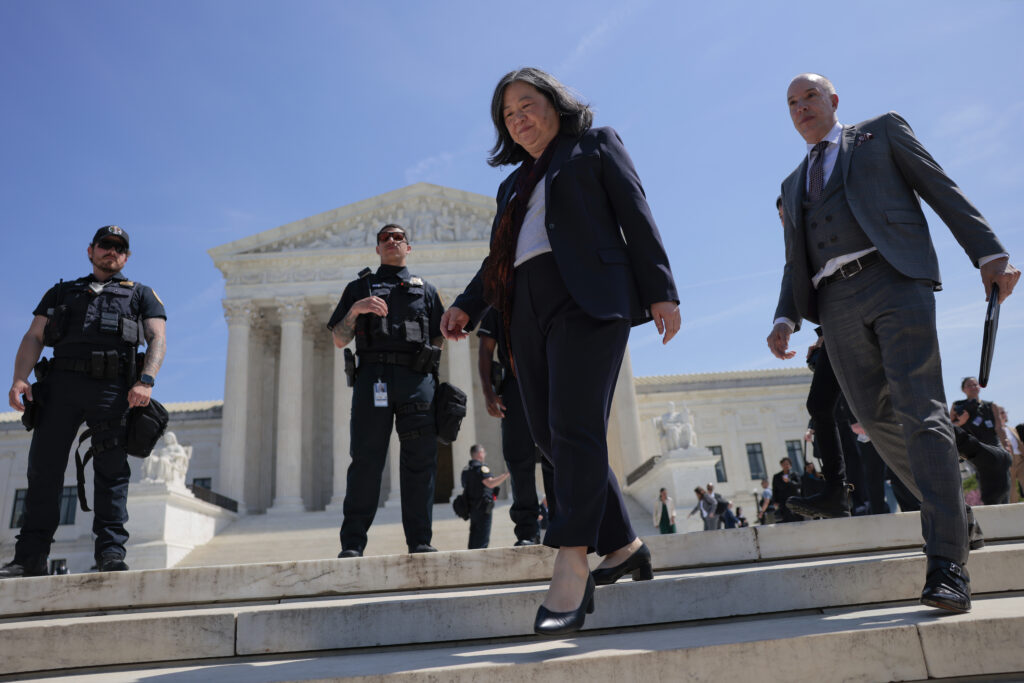
She told the justices in April that the administration’s reading of the 14th Amendment belied its plain meaning, the court’s holding in United States v. Wong Kim Ark and decades of practice by the government.
“The framers of the 14th Amendment meant to have universal law of citizenship subject to narrow exceptions,” Wang said.
As one of the first acts of his second term, Trump issued an executive order in January instructing government agencies to stop issuing citizenship documentation to children born to families without permanent immigration status on or after Feb. 19, 2025.
The administration quickly faced multiple lawsuits over the controversial order.
One of the cases made it to the Supreme Court last year. That case did not deal with the merits of Trump’s birthright citizenship order, but instead examined whether lower federal courts could issue nationwide injunctions. The justices ruled for the Trump administration, limiting the orders that have tied up some of his agenda.
After that decision, the ACLU and other immigrants’ rights groups filed a class-action lawsuit in New Hampshire on behalf of families affected by the order. A federal judge issued a preliminary injunction in the case, but before an appeals court ruled, administration officials petitioned the Supreme Court to take it up.
About 250,000 children would have been born without citizenship in the U.S. each year under Trump’s order, or roughly 5 million by 2045, according to a friend-of-the-court brief filed by dozens of professors. Some would probably have been left stateless because their parents would be unwilling or unable to obtain citizenship for their children in their homelands.
The professors argued that Trump’s order would create a permanent underclass.
“The creation of this caste would disrupt 150 years of intergenerational upward mobility for immigrants and would reverberate broadly through the U.S. economy and society while failing to address actual causes of migration,” they wrote.
The U.S. is one of about 35 countries that have birthright citizenship. Most nations abide by lineage-based rules that mandate parents be citizens or permanent residents for their children to obtain citizenship.
Read more Absent congressman returns to Congress after nearly four months