IRVINE, Calif. — Soccer is often described as a game of flow, but much of its beauty can be found in repetition. Runs are rehearsed until they look improvised. Passing are patterns drilled until they feel instinctive. Small routines carry players into the biggest games, as if some order can be sorted from the clockwork of chaos.
Read more ‘Who cares if we lose? I’ve found ranch dressing.’
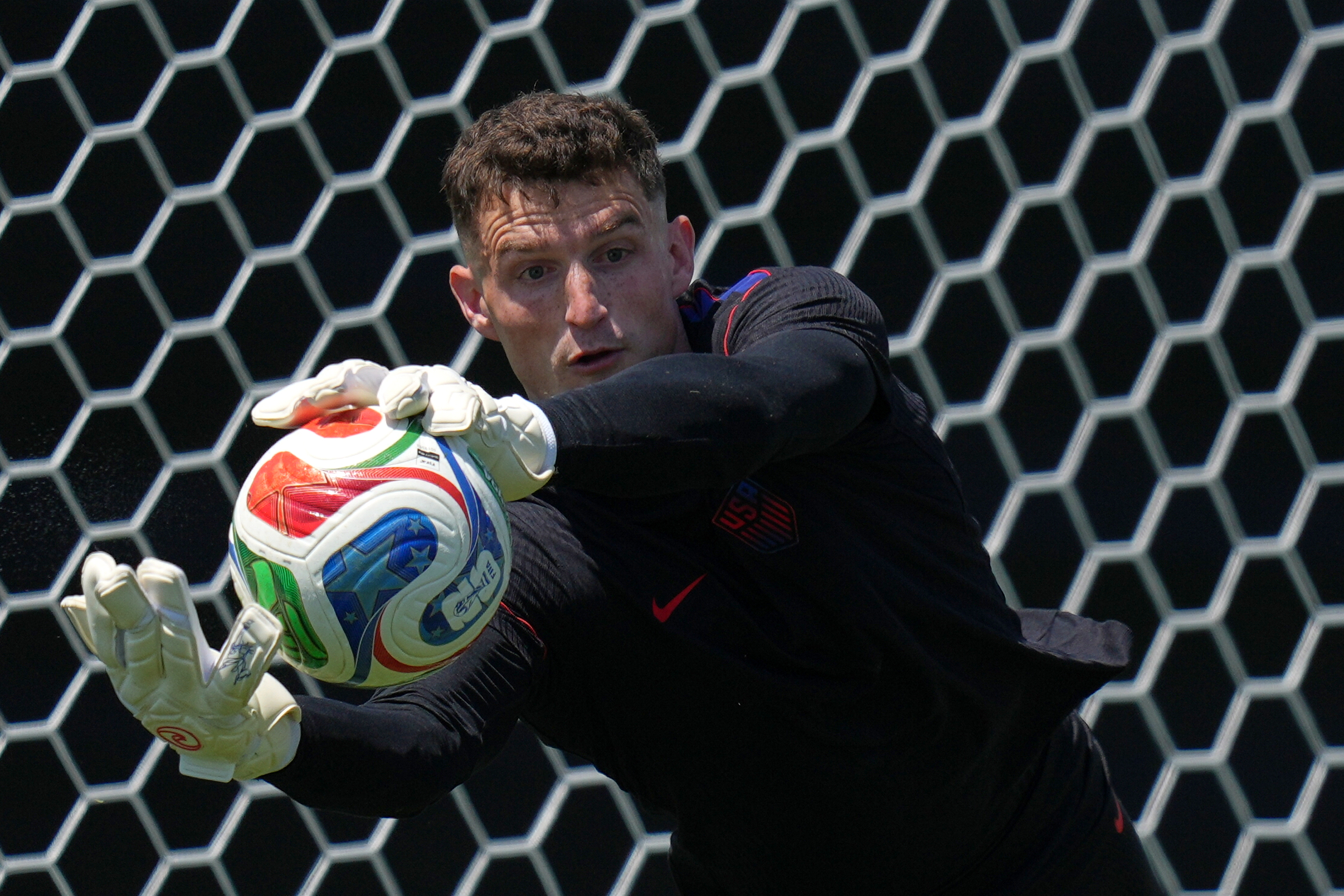
That’s why Matt Freese brought his own alarm clock to the World Cup.
Not because there are no smartphones, hotel wake-up calls or other ways for the U.S. goalkeeper to know when morning has arrived. Freese packed it because it was familiar — a piece of home, an ordinary object in a month that is anything but ordinary. For a Harvard graduate who describes goalkeeping as a constant exercise in angles, timing and risk, the alarm clock was another small way to impose order.
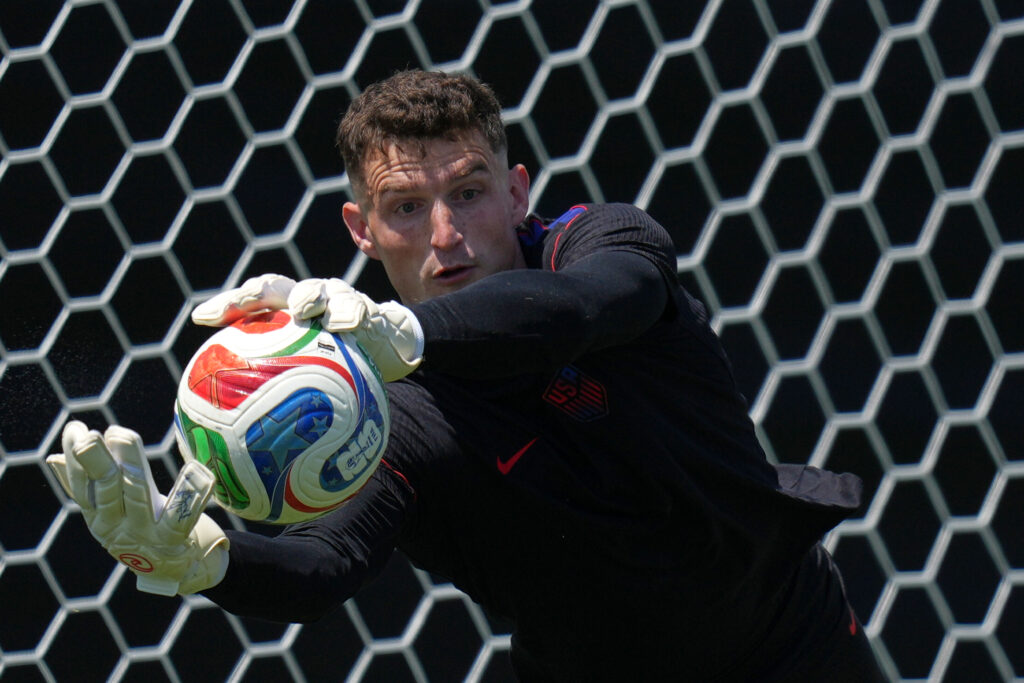
“I love keeping things consistent,” Freese said in an interview, “because if it works for you in small moments, then the game itself doesn’t change.”
That routine is about to face its biggest test.
On Wednesday in Santa Clara, California, the United States will meet Bosnia in the round of 32, the Americans’ first knockout match of this home World Cup. While the group stage served as an introduction to Freese, the knockout rounds could define him.
Through the Americans’ first two meaningful games, Freese was steady and largely untroubled. After the United States beat Paraguay in its World Cup opener, Toni Jiménez, the former Spanish goalkeeper who now coaches the U.S. keepers, found Freese and wrapped him in a hug. Then he told him something that sounded both obvious and transformative.
“You’re a World Cup goalkeeper now,” Jimenez said.
“It was a very cool realization,” Freese said later, “but it filled me with, really, a hunger to play as many games here, to advance as far as possible.”
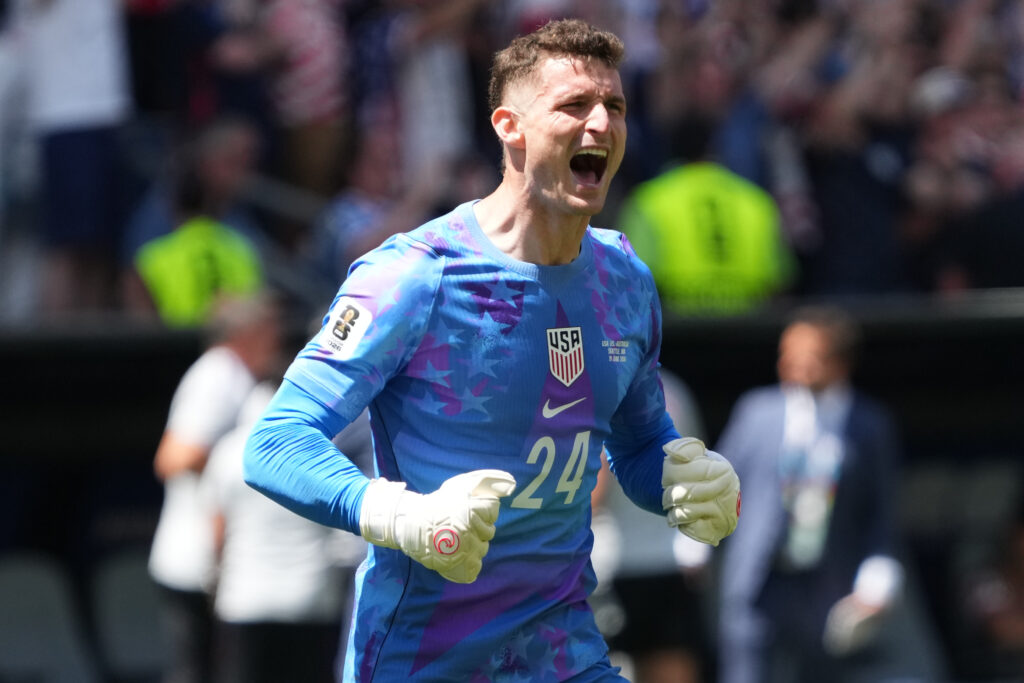
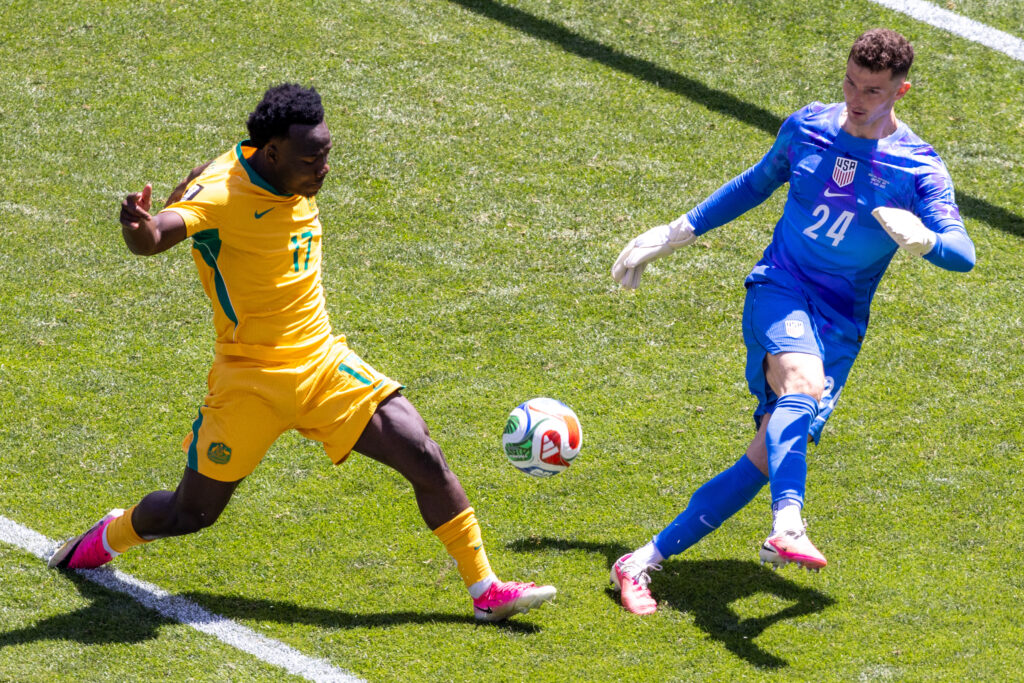
He posted a shutout against an Australia team that struggled to mount an attack, then sat out the team’s third match, against Turkey, which had no bearing on the standings.
Freese has not yet been forced to carry the Americans through a crisis. He has not yet had to make the kind of save that changes a match, or even a tournament. If that moment comes against Bosnia or later, how Freese handles it could help determine how far this U.S. team ultimately goes.
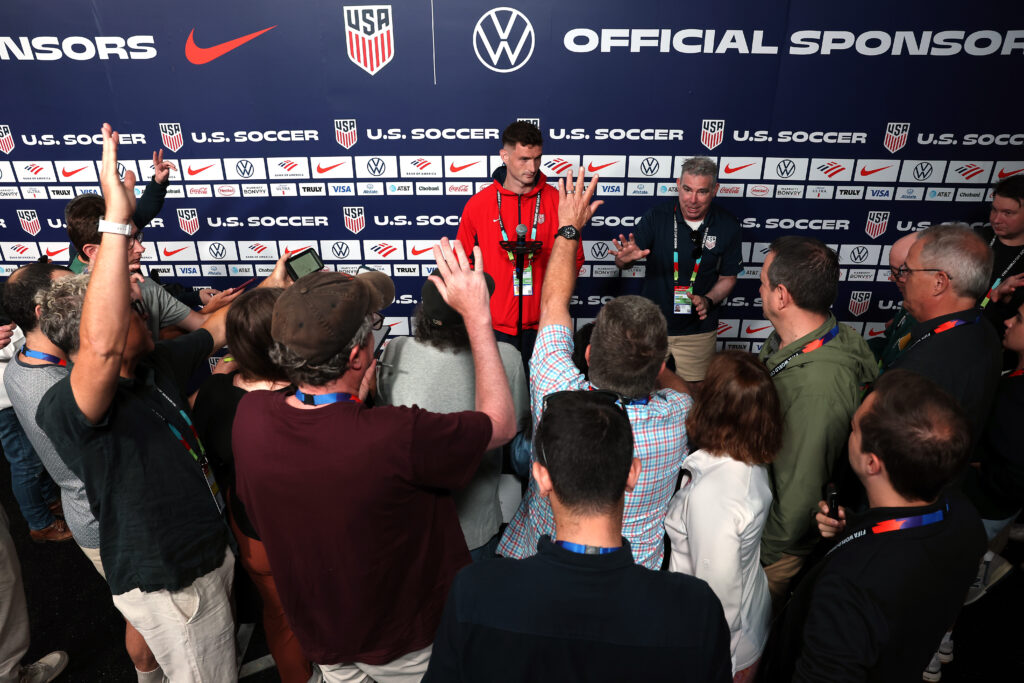
“He has yet to make the save he shouldn’t make,” said Alexi Lalas, the former U.S. defender and Fox’s lead soccer analyst. “And that is what is going to, I think, define him relative to this World Cup: if and when he makes that big save that keeps the team in the game.”
Lalas was not suggesting Freese could not make that save. He was saying that World Cups tend to demand one. For goalkeepers, the line between anonymity and permanence can be a single dive or decision, a single instant when a shot appears headed somewhere unreachable and a hand arrives anyway.
To fans just now tuning in, Freese may seem like a sudden arrival: the 27-year-old New York City FC goalkeeper with the Ivy League background, the analytical mind and the unflustered manner starting in goal for the United States at a home World Cup. To Freese, there is nothing sudden about it.
“It seems fast for everyone else,” he said. “But 25 years of working for it makes it not seem as fast and as meteoric as people might see.”
Four years ago, Freese watched the World Cup from home. He was on the couch, far from the U.S. goalkeeping conversation, disappointed that he was not in a better position with his club and not especially close to being considered for the national team.
“It was sad that I wasn’t in a position in my club team to even really be considered for it,” Freese said. “But also was motivated to make that change and to change that.”
Four months later, he left behind his hometown Philadelphia Union and navigated a move to New York, the first step in changing the direction of his career. The years that followed brought opportunity, national team camps and eventually a competition that reshuffled the U.S. goalkeeping depth chart.
“He won the job, and he won it from the incumbent, which was Matt Turner,” Lalas said. “Matt Turner was having some difficulties, too, but you take your chances where they’re available. That says a lot about his competitive nature.”
It also said something, Lalas added, about the way Freese had won over Mauricio Pochettino, Jiménez and the U.S. group at the right moment.
The change could have become an awkward storyline. Turner started every game for the United States at the 2022 World Cup and entered this cycle as the established goalkeeper. Freese’s rise meant Turner’s role changed. But Turner described the competition less as a feud than a professional understanding.
“I think there’s a healthy mutual respect between us,” said Turner, who started in goal for the Americans in their 3-2 loss to Turkey last week. “We both want to play. We both have played, and we’ll respect whatever the final decision is from the coaches. And then from there, our roles will change to be supportive of each other.”
Read more Photos from Trump’s golf course tour reveal extensive overhaul of East Potomac
Turner and Freese have known each other for years, dating from U-23 camps when Turner was with the first team. In Turner’s telling, the relationship has been strong enough to survive the tension that comes with one goalkeeper’s rise and another’s adjustment.
“What he’s done in the last couple of years has been great,” Turner said, “and it’s a great competition.”
Freese is now the latest American in a position that has long been one of the country’s most exportable soccer strengths. Even when the U.S. struggled to convince the rest of the world of its field players, it produced respected goalkeepers: Kasey Keller, Brad Friedel, Tim Howard, Brad Guzan and others who became familiar, sometimes even heroic, to audiences that checked in on soccer every four years.
Freese understands the lineage. He grew up watching it.
“It feels like a massive opportunity … to be the next name along a list of names that have incredible careers and have put their names in history books,” he said.
He understands the pressure that comes with that, too. He describes it not as something to manage but as a precondition to the most stressful spot on the pitch.
“I love pressure,” he said. “Pressure gets the best out of me.”
He traces that belief back years, to a high school game that still sits clearly in his mind. Growing up in the Philadelphia suburbs, Freese was a 15-year old sophomore at the Episcopal Academy, playing in a once-a-year homecoming game against a rival high school, a nationally ranked team. He remembers being “in the flow.” He remembers making 16 saves, including one on a penalty kick. He remembers the final score: 0-0.
“And so, kind of from there, I just knew that I was built for the big moments,” Freese said. “I knew that pressure gets the best out of me.”
A Harvard graduate, Freese is often described in intellectual terms, and he does not run from the characterization. He calls himself “a very thoughtful, analytical and cerebral goalkeeper,” and he talks about the position like a math problem that keeps rearranging itself: angles, risk, timing, surface area, scenarios, adaptation.
A goalkeeper’s job, in Freese’s telling, is not simply to react. It is to shrink choices before they become shots. It’s something learned from repetition and study.
“A lot of goalkeeping is angles and minimizing risk and maximizing your surface area relative to the goal,” Freese said. “Making sure you have the right timing and recognizing different scenarios and learning quickly and adapting on the fly.”
But others are careful not to reduce him to some athletic bookworm. Asked what really separates Freese, Chris Brady, another U.S. goalkeeper, didn’t hesitate.
“His strength, dude,” Brady said. “If you look at his build, the way he’s making saves, his shoulder strength when he gets down and makes saves, it’s world-class.”
Freese understands the balance. He studies the geometry of the position, but he also knows there are moments when the analysis has to disappear. He said he was fortunate to be born with “very unique athleticism,” and part of his job is not to overthink his way out of relying on it.
The next phase of the World Cup will surely require both. The tournament has become much like the goalkeeper position itself: unforgiving, immediate and often defined by a single mistake or save.
A field player can make several mistakes and still have time to repair the night. A goalkeeper can make one and watch it become part of his Wikipedia page. The more a goalkeeper recognizes that mistakes happen, Freese said, the less daunting the position becomes. And, in his view, the less likely those mistakes are to happen.
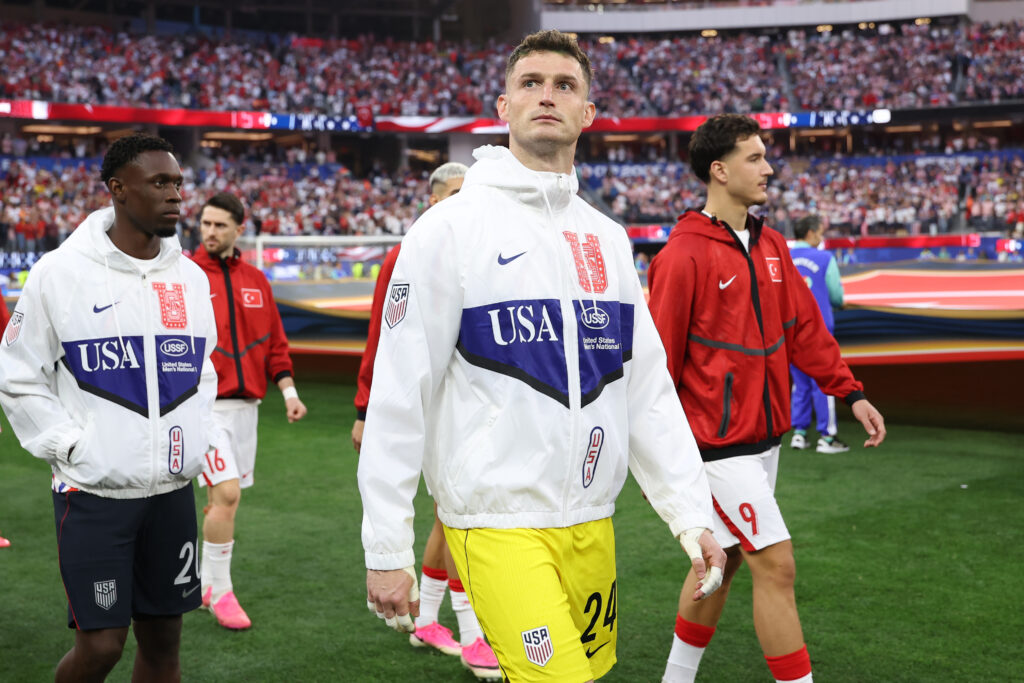
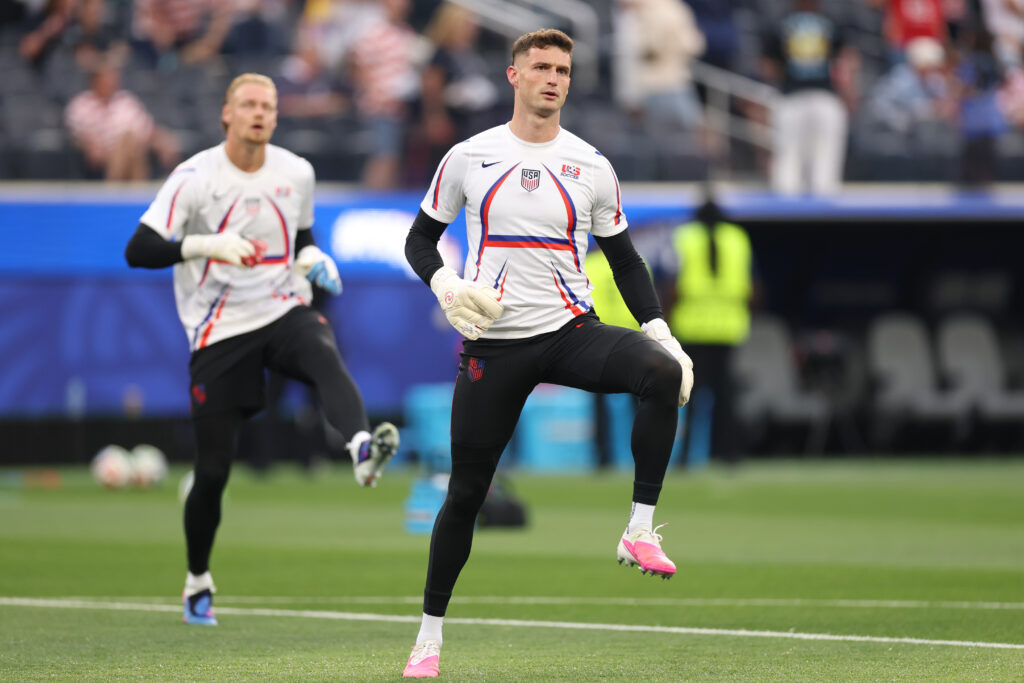
That is where the routines return — the alarm clock and the preparation, the repeated attempt to make one day resemble another and every shot feel like one he has saved a million times.
“I think every player has his own routines and strategies,” Freese said, “but what works for me is taking every game the same, doing the same routine, doing the same preparation, same mind work, same physical work, because then you arrive into the game in your standard situation.”
He knows the World Cup is not standard. He called it a “once- — twice-, hopefully — in-a-lifetime experience.” The excitement, he said, will be there naturally.
Read more Cade Cavalli, feisty and in complete command, stymies Red Sox as Nationals roll
“I just focus on doing me and doing my routine,” Freese said.