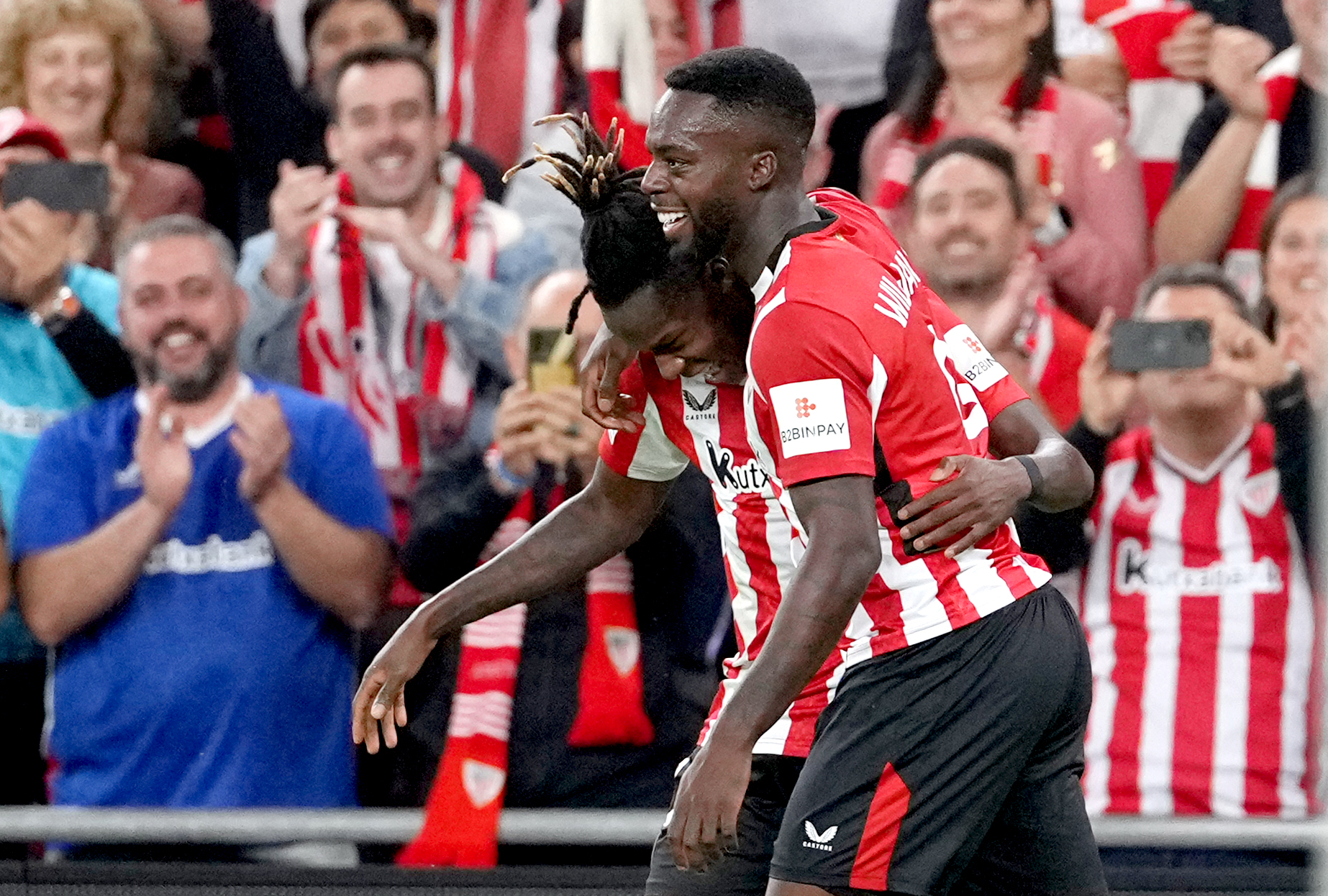
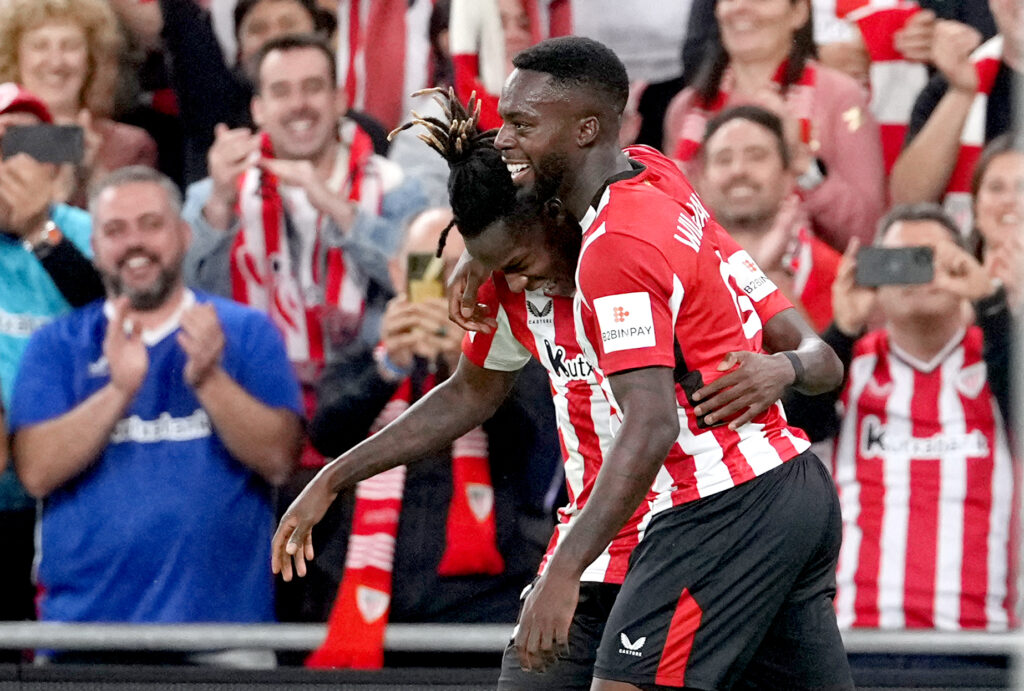
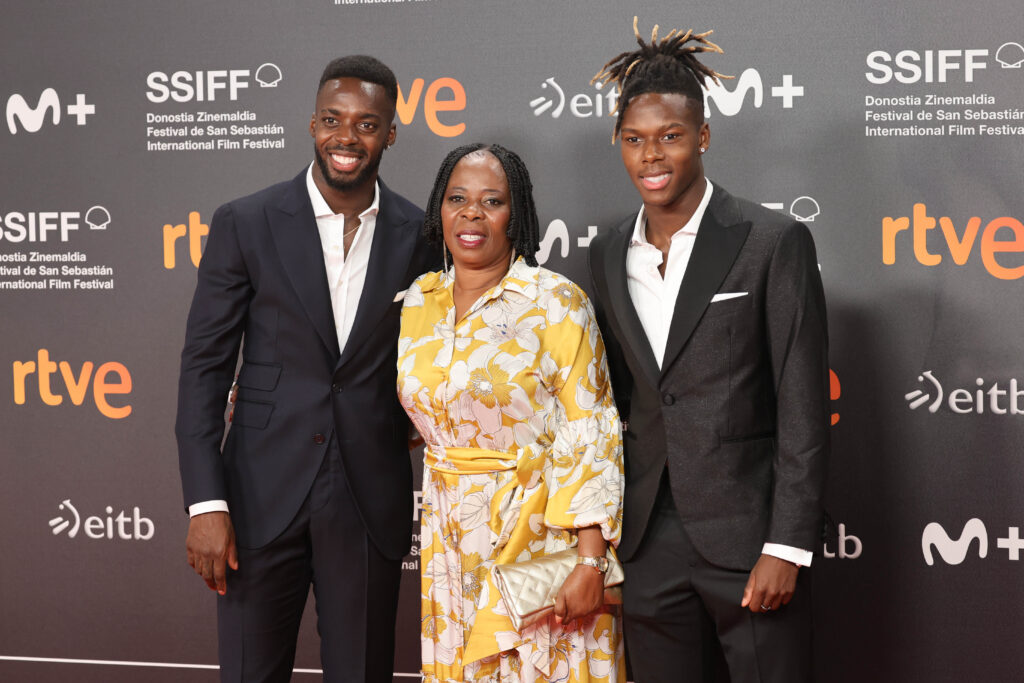
BILBAO, Spain — Iñaki and Nico Williams, the faces of a new kind of World Cup, are inside the practice headquarters of one of soccer’s most remarkable professional teams, trying to explain what it means to be many different things.
Read more Eastern heat on July 4 threatens World Cup players and fans
Iñaki, who plays for Ghana, and Nico, who plays for Spain, are the sons of Ghanaian immigrants who walked across the Sahara to get to Spain. The brothers were born in Spain, raised in Spain and live in Spain. But they were also born and raised and live in Basque Country, whose people were brutally suppressed during the nearly 40-year reign of Spanish dictator Francisco Franco in the mid-20th century. They see themselves, naturally, as separate from Spain.
Identity is complicated for the Williams brothers, in other words, because they don’t exactly consider themselves Ghanaian or Spanish.
“When I go to the Ghana team sometimes, I feel a bit like, ‘What am I doing here?’” Iñaki says. “And when I’m here, I also have things [happen] where I say, ‘My parents never taught me this.”
Nico nods in agreement.
“I grew up in the Basque culture, which I think is the best in Spain,” he says. “I’m also playing with the Spanish national team, and it’s also my pride to represent it.”
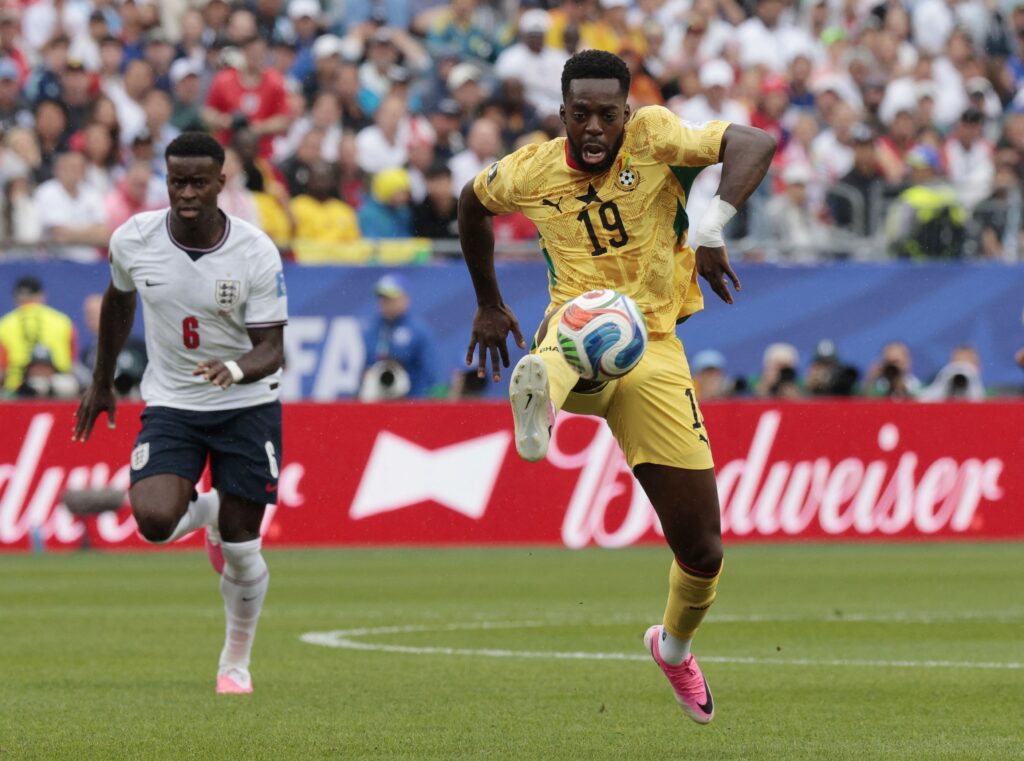

Beneath the nationalistic fervor of the World Cup, with its singing fans and waving flags, the players’ backgrounds are a tangle of passports and visas and birth certificates wrapped in generational family narratives. In 2022, Iñaki and Nico became the first full brothers to play for different teams in the same World Cup. This time they are joined by two sets of full brothers and a pair of half brothers on separate countries’ rosters. Future World Cups no doubt will bring more.
Iñaki, 32, is helping lead Ghana into a Round of 32 match on Friday against Colombia, with fast and aggressive play at the front of Ghana’s attack. Nico, just 23 and battling injuries at this World Cup, is one of Spain’s most important players heading into Thursday’s match with Austria, a brilliant dribbler whose blond-tipped braids piled atop his head are impossible to miss. He is one of the featured players in Nike’s “Rip the Script” ad campaign, chasing Mbappé through a television studio and battling Vini Jr. for possession.
They are prominent examples of how immigration has changed global soccer and the World Cup. Iñaki is one of eight players on Ghana’s roster born outside of the country. Spain, whose immigrant population has exploded this century, is increasingly resting its soccer hopes on players like Nico and the country’s biggest star, 18-year-old Lamine Yamal, who also is the child of African parents.
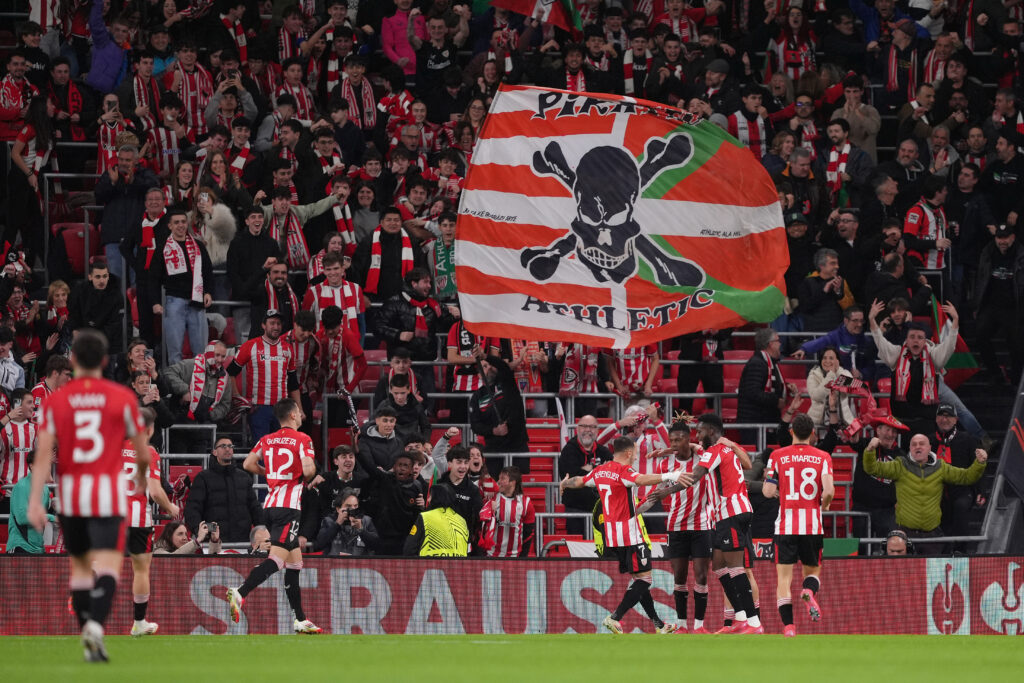
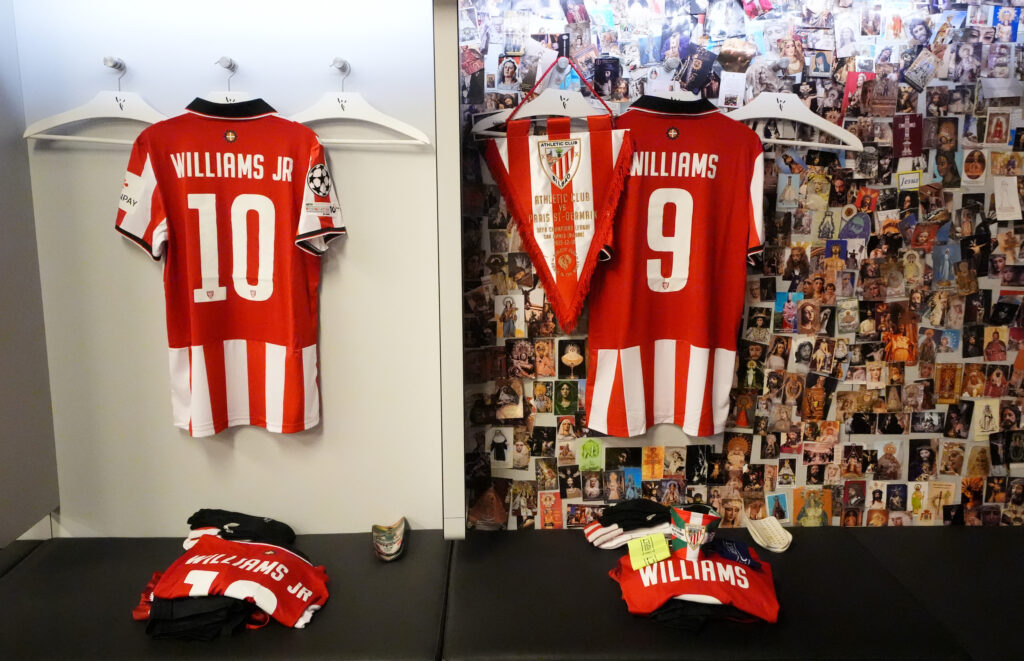
For Iñaki and Nico, their story is more tangled than most: Their entire professional careers have been spent with Athletic Club Bilbao, a team like no other in the top levels of global soccer. Athletic Club signs only players from Basque Country, limiting its talent pool to a region of roughly 3 million people in northeastern Spain and a sliver of southwestern France.
It’s a policy that puts the club at a disadvantage in Spain’s powerful top league, La Liga, and in competing for players with Europe’s other elite leagues, who sign players from all over the world. Yet Bilbao’s club has been one of Spain’s most successful, winning eight La Liga championships and taking Spain’s Copa del Rey 24 times, the second most of any team. It is one of only three La Liga clubs to have never been relegated. The other two, FC Barcelona and Real Madrid, are among the world’s mightiest franchises.
In heavily Catholic Basque Country, they call this “The Miracle of Bilbao.”
On this gray winter afternoon, at Athletic Club’s practice facility high on a hill above Bilbao, it’s a miracle Iñaki and Nico are here at all.
More than three decades ago, Nico and Iñaki’s parents, Felix Williams and Maria Arthuer, left Ghana in the back of an open truck packed with 40 or so migrants. Their guides promised to take them to the autonomous Spanish city of Melilla, nestled along Morocco’s northern coast. But their guides abandoned them, Iñaki says, leaving everyone to walk hundreds of miles across the African desert to reach Melilla.
The sun burned down. Temperatures soared to over 100 degrees. The blazing sand left permanent marks on Felix’s feet. Many people died. Maria wanted to go back, she later told her children.
When they finally reached Melilla, Felix and Maria climbed a steel fence around the city’s perimeter and managed to convince Spanish officials they were fleeing a war. They were granted asylum and moved by aid workers to Bilbao.
Only then did Maria learn she had done all this while pregnant with Iñaki.
“It’s a story of overcoming,” Iñaki says.
Not long after Iñaki was born, he and his parents moved to another Basque city, Pamplona. Felix and Maria struggled to adjust, Iñaki says, but they “met good people who gave them jobs.” Felix worked at a slaughterhouse while Maria cleaned houses in the mornings and then worked afternoons at the Pamplona airport. Iñaki often came with her.
When Spain’s economy collapsed in 2008, Felix went to London, where he took several jobs, among them collecting tickets at the Stamford Bridge stadium, home to the famed soccer club Chelsea. He stayed in England for several years, sending whatever he made back to Spain.
Nico was still little. Maria was working multiple jobs. Money was tight. Iñaki was often left to raise Nico himself.
“My brother played, for many moments in my life, the role of my father,” Nico says. “He has given me everything.”
Still, Iñaki found time to play soccer and rose fast through the Basque youth leagues. Nico, several years younger, tried hard to keep up. When Athletic Club recruited Iñaki to its academy, his decision was easy. Of course he would join the Basque team’s program. And of course Nico followed.
“I think that’s why I’m the player I am today,” Nico says of Iñaki’s drive. “If it hadn’t been for him, things would have been quite different.”
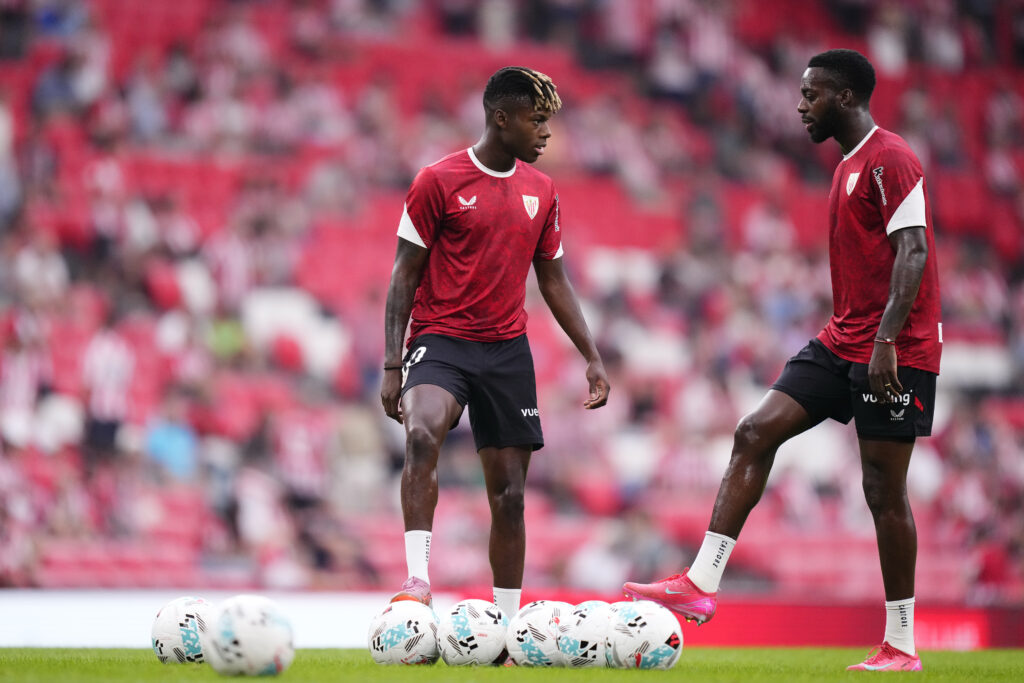
Early in his Athletic Club career, Iñaki had the words “David vs Goliath” tattooed on his upper arm. Maria used to tell her sons about David and how he slew the giant Goliath by using just a slingshot and a stone. The tattoo is part tribute to his parents’ path to Spain, and an even bigger tribute to the only soccer home he’s ever known.
“What makes us different from the other clubs [is] the power to represent something that you share,” Iñaki says. “I think in the world we live in, where you see clubs signing [players] from all over the world … we nourish ourselves.”
Almost everything about Athletic Club celebrates Basque Country. The team’s operations are run from an early-20th-century neo-Basque mansion with a stained-glass-covered atrium, a chapel and a church organ with pipes almost a story tall. The mansion belonged to a prominent Basque family until Franco’s soldiers seized the home and made it one of their barracks.
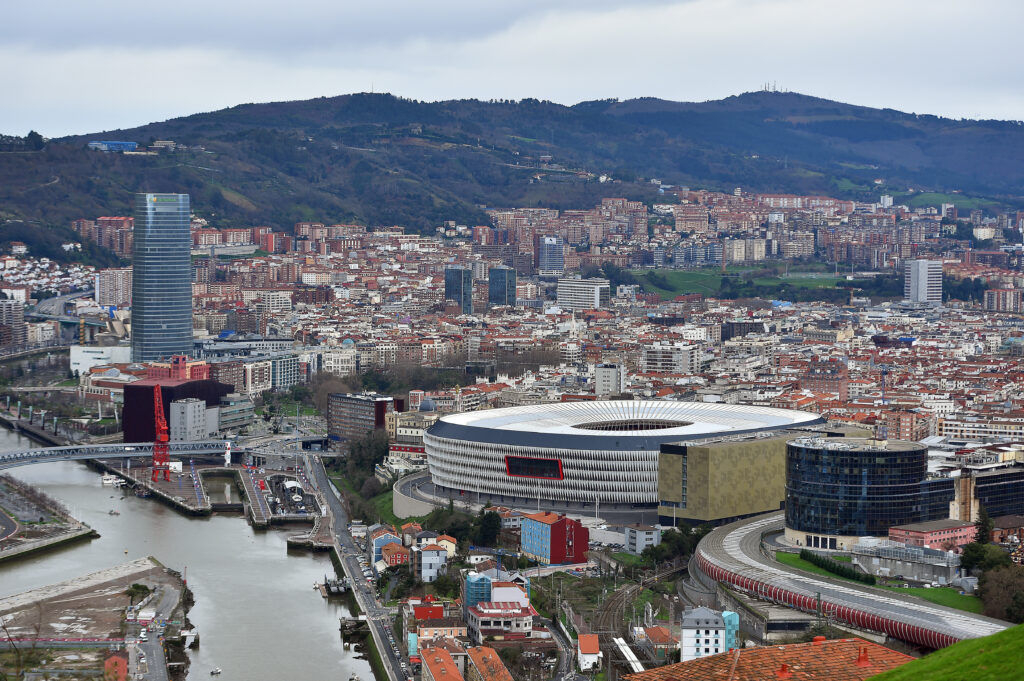
The club’s stadium, located a few blocks across downtown Bilbao, is named San Mamés after the child saint whom the Romans threw to the lions in the 3rd century B.C. for being Christian. He tamed the lions by preaching to them, the legend goes. That the Romans killed him anyway, thrusting a trident through his stomach, seems to match the spirit of Athletic Club.
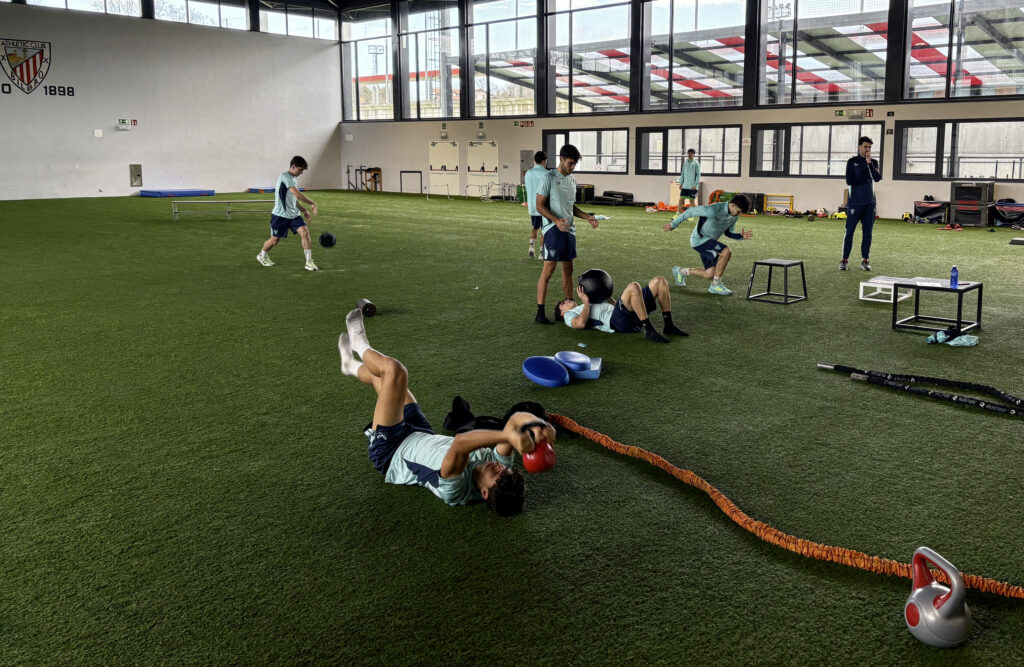
“From 2 or 3 years old you have in your blood, before you learn anything else in life, what Athletic is and what San Mamés Stadium is,” says Mikel González, Athletic Club’s director of football. “Every player, when he’s young, dreams to play professional football, to play Champions League, to play La Liga or Premier League, but here it’s different. Here, you dream of playing for Athletic.”
Teams from around the world send delegations to Bilbao to study Athletic Club’s operation, he says, trying to understand how it can win with such a limited pool of players. González knows these other teams are looking for a secret, something they can take home and exploit themselves.
Read more No, the U.S. can’t save their star from a one-game ban
“They think we have, I don’t know, this special machine,” González says, laughing. “I’d like to tell them we have like a super machine to make the players faster, to make the players better.”
Instead, he tells them how Athletic Club takes all the money and effort that other teams put into international scouting and spends it on 180 youth leagues in Basque Country, teaching Athletic Club’s methods and building relationships with players and coaches and parents. The best players, he says, eventually come to Athletic Club’s academy like Iñaki and Nico and ultimately ascend to the top team.
“They know there is going to be a space on the first team in his position, and we are not going to go to Japan or Portugal or to France to sign another,” he adds.
But how do you explain what it means to be Basque? That it’s about more than soccer? That it’s about the mansion with the chapel, and the passion of the child saint, and what it means when you truly believe you are David always hurling stones at Goliath?
González doesn’t mind sharing Athletic Club’s secrets. He knows no one can duplicate them.
“When you play with players that [grew up within] one hour of Bilbao, you have a kind of small family,” he says. “That builds a bond [and] everything is easier when [the team] has a bad moment,” he says.
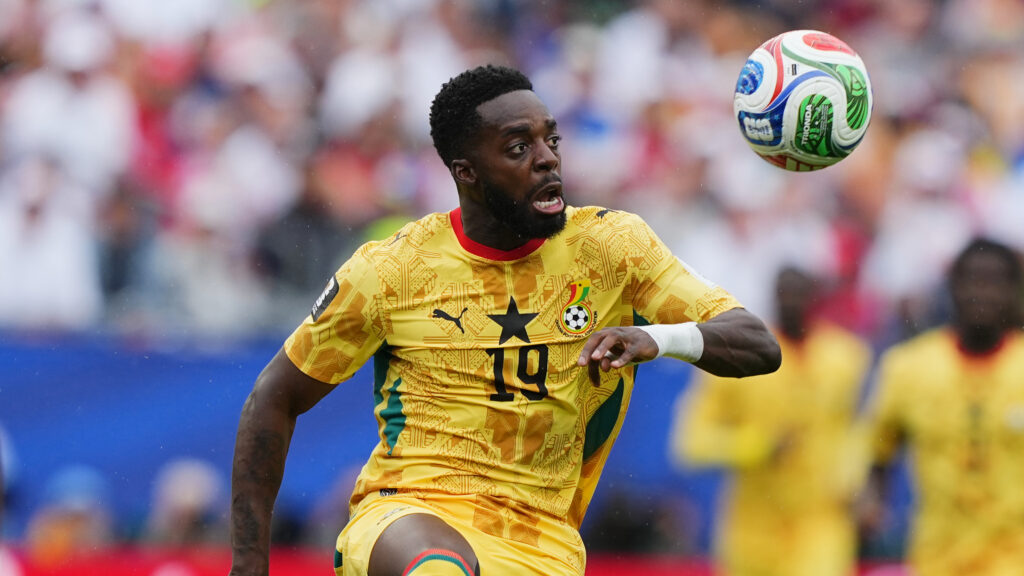
When he joined the top team in 2014, Iñaki was only the second Black player in Athletic Club’s history. Later that season, he became the first to score a goal. Immigration was only beginning to come to Basque Country, so there were few young players of color for Athletic Club to pursue. Iñaki’s arrival made the team better.
He quickly became a star on the wing, where his combination of speed and power made him a constant threat to score. But it was his durability that established him as the team’s leader, with his record 251 consecutive matches between 2016 and 2023. He has scored 114 goals in his 12 seasons and is the team’s captain.
Nico was 12 when Iñaki was promoted to Athletic Club. He joined the first team at 19 and solidified himself as a wing opposite Iñaki the next year. But Nico’s real breakthrough came in the summer of 2024, while playing for Spain in the European Championship. He scored twice in the tournament, the second goal coming in the final, a 2-1 victory over England. His dazzling passing and playmaking suddenly made him a star.
“Before, Nico was my brother,” Iñaki jokes. “Now I’m Nico’s brother.”
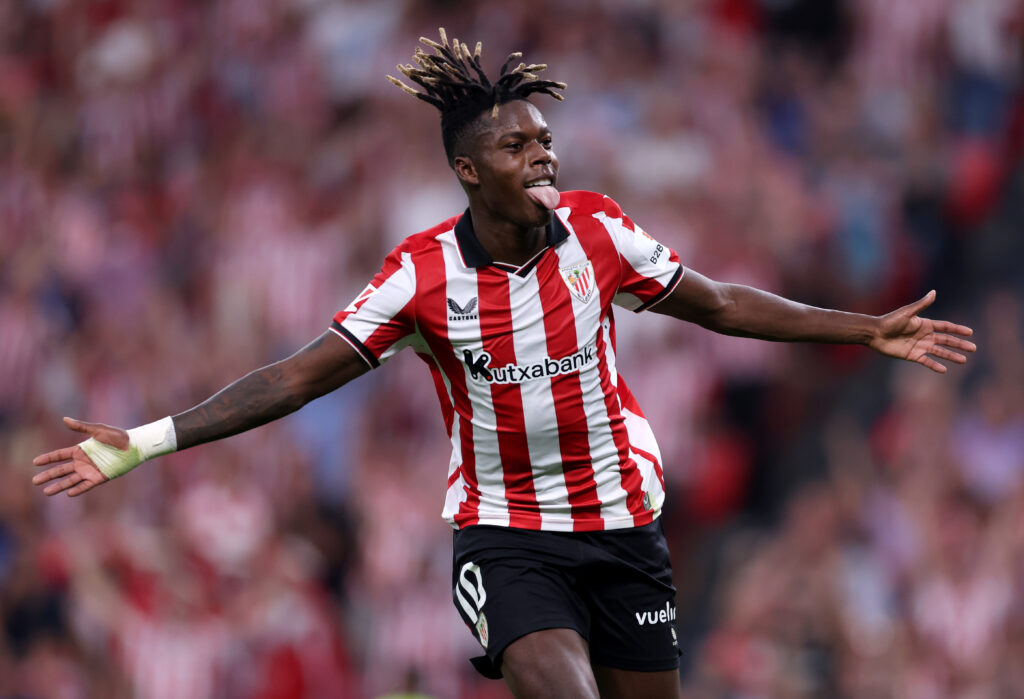
Last summer, the big money came to take Nico away from Bilbao.
Offers came strong, first from the German powerhouse Bayern Munich and then from Athletic Club’s La Liga rival FC Barcelona, the famous club of soccer immortals like Johan Cruyff, Ronaldinho and Messi. Some of Nico’s closest friends on the Spanish national team, including Yamal, play for Barcelona.
Nico was tempted. He and Yamal had been impossible to stop at the previous summer’s Euros. He could imagine how dominant they would be together for Barcelona. A few weeks before, Athletic Club had made the Champions League for the first time in a decade. It was a huge moment for Bilbao and Basque Country. But Barcelona makes the Champions League nearly every season.
Reports flew that Nico was on the verge of signing with Barcelona. His departure seemed so certain that Athletic Club fans, feeling betrayed, defaced a mural of Iñaki and Nico that had been painted on a wall in Bilbao.
But Nico surprised everyone by instead signing a 10-year contract extension with Athletic Club. He announced the deal on a social media post made by the team that showed Nico, in the middle of the night, spray-painting “Win 2035” across the mural.
“Athletic is everything,” he says. “In my case, it was growing up watching my brother on the first team and wanting to be like him. The most important thing was building what he was building. It’s important to me to make history here. On other teams, you might be one more piece, but you are not a fundamental piece. And that’s what matters.”
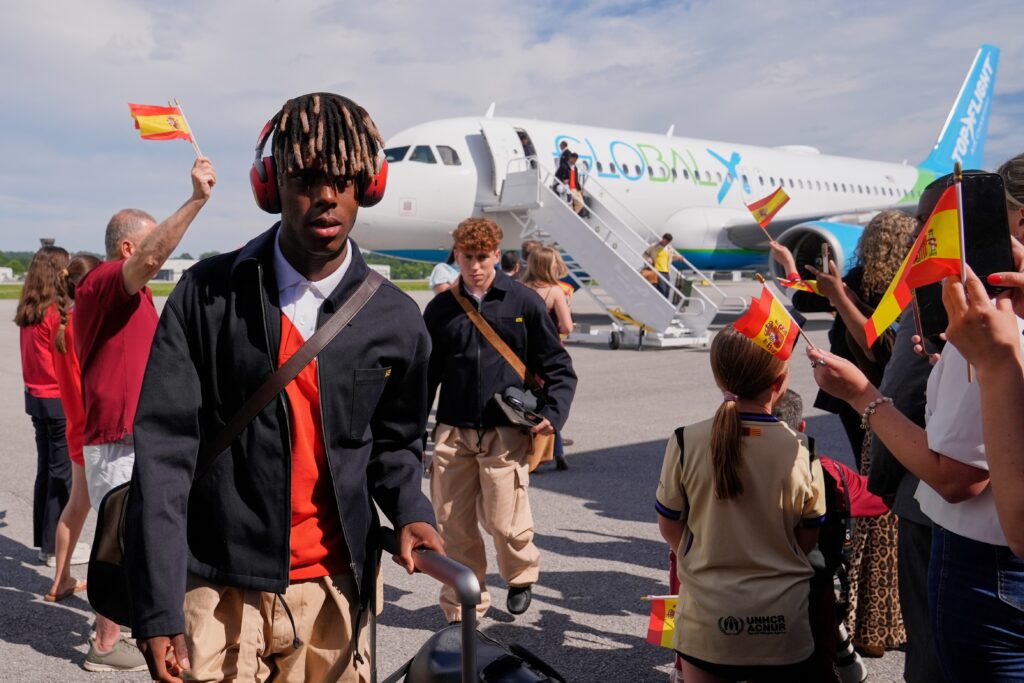
Their first choice was always Spain.
Basque Country does technically have a national team, but the team is not sanctioned by global soccer’s governing body, FIFA, and not eligible for competitions like the World Cup. So for Iñaki, just as it has been for most of Athletic Club’s best players over the years, playing for the European powerhouse Spain, despite his complicated feelings, was the No. 1 option.
In 2015, he was picked for Spain’s under-21 team and played in 17 matches over two years. But he didn’t make the country’s World Cup roster in 2016, and aside from one friendly match with the top national team that year, he was never called up to the national team in the following years.
At the same time, Ghana was starting to recruit foreign-born players with Ghanaian roots. It started showing interest in Iñaki. As the 2022 World Cup approached and playing for Spain appeared less likely, he joined Ghana’s Black Stars, something he was eligible to do because he had never played in a World Cup qualifying match for Spain.
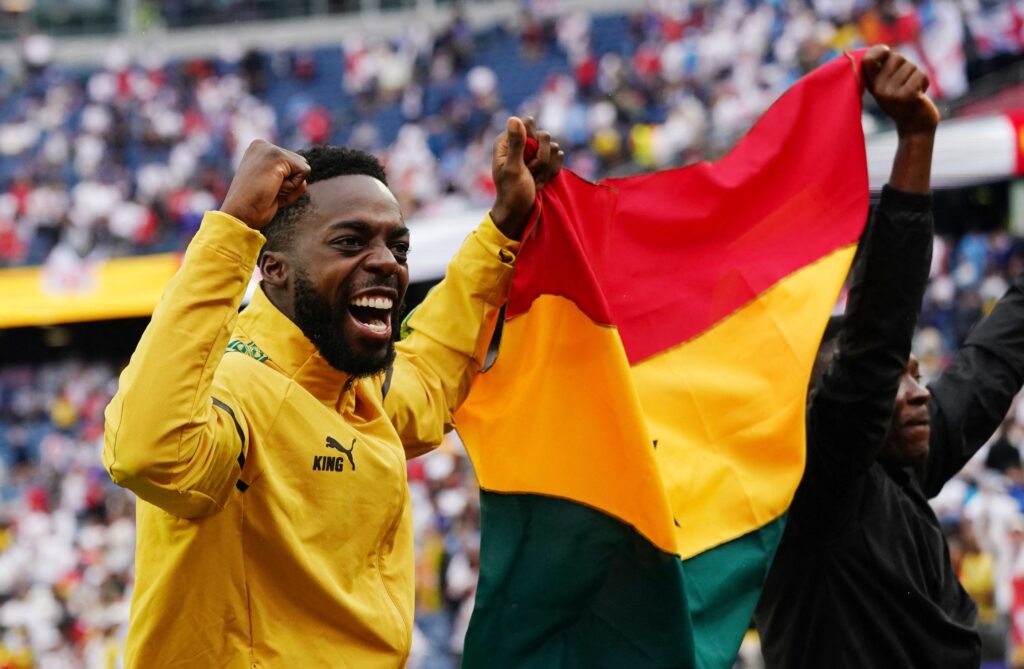
Though many saw the move as Iñaki seizing a chance to play in the World Cup after being rejected by Spain, he has repeatedly said in interviews that he made the decision to honor his parents and grandparents in Ghana.
Nico, with his exquisite ballhandling, had an easier time in Spain’s national team system, playing on the country’s U-18 and U-19 teams. By the time Iñaki decided to take Ghana’s offer, it was clear Nico would probably be on Spain’s World Cup team in Qatar in 2022.
“In the end, I have a lot of roots,” Nico says. “My parents are [Ghanaian] and I am proud of that country. But I’ve lived all my life in Spain and I play for Spain because I think it is more with my values [though] I do have that connection with Ghana.
“My parents have instilled certain values that are usually African, but I live here,” Nico continues. “All my friends are from here; my girlfriend is from here; and when we get together with people, they are from here.”
Bilbao is changing fast. Big wins for Athletic Club are now celebrated by fans from Ghana, Nigeria and Cameroon. The diversity brings a new sense of responsibility for the brothers.
Iñaki says that as Athletic Club’s second Black player and the team’s first Black star, he had to “knock down those certain barriers and destroy certain prejudices.” Nico feels some of the same pressure, though there is now a third Black player on Athletic Club, Adama Boiro (born in Senegal and raised in Pamplona), and each of the club’s academy teams has at least one Black player.
“We have a very strong [responsibility] here,” Nico says.
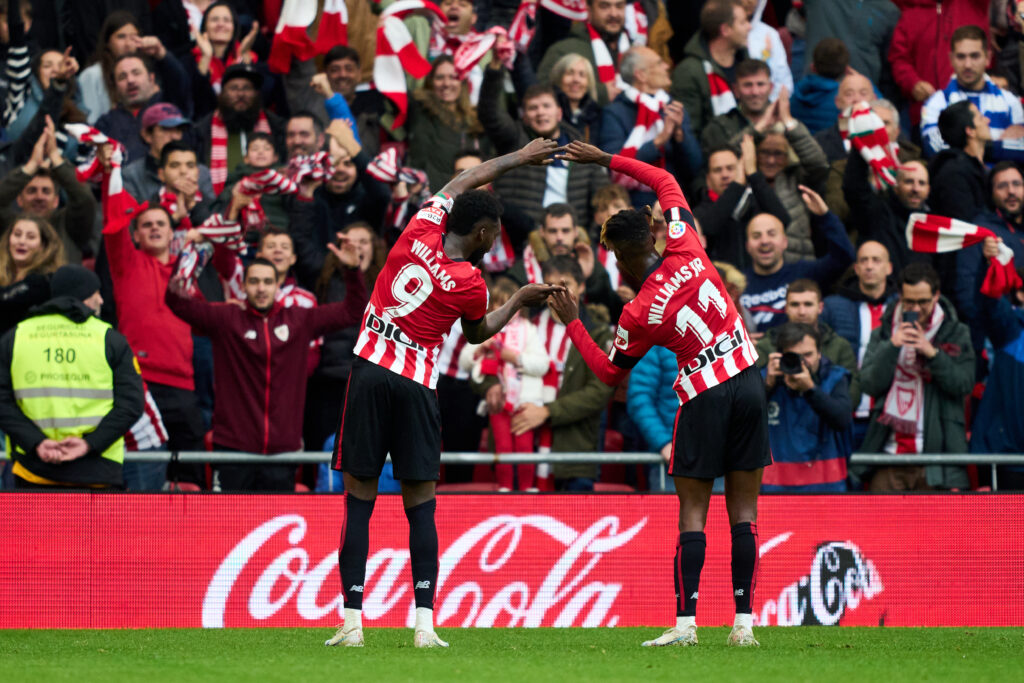
But first comes the World Cup, and Spain’s lofty expectations for Nico (even with his injuries), and the hopes Iñaki can help fulfill for Ghana. Their teams are on the opposite sides of the bracket, so the only way they can face each other is if both countries can make the World Cup final.
More likely, the next time they will be on a field together will be back home in Bilbao, playing for the only club they’ve ever known.
Read more Embolo, Ndoye score and Switzerland moves on at the World Cup with a 2-0 win over Algeria