The National Capital Planning Commission, led by the president’s allies, voted to advance the project near Arlington Cemetery, tabling a height question for later.
Read more Why Michigan is such a big Senate battleground
A federal commission Thursday advanced President Donald Trump’s triumphal arch project after hearing nearly three hours of public opposition, delivering a key win for the president’s hope to begin building the towering 250-foot-tall structure.
The National Capital Planning Commission’s vote does not represent final approval for the controversial project, which would be constructed in Memorial Circle, a traffic roundabout near Arlington National Cemetery. The commission also requested that administration officials and architects provide more information about the project before final consideration, which its chairman said could come in September.
But Thursday’s vote allows Trump’s plan to clear another logistical hurdle, with the president eager to begin construction on the arch — and potentially conclude the project — during his term.
“I think it’s long overdue as something that should be seriously considered in the city,” said Paul Ingrassia, a Trump appointee at the General Services Administration who serves as one of the panel’s commissioners.
The panel voted 8-1 to advance the project, with commissioners who represent the Trump administration and congressional Republicans all in favor of the arch, and one commissioner who represents Washington voting against it. Three more commissioners who represent Washington voted “present.”
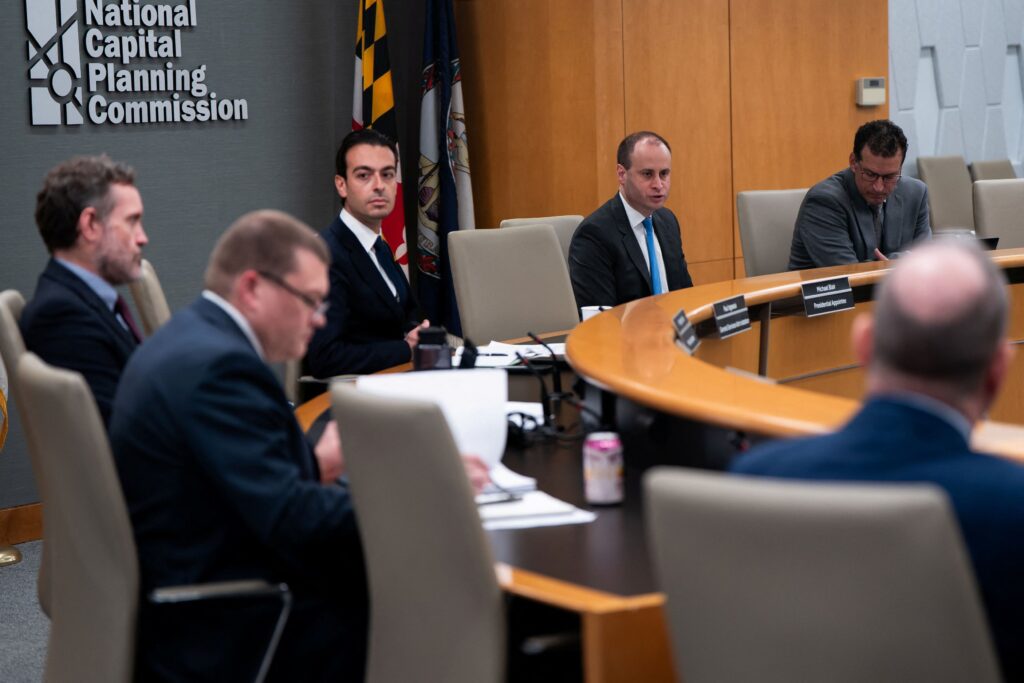
About 30 people — including architects, Washington residents, military veterans and the parents of soldiers buried in Arlington National Cemetery — weighed in before the commission’s vote. Some criticized the commission’s review as too rushed, noting that past proposals to build monuments in the city have undergone more thorough scrutiny.
Others — including Michael Lemmon, a Vietnam War veteran who is suing to block the project — told the commission that Trump’s large arch would disrupt the experience of visiting Arlington National Cemetery and interfere with the intent of nearby monuments.
“Reject this hasty and inappropriate proposal. Respect public opinion and engage in a deliberative design process to ensure that we end up with a fitting memorial for America’s 250th anniversary,” Priya Jain, who chairs the heritage conservation committee at the Society of Architectural Historians, told the commission.
Trump has said that Washington, as the nation’s capital city, deserves a triumphal arch that is larger than other arches around the world, including the 164-foot-tall Arc de Triomphe in Paris. The president and his deputies have also cited a 1925 plan authorized by Congress to build a structure at the site where Memorial Circle is now.
“It was meant to be built for many years,” Trump said in the Oval Office in May, arguing that he has the authority to pursue the project without new congressional authorization. “We don’t need anything from Congress.”
Democrats have disagreed and insisted that the project must undergo congressional review.
Thursday’s vote was not a surprise. Trump has remade the commission’s leaders, installing his staff secretary, Will Scharf, as its chairman and appointing other allies to the panel, positioning his projects for favorable reviews. The commission previously approved Trump’s planned White House ballroom despite significant public opposition.
The commission’s staff members, who include urban planners that are not politically appointed and serve across multiple administrations, recommended Thursday that the administration shrink the arch’s design to comply with the Height of Buildings Act, a federal law that restricts most construction in Washington to a maximum height of 130 feet. The Trump administration and Scharf have separately argued that the Height Act should not apply to the arch and other federal projects.
Read more Sens. Fetterman (D) and McCormick (R) form rare bipartisan fundraising committee
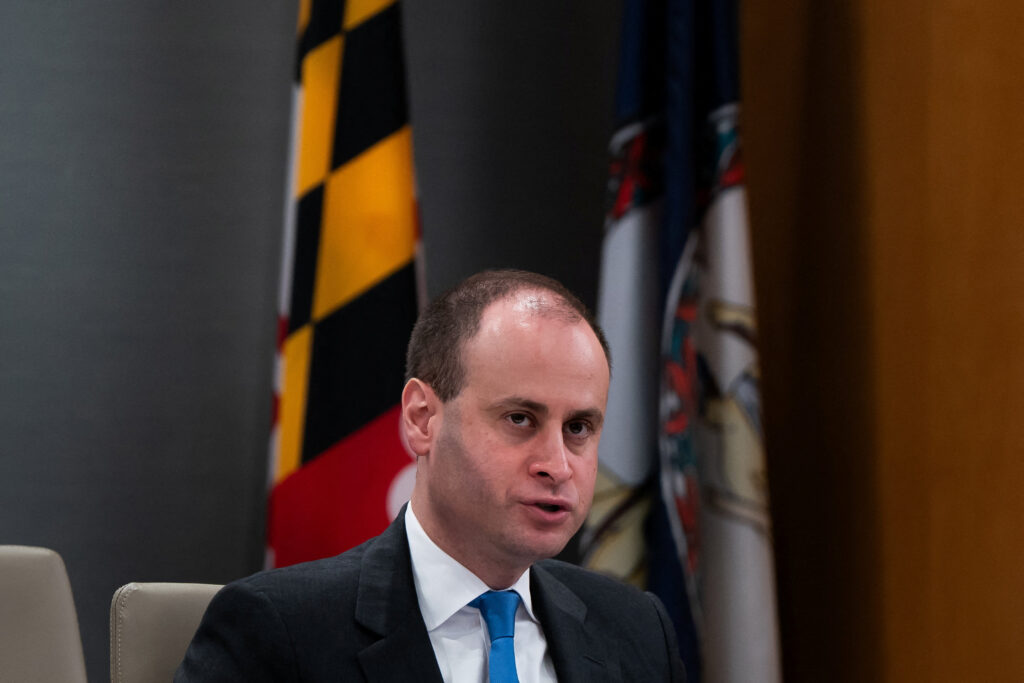
Scharf on Thursday said he found the Trump administration’s argument that the Height Act did not apply to Trump’s 250-foot arch “compelling” and that the commission could resolve the matter at a future meeting.
“My view is that today we are just considering this project for preliminary approval, and that as a result, it’s not necessary for us to take up this broader issue of the applicability of the Height of Buildings Act to federal construction,” he said.
The Commission of Fine Arts, another federal panel packed with Trump’s allies, voted in May to give final approval to the project.
Trump administration officials have declined to specify how much the project will cost or how it will be specifically funded, although have said that they plan to draw on a mix of private and public funds.
The president’s proposed arch has drawn significant public feedback as it has advanced. The National Park Service reported receiving more than 100,000 comments about the project during a 10-day public comment period last month.
Fifty-two percent of Americans oppose the planned arch, compared with 21 percent who favor it, according to an April Washington Post-ABC News-Ipsos poll.
Evan Cash, who serves on the commission as the representative of D.C. Council Chairman Phil Mendelson, was the lone commissioner to vote against the project Thursday. Cash raised several concerns, including whether the Trump administration was attempting to evade congressional restrictions on building monuments, and whether a current or future president should be able to easily build tall projects that change the character of Washington.
“Our skyline didn’t happen by accident,” Cash said.
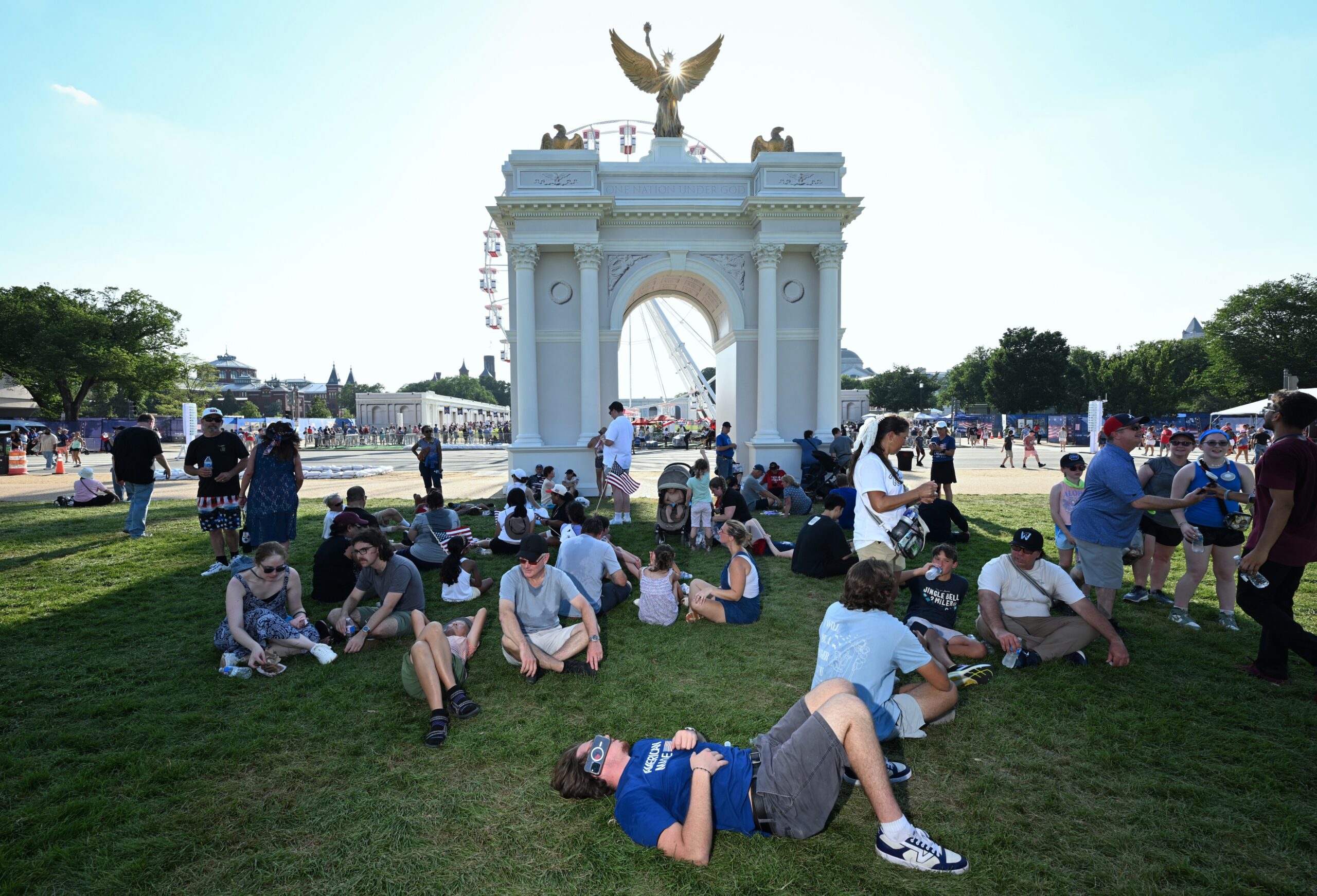
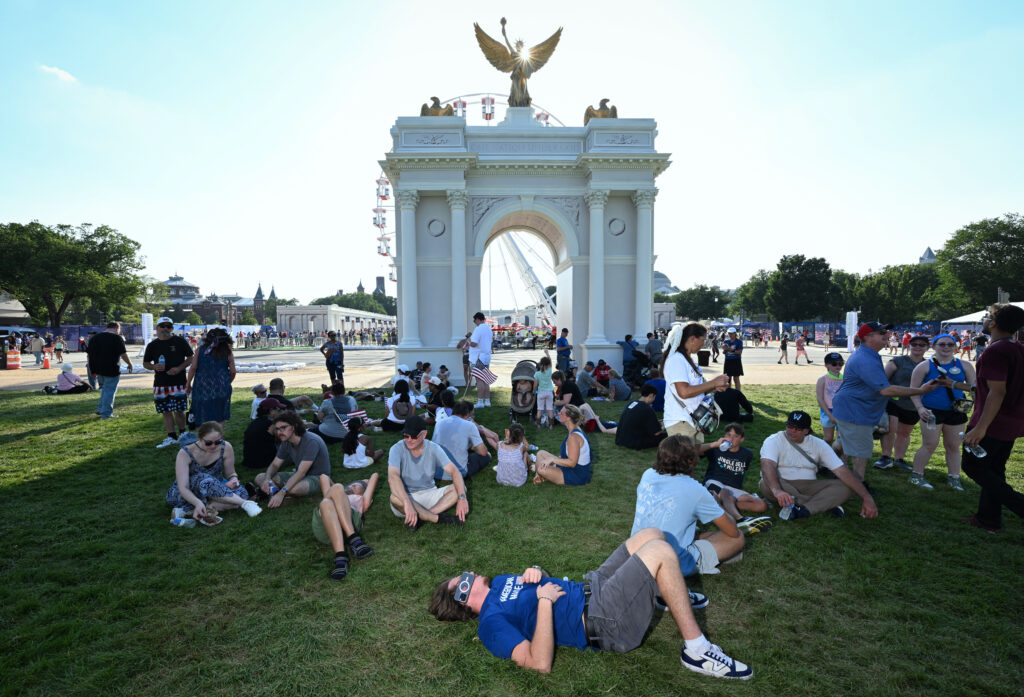
Trump appointees Thursday insisted that the idea was broadly popular. Ingrassia said that a model arch currently displayed at a fair organized on the National Mall to celebrate the nation’s anniversary had drawn positive comments.
“That display was attended by veterans, families, American citizens across the political spectrum,” he said.
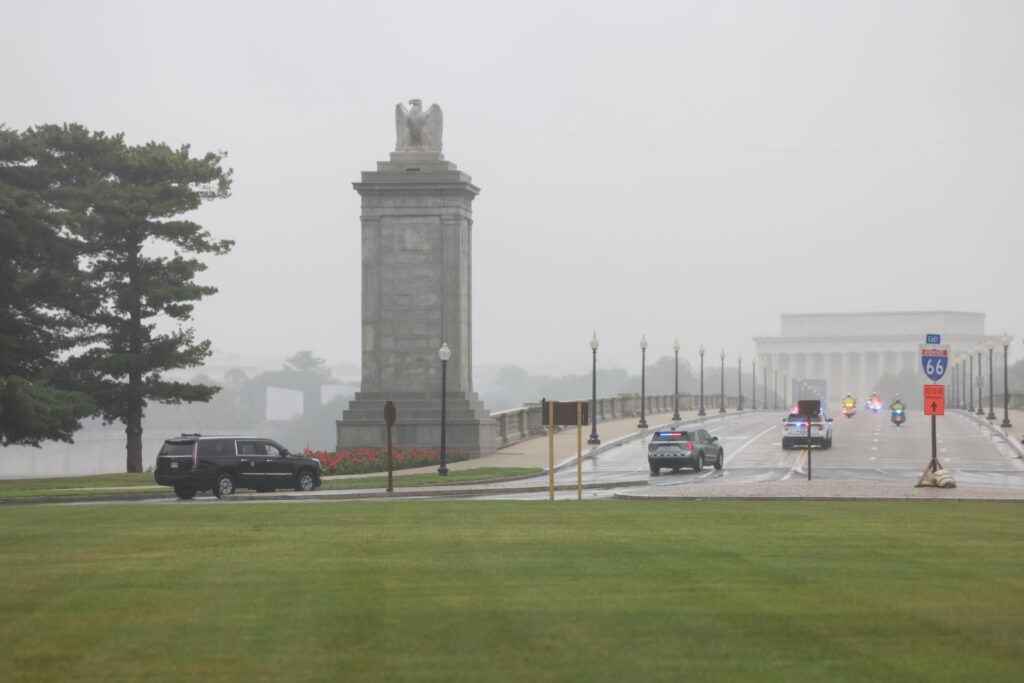
Some commenters Thursday urged the Trump administration to build the arch in a different place, such as a site near Nationals Park. Several commenters also said they felt the current site near Arlington National Cemetery was disrespectful and would be disruptive. The Trump administration is proposing to work on the project for 20 hours per day for up to three years, a pace that could allow it to finish the work before Trump leaves office.
“Under this plan, families would lower their loved ones into the ground to the sound of pile drivers. Taps against concrete pumps,” Linsay Burnett, who said she served with the Army in Iraq two decades ago, told the commission. “We ask our dead for everything. The least we owe them is silence.”
Scharf later said he appreciated those comments and asked the team overseeing the arch to develop “some sort of mitigation plan” so funerals at the cemetery aren’t disrupted by construction.
“This is an example of how public testimony can really inform our commission’s deliberative process,” Scharf said.
Read more Democrats seek a way forward amid finger-pointing in Maine