What it changes about the Senate and November’s midterm elections, and what it doesn’t.
Read more Senate Majority Leader John Thune mourns Lindsey Graham
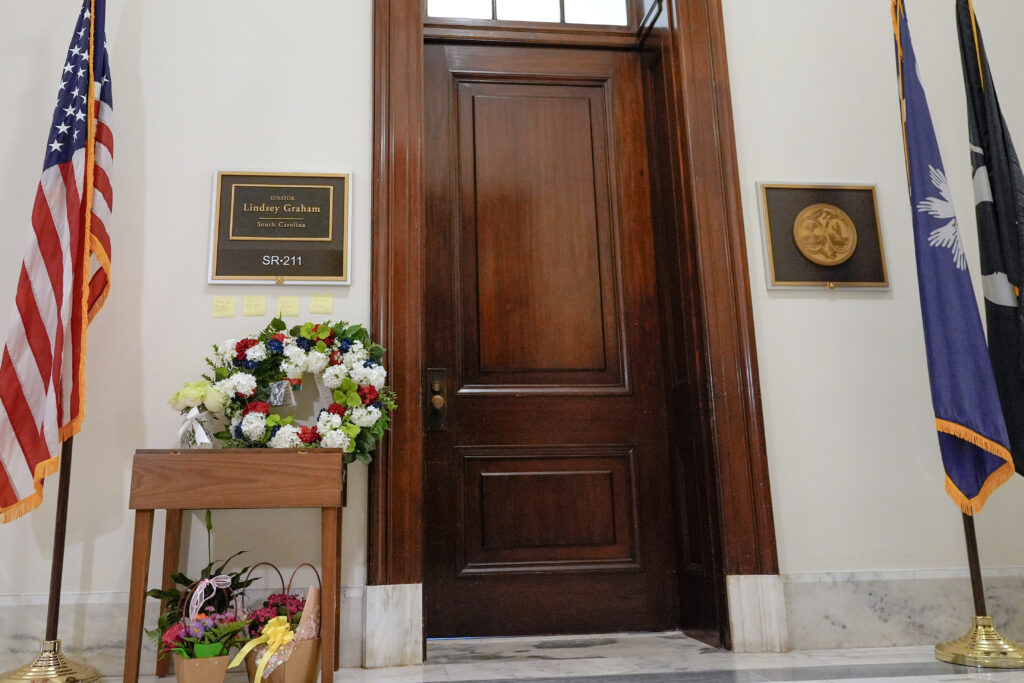
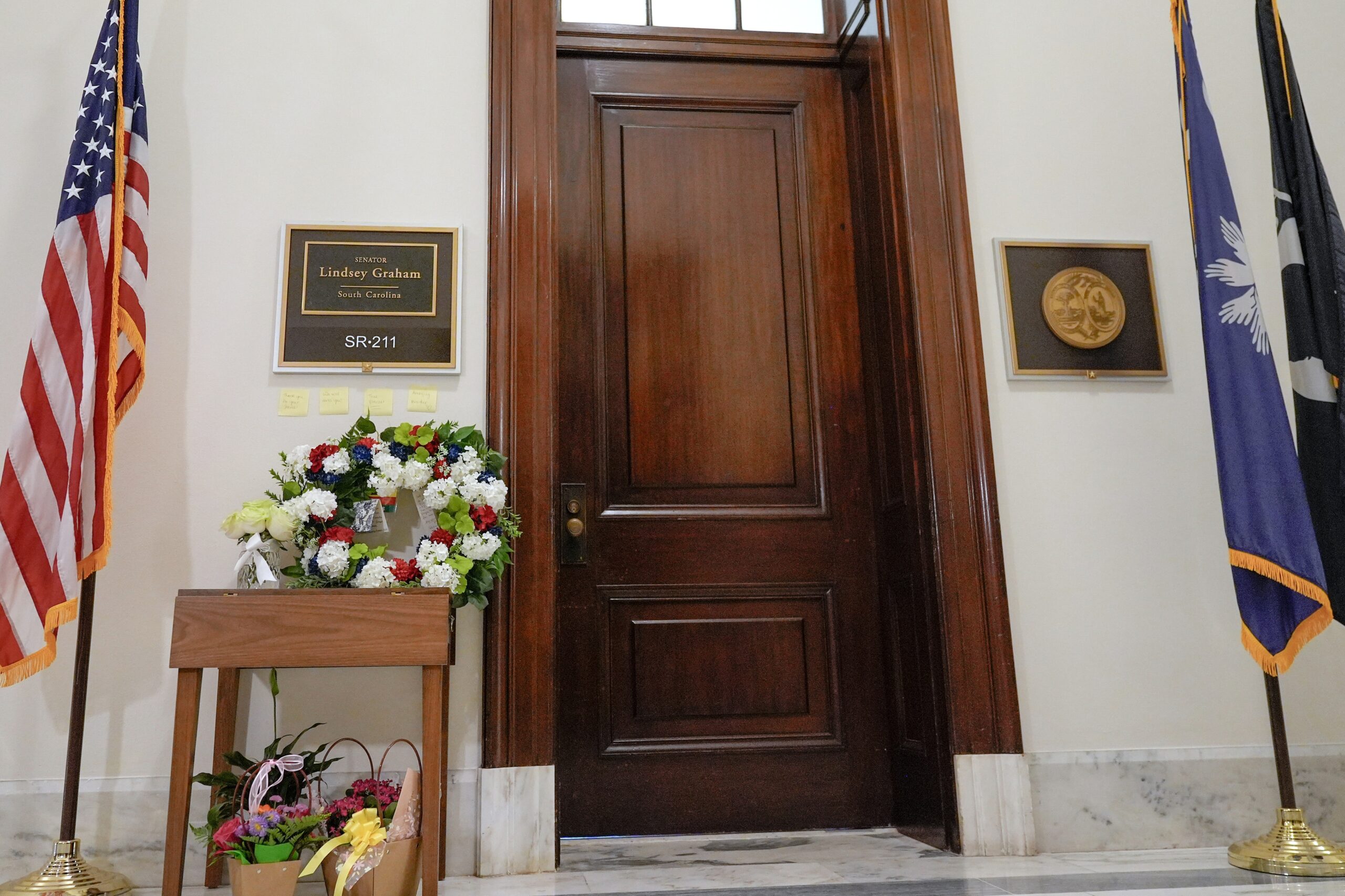
It is rare that a sitting senator suddenly dies in office. And rarer still for it to be such a powerful senator. Lindsey Graham chaired or served on committees overseeing the budget and Justice Department. And he had President Donald Trump’s ear after turning from a fierce critic to all-around supporter.
Graham’s death Saturday doesn’t change which party is in control of the Senate. It could, in the short term, make it harder for Trump and Republicans to accomplish their priorities ahead of crucial elections this November. And Graham’s death, along with the lengthy hospitalization of Sen. Mitch McConnell (R-Kentucky), also underscores an aging Congress that voters say they’re increasingly unhappy about.
Here’s what to know about all this.
There are 100 seats in the Senate, and Republicans have held 53 of them for the first year and a half of Trump’s second administration. That tight margin is now even tighter. With Graham’s death and McConnell’s hospitalization, Republicans are down to 51 votes. But Republicans are moving quickly to get a temporary replacement for Graham sworn in. South Carolina’s Republican governor appointed Graham’s sister, Darline Graham Nordone, who could be sworn in soon.
This is a very busy time for Senate Republicans, who want to show they can govern before a number of them face voters in November in elections that could switch the Senate majority to Democrats.
The Senate still has to approve defense spending, spending for the whole of government (a shutdown in the fall is possible). Republican senators also want to approve Trump’s nominees for major positions in government, including the Justice Department and the head of intelligence agencies, plus take potential votes on cryptocurrency, regulating college athletics and more funding for the war in Iran.
Even when Republicans had a slightly larger majority, Vice President JD Vance has had to serve as a tiebreaker vote, including when three Republicans broke with Trump on his signature tax legislation last summer.
Now they can afford even less dissension. It’s not clear when McConnell will return.
Faced with the possibility of his party losing control of Congress for his final two years in office, Trump is pushing hard for Republicans to pass controversial legislation that would dramatically change how Americans vote in November. It has been stuck in the Senate for a while, where Republicans can’t get past a Democratic filibuster. (A filibuster requires 60 votes to overcome.)
Graham was a big proponent of trying to find a way to pass this legislation, and so Trump just lost a key ally in the Senate.
Read more McConnell took a photo with that day’s newspaper. The internet suspects AI.
“This is a big blow to the Save America Act, let me tell you,” Trump told NBC News over the weekend, saying that he had talked to Graham hours before he died and that Graham had sounded promising on finding a way to get the bill passed.
Foreign policy is where Graham sometimes differed with Trump — and where Graham had a major impact.
The day before he died, Graham was in Ukraine, where he spoke of a promising deal to get the United States to help Ukraine more in its years-long fight to stop Russia from taking over the country.
On Ukraine, Graham was seen as a Trump whisperer who could bring a sometimes skeptical president around to funding Ukraine’s fight against Russia. That’s a bipartisan priority in Washington, but without Graham continually talking to Trump about it, Ukraine’s standing with the U.S. is a little more uncertain now.
South Carolina was not on many Democrats’ radar until Graham died. He easily won reelection six years ago despite polls showing a Democrat running a very close race against him.
But suddenly, his seat is open in a year when Trump is very unpopular and polls show Democrats across the country very motivated to vote. Democrats already have a candidate, Annie Andrews, and there is expected to be a very competitive primary next month for the Republican nominee to replace Graham.
But Republicans still have the strong upper hand in South Carolina. It’s a red state, and Trump is expected to weigh in with his valuable endorsement that could take the competitiveness out of a primary. Democrats have also been focused for months on trying to unseat Republicans in other states to win control of the Senate, including Texas, Iowa, Ohio and Alaska. They’d be starting from ground zero in South Carolina.
Amber Phillips writes The 5-Minute Fix newsletter, a quick analysis of the day’s biggest political news. Send her an email here, or ask a question that could be featured in an upcoming newsletter.