A judge accused the president of abusing the court system to get it.
Did President Donald Trump sue the IRS earlier this year specifically to get tax immunity for himself and his family?
Read more Trump’s helicopter flights to resume from Ellipse, breaking South Lawn tradition
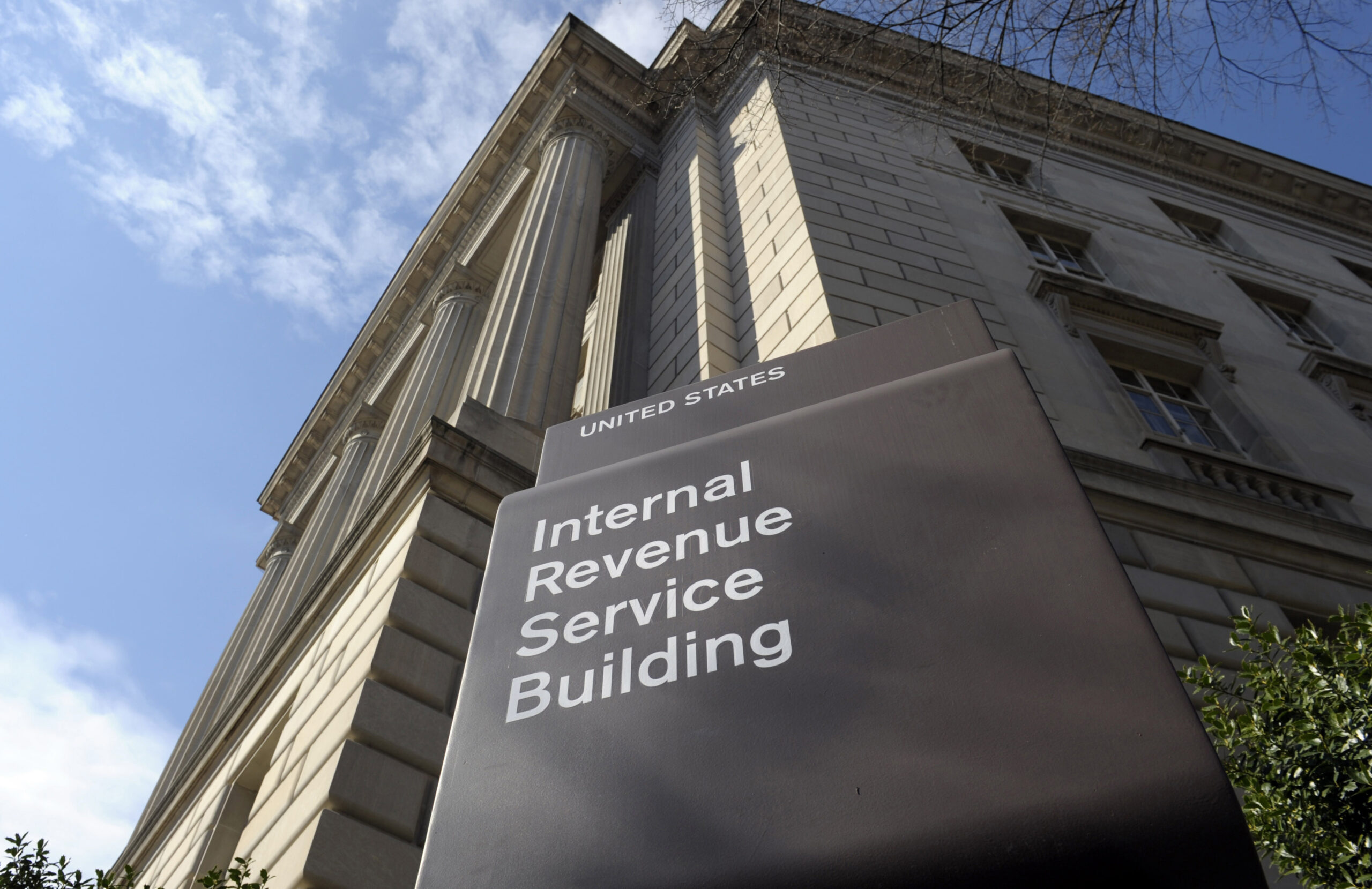
A federal judge raised that possibility this week. Trump yanked his lawsuit against the IRS from her court this spring and made his own agreement with the government he runs in exchange for dropping the lawsuit. Under the terms of the agreement, the IRS would not audit Trump or his family for past tax returns. This is the same deal that created a nearly $1.8 billion fund for alleged victims of politicized prosecutions that drew interest from Capitol rioters.
The judge who oversaw that case while it was in court reexamined it and this week declared that the president’s lawsuit represented an improper attempt to “manipulate” the court process and legitimize a controversial deal. In other words: The entire lawsuit may have been an act of fraud to use taxpayer dollars to benefit Trump and his supporters.
“This was an attempt to use the Court to provide some legitimacy to an agreement to confer immunity to people and entities affiliated with the President and to earmark billions of dollars from American taxpayers to redress grievances not defined in the law,” wrote U.S. District Judge Kathleen M. Williams, an appointee of President Barack Obama. She recommended all the lawyers involved, from Trump’s private legal team to top government lawyers, face sanctions that could include fines or the inability to practice law.
The Justice Department asserts that there was no fraud and that this was a legitimate lawsuit.
It’s one of the most direct legal rebukes against the president in his second term, and it calls into question whether any court would recognize his tax immunity or payments to people who say they were weaponized.
“She said this was basically an abuse of the court system, something that is rarely invoked,” Kimberly Wehle, a professor at the University of Baltimore School of Law, said of Williams.
Here’s what’s going on.
Trump had been seeking as much as $10 billion in damages for the theft of tax filings by a former IRS consultant, who then leaked them to news organizations. That consultant was sentenced to five years in prison.
It was an extraordinary lawsuit to begin with: A president was suing his own government for billions of dollars. Months after filing the lawsuit, Trump dropped it. His legal team and the government announced that, instead, the IRS would “forever” be barred from auditing Trump over tax filings he had made up until that point. That means no audits and no prosecution of potential tax crimes, not just for him but also for his family and their businesses entities, up until the date of the deal.
The agreement immediately raised questions about why Trump would need immunity and whether a president can do this.
“This is a breathtaking abuse of the tax and legal system,” Brandon DeBot, with the independent Tax Law Center at the New York University School of Law, said in a statement when the deal was announced in May.
He has been trading millions in stocks. He has made billions fueled by cryptocurrency. His sons, who are running the family business while Trump is in office, are investing heavily in defense tech as their father’s administration does the same. Presidents are allowed to trade stocks and invest, though they have to disclose some details about it regularly.
Read more E. Jean Carroll gets $5.6 million from Trump verdict, court records show
Tax experts say, in theory, the deal could let Trump get away with having cheated on his taxes and avoid scrutiny.
“It makes you wonder what the President has to hide in those tax returns,” former IRS commissioner John Koskinen told Politico this spring. “… Not auditing his returns is the same as giving him an easy way to, in effect, receive money from the government.”
“There are no conflicts of interest,” White House spokesperson Anna Kelly told reporters in response.
The government also agreed to pay out nearly $1.8 billion to people who claim their prosecutions were weaponized by Democratic administrations. This has long been a goal for Capitol rioters, nearly all of whom were pardoned by Trump on his first day in office.
After a bipartisan outcry that millions of taxpayer dollars could go to people convicted of assaulting police officers and other violent acts, acting attorney general Todd Blanche said that the fund was officially dead. But Trump says he still wants it to go forward, and there are still paths for people to get payouts.
There is legislation that has been introduced by Democrats to ban the weaponization fund and the IRS from giving immunity to Trump, but that’s so far been a hard sell in a Republican-led Congress.
The courts can’t strike down tax immunity for Trump or the weaponization fund. But both deals appear on shaky ground.
This week, Williams made it very clear that her court did not put its imprimatur of approval on these deals. To the contrary, she suggested no court would approve of such deals, undercutting the Trump administration’s arguments that they mirror other government settlements.
Her ruling could make it harder for any payouts or immunity deals to be legitimized in court, legal experts say.
And a future presidential administration could still look into Trump’s taxes.
The Supreme Court has granted immunity to all former presidents — but only for official acts. “It’s hard to argue cheating on your taxes is an official act,” Wehle said.
Amber Phillips writes The 5-Minute Fix newsletter, a quick analysis of the day’s biggest political news. Send her an email here, or ask a question that could be featured in an upcoming newsletter.
Read more Trump plans prime-time speech on 2020 election allegations