International soccer has provided flashes of pride and solidarity, and an antidote to everyday suffering.
Read more Qatar was Messi’s coronation. This World Cup is his masterpiece.
BEIRUT — Under the shadow of war that hangs over the Middle East, this summer’s World Cup has provided flashes of diversion, pride and solidarity.
On the banks of the Tigris River in Baghdad, dozens of people gathered last month, amid the ongoing U.S. and Israeli war with neighboring Iran, at the Babylon Rotana Hotel to watch Iraq make its World Cup return for the first time in 40 years, to the sound of cheering and bubbling hookahs.
“We have lived through wars, sanctions, occupation, terrorism and endless conflicts,” said Hussein Mohammed, 45, a dentist who was a child when Iraq made its last World Cup appearance in 1986. “That’s why Iraq’s return to the World Cup is not just about football. It is a message that the country still exists and is capable of rising again.”
A record eight Arab teams — Algeria, Egypt, Iraq, Jordan, Morocco, Qatar, Saudi Arabia and Tunisia — qualified for this year’s World Cup in North America, alongside those of other Muslim-majority nations including Iran, Senegal and Uzbekistan. Despite none of these teams making it to the semifinals, for many in the Middle East, that was hardly the point, and the competition has served as an antidote to everyday suffering.
Because of the time difference, watch parties have been nighttime affairs, with many gathering in hookah cafes.
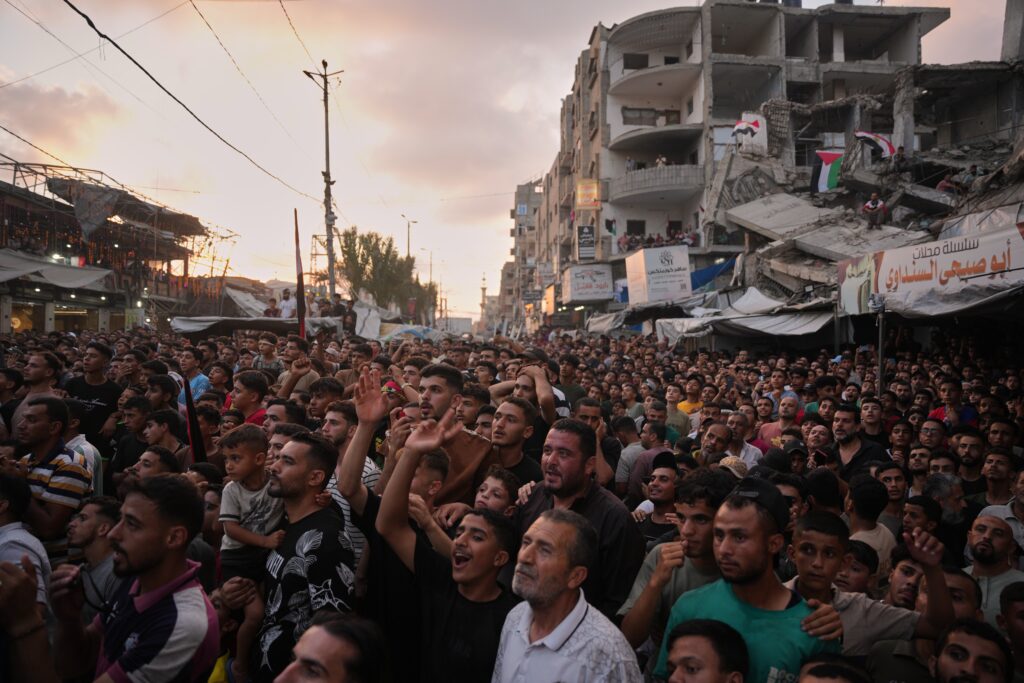
The cafe has become a community hub where people gather to watch the games. To make sure the watch party runs smoothly, Arafat relies on a private generator connection to power the large-screen TV, but outages sometimes interrupt matches.
“Before the war, broadcasting football was simple,” he said. Now, Arafat said he worries power cuts will break the TV and refrigerator, and “every day is about finding ways to keep the business running.”
The Israel-Gaza war has impoverished most of Gaza’s population and cafes like Arafat’s are a splurge for those who can still afford them.
“Watching football helps me forget the difficult reality here in Gaza, even if just for a while,” said Mohammad Salman, 76, from Tel al-Hawa in Gaza City.
Tareq Al-Jadba, 26, said he wished he could watch the matches from home but is unable to because of the electricity shortage. He ventures out to cafes when he can, weary of the “risks of nearby strikes or sudden danger.”
In Israel, support for Argentina is widespread heading into the final. There’s a political element: Argentine President Javier Milei is a strong supporter of Israel, while Spanish Prime Minister Pedro Sánchez is an outspoken critic.
Read more For $50,000, they watched the whole World Cup in Times Square. Was it worth it?
International politics also crept into the games in other ways this year. Iranians gathered at screenings to watch their national team compete in the first World Cup in which a host country was at war with a participant. Iran’s soccer federation complained about the team’s treatment after it was made to stay in Mexico even after scheduled games in the United States.
Algeria’s team, on the other hand, received a warm welcome in Lawrence, Kansas, that was praised by fans and in the Algerian media.
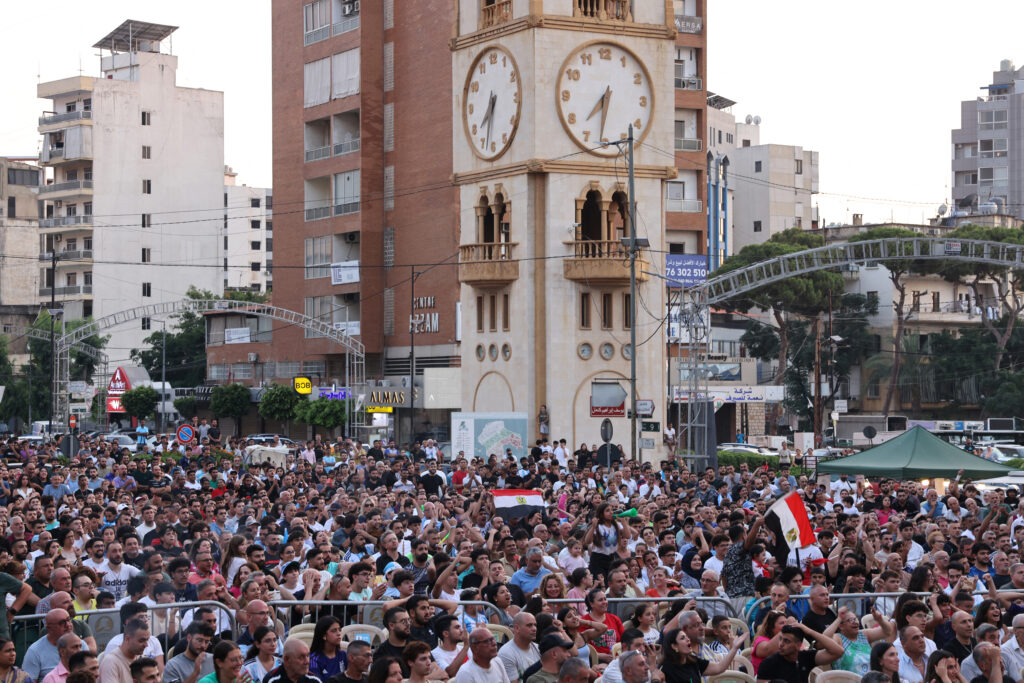
In Lebanon, which has been reeling from months of war between Israel and Hezbollah that has left thousands of people dead and hundreds of thousands displaced, driving civil strife, people leave their political differences at the door while the games are on.
Cheers can be heard across Beirut when major teams score followed by small victory motorcades in the streets.
At one hookah cafe, Graciela Kair, 25, wrapped in a Brazilian flag, said she threw her support behind the country owing to her Lebanese-Venezuelan heritage: “Since Venezuela and Brazil are neighbors, I have to be loyal and back the Brazilian team,” she said.
William Dobson, a British pub owner in Beirut, said there’s been less fervor around the World Cup compared to past cycles. “I think the disruption from the war and the last three years in general has left an exhausted population,” he said. Soccer “recedes into the background in the face of sheer exhaustion.”
Amid the hostilities, inflation crept up and unemployment soared, government and United Nations figures show, forcing many to spend less on nights out.
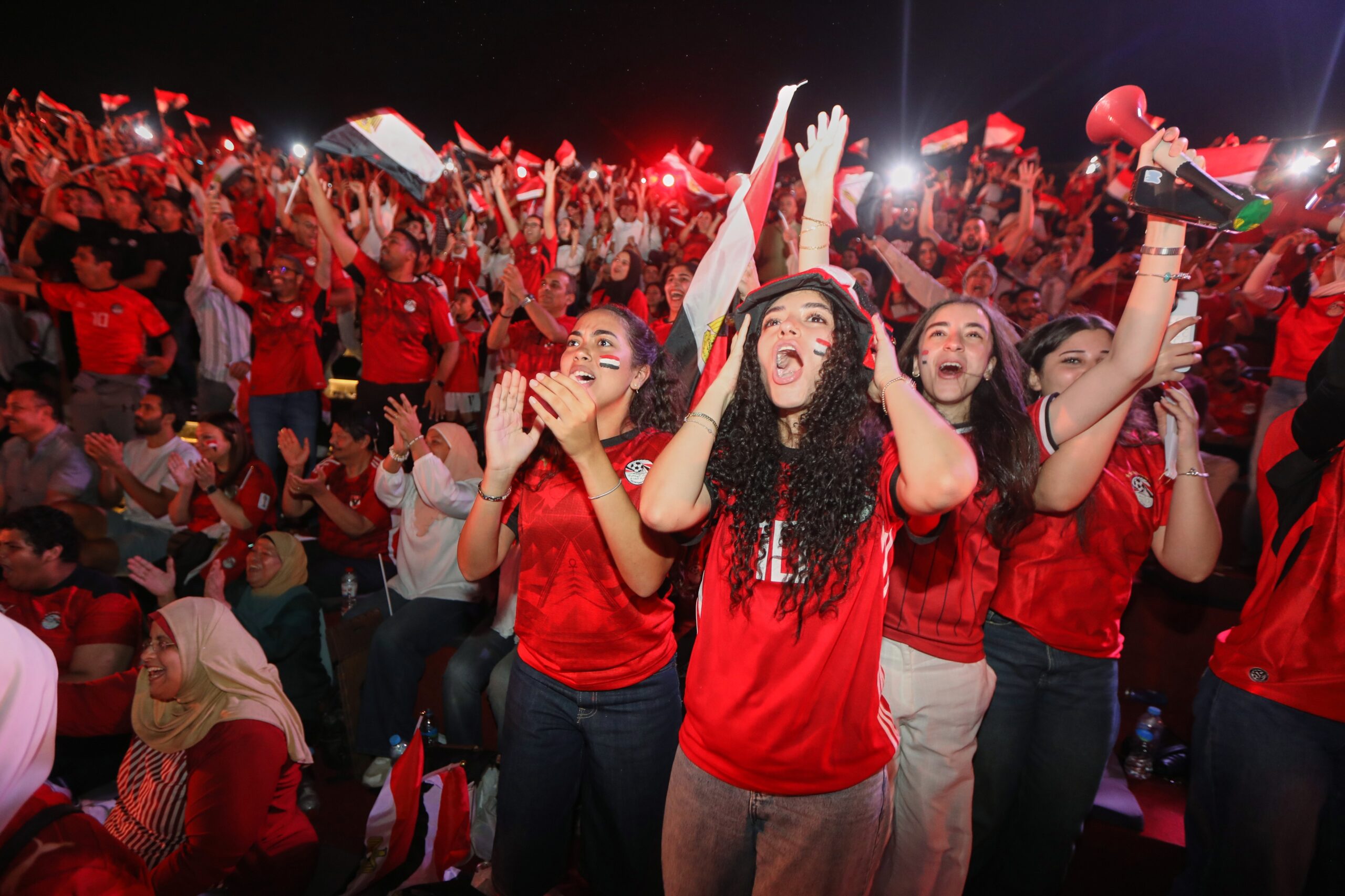
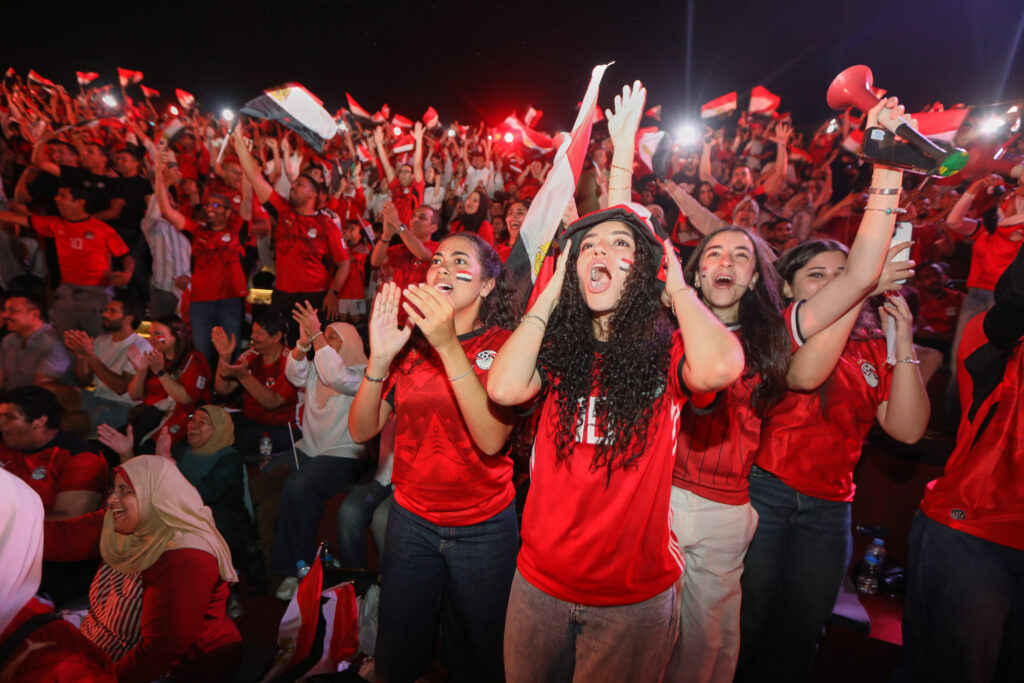
But when Egypt took the field against Argentina earlier this month, for patrons of Dobson’s Black Sheep pub, all that faded away.
At the same time, in Gaza, hundreds of fans who could not afford cafes watched the match outdoors between mountains of wreckage, hoisting Egyptian flags between buildings and piles of rubble.
“A football match concerning our brothers the Egyptians concerns us more than any other country,” Arafat said.
Even though no Arab team made it to the semifinals, for many fans like Saad Abdul Amir in Iraq, making it to the games is a victory in itself. “We are looking for a collective moment of pride — a moment that makes Iraqis feel they are part of the normal world again,” he said.
Read more Voters are struggling to keep up with Iran war’s twists and turns
Shamalakh reported from Cairo and Salim from Baghdad.