Audio of Joe Biden’s interviews with a ghostwriter in 2016 and 2017 show him referencing classified materials and occasionally struggling to recall details.
Read more Despite vow, Trump didn’t seek to reverse ruling on birthright citizenship
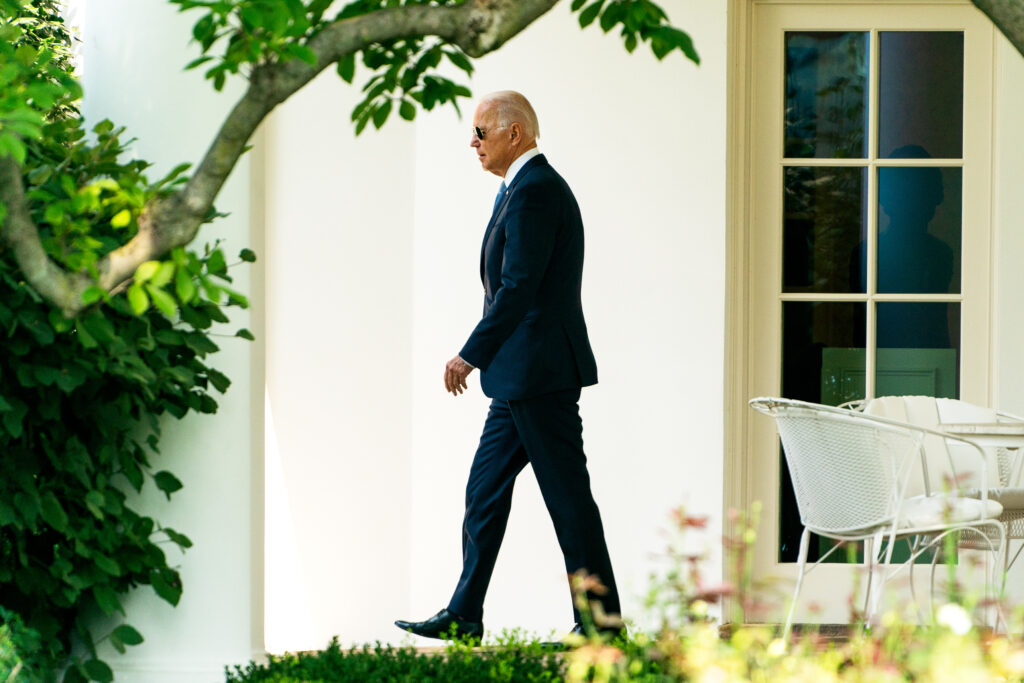
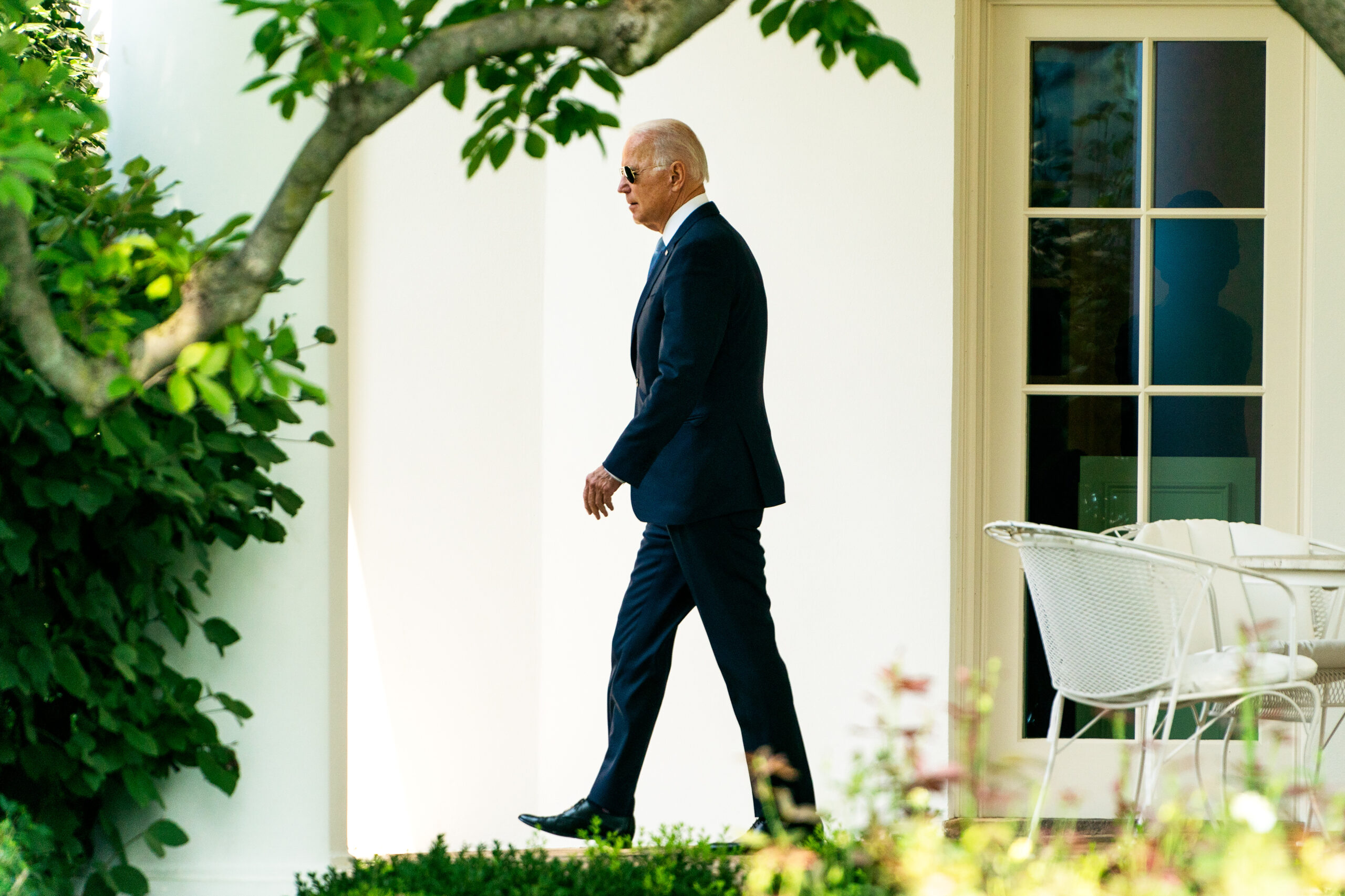
Conservative activists released recordings of Joe Biden’s conversations with his memoir ghostwriter in 2016 and 2017, casting it as evidence that the former president’s mental sharpness was declining years before the public became aware.
But the audio, obtained after a lengthy legal battle, offers a more nuanced portrayal of Biden in his last year as vice president and first year out of office. At times, he struggled to recall some names and dates of events from years earlier or lost his train of thought. In other instances, he offers vivid details about old meetings.
The audio was part of a high-profile 2023 special counsel investigation into Biden’s handling of classified materials. The counsel found that Biden disclosed classified materials to ghostwriter Mark Zwonitzer, but that the evidence did not warrant prosecution.
Previously released transcripts and audio of Biden’s interview with special counsel Robert K. Hur in 2023, when Biden was 80, raised concerns about the former president’s memory and cognition. Hur described Biden as “an elderly man with a poor memory” who could not recall certain key details, including the year his son Beau died. Audio of that interview released in 2025 showed Biden speaking slowly, often with long pauses and widely meandering answers.
The Heritage Foundation, a conservative think tank, had sought more audio gathered for Hur’s investigation. It submitted a public records request and then sued for the recordings related to Biden’s 2017 memoir, claiming that they were evidence of his cognitive decline. Heritage prevailed after Biden halted his legal challenge, allowing the group to release several hours of audio and corresponding transcripts on Monday.
“These tapes have so many pauses and ‘ums’ that it sounds like Biden is buffering like a dial-up Internet connection,” Mike Howell, president of the Heritage Foundation’s Oversight Project, said in a statement.
When asked to respond to the conservative backlash to the recordings, Biden spokesman TJ Ducklo pointed to a statement calling the release of the tapes another example of the Trump administration “weaponizing the DOJ for political retribution.” He added that the tapes were originally turned over to the Justice Department under the condition that they would stay private.
The interviews between Biden and Zwonitzer were recorded as the pair worked on “Promise Me, Dad,” a 2017 memoir chronicling how Biden navigated the vice presidency and the death of his elder son Beau.
During the recordings, Biden appears to share potentially classified information and, at times, struggles to recall some details while his ghostwriter can be heard scribbling notes in the background. Of the 117 pages of transcripts, several are heavily redacted. But the rest are transcribed in full and cover a number of topics, primarily foreign policy.
In a heavily blacked out portion from February 2017, Biden appears to be discussing a diary entry about a security council meeting, part of which he said is classified. Shortly after, he tells Zwonitzer that he “just found all the classified stuff downstairs.”
Read more Air Force will rename Charleston base after Lindsey Graham
Biden occasionally could not recall names and other details. He at times relied on Zwonitzer or his own notes to jog his memory.
In an April 2017 conversation, Biden said he “should write the names down because I keep forgetting them.”
In other moments, Biden clearly described events, naming the people he spoke with and the details of what happened.
In a November 2016 conversation with Zwonitzer, Biden named all the lawmakers he called about various projects in a single day.
Later in that exchange, he began talking with his ghostwriter about “the non-classified” part of his discussion with President Barack Obama.
That conversation later led to Biden detailing some of his deliberations about a 2016 presidential bid. Ultimately, Biden said he decided not to run, in part because he and his allies worried that he did not have a meaningful chance at winning the nomination.
Even though the newly released tapes are not as jarring as Biden’s verbal stumbles during his presidency, they bring back memories that some Democrats want to suppress.
The former president’s halting performance in a 2024 presidential debate sowed doubt about his mental state and decision to run for reelection, a spiral that eventually led to his exit from the race and a devastating loss for the Democratic Party.
More recently, the release of former first lady Jill Biden’s book and the upcoming post-election release of Joe Biden’s next book have left some Democrats feel uneasy and worried about reopening wounds from the party’s 2024 failures.
Read more Republicans’ midterm problems