In today’s edition … We ask you about a delicate Senate dance in Montana … Fauci pleads the Fifth … but first …
Read more Trump’s support for Graham’s sister stirs GOP backlash in South Carolina
The election for Montana’s next senator is, of course, in November.
But many Democrats in the state and nationally believe the race could be decided months earlier, on Aug. 10, the deadline for candidates — including the underfunded Democrat — to drop out.
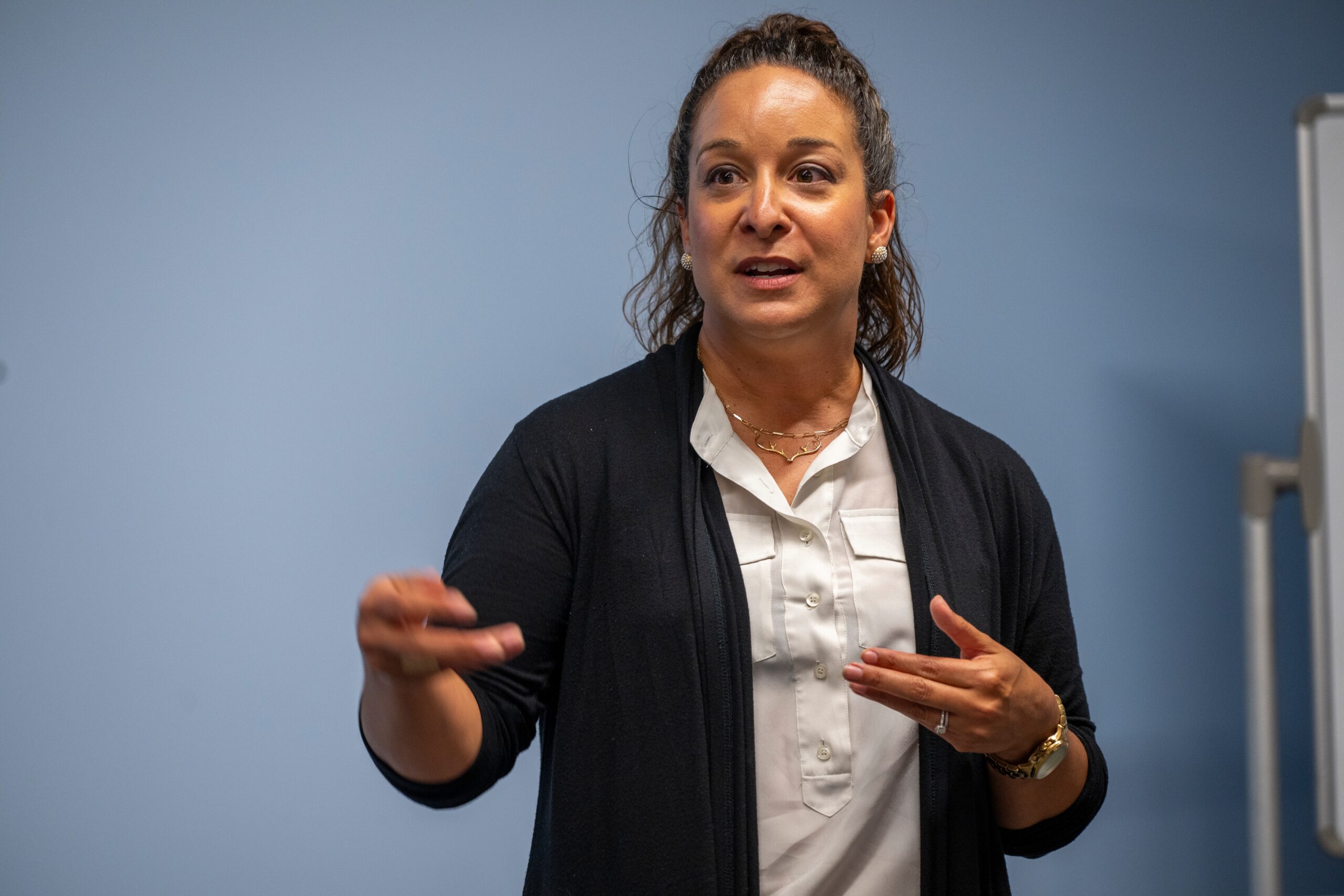
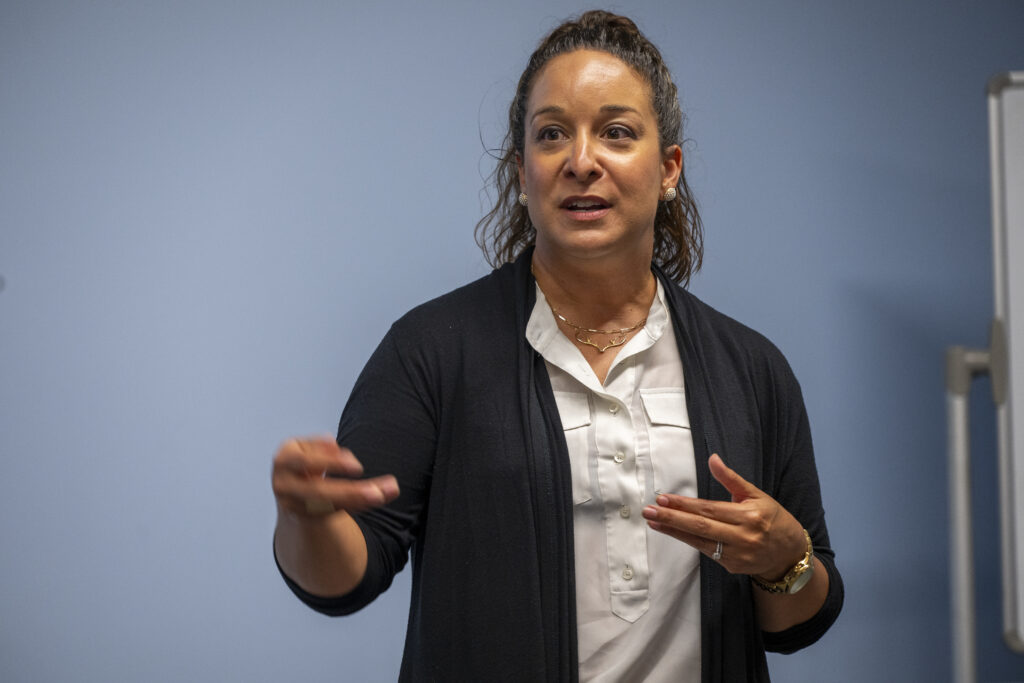
“If she doesn’t get out, it’s done,” a top Democratic operative working on Senate races said of Alani Bankhead, the party’s nominee in the race.
Here is how we got here: Retiring Sen. Steve Daines (R) withdrew from his reelection campaign minutes before Montana’s filing deadline and immediately endorsed Kurt Alme, the state’s U.S. attorney, who had filed moments earlier. The timing left Democrats no chance to recruit a stronger candidate in response. Bankhead, a little-known Air Force veteran, later won the Democratic nomination.
Most Democratic hopes of denying Alme a win now rest with independent candidate Seth Bodnar, a former University of Montana president. Many Democratic operatives see Bodnar as more competitive. He has also raised millions — more than Bankhead and Alme combined.
Here’s the issue: Bankhead isn’t going anywhere — and is blaming Bodnar for this dynamic.
“I am going to stay in the race no matter what,” Bankhead told me, adding that she is comfortable with continuing her run even if doing so makes things easier for Republicans.
“I won a primary with 48,000 votes. Seth didn’t. He could have run as a Democrat, and he probably would have won, but he chose not to do that. … The split vote is ultimately his problem to fix because it’s his problem that he created.”
Abigail Tracy, a spokesperson for Bodnar’s campaign, said that he is “building a coalition to win in November” and rejected Bankhead’s suggestion that he is attempting to deny the will of Montana’s primary voters.
“There is one person and only one person doing backroom deals to subvert the will of the voters, and that’s Kurt Alme,” said Tracy.
National Democratic operatives say Bankhead’s decision will probably determine whether the party continues to treat Montana as a viable pickup opportunity.
“If she doesn’t clear the way by August 10, then we are forfeiting this seat to Donald Trump before the race even starts,” said Jesse Ferguson, a longtime Democratic operative. “Staying in isn’t neutral. It is a decision to take Montana off the board.”
The Democratic Senatorial Campaign Committee has also rejected Bankhead, who has complained about the party’s lack of support. “The DSCC partners with viable campaigns who have a path to victory, which Ms. Bankhead does not,” committee Executive Director Devan Barber told us.
So, yeah, a little awkward.
There is a belief among national Democrats that any pressure campaign from the national party would not only fail but probably backfire. And Bankhead said “zero” Democrats have asked her to get out, including former Montana senator Jon Tester, arguably the most powerful Democrat in the state before his reelection loss in 2024. Tester did not respond to our request for comment.
Jim Messina, a top adviser to former president Barack Obama whose career began in Montana, said he had not talked with Bankhead but was confident that she “knows better than anyone what it means to put the mission first” because she is a veteran.
“A lot of us in Montana, me included, hope she makes that call” and ends her campaign, Messina told us. “She isn’t a serious candidate.”
The response from Montana Democrats appears more nuanced.
The Daily Montanan reported this month that 17 state lawmakers signed a letter to Bankhead and Bodnar asking for one of them to drop out and unite against Alme. And Shannon O’Brien, chair of the Montana Democratic Party, who pledged to us earlier this year to back whomever the Democratic nominee was, voiced support for Bankhead to the Billings Gazette this month, echoing Bankhead’s own talking point that the party “will not subvert the decision that almost 50,000 Montanans” made in the primary.
Read more Schumer pitches new federal agency to investigate corruption
But O’Brien told us yesterday that the party is “having internal discussions about the best way to achieve the goal of defeating Alme and defeating the Republicans,” including about what to do if Bankhead drops out, and that they have been “coordinating with legal counsel” on how to approach the issue.
“Alani is going to have to make a decision. Or Seth is going to have to make a decision. And we will be responsive to that,” she said. “That is why we are preparing for any scenario.”
Bankhead’s withdrawal would not automatically clear the field for Bodnar, either. Under Montana law, the state Democratic Party would be required to name a replacement nominee. And Montana Secretary of State Christi Jacobsen, a Republican, told Semafor: “That’s the law, not a suggestion. We’re not interested in political games.”
So why does this all matter?
Republicans hold 53 Senate seats, compared with 47 for Democrats and independents who caucus with them. To win control, Democrats must protect vulnerable seats in states such as Michigan and Georgia and net four Republican-held seats, with opportunities in North Carolina, Maine, Ohio, Iowa, Alaska and, yes, Montana.
If Montana is removed from the Democratic board, that path only narrows, putting more pressure on some of those reach states for the party. And there is a widespread belief that if Bankhead stays in the race, Republican money will look to boost her in the general election as a way to cut into Bodnar’s better-funded campaign.
Bankhead, presented with that line of thinking, said it is just plain wrong.
“The Democrats that you’re talking about are a very small number of OG elites who led the party into a bunch of losses,” she said. “If money mattered, Tester would have won because he raised more money. … If polls mattered, Hillary would have won.”
Anthony S. Fauci, the doctor who helped steer the country through the coronavirus pandemic, repeatedly invoked his Fifth Amendment rights during a Senate hearing Wednesday, after he was subpoenaed to appear before the Senate Homeland Security and Governmental Affairs Committee, chaired by longtime Fauci adversary Sen. Rand Paul (R-Kentucky).
It’s been a dramatic few days for Fauci after Paul, ahead of the hearing, released more than 1,000 pages of Fauci’s personal records, including a diary that contained his musings about President Donald Trump, how quickly his fame rose during the pandemic, and the interactions he had with celebrities like Barbra Streisand and Julia Roberts.
The hearing was undoubtedly awkward. Our colleagues Dan Diamond and Anna Liss-Roy reported that Fauci told the committee that it “pains” him to invoke his constitutional right against self-incrimination. But he alleged that Paul was wrongly seeking to trap him in a misstep that could lead to perjury charges, despite the preemptive pardon he received from President Joe Biden in 2025.
Where this goes from here is why this story is worth watching.
Paul said after the hearing that the committee plans to vote next week on whether to hold Fauci in contempt of Congress over his invocation of the Fifth Amendment.
This sets up a very interesting legal question, given Fauci’s pardon — and a preview of what Trump officials could face in the coming years. Trump has reportedly told people that he plans to offer mass pardons to White House staff when he leaves office at the end of this term. “I’ll pardon everyone who has come within 200 feet of the Oval,” Trump said, according to a report from the Wall Street Journal.
Those pardons might not necessarily stop the next Congress from getting access to former Trump officials. What happens with Fauci in the coming weeks could set up the possibility that, even with pardons, former Trump officials could face legal scrutiny in the future.
Virginia Monitor: A lot has been made of the new Democratic primary map, with South Carolina going first, followed by Nevada. But the most interesting addition could be Virginia, which is now on track to be the sixth and final early state, a move that could make the complex Southern state more important in Democratic politics.
Stateline: A new report finds that the undocumented immigrant population in the United States was around 15.8 million in 2024 but is likely to have dropped in recent years because of President Donald Trump’s hard-line immigration policies.
Philadelphia Inquirer: You are being watched. Well, at least at the Liberty Bell. The historic site has set up a new live stream to increase access to the bell, but that live stream has also raised serious questions about safety and privacy.
We wanted to ask you about Montana’s Senate race. We wrote above about the awkward moment the party’s Democratic ecosystem is going through. If you were a Democrat, would you support the Democratic candidate full stop, or would you back the independent who mostly aligns with your values and could have a better chance to win? That is our question for you: What should Montana Democrats do? Let us and your fellow Early Brief readers know at [email protected].
Read more Bullpen struggles again, and Nationals drop series to Blue Jays
Thanks for reading. You can follow Dan on X at @merica.