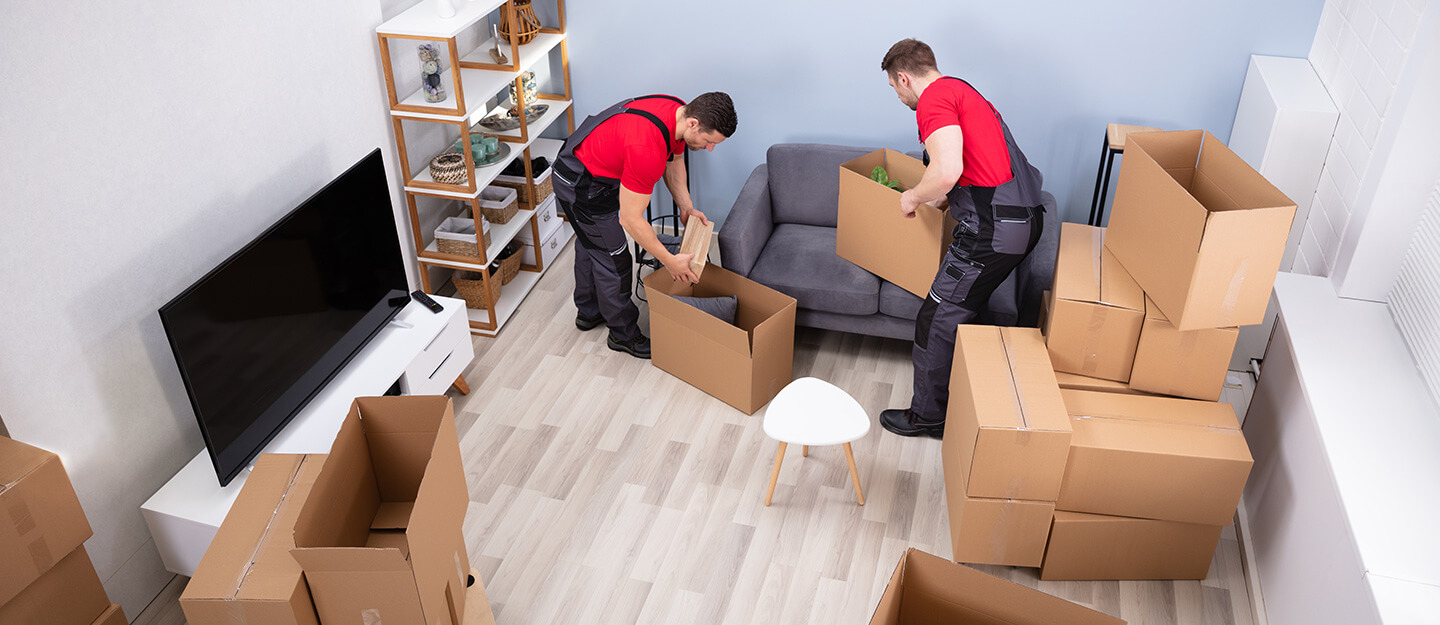
A household moving to Hawaii may have years of furniture, boxes, appliances, and personal belongings to transport, but available shipment space is not unlimited. Good organization therefore starts before loading day. Movers need to understand the volume of the household, identify pieces that consume significant space, and arrange everything so the available capacity is used sensibly.
For families planning this type of relocation, https://hawaiimovingservices.com/ can be reviewed when exploring professional assistance and preparing the transportation stage.
Build the Shipment Around the Largest Items
Large furniture usually determines much of the initial loading strategy. Sofas, wardrobes, beds, dining tables, cabinets, desks, and substantial appliances can occupy considerably more space than ordinary cartons.
Identifying these pieces first gives movers a practical starting point for organizing the rest of the household.
Measure Before Loading
Dimensions matter just as much as the number of items. A tall wardrobe, for example, may require a different position from a wide sectional sofa.
Customers should provide information about unusually large furniture before pickup so the moving team can account for it when developing the loading arrangement.
Use Boxes Consistently
Boxes can be surprisingly important when available shipment space is being organized. Irregular cartons can create awkward gaps, while oversized or overloaded boxes may be difficult to handle.
Using appropriately sized containers makes stacking more predictable.
Think About Contents as Well
Two boxes with identical external dimensions can have very different weights. Books, tools, cookware, and other dense belongings should not automatically be treated the same way as clothing or bedding.
Mainland to Hawaii Movers need to understand both the physical size and general characteristics of the shipment when planning how household goods should be positioned.
Consider Furniture That Can Be Reduced in Size
Some household furniture can be partially dismantled before transportation. Removing table legs, shelves, bed components, or modular sections can make certain pieces easier to organize.
However, disassembly is not appropriate for every item.
Keep Components Together
When furniture is dismantled, its hardware should remain clearly associated with the correct piece. Labeled bags or containers can prevent screws, brackets, and fittings from becoming mixed with unrelated household goods.
This also simplifies reassembly after delivery.
Make Use of Available Height
Shipment organization is not only about the floor area. When appropriate, household goods can be arranged vertically to make better use of the available space.
Lighter boxes may fit above or around larger furniture, while heavier items can be positioned in locations that provide appropriate support.
Efficiency Should Not Compromise Protection
An empty gap is not automatically wasted space if filling it would put fragile belongings at risk.
Glass, artwork, electronics, polished furniture, and other delicate possessions require suitable protection. A good loading arrangement balances capacity with safe handling.
Identify Items That Need Special Attention
Some household goods require more planning than ordinary cartons.
Pianos, large mirrors, glass furniture, safes, oversized exercise equipment, antiques, and specialty appliances can affect how the shipment is organized.
Mainland to Hawaii Movers can account for these items more effectively when they are identified before loading rather than discovered at the last moment.
Keep the Inventory Current
Household contents often change between the initial estimate and moving day. A family may sell a sofa, purchase new furniture, empty a storage unit, or decide to include possessions that were previously excluded.
These changes can alter the required shipment space.
Communicate Significant Additions
An updated inventory gives movers a more accurate picture of what will actually be transported.
If several large items are added shortly before pickup, the moving arrangement may need to be reconsidered rather than assuming the original space estimate still applies.
Organize the Shipment Around Its Destination
How belongings will be used after arrival can also influence organization. Furniture intended for immediate use may be identified separately from seasonal items or possessions that will remain in storage.
This can make the unloading process more structured once the shipment reaches Hawaii.
A destination-based inventory is particularly useful when a family is moving into a property with limited storage or several rooms that need to be furnished in a specific order.
Making Every Part of the Shipment Count
Efficient container planning is not about forcing every possible item into the smallest amount of space. It is about understanding the household before loading begins and arranging its contents intelligently.
Large furniture can establish the framework, appropriately packed boxes can fill available areas, and fragile possessions can be positioned with their protection requirements in mind.
For customers working with Mainland to Hawaii Movers, accurate inventory information and early communication make it easier to create a practical loading strategy. Instead of trying to solve space problems once everything is already at the vehicle, the shipment can be organized around its actual contents from the beginning.