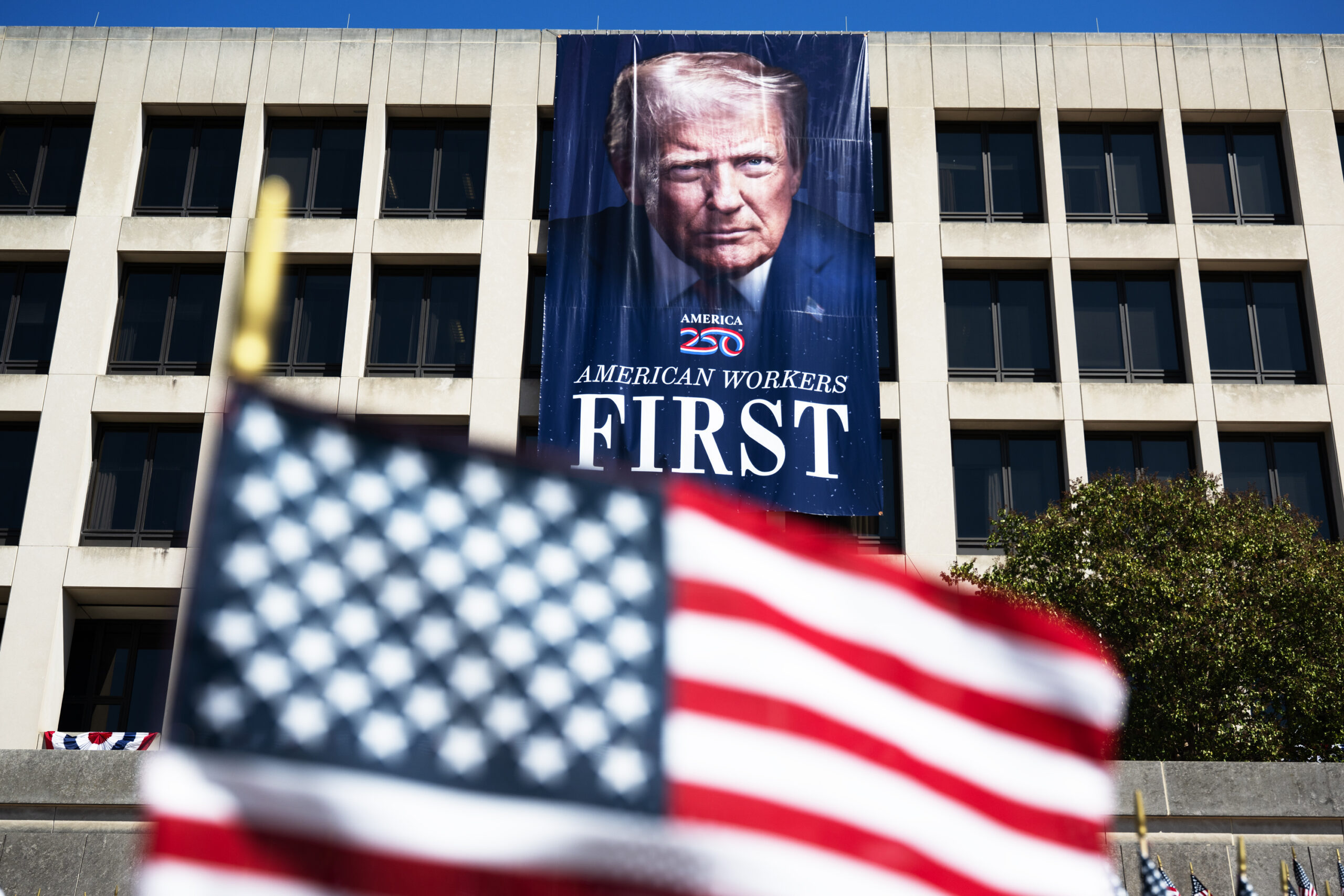
The president’s name and likeness have been added to all kinds of items and assets.
Read more Billionaire Leon Black ignores Epstein investigation subpoena, sues congressional committee
The U.S. Mint announced Wednesday that a gold coin bearing President Donald Trump’s likeness is in circulation to commemorate America’s 250th anniversary.
The coin is one of more than a dozen government items, documents, buildings and programs that the Trump administration has put the president’s name or face on. In some cases, when the name of a building or other government asset was changed, lawsuits have followed.
The Washington Post compiled a list of items and buildings the administration has put Trump’s name or image on during his second term.
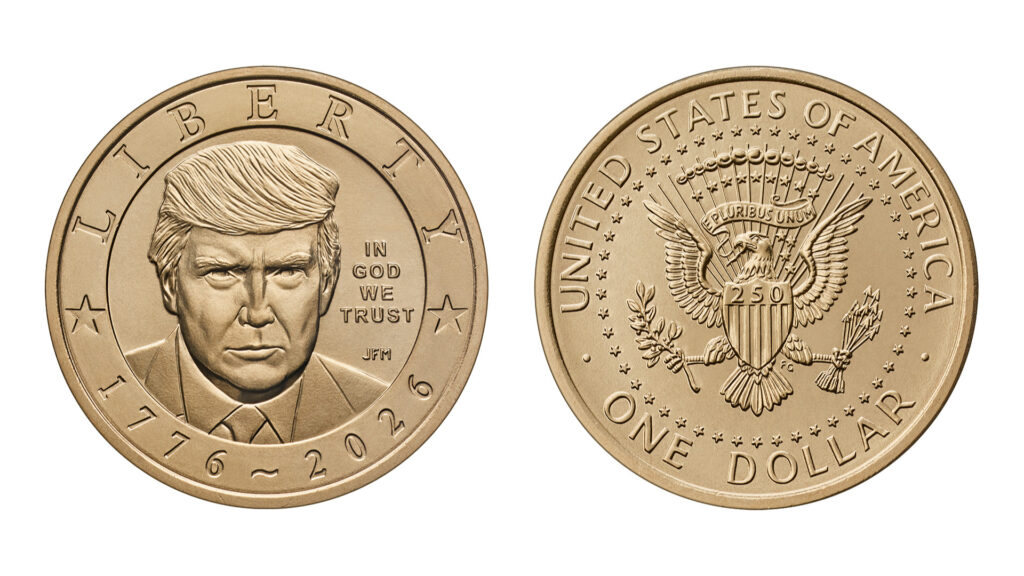
A golden $1 coin featuring the president’s face went into circulation on Wednesday for the nation’s 250th birthday this year. It marks only the second time that a living person has appeared on U.S. currency; the other was in 1926 when President Calvin Coolidge’s face was featured with George Washington’s on a silver half-dollar to commemorate the nation’s 150th birthday .
Federal law states that only deceased individuals can appear on U.S. currency, a Colonial-era tradition meant to distance the United States from the British monarchy, which put its reigning monarch on its banknotes. The Treasury Department defended its decision after the move drew criticism.
From Dec. 18 to June 13, the Kennedy Center — a performing arts venue built and named in honor of a slain president — carried Trump’s name after the center’s board of trustees renamed it “The Donald J. Trump and The John F. Kennedy Memorial Center for the Performing Arts.”
The law establishing the venue was signed by President Dwight Eisenhower in 1958. In 1964, after Kennedy’s assassination, President Lyndon Johnson signed a bill renaming it the John F. Kennedy Center for the Performing Arts. Trump’s name was added by loyalists installed by Trump on the Kennedy Center’s board. Trump said the addition of his name was a surprise.
The addition of Trump’s name received swift backlash and a legal challenge that resulted in a federal judge ordering that his name be removed.
In August, the center’s board tested the judge’s order by voting to inscribe underneath the signage: “Restored and Renovated by President Donald J. Trump.”
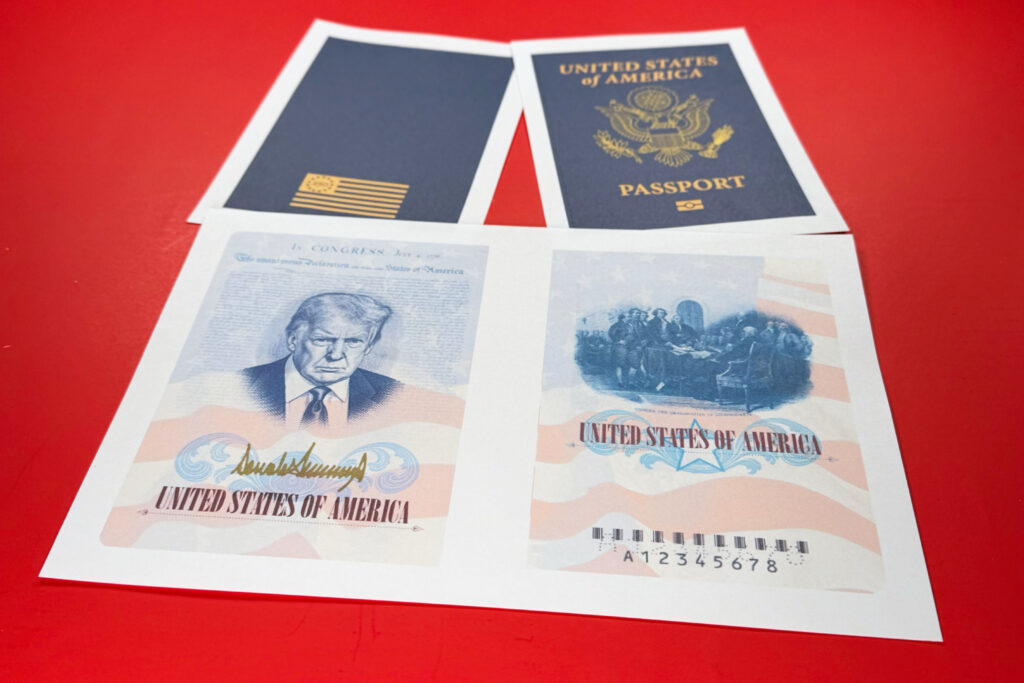
Trump’s image is on a commemorative U.S. passport called the “Patriot Passport.”
The State Department, which issues passports, initially said the document would be available in limited quantity at the Washington Passport Agency. Later, citing “extraordinary public interest,” Secretary of State Marco Rubio announced the department would print 250,000 and offer applications for them at passport agencies across the county.
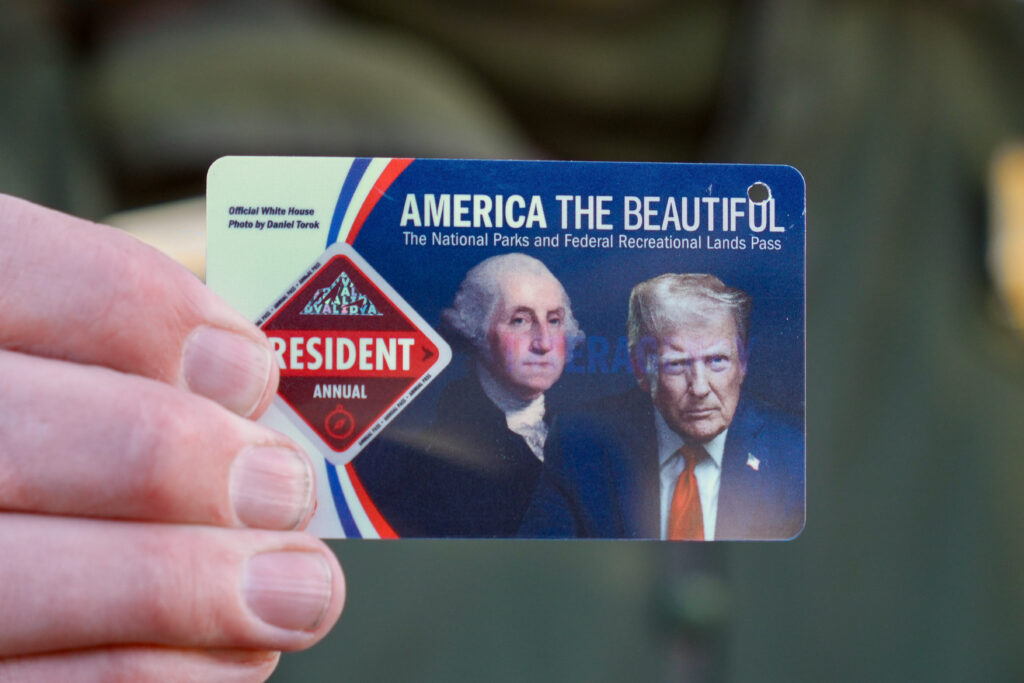
National Parks enthusiasts who opt to purchase an America the Beautiful pass this year will receive a card with Trump’s face on it. He is pictured side by side with George Washington in a special edition of the pass marking the nation’s 250th birthday. The passes usually feature images of wildlife or park landscapes.
Read more Secret Service hasn’t updated some policies in 30 years, review finds
The Department of Interior unveiled the new cards in November to public backlash and legal challenges from wildlife groups, which said federal law requires the cards feature the winning image from an annual nature photography competition.
Some parkgoers attempted to cover Trump’s face with stickers or otherwise obscure his image. The Interior Department updated its rules to render the pass void if any information, including Trump’s likeness, was covered up or otherwise defaced.
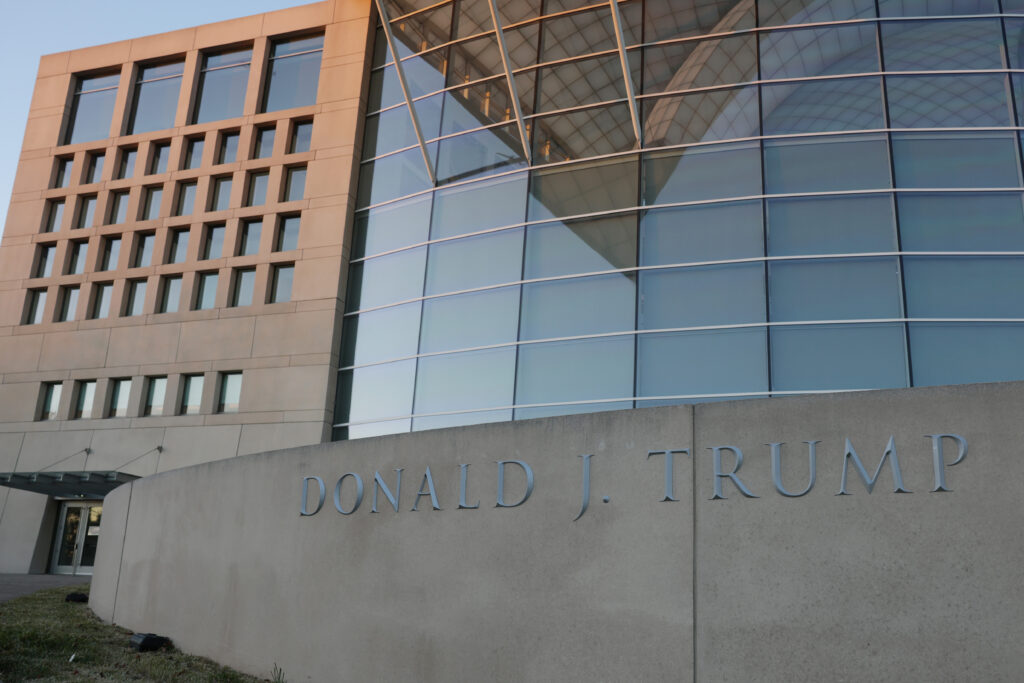
The U.S. Institute of Peace, which was created by Congress as an independent entity to help resolve violent international conflicts, was renamed the Donald J. Trump Institute of Peace by the State Department in December.
The renaming followed a February 2025 executive order from Trump to downsize the agency. Most of the institute’s staff at its D.C. headquarters were let go. Its president was removed from the building by law enforcement.
Trump said his name was added to the building without his knowledge, this time by Rubio. It’s unclear what authority Rubio would have had to make such a change — USIP was created by Congress, but the Trump administration has argued it falls under executive branch authority.
The legality of Trump’s executive order is still being litigated.
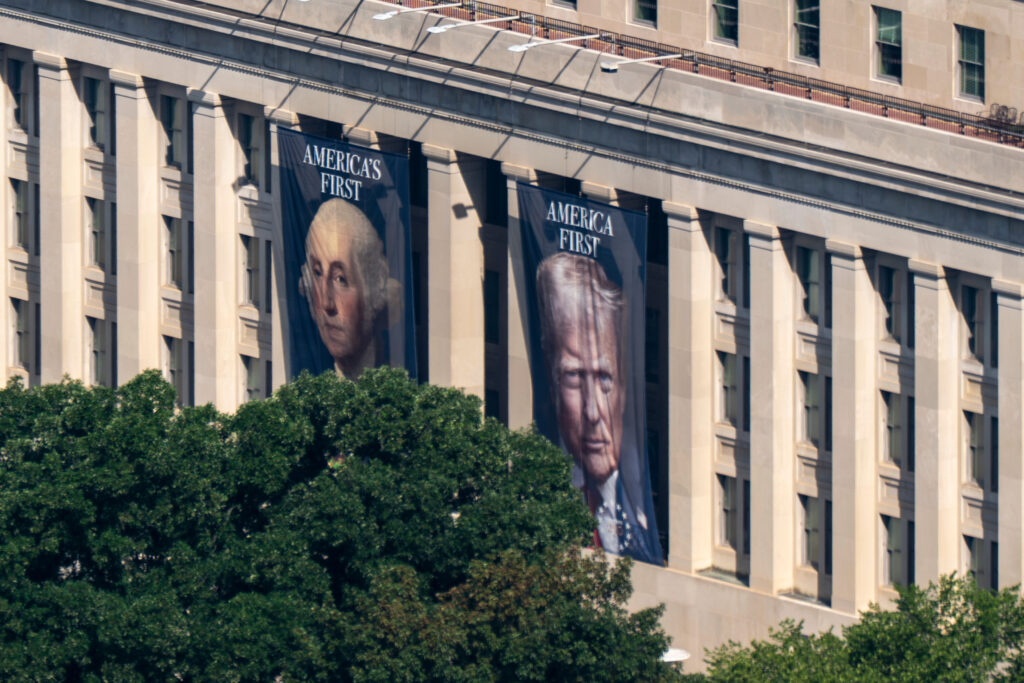
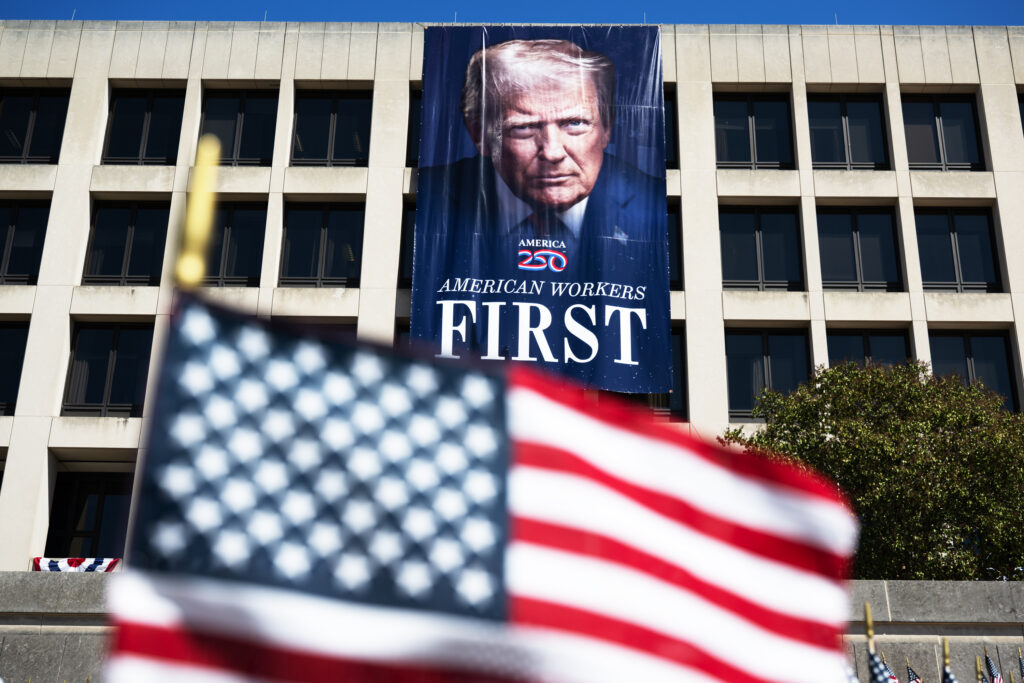
Multiple government buildings in the nation’s capital, including the Justice and Agriculture departments, have been draped with multistory banners featuring Trump’s face and the faces of other presidents.
The banners featuring Trump, Washington and Theodore Roosevelt are a break with precedent — particularly at institutions like the Justice Department, which have historically worked independently of the executive branch. At night, spotlights illuminate Trump’s face on some of the banners.
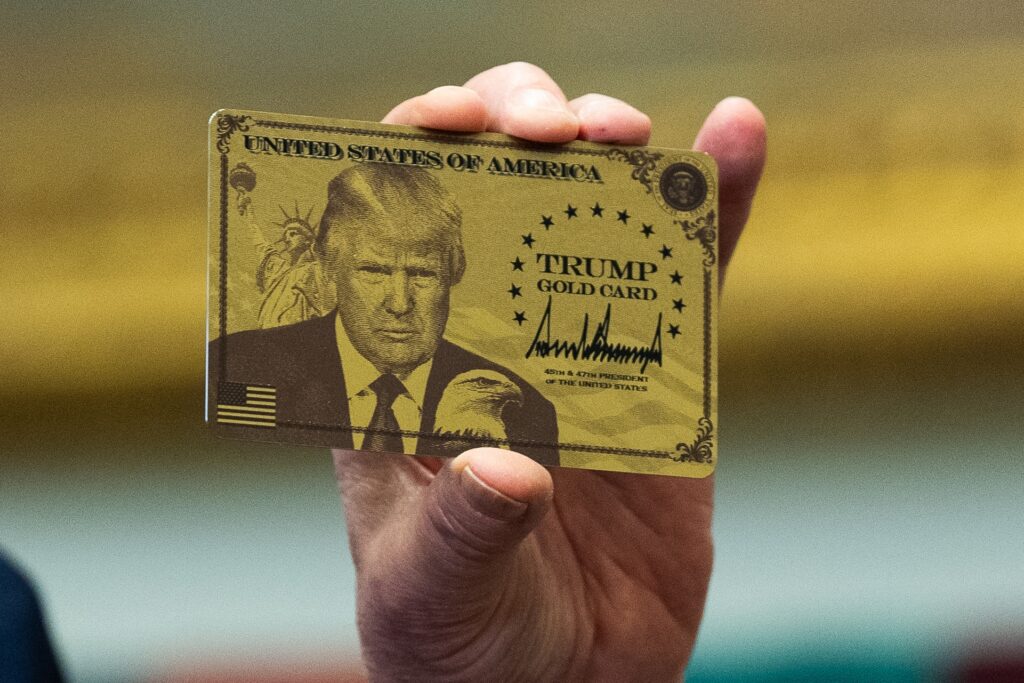
Throughout his second term, the president has unveiled a slate of new government policies and programs bearing his name.
The Trump “gold card” and “platinum card” programs run by the Department of Homeland Security will grant residency in the United States at a cost of $1 million to $5 million.
The administration also started TrumpRx, a prescription drug website where consumers can access discounted, manufacturer-negotiated medications, according to officials.
“Trump accounts,” investment accounts for children, were created by the One Big Beautiful Bill Act of 2025 and launched on July 4.
Read more Elon Musk’s super PAC enters the midterms with Senate race spending