Officials will present plans to permanently fence Lafayette Square, but some preservationists and civic leaders are concerned about the lack of public access.
Read more Maduro seeks to fend off narco-terrorism trial, arguing he has immunity
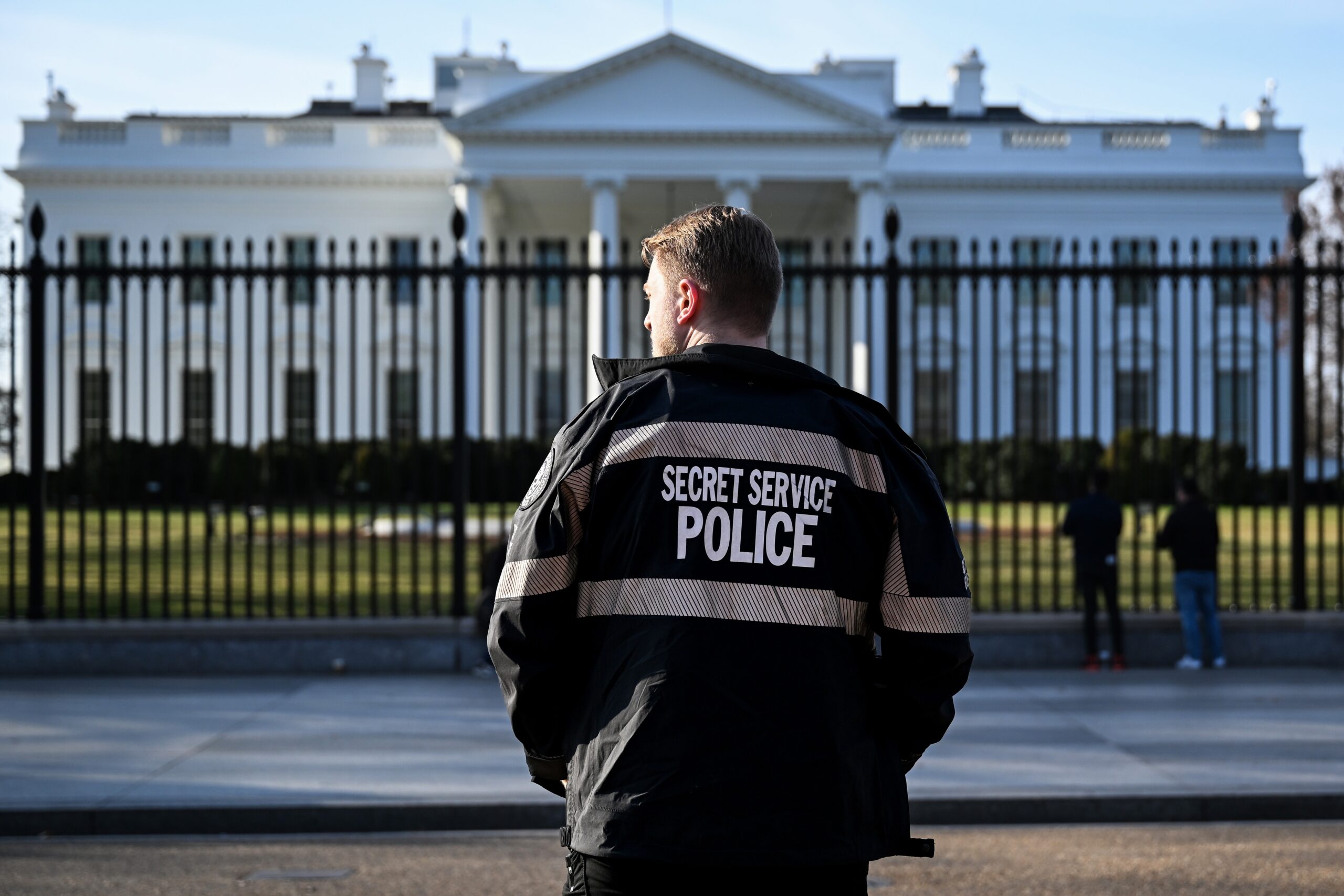
U.S. Secret Service leaders have long wanted a more fortified White House. President Donald Trump is giving it to them.
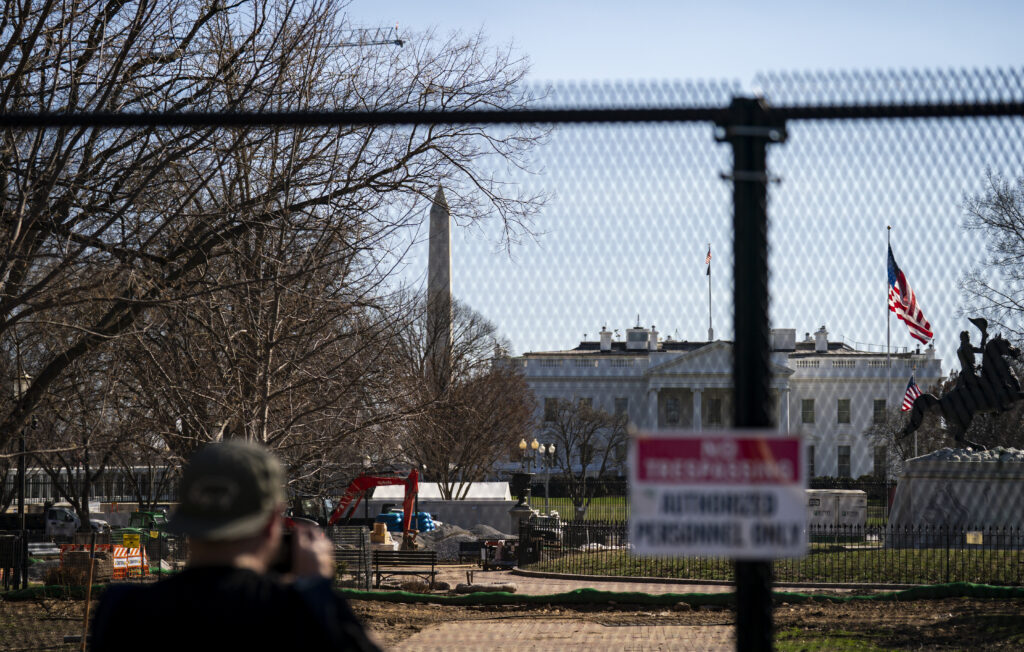
Trump officials on Thursday will publicly present their latest plans to permanently fence Lafayette Square, the public park across the street from the White House. The project, a longtime Secret Service priority, was discussed but never approved in past administrations, as officials wrestled with how to boost security without unduly restricting public access, said four people who spoke on the condition of anonymity to detail internal conversations.
Trump officials also will unveil revisions to a planned visitor screening center, another piece of the broader Trump-backed effort to add security facilities and fencing that could alter the relationship between the White House and the public spaces surrounding it. The National Capital Planning Commission, which reviews federal construction projects, is set to consider both proposals Thursday afternoon.
The Secret Service also has pushed for additional permanent fences on Pennsylvania Avenue and around the White House campus, with administration officials saying that announcements on those additions are forthcoming.
And Trump has followed the Secret Service’s recommendation to keep President’s Park, the 82-acre park encompassing and surrounding the White House, off limits amid heightened security threats. Lafayette Square has been closed to the public for nearly eight months, although renovation work was completed weeks ago, according to two people who spoke on the condition of anonymity to discuss the project.
The need for a permanent visitor center — like the Lafayette fencing — has been discussed across multiple administrations, with Secret Service leaders and other government officials judging the temporary trailers and tents used to screen White House visitors insufficient.
“The permanent facility will strengthen campus security and enhance the overall visitor experience,” the Secret Service said in documents submitted to the commission.
Asked about Trump’s support for the Secret Service’s projects, spokesmen for the White House and Secret Service said the new initiatives were necessary to protect the 18-acre White House and its surroundings.
“The White House and the Secret Service are always looking for ways to improve the security apparatus of the White House Complex,” Davis Ingle, a White House spokesman, said in a statement. “President Trump is uniquely positioned to achieve those restoration and refurbishment goals and to advance the 18 acres toward a 21st century security posture.”
“Projects such as the White House Visitors Center and proposed fencing around Lafayette Park not only enhance security but create appropriate infrastructure befitting the White House and surrounding buildings while maintaining public access,” Nathan Herring, a spokesman for the Secret Service, said in a statement.
Administration officials also said that the current mix of bollards, temporary fences and other security measures used in Lafayette Square are unsightly and insufficient.
Some preservationists, civic leaders and historians cautioned that efforts to protect the president should balance a need for public access to the historic building long known as the “People’s House.”
“It’s becoming a fortress now,” said Ed Lengel, a White House historian, warning that the public was losing access to the White House grounds under the administration’s fences and other restrictions. “They’re going to say, ‘There are threats on the president’s life.’ That’s true enough, but that’s just a pretext.”
The National Trust for Historic Preservation, the Cultural Landscape Foundation and other groups and Washington residents are set to warn against the Secret Service’s fencing plans at Thursday’s meeting of the National Capital Planning Commission, according to testimony posted in advance.
Read more NBA levies unprecedented penalty on Clippers, team owner Steve Ballmer
“What we are really doing is putting another barrier between the America people and their government, when people most need to express their collective joy, or fear, anger or patriotism,” Pam Fessler, a longtime Washingtonian and retired White House journalist, wrote in prepared testimony.
The tension between security and access predates Trump, with many past presidents listening to, if not fully granting, the desires of the agency dedicated to protecting them, their families and other senior leaders.
President Bill Clinton closed Pennsylvania Avenue in front of the White House to vehicle traffic in 1995, turning a long-standing road into a pedestrian thoroughfare.
“It should be seen as a responsible security step necessary to preserve our freedom, not part of a long-term restriction of our freedom,” Clinton said in a radio address announcing the change.
Trump’s willingness to embrace security changes follows attempts on his life. He has publicly credited the Secret Service with saving him.
He has also followed the agency’s recommendations to speak publicly behind bulletproof glass, limit some of his appearances and take other steps intended to improve his protection. Trump secretly switched planes when flying out of Turkey following a NATO conference, The Washington Post first reported, an unusual maneuver that he later credited to the Secret Service.
“It’s only up to Secret Service,” Trump told reporters last month. “I just follow what they’d like to do.”
Administration officials have said there are clear security risks that must be addressed, citing protests after the May 2020 death of George Floyd. Protesters swarmed Lafayette Square, clashing with law enforcement, and Trump was briefly taken to a secure location inside the White House.
Richard H. Macauley, chief of the Secret Service’s uniformed division, said in July that those protests underscored the need for new fences at Lafayette Square.
“We have to make sure we protect our public, the president and the White House,” Macauley told the Commission of Fine Arts as they considered the Secret Service’s proposal.
The Secret Service has not gotten everything on its wish list under Trump. Some agency officials had pushed for replacing the red brick pavement in Lafayette Square — which had been handpicked by first lady Jacqueline Kennedy more than 60 years ago — because they worried protesters would dislodge and throw them. That issue found its way to the president, too.
“We have a big decision to make,” Trump said in the Oval Office last month. “Do we take the pavers that are red, you know, the red brick pavers? And do we change them into a granite? They’re beautiful, but they’re not the original.”
Administration officials ultimately decided to keep the red bricks but reset them so they would be more secure, according to documents submitted to the National Capital Planning Commission.