Jen Hernandez will decide who controls Congress this year.
Not by herself, of course. But people like Hernandez — a married, Mexican American millennial without a college degree, living in a small city — are disproportionately important to determining House control this year, a Washington Post analysis has found.
Read more Arizona’s GOP keeps embracing election deniers who lose. It could happen again.
A 43-year-old who works overnights in manufacturing and lives an hour north of Denver, Hernandez said she identifies with no political party.
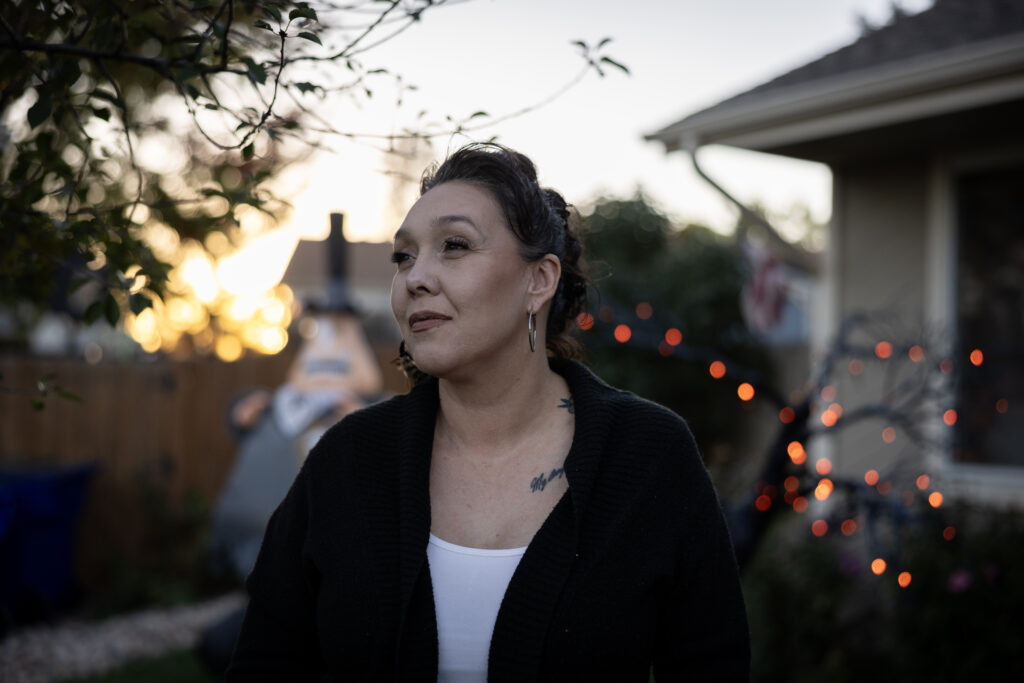
She’s voted for Democrats, Republicans and third-party candidates. She cares about securing the border, affording her migraine prescriptions and finding ways to save money on groceries at the local King Soopers.
“I don’t think I’m too different from anyone else in the country,” she said. “I have just one vote.”
But Hernandez’s ballot is especially crucial during a midterm election year in which she fits nearly all the demographics that, according to a Post analysis, are likely to have an outsize say politically.
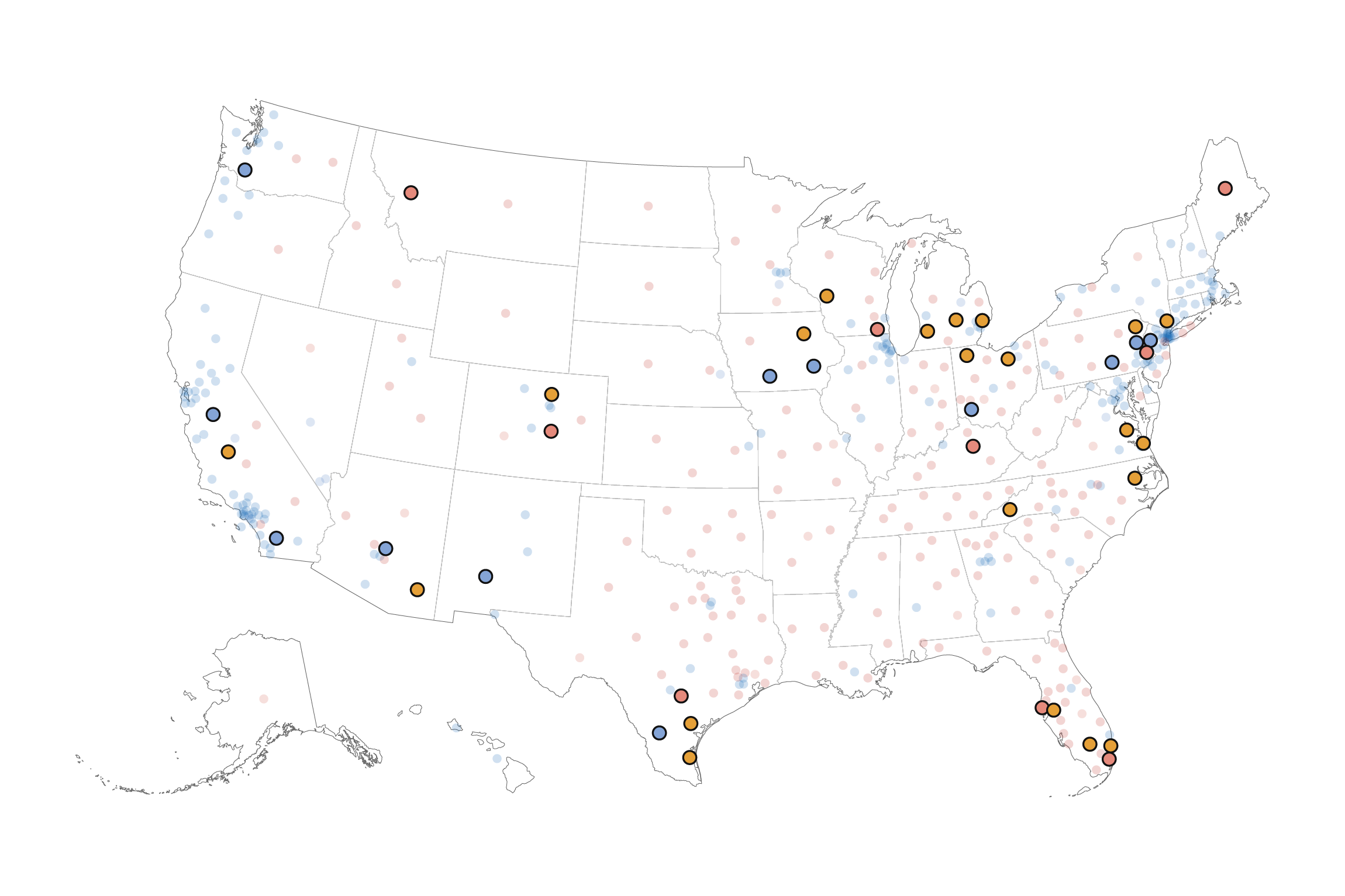
If political campaigns in past years were focused on winning over “soccer moms” or “NASCAR dads,” this year’s election might come down to people like Hernandez, who lives in one of about three dozen battleground House districts that could go to either Democrats or Republicans.
What should her group be called? She floated a few different labels after discussing with her family: “The unclaimed middle.” “Steel toes and tamales.”
Or most succinctly, she said, “overtime mom,” because she spends most of her free time working overtime shifts to make ends meet.
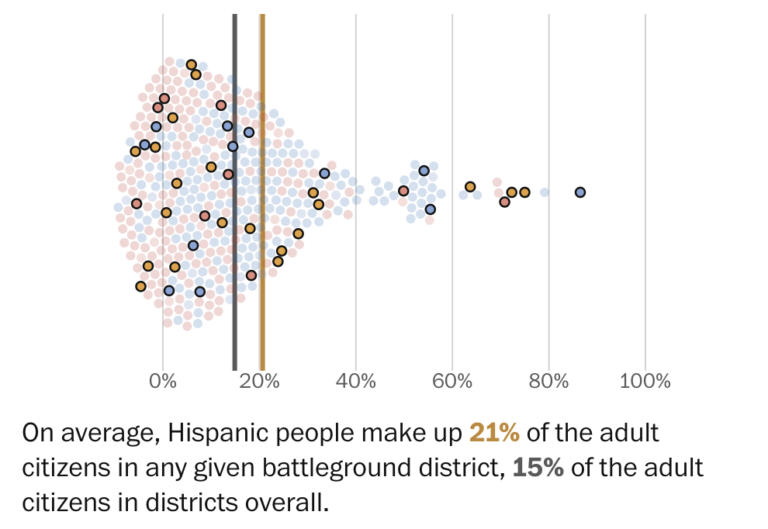
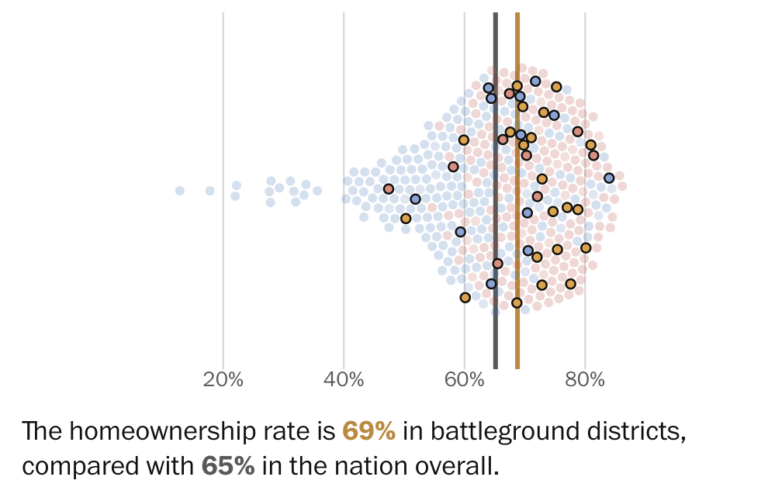
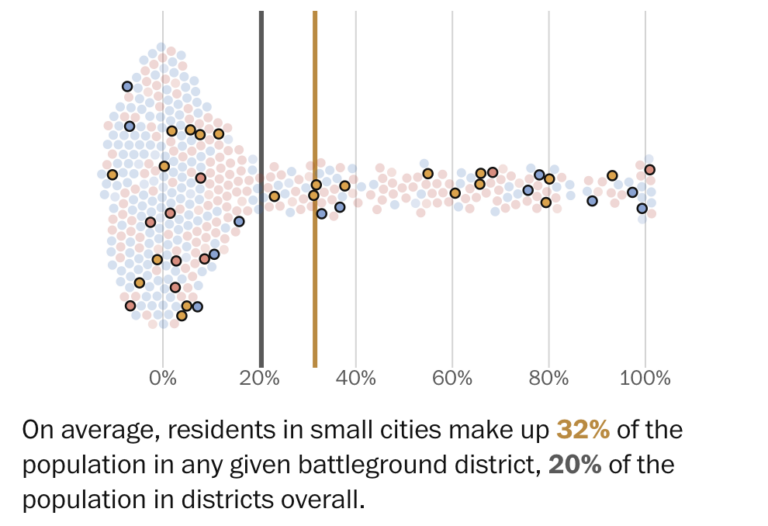
Battleground districts like the one where she lives contain about 10 percent of the U.S. population but tend to have more Hispanic adult citizens than the country overall, a Post analysis found. In these districts, homeownership and marriage rates are higher, and residents are more likely to live in small cities. Hernandez used to own a home and would like to have one again, but she otherwise checks all the boxes.
Many people in those areas are “overtime moms” like Hernandez, who is still undecided on whom she’ll support for Congress. Both parties have been pursuing her and her neighbors in Colorado’s 8th District.
The first-term incumbent, Republican Rep. Gabe Evans, has appeared on Spanish-language radio stations to offer up constituent services and tried in some cases to separate himself from President Donald Trump, whose poll numbers are near historic lows. Evans’s Democratic challenger, Manny Rutinel, has pointed to bipartisan efforts during his time in the state legislature.
Both have launched bilingual ads, stressing that they too are Hispanic millennials — another demographic more common in battleground districts — from working-class backgrounds. (Evans is 40 and Rutinel is 31).
Hernandez is trying to do her part. She keeps a list of the candidates’ policy stances in a spiral notebook that she pulls out when television ads come on, divided by topic: health care, the economy and immigration.
The districts most representative of these Latina “overtime moms” dot the map, including Rust Belt cities in Pennsylvania’s Lehigh Valley, Mexican American border towns in South Texas and southern New Mexico, and a sprawling slice of Florida.
But none are more so than Colorado’s 8th District, which Hernandez crisscrosses multiple times a week from her home in Greeley to her overnight shifts at a food manufacturing facility about 35 miles away.
Her blended family is something of a microcosm of the district politically: Her husband, Daniel, who works as a rig manager in the oil fields, is a “hardcore Republican,” she said. Their eldest son, a union plumber in Brighton, leans conservative. Their daughter who works in homeless outreach in Greeley, is a loyal Democrat. The youngest, a middle-school basketball coach who’s thinking about becoming a deacon or pastor, isn’t sure.
Her choices for president and for Congress have flipped back and forth.
As Colorado went from a key swing state to a reliably blue one, Hernandez followed the trend and cast her ballot twice for Barack Obama. She wrote in comedian Roseanne Barr in 2016 (there were no better options, she said), then opted for Joe Biden and most recently Jill Stein. For Congress, however, she voted for Republicans, including Ken Buck in 2020, before the state’s congressional districts were redrawn.
This year, she’s not sure. She’s not a fan of Trump, who she says is “lining his pockets on the backs of harder-working Americans.” But she’s also skeptical about Democrats, many of whom strike her as too far to the left.
Read more Democrats are running on a scant agenda. Do they need more?
To make a decision this year, she is looking up candidates’ positions and records on local news and on the state legislative sites — especially on issues affecting her own life.
Between tending to two dogs (a cane corso named Matilda Jones and Barbara Lynn Dorothy Hernandez, a pug), she has been making big batches of carnitas for rotating group dinners so she and her neighbors can spend less on groceries.
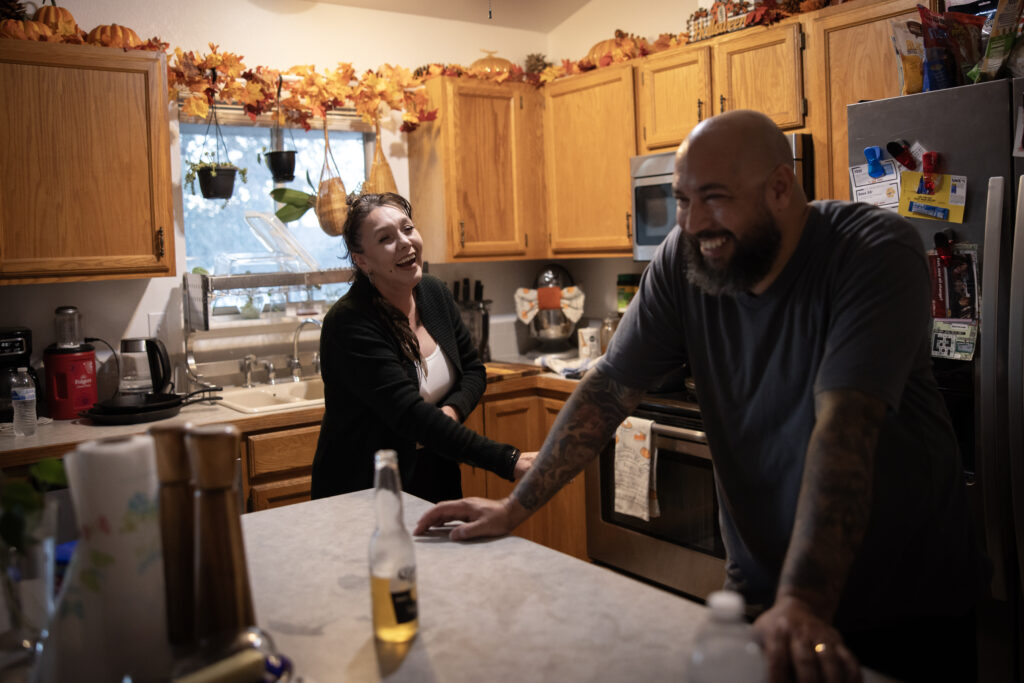
The houseplants she tends to have suffered a little, too, she said, as she’s turned off the grow lights to save on electricity. She has had to forgo some prescriptions at the grocery store because they are so expensive — and that’s even with her company-sponsored insurance.
Her Volkswagen Passat is sitting idle because the diesel it runs on was costing her $150 a week for her commute. For now, she’s borrowing her father-in-law’s Ram pickup truck to pay about a third less at the pump.
Hernandez says Rutinel is her guy on health care. She likes Medicare-for-all, the government-run health plan he previously supported.
But Evans, the Republican, has the edge with energy issues. Rutinel had previously called to ban fracking — and though he has since reversed his stance, Hernandez said he comes off as a flip-flopper on the industry that employs her husband.
“If something happened with oil and gas, we’d be out on the streets,” she said.
A third-generation Mexican American with some Navajo heritage, Hernandez said that the United States was built on immigration and notes that “no one’s illegal on stolen land.”
On her drive to work in Longmont, she takes back roads past ranches that over the summer were advertising jobs that pay $1,000 a week — plus room and board — because they were so desperate for workers. The Facebook group she joined to learn about garage sales in Greeley has transformed into a list of potential sightings of Immigration and Customs Enforcement officers downtown.
She is sharply critical of Trump’s deportations, but she also appreciates the way in which Evans — who penned an op-ed on immigration before he ever showed up in Washington — has expressed view on the issue that stray from his party’s, while also advocating for a tighter, more secure border.

Most of all, she said, she is tired of watching each of the candidates attack each other — with Evans labeling Rutinel a “radical” and “socialist” and Rutinel saying Evans has voted with Trump “100 percent of the time.”
“It’s so sad that these campaign ads are ‘Fight, fight, fight’ instead of “Improve, improve, improve,’” she said.
If she had her way, she said, the U.S. would have far more political parties and a different government structure, with more room for people “in the gray area” she occupies.
But for now, she will continue adding points to her pro/con list. She knows the campaigns will be watching.
Mariana Alfaro contributed to this report.
Battleground districts include all House districts rated leaning Democratic, leaning Republican, or toss-up by the Cook Political Report as of Oct. 9.
To calculate the demographic rates in the story, The Washington Post used a 2024 five-year American Community Survey data from the Census Bureau. District populations are identified as urban, suburban, small city, and rural based on the 2023 National Center for Health Statistics county-level classification system. Small cities are in metropolitan areas with less than 1 million people but more than 250,000. The Post aggregated this block-group, tract and county data to congressional districts.
For areas that are part of multiple congressional districts, The Post weighted those population estimates based on the 2020 block-level population residing in each district.
Read more 35 years ago today, Anita Hill testified before Congress