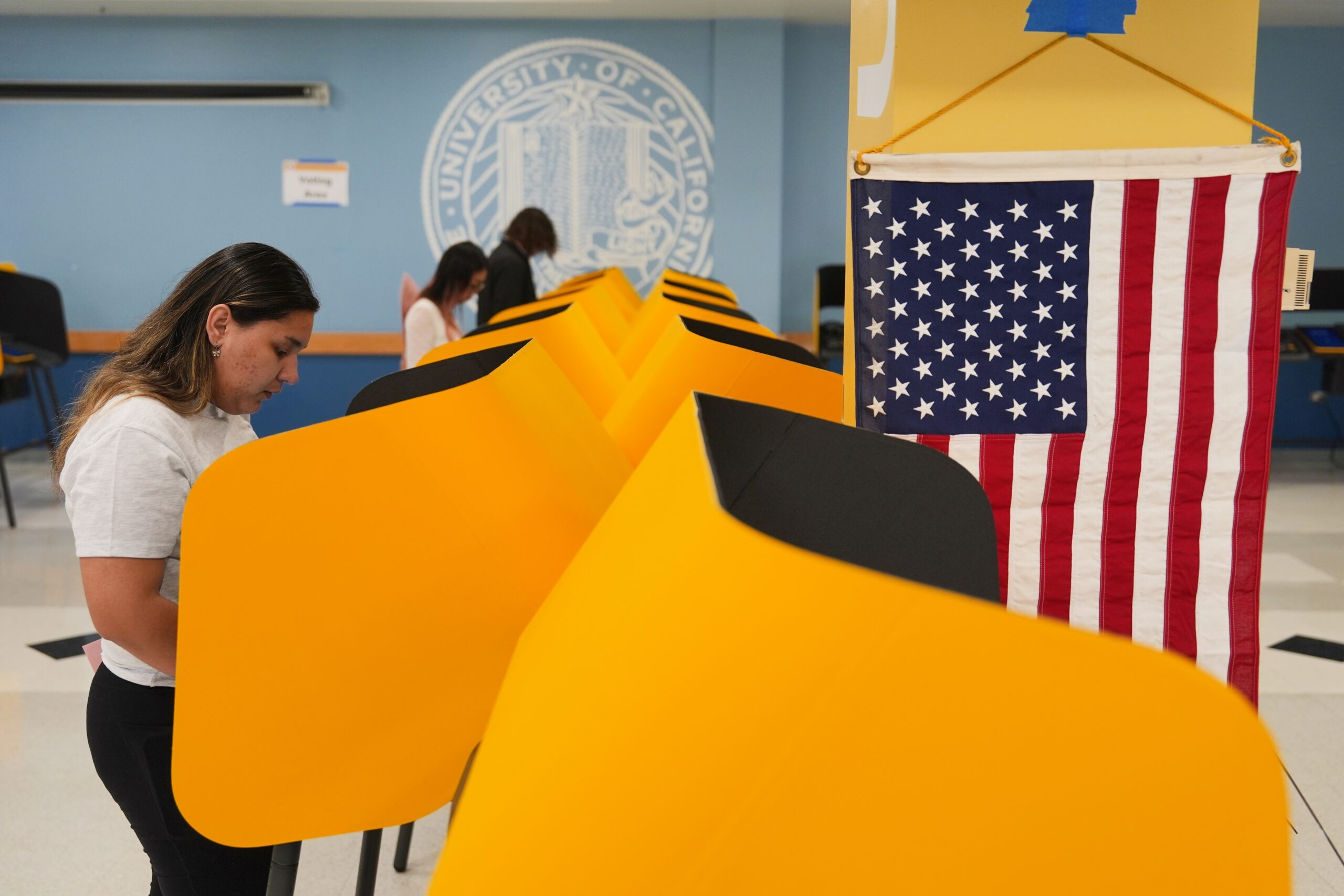
The Justice Department plans to send 1,000 monitors to polls, and voting by mail could be tricky if you don’t plan ahead.
Read more ICE agent charged with lying to investigators in nonfatal Minneapolis shooting
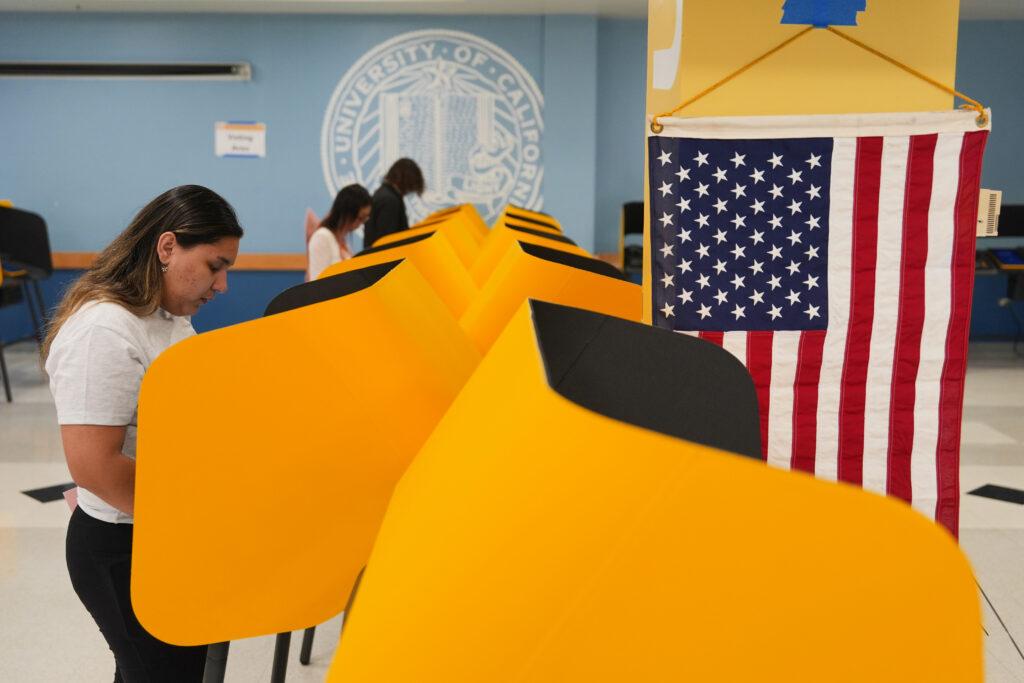
As the first ballots are being mailed out to voters for November’s midterm election, there is an enormous amount of uncertainty and confusion about how Americans will vote.
The Justice Department plans to send 1,000 monitors to polls. A coalition of civil rights and advocacy groups are training community members to welcome people to the polls. And a whistleblower said this week that the U.S. Postal Service might throw out thousands of ballots before mailing them as it tries to implement mail-voting restrictions that are still being litigated in court.
“It’s the same messaging we had in 2020 in the pandemic where there was a lot of uncertainty,” said Tammy Patrick, a former election official in Arizona now with the nonpartisan Election Center, “and I feel like we’re in a similar moment of chaos — and I think that’s purposeful by some — to keep people confused.”
Here’s some clarifications amid all this on how to vote in 2026.
President Donald Trump has spent much of his second term trying to limit or even end voting by mail. He has tried to get Congress to dramatically change how Americans register to vote. His allies have suggested he send troops to the polls. And he has floated the idea that Republicans “take over the voting” in some states.
Some of those ideas are blatantly unconstitutional. Presidents typically don’t have control over how elections are run; the Constitution grants that authority to states and Congress. And it’s long been illegal to send troops to the polls. The highest-ranking military officer said this week he has no plans to.
But there could be immigration agents nearby. Trump administration officials haven’t ruled out the possibility that Immigration and Customs Enforcement agents might be serving warrants near the polls.
Trump has falsely alleged for years that he lost the 2020 presidential election because of a scheme of undocumented immigrants voting. There is no evidence for that, and all available evidence shows that it is rare for any noncitizens to vote. When anyone applies for a driver’s license or other ID, federal law says, they must also provide proof of residence, which almost always makes clear whether they are a citizen.
A relatively large number of noncitizens did vote in New Jersey in recent years, the state revealed earlier this year, attributing it to a data error and confusion among some noncitizens who were mailed ballots. Even then, 400 voters was not large enough to change the presidential election in New Jersey. In the 2024 presidential election, Kamala Harris won New Jersey by more than 250,000 votes.
Trump has failed to get Congress to approve new restrictions aimed at making it even harder for undocumented immigrants to vote, limits that election organizations warn could disenfranchise millions.
Read more Coins, cards and buildings: Where the government has Trump’s name and face
The Justice Department says it is sending 1,000 officials to monitor voting and ballot counting in polling locations across the nation. This isn’t a rare occurrence; the government regularly sends officials to watch elections to ensure there isn’t discrimination or intimidation at the polls.
But the amount of monitors the Trump administration is sending out appears to be extraordinarily high, and it comes from the same agency that has been trying — and failing, when challenged by states in court — to get voters’ personal data ahead of the election.
To counter concerns that some Americans won’t feel comfortable voting, advocacy groups are training community members like faith leaders to welcome people to the polls, particularly in communities of color. It’s not clear how this would work. Almost all states have laws requiring political activities to stay dozens of feet away from a polling place.
Officials in a battleground county in Texas voted this week to slash 92 of its polling locations, over the objections of a number of residents. Other communities are also changing polling locations — some cities that had previously offered large voting centers have reverted to smaller neighborhood locations that vary precinct by precinct.
Add to that the court challenges around redistricting, which could change the congressional lines completely for some voters, and “don’t assume your polling place is the same it always has been,” said Patrick.
Mail-in voting could be an even riskier way to vote in the midterms.
Trump issued an executive order to require states to upload lists of citizens to the Postal Service, which would then only mail ballots to those people. The rule is potentially illegal — lower courts have blocked it — and rushed. An anonymous whistleblower told Congress this week that under the new rules, if Postal Service employees find one mismatch from states’ lists, they can throw out an entire batch of 10,000 ballots rather than mail them.
Patrick said there are also cuts to how the Postal Service operates that could delay the delivery of ballots mailed too close to Election Day.
Amber Phillips writes The 5-Minute Fix newsletter, a quick analysis of the day’s biggest political news. Send her an email here, or ask a question that could be featured in an upcoming newsletter.
Read more Billionaire Leon Black ignores Epstein investigation subpoena, sues congressional committee